
Acne rosacea vs acne vulgaris is one of the most commonly confused skin concerns, yet they are two very different conditions that require different approaches. If your skin feels inflamed, reactive, or persistently broken out, understanding which one you are dealing with can change everything.
Let’s gently unpack the difference.
What Is the Difference Between Acne Rosacea and Acne Vulgaris?
Acne rosacea vs acne vulgaris differs in cause, appearance, triggers and long-term behaviour.
-
Acne vulgaris is a traditional acne condition caused by clogged pores, excess oil, bacteria and inflammation. It presents as blackheads, whiteheads, papules, pustules and sometimes cysts.
-
Acne rosacea is a chronic inflammatory condition linked to vascular sensitivity and immune response. It presents as persistent redness, flushing, visible capillaries and sometimes acne-like bumps but without blackheads.
The treatments are not interchangeable. Rosacea-prone skin needs calming and barrier repair, while acne vulgaris often requires oil regulation and pore support.
What Is Acne Vulgaris?
Acne vulgaris is the most common form of acne. It usually begins in adolescence but can persist well into adulthood.
Common signs of acne vulgaris
- Blackheads and whiteheads
- Inflamed red pimples
- Painful cystic breakouts
- Oily skin
- Congestion around the T-zone
It develops when pores become blocked with sebum and dead skin cells. Bacteria multiply inside the pore, triggering inflammation.
Hormones, stress, certain cosmetics and over-exfoliation can worsen it. In Australia’s climate, heat and humidity can also increase oil production, leading to more congestion.
What Is Acne Rosacea?
Acne rosacea, often simply called rosacea, is a chronic inflammatory skin condition that primarily affects the central face.
Common signs of acne rosacea
- Persistent redness across cheeks and nose
- Flushing triggered by heat, alcohol or stress
- Visible capillaries
- Stinging or burning sensation
- Small red bumps without blackheads
Unlike acne vulgaris, rosacea is not driven by clogged pores. It is linked to vascular instability, immune hypersensitivity and barrier dysfunction.
Many people with rosacea describe their skin as reactive, sensitive and easily irritated.
Can Rosacea Look Like Acne?
Yes. Rosacea can resemble acne because it may present with red bumps and pustules. However, rosacea does not include blackheads or deep cystic congestion, and it is usually accompanied by persistent redness and flushing.
This overlap is why the phrase acne rosacea vs acne vulgaris is searched so frequently. The visual similarity can be misleading, but the underlying causes are different.
Acne Rosacea vs Acne Vulgaris: Key Differences at a Glance
| Feature | Acne Vulgaris | Acne Rosacea |
|---|---|---|
| Blackheads | Common | Not present |
| Oiliness | Often oily | Often dry or sensitive |
| Redness | Around pimples | Persistent facial redness |
| Triggers | Hormones, oil, clogged pores | Heat, alcohol, stress, spicy food |
| Age group | Teens to adults | Usually 30+ |
Understanding these differences helps prevent the common mistake of over-treating rosacea with harsh acne products.
Misdiagnosis Makes Skin Worse
Using strong exfoliants or drying treatments designed for acne vulgaris on rosacea-prone skin can severely compromise the barrier.
This leads to:
- Increased redness
- Burning sensations
- Heightened sensitivity
- Long-term barrier damage
At Biobod, our philosophy is barrier-first. Whether you are navigating acne rosacea vs acne vulgaris, the foundation remains the same. Calm the skin. Support its natural mechanisms. Rebuild resilience.
If you have read our Journal article on skincare for men with sensitive skin, you will know that inflammation is rarely solved by aggression. The same applies here.
The Role of the Skin Barrier
Both acne vulgaris and rosacea involve inflammation, but rosacea is particularly tied to barrier dysfunction.
When the barrier is compromised:
- Water escapes
- Irritants penetrate more easily
- Immune responses become exaggerated
This is why soothing, lipid-replenishing skincare is essential.
Our approach centres around supporting the microbiome and strengthening the skin’s natural defences rather than stripping them away.
How to Care for Acne Vulgaris Gently
If you are experiencing acne vulgaris, focus on balance.
- Cleanse without stripping
- Hydrate to prevent rebound oil production
- Support barrier repair
- Avoid over-exfoliation
When skin is repeatedly stripped, it compensates by producing more oil, perpetuating the cycle.
How to Care for Acne Rosacea Safely
If rosacea is your concern, calming is the priority.
- Avoid triggers where possible
- Use fragrance-free, minimal formulas
- Strengthen the barrier with lipid-rich support
- Avoid aggressive acids and scrubs like Vitamin C, Glycolic Acid
Rosacea-prone skin benefits from ingredients like colloidal oats, plant-based squalane and omega-rich seed oils.
A Barrier-First Solution for Both
While acne rosacea vs acne vulgaris requires slightly different strategies, both benefit from a strong, resilient skin barrier.
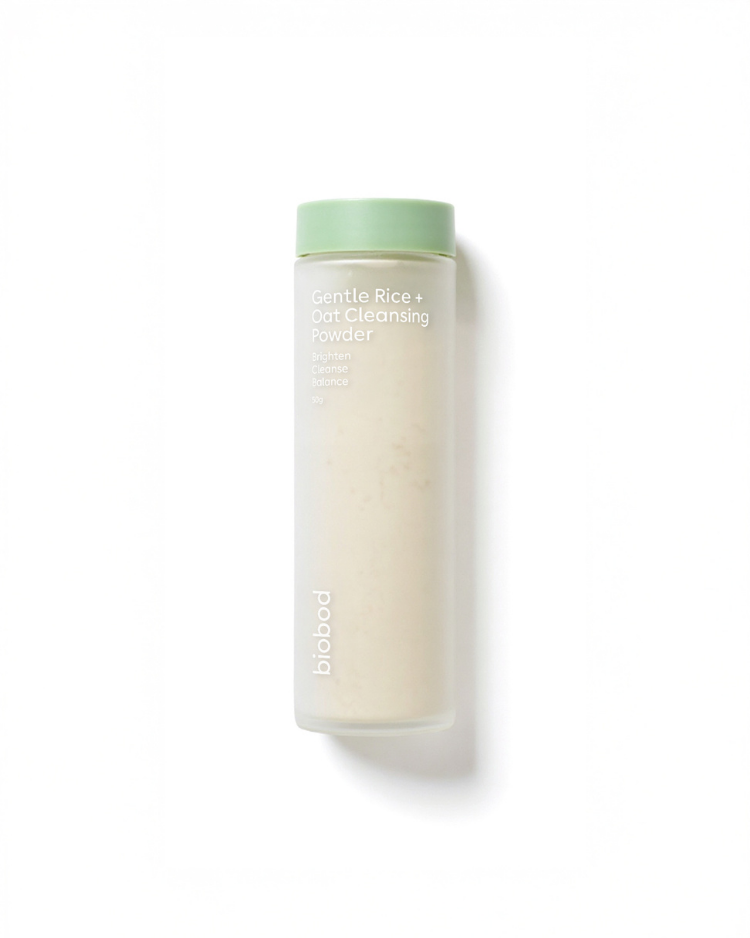
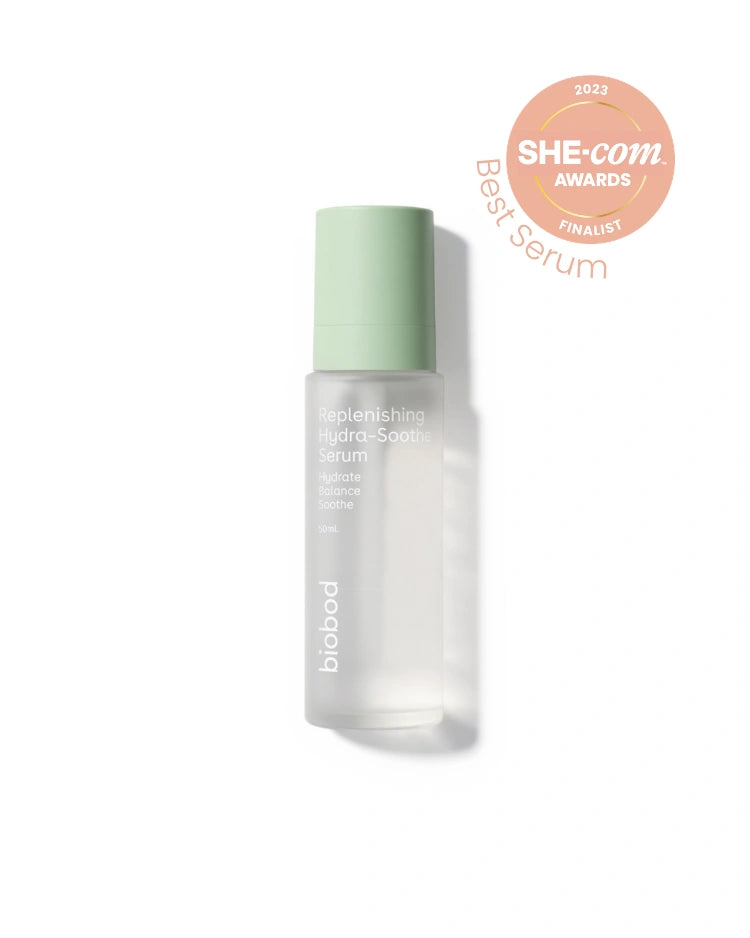
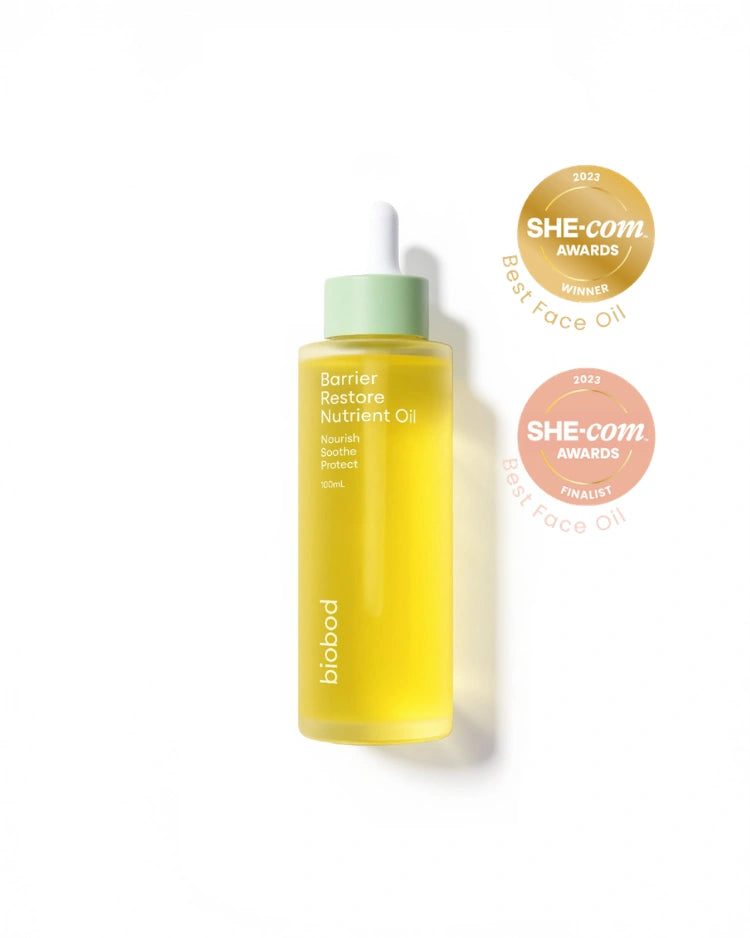
This is where the Skin Reset System: Brighten, Hydrate & Nourish becomes powerful.
Designed as a complete three-step ritual, it supports skin holistically:
- Gentle cleansing to remove impurities without stripping
- Hydration to replenish water levels
- Nourishing lipids to repair and protect
Consistent use helps reduce inflammation, strengthen resilience and create a calmer environment for the skin to function optimally.

For acne vulgaris, balanced hydration prevents rebound oiliness.
For rosacea-prone skin, barrier reinforcement reduces reactivity and redness.
It is not about treating symptoms aggressively. It is about restoring balance.
Ingredients That Make a Difference
The Skin Reset System works because it aligns with the skin’s biology.
Colloidal Oats
Soothe irritation. Reduce visible redness. Support barrier repair.
Plant-Based Squalane
Mimics the skin’s natural lipids. Improves softness. Prevents transepidermal water loss.
Omega-Rich Seed Oils
Reinforce barrier integrity. Calm inflammation. Support microbiome balance.
These ingredients are gentle enough for rosacea-prone skin yet effective enough to support acne-prone complexions.
Can You Have Both Rosacea and Acne?
Yes. It is possible to experience both rosacea and acne vulgaris simultaneously. This is known as overlapping or concurrent conditions.
In these cases, barrier-first care becomes even more essential. Over-treating one condition can worsen the other. A calming, microbiome-supportive routine helps stabilise both.
The Emotional Side of Skin Conditions
Acne rosacea vs acne vulgaris is not just a medical comparison. It affects confidence, social comfort and emotional wellbeing.
Persistent redness or breakouts can feel isolating. But skin is dynamic. It responds to care, consistency and patience.
Our Journal article on beauty sleep explores how stress impacts inflammation. Rest, nervous system support and lifestyle choices also influence skin outcomes.
When to Seek Professional Advice
If you are unsure whether you are dealing with acne rosacea vs acne vulgaris, consult a dermatologist. Prescription treatments may be required for moderate to severe cases.
However, even when medical treatment is involved, supportive skincare remains crucial.
Think of it as rehabilitation for your barrier.
A Long-Term Perspective
Quick fixes rarely work for chronic inflammation. Whether it is acne vulgaris driven by hormonal fluctuations or rosacea triggered by vascular sensitivity, consistency matters.
A gentle, structured routine gives the skin space to recover.
The Skin Reset System simplifies this process. Instead of layering multiple actives, it returns to fundamentals. Cleanse. Hydrate. Nourish.
With consistent use, many people notice:
- Reduced redness
- Improved texture
- Fewer reactive flare-ups
- Stronger tolerance to environmental stressors
This is not about perfection. It is about resilience.