
How to soothe irritated skin on face starts with understanding why your skin feels reactive, tight, or inflamed, and how to support it back to balance. Irritated skin is not a flaw or a failure of your routine. It is your skin communicating that its barrier and immune responses are under stress and need support.
At Biobod, we approach irritation through skin biology, barrier science, and microbiome health. The goal is not quick fixes, but calm, repair, and long term resilience.
What is irritated skin
Irritated skin is a temporary state where the skin barrier is compromised and inflammatory signals are elevated. This makes the skin more reactive to products, temperature changes, friction, and environmental exposure.
It can affect any skin type, including oily, acne prone, and combination skin. Irritation is about barrier function, not oil levels.
When the barrier weakens, water loss increases, nerve endings become more exposed, and the skin’s immune response becomes hypersensitive.
Common signs and symptoms of irritated facial skin
Irritation does not always appear suddenly or dramatically. Often, it builds gradually and presents in subtle ways.
Common signs include redness, flushing, or blotchiness.
Burning, stinging, or tingling sensations, especially after cleansing.
Tightness that does not ease after moisturising.
Dryness, flaking, or rough texture.
Increased breakouts or congestion despite gentle care.
Sensitivity to products you previously tolerated well.
Makeup settling into texture or emphasising redness.
These symptoms indicate that the barrier and microbiome are struggling to regulate inflammation and moisture.
How skin gets irritated in the first place
Understanding how irritation develops is essential when learning how to soothe irritated skin on face effectively.
Over cleansing and harsh surfactants
Frequent cleansing, strong foaming agents, and repeated stripping of the skin remove essential lipids. This weakens the barrier and disrupts the microbiome, allowing irritants to penetrate more easily.
Over exfoliation
Exfoliating acids, retinoids, scrubs, and peels used too often can overwhelm the skin’s renewal cycle. Instead of improving clarity, they trigger inflammation and sensitivity.
Environmental stressors
UV exposure, pollution, wind, temperature extremes, and indoor heating or air conditioning all contribute to oxidative stress and barrier breakdown.
Stress and internal inflammation
Psychological stress increases cortisol levels, which directly impairs barrier repair and amplifies inflammatory responses in the skin.
Fragrance and sensitising ingredients
Fragrance, including essential oils, can trigger irritation, especially when the barrier is already compromised. Sensitisation risk increases when skin is inflamed.
Why barrier repair is essential for soothing irritated skin
The skin barrier is the foundation of calm, healthy skin. When intact, it retains moisture, protects nerve endings, regulates inflammation, and maintains microbial balance.
When compromised, the skin becomes porous, reactive, and inflamed.
Soothing irritated skin is not about suppressing redness or masking discomfort. It is about restoring structure, function, and balance at a biological level.
How to soothe irritated skin on face step by step
Step 1. Cleanse gently without stripping
Cleansing should remove impurities without disrupting lipids, proteins, or beneficial microbes.
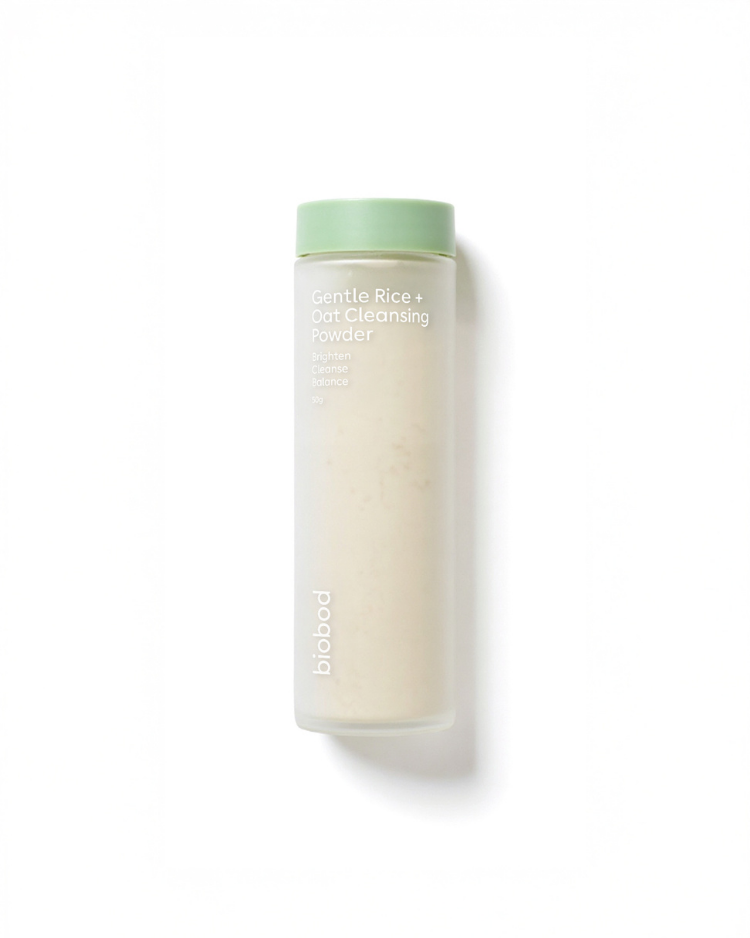
A water activated powder cleanser like Gentle Rice & Oat Cleansing Powder supports this balance. Finely milled oats and rice help calm inflammation while cleansing gently. Kaolin and illite absorb impurities without over drying. Prebiotics and postbiotics support microbiome balance, while willow bark provides mild anti inflammatory support without aggressive exfoliation.
Use lukewarm water, gentle pressure, and avoid double cleansing while the skin is reactive.

Step 2. Rehydrate and calm inflammation
Hydration is not only about adding water. It is about restoring signalling pathways that calm the skin and support repair.
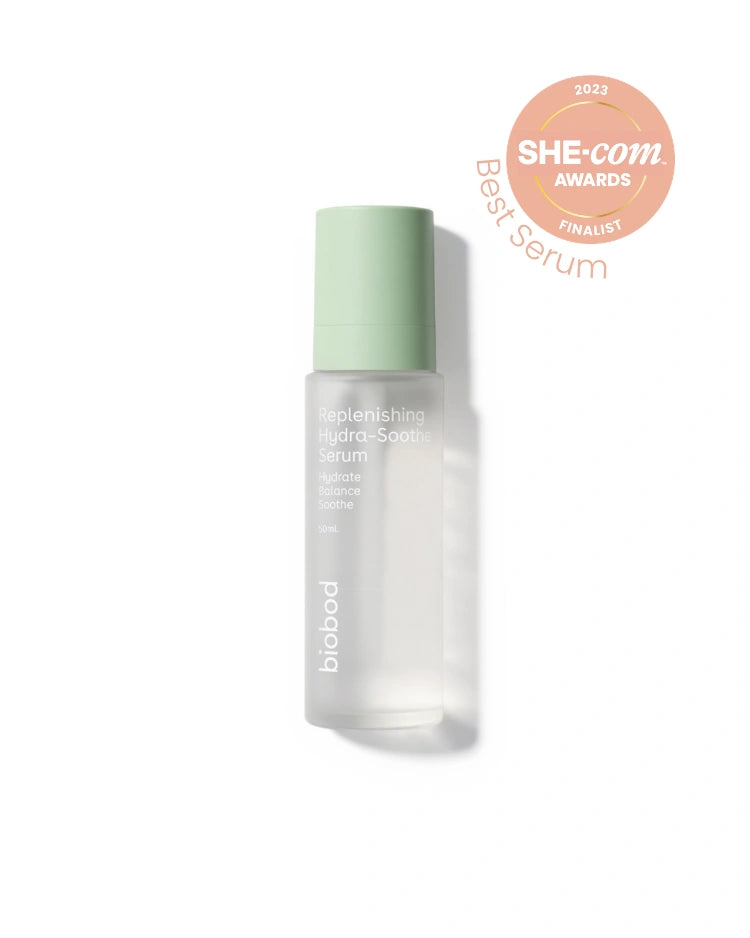
The Replenishing Hydra Soothe Serum helps replenish hydration, reduce inflammatory responses, and support barrier recovery. Lightweight hydration allows skin to feel comfortable without congestion or occlusion.
A calming serum should reduce redness, support barrier enzymes, and ease nerve sensitivity.

Step 3. Rebuild lipids and strengthen the barrier
Once hydration is restored, replenishing barrier lipids is essential.
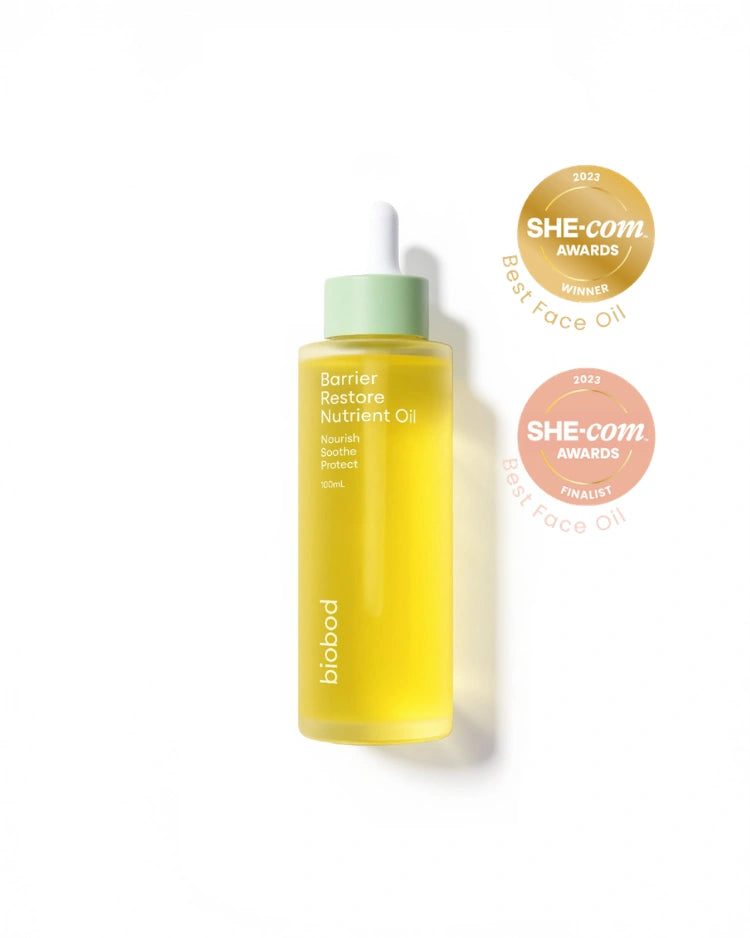
The Barrier Restore Nutrient Oil supports the skin’s natural lipid matrix using biomimetic oils that mirror healthy skin composition. This helps reduce transepidermal water loss, protect against environmental stress, and improve long term resilience.
Apply a small amount to damp skin, pressing gently rather than rubbing.

Shop here: Barrier Restore Nutrient Oil
Step 4. Seal and protect when skin needs extra support
During flare ups or periods of acute irritation, the skin may benefit from an occlusive repair layer.
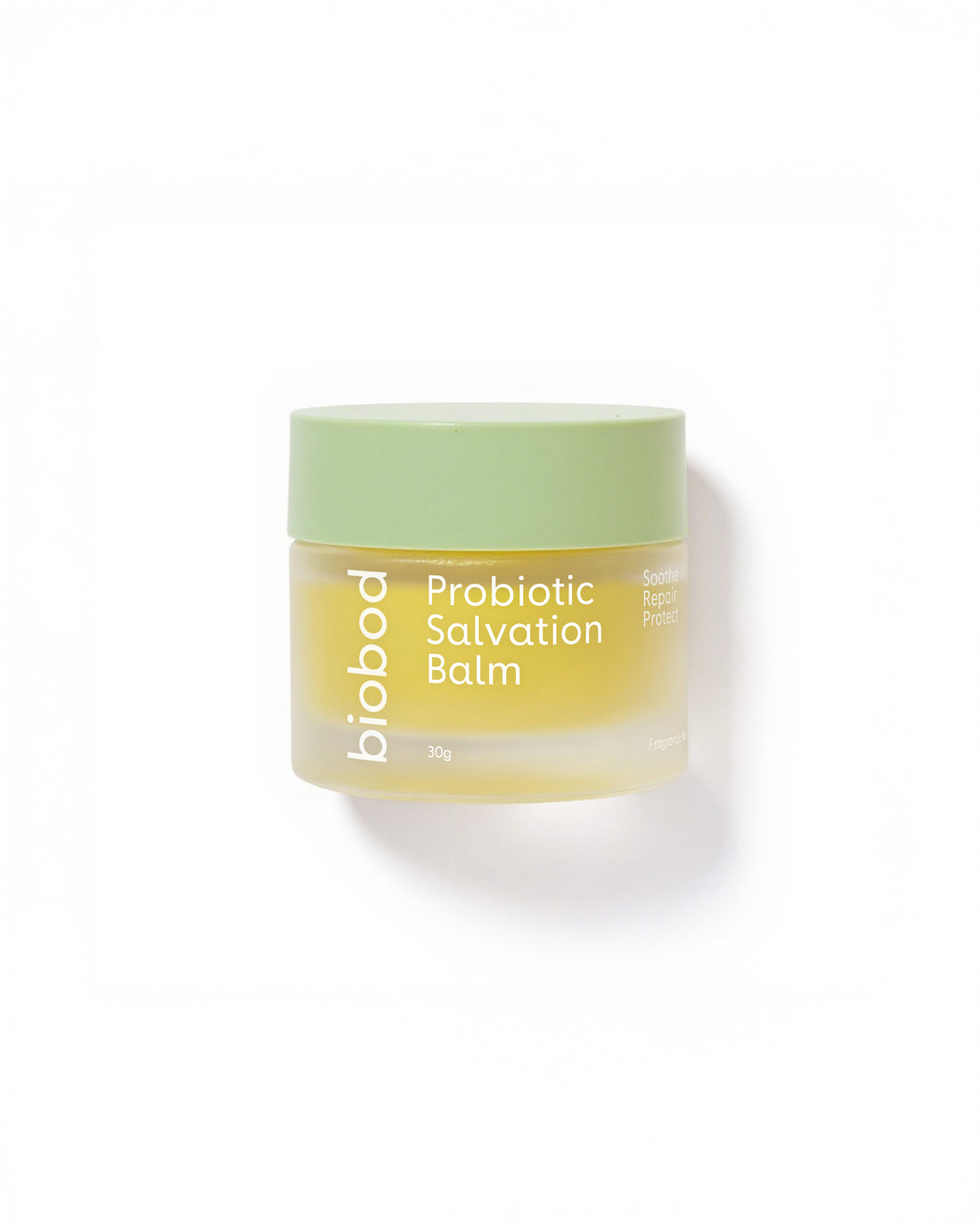
The Probiotic Salvation Balm acts as a protective dressing rather than a heavy moisturiser. It helps calm visible redness, protect nerve endings, and shield compromised skin from external irritants. This step is especially beneficial overnight or in dry, inflamed conditions.

Shop here: Probiotic Salvation Balm
Ingredients that help soothe irritated facial skin
When learning how to soothe irritated skin on face, ingredient selection matters more than product count.
Look for ingredients that calm inflammation, support repair, and protect the barrier.
Key ingredient categories include oats and beta glucans for soothing support, rice derivatives for barrier strength, prebiotics and postbiotics for microbiome balance, non sensitising oils for lipid replenishment, and anti inflammatory botanicals used at skin safe concentrations.
Avoid introducing new actives while irritation is present.
What to stop doing when your face is irritated
Soothing skin often means simplifying rather than adding more.
- Pause exfoliating acids and retinoids
- Avoid scrubs, brushes, and cleansing tools
- Remove fragranced products
- Stop introducing new products
- Avoid hot water and prolonged cleansing
Skin heals best when it feels safe, supported, and undisturbed.
How long does irritated skin take to calm down
Mild irritation often improves within seven to fourteen days when barrier supportive care is used consistently.
More significant barrier disruption may take several weeks to settle, depending on lifestyle stressors and previous product use.
Consistency and gentleness matter more than intensity.
How to prevent future irritation
Once skin calms, prevention becomes the priority.
- Maintain a barrier first routine
- Introduce actives slowly and intentionally
- Protect skin from UV daily
- Support stress management and sleep
- Choose microbiome friendly formulations
Resilient skin is calm skin.
How to soothe irritated skin on face
What is the fastest way to soothe irritated facial skin.
Simplify your routine, stop exfoliation, use gentle cleansing, restore hydration, and support the barrier.
Can oily skin still be irritated.
Yes. Oil production does not equal barrier health. Oily skin can be highly reactive.
Should I exfoliate irritated skin.
No. Exfoliation should be paused until sensitivity and inflammation resolve.
Are natural ingredients always better for irritation.
Not necessarily. Formulation, concentration, and barrier compatibility matter more than ingredient origin.
How do I know if my skin barrier is damaged.
Persistent tightness, burning, redness, and increased sensitivity are common indicators.