
Natural probiotics for skin benefits, a nurturing guide to calmer stronger skin
Natural probiotics for skin can be a game changer when your face feels reactive, unpredictable, or stuck in a cycle of redness, tightness, breakouts, and barrier flare ups. If you have sensitive skin, sensitised skin, rosacea prone skin, or you simply feel like your skin is over it, the goal is not to “strip and fix” it. The goal is to support your microbiome and barrier so your skin can do what it was designed to do, protect, recover, and stay calm.
Below is a simple, science backed guide to what natural probiotics for skin means, how they help, and how to build a routine using Biobod products that contain microbiome supporting ingredients.
Natural probiotics for skin, the quick answer
Natural probiotics for skin are skincare ingredients that help support a healthy skin microbiome. In skincare, this usually includes:
- Probiotics like Lactobacillus ferment (beneficial bacterial ferments)
- Prebiotics like inulin (food for your helpful skin microbes)
- Postbiotics like lactic acid (skin friendly by products that support balance and barrier function)
The big benefit is not “more bacteria on your face”. It is supporting an ecosystem so your skin barrier stays stronger, inflammation is calmer, and sensitivity is less likely to spiral.
Do probiotics help skin?
Yes, probiotics can help skin when they are used in a routine that also protects the skin barrier. Probiotic ferments, plus prebiotics and postbiotics, can support the skin microbiome which is linked to calmer inflammation, improved resilience, and fewer sensitivity flare ups. For best results, pair microbiome support with gentle cleansing, hydration, and barrier replenishing lipids.
What is the skin microbiome and why it matters
Your skin microbiome is a living community of microorganisms that sit on the surface of your skin. When it is balanced, it works with your skin barrier like a protective film. When it is disrupted, skin can become more reactive and more vulnerable to irritation.
Common disruptors include:
- harsh cleansers and over exfoliation
- fragrance and essential oils on already reactive skin
- strong actives layered too often
- stress, sleep disruption, seasonal changes
- barrier damage from wind, air con, sun, or over cleansing
If you want a deeper read on these topics, checkout our articles below:
-
Skin Microbiome Products: The Nurturing Guide to Calming, Repairing and Balancing Sensitive Skin
-
How To Improve Skin Microbiome
-
What Is The Skin Barrier and How To Repair It?
Probiotics vs prebiotics vs postbiotics, simple definitions
Probiotics in skincare
These are typically ferments or lysates, like Lactobacillus ferment, used to help support a calmer, more resilient skin environment.
Prebiotics in skincare
These feed your helpful microbes. In Biobod formulas, a hero prebiotic is inulin. It helps create a more supportive environment for skin balance, especially when your barrier is damaged.
Postbiotics in skincare
These are beneficial by products that can support barrier function and balance. In Biobod, you will see lactic acid used as a postbiotic style ingredient in gentle, barrier mindful formulas.
Natural probiotics for skin benefits, what you can expect with consistent use
1. A calmer look and feel
When your microbiome and barrier are supported, skin often looks less inflamed and feels less reactive. That can show up as less redness, less sting, and fewer “my skin hates everything” days.
2. Stronger barrier function
A healthy microbiome supports the barrier, and a strong barrier helps the microbiome. This is why Biobod focuses on both, not just one.
3. Better hydration retention
A compromised barrier leaks water. Microbiome supportive routines tend to work best when paired with humectants and skin identical hydration, like you get in our Replenishing Hydra-Soothe Serum.
4. Fewer flare ups from over cleansing or seasonal shifts
This is where gentle cleansing plus lipid replenishment makes a big difference.
5. A more balanced feel for breakout prone but sensitive skin
Barrier damage can make acne feel worse. If you have breakouts and sensitivity together, start with barrier first, then build from there. This article connects the dots - Can Damaged Skin Barrier Cause Acne?
Where Biobod uses microbiome supporting ingredients
Here is exactly where the “probiotics” conversation becomes real, not marketing.
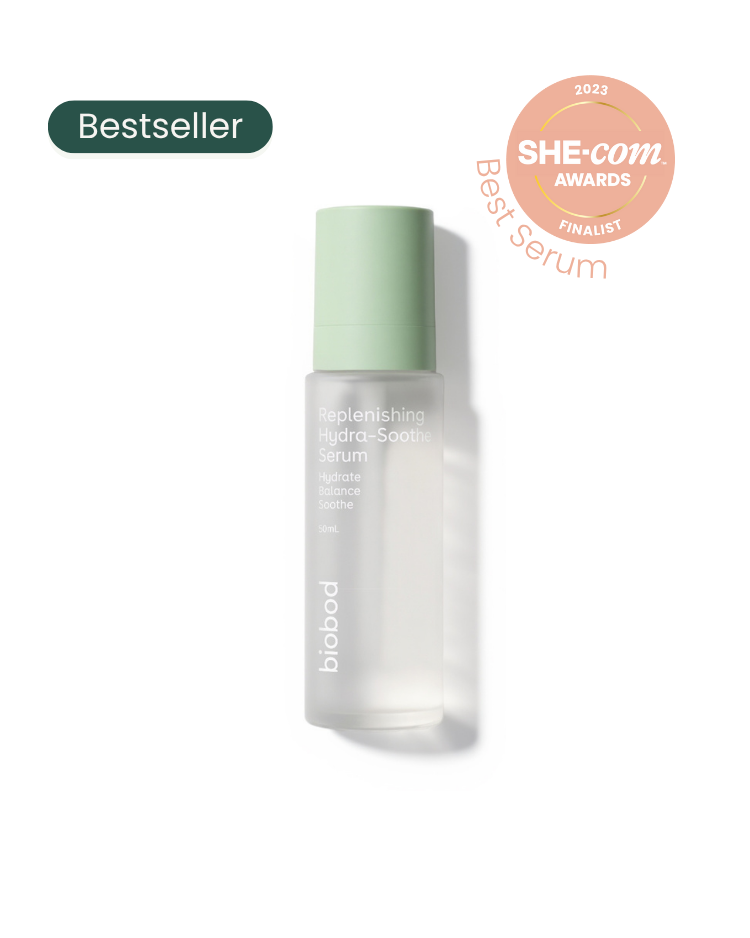
Replenishing Hydra-Soothe Serum, hydration plus microbiome support

Microbiome supporting highlights in the formula:
-
Inulin (Prebiotic) helps support a balanced skin environment
-
Lactic Acid (Postbiotic) supports gentle balance and skin comfort
Plus barrier friendly hydrators like glycerin, sodium PCA, sodium hyaluronate, betaine, and calming support from Centella and aloe.
How it feels in a routine:
- this is your daily “calm and cushion” step
- especially helpful when skin is tight, flushed, or dehydrated but sensitive
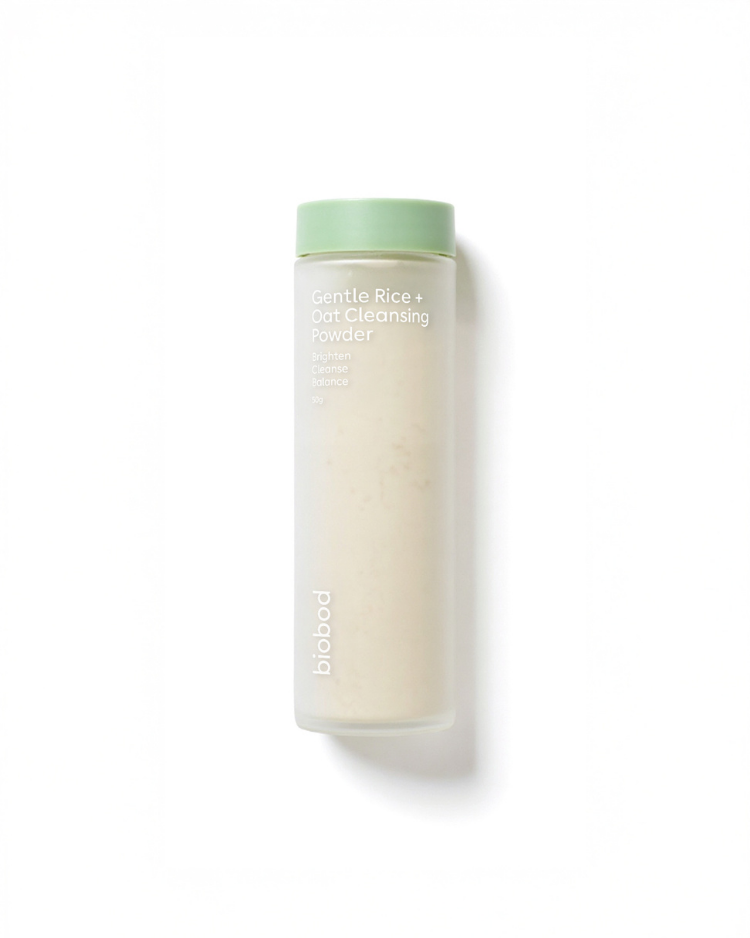
Gentle Rice & Oat Cleansing Powder, a soft reset without stripping

Microbiome supporting highlights in the formula
-
Inulin (Prebiotic) supports balance
-
Lactic Acid (Postbiotic) supports gentle resurfacing and comfort
And it is buffered by skin loving ingredients like oat kernel flour and rice bran, plus clays chosen for a soft cleanse feel.
How it supports natural probiotics for skin goals
- a gentle cleanse protects your microbiome instead of bulldozing it
- when you stop over cleansing, your skin often stops over reacting
Calming Balance Cleanse Bar, cleanse while calming the barrier

Microbiome supporting highlights in the formula
-
Lactic acid (Postbiotic) supports balance
Plus glycerin, oat flour, Centella, and licorice root to support comfort.
Why this matters:
- cleansing is where most microbiome damage happens
- a gentle cleanser is often the first step in getting sensitivity under control
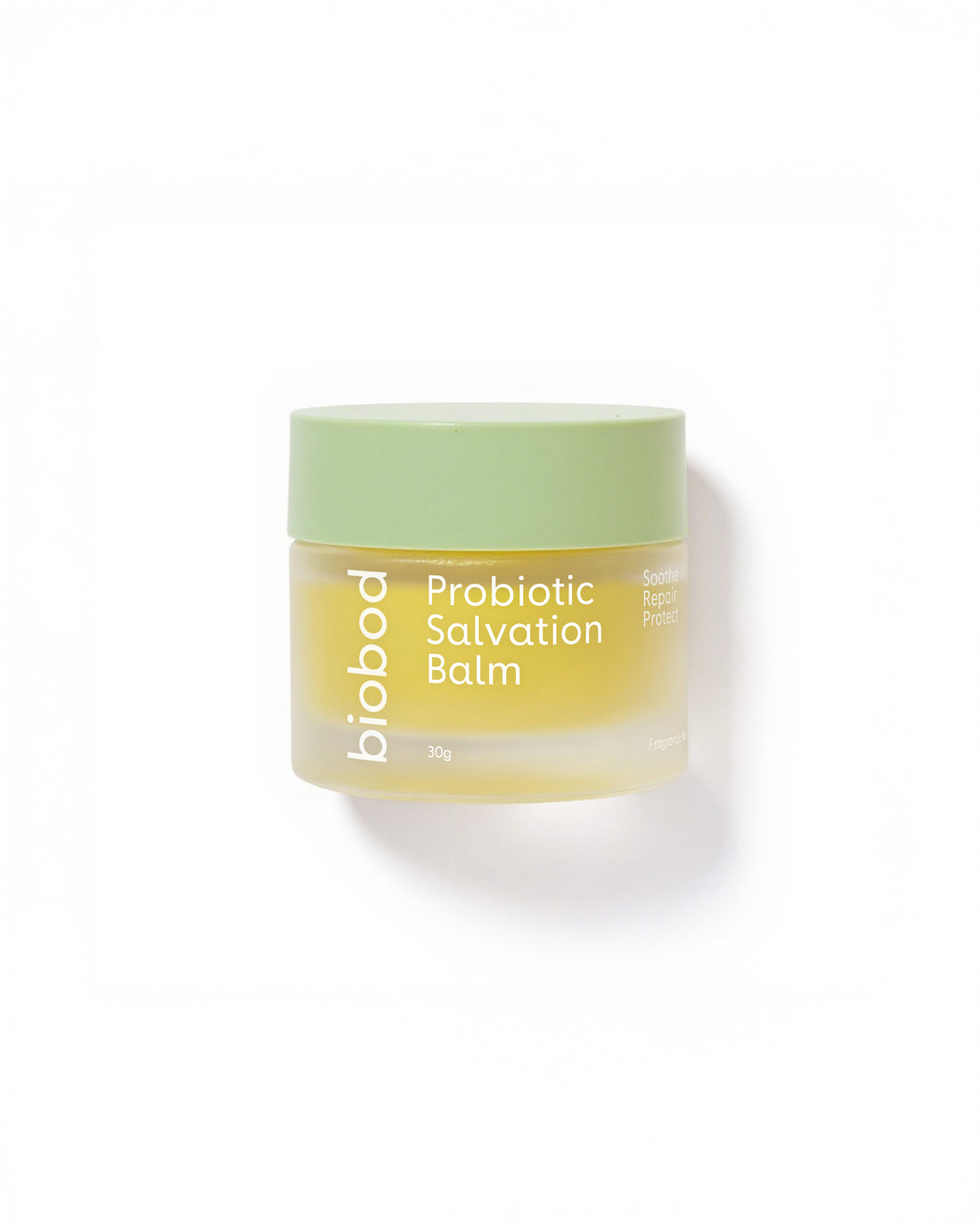
Probiotic Salvation Balm, where the probiotic ferment lives

Microbiome supporting highlights in the formula
-
Lactobacillus Ferment (Probiotic ferment) supports a healthy skin environment
-
Barrier replenishing lipids plus soothing oils help lock in comfort
This balm is designed for barrier rescue moments, flaky patches, windburn feels, or when your skin needs a protective cocoon.
Where it shines:
- last step at night to seal hydration
- spot support on reactive areas
- barrier back up during travel, weather changes, or post overdoing it
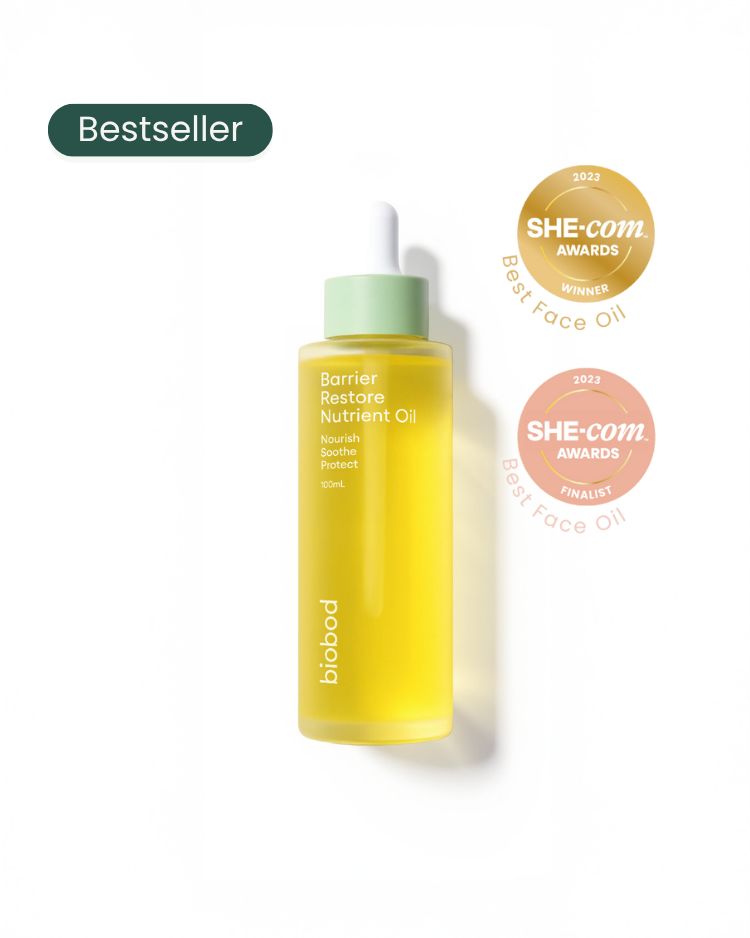
Barrier Restore Nutrient Oil, not a probiotic but microbiome friendly support

This oil does not contain probiotic ferments, prebiotics, or postbiotics. But it plays a critical role in a microbiome supportive routine because it strengthens the barrier with skin compatible lipids.
Barrier supporting highlights
- Plant based squalane for skin identical comfort
- a blend of oils that support softness and resilience
- Totarol as an antioxidant support ingredient
Why it belongs in a natural probiotics for skin routine
- when your barrier is nourished, your microbiome is more likely to stay stable
- oil over serum can reduce transepidermal water loss and support recovery
A simple Biobod routine built around natural probiotics for skin
Morning routine for calm hydrated skin
-
Cleanse gently
Choose the Gentle Rice & Oat Cleansing Powder or Calming Balance Cleanse Bar depending on your vibe and your skin that day -
Hydrate and support balance
Apply Replenishing Hydra-Soothe Serum for hydration plus prebiotic and postbiotic support -
Seal with lipids if needed
If you are dry or sensitised, apply a few drops of Barrier Restore Nutrient Oil -
Finish with sunscreen
Sunscreen is part of barrier care. Always
Night routine for repair mode
-
Gentle cleanse
Keep it simple. Your skin repairs at night, do not start the night by stripping it -
Serum
Replenishing Hydra-Soothe Serum again, consistency matters more than intensity -
Oil or balm depending on what your skin is asking for
-
oil when you want nourishment and flexibility
-
balm when you want protection and a barrier “wrap”
How long does it take to see results
With microbiome supportive skincare, the “results” often show up as fewer bad days first. Many people notice improvements in comfort within 1 to 2 weeks if they stop irritating steps and stay consistent. Visible changes like smoother texture and more even tone can take longer, often 4 to 8 weeks, especially if the barrier was significantly compromised.
If your skin is highly reactive, keep the routine minimal and repeatable. This is the Biobod way.
What to avoid if you are trying to support your skin microbiome
If your goal is natural probiotics for skin benefits, protect your progress by reducing common triggers
- too many actives at once
- aggressive exfoliation
- heavily fragranced products on sensitised skin
- constant product switching
What are natural probiotics for skin in skincare products?
Natural probiotics for skin in skincare products are ingredients like probiotic ferments, plus microbiome supporting prebiotics and postbiotics, that help the skin stay balanced and resilient. They work best when paired with gentle cleansing, consistent hydration, and barrier nourishing lipids.
FAQs, natural probiotics for skin
Are natural probiotics for skin safe for sensitive skin
Often yes, especially when the formula is designed for sensitive skin and the routine supports the barrier. Start with a simple routine and patch test if you are reactive.
What is the difference between probiotic skincare and fermented skincare?
Most “probiotic skincare” uses ferments or lysates rather than live bacteria. Fermented ingredients can offer skin supporting by products and can be gentler than harsher active heavy routines.
Do I need a probiotic product or is a prebiotic enough?
Many people do well with prebiotics and postbiotics, especially when sensitivity is the main issue. If you want a true probiotic ferment in the routine, Probiotic Salvation Balm includes Lactobacillus ferment.
Which Biobod products contain prebiotics?
Replenishing Hydra-Soothe Serum contains inulin (prebiotic) and Gentle Rice & Oat Cleansing Powder contains inulin (prebiotic).
Which Biobod products contain postbiotics?
Replenishing Hydra-Soothe Serum, Gentle Rice & Oat Cleansing Powder, and Calming Balance Cleanse Bar include lactic acid used as a postbiotic style support ingredient within gentle formulas.
Which Biobod product contains a probiotic ferment?
Probiotic Salvation Balm contains Lactobacillus ferment.
Can natural probiotics for skin help with redness?
They can help support calmer looking skin by supporting microbiome balance and barrier resilience. If redness is a major concern, also focus on barrier repair and avoid common irritants.
How do I add probiotics into my routine without irritating my skin?
Keep it simple
- gentle cleanse
- hydrating serum with microbiome support
- barrier oil or balm
Avoid layering multiple strong actives until your skin is stable again.