
What is sebum in skin is a question many people ask when trying to understand why their face sometimes appears shiny, congested or prone to visible pores. While sebum is often blamed for breakouts and oiliness, it actually plays a vital role in keeping the skin healthy.
Sebum is the skin’s natural oil, produced by tiny glands called sebaceous glands. These glands sit within the skin and release sebum through hair follicles onto the skin’s surface. This oil forms part of the skin’s protective barrier, helping maintain hydration and resilience.
When sebum production is balanced, it helps the skin stay soft, comfortable and protected. However, when the skin produces too much sebum or when oil mixes with dead skin cells inside pores, the skin may appear congested or textured.
Understanding how sebum works helps explain common concerns like sebaceous filaments, visible pores and oil imbalance. Instead of trying to eliminate sebum completely, the goal is to support healthy balance and keep pores clear with gentle care.
What Is Sebum in Skin (Quick Definition)
To define sebum, it is the natural oil produced by sebaceous glands in the skin.
Sebum helps:
- protect the skin barrier
- maintain moisture levels
- support the skin microbiome
- keep skin soft and flexible
- defend against environmental stress
Sebum is essential for healthy skin. The goal of good skincare is not to remove it completely but to keep its production balanced.
Where Sebum Comes From?
Sebum is produced in the sebaceous glands, which are attached to hair follicles within the skin. These glands exist across most of the body but are especially concentrated on the face, chest and back.
Areas with more sebaceous glands often include:
- the nose
- the forehead
- the chin
- the upper back
- the chest
This explains why the nose and forehead commonly appear shinier than other areas of the face. These zones naturally produce more oil.
Sebum travels up the follicle and spreads across the surface of the skin, helping to maintain the skin’s natural protective layer.
Why Sebum Is Important for Skin Health
Although sebum is sometimes blamed for oily skin or congestion, it plays a protective role that the skin depends on.
Sebum helps the skin by:
- preventing excessive water loss
- maintaining the acid mantle
- supporting the skin microbiome
- helping the skin stay flexible and smooth
Without enough sebum, the skin may feel dry, tight and vulnerable to irritation.
The goal of a healthy skincare routine is not to strip away oil, but to maintain balance so pores remain clear while the skin barrier stays supported.
What Are Sebaceous Filaments?
Sebaceous filaments are one of the most misunderstood features of the skin.
They are often mistaken for blackheads, but they are actually a normal part of the pore structure.
Sebaceous filaments are tiny tube-like structures that line the inside of pores. Their job is to guide sebum from the sebaceous gland to the surface of the skin.
They commonly appear on areas where sebaceous glands are most active, especially:
- the nose
- the chin
- the forehead
Sebaceous filaments usually look like small grey or beige dots inside pores. Unlike blackheads, they are not caused by clogged pores. They simply reflect the natural flow of sebum through the follicle.
How to Get Rid of Sebaceous Filaments on Nose
You cannot permanently remove sebaceous filaments because they are a natural part of the pore structure. However, you can reduce their appearance by:
- cleansing gently and consistently
- keeping pores clear of excess oil and debris
- supporting healthy skin turnover
- avoiding harsh products that trigger excess oil production
A balanced skincare routine helps pores stay clearer, which makes sebaceous filaments appear less visible.
Why Sebaceous Filaments Appear More Visible
Sebaceous filaments can become more noticeable when pores fill with excess oil and dead skin cells.
Several factors can contribute to this, including:
- excess sebum production
- inconsistent cleansing
- buildup of dead skin cells
- dehydration that causes pores to appear larger
Harsh skincare can also make sebaceous filaments appear more prominent. When the skin is stripped of oil, sebaceous glands may compensate by producing more sebum.
This is why gentle cleansing is often the most effective approach.
The Best Cleanser for Sebaceous Filaments
One of the most important steps in a sebaceous filaments skin care routine is cleansing.
The best cleanser for sebaceous filaments should:
- remove excess oil without stripping the skin
- support the skin barrier
- keep pores clear of debris
- respect the skin’s natural pH
A harsh cleanser can disrupt the skin barrier, which may actually increase oil production.
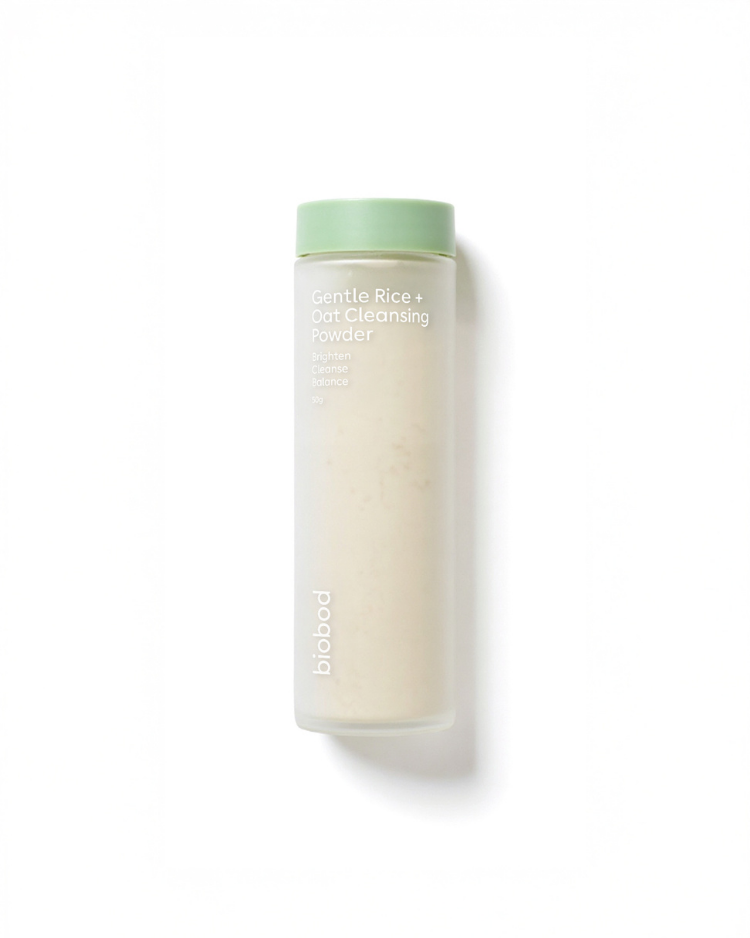
The Gentle Rice & Oat Cleansing Powder is an excellent choice for maintaining this balance. This soft powder cleanser activates with water to create a gentle cleansing paste that removes impurities while respecting the skin barrier.
Its ingredients work together to support clear, calm skin.
Key ingredients include:
- Oat kernel flour, known for its soothing properties
- Rice powder, which helps gently refine the skin
- Kaolin and illite clay, which help absorb excess oil
- Inulin, a prebiotic that supports the skin microbiome
- Willow bark extract, which helps maintain clearer pores
This type of cleanser helps reduce buildup while keeping the skin comfortable and balanced.

Supporting Pore Health Without Stripping the Skin
Many people try to eliminate sebaceous filaments with aggressive exfoliation or strong treatments. While these methods may temporarily reduce their appearance, they can disrupt the skin barrier and trigger more oil production.
Supporting pore health often works best with gentle consistency.
A cleanser like Gentle Rice & Oat Cleansing Powder
helps cleanse the skin without leaving it tight or dry. This bar cleanser contains soothing ingredients like oat kernel flour, centella asiatica and licorice root extract to maintain comfort while removing impurities.
Because it respects the skin’s natural balance, it supports pores without overstimulating oil production.
Sebum, Skin Balance and the Microbiome
Sebum also plays a role in supporting the skin microbiome, which is the community of beneficial microorganisms that live on the skin.
This ecosystem helps protect the skin from harmful bacteria and supports barrier health.
When the skin barrier is stripped repeatedly, the microbiome can become disrupted. This may contribute to inflammation, breakouts or sensitivity.
Sebum helps maintain the slightly acidic environment that the microbiome relies on.
For a deeper look at how this ecosystem works, the Biobod Journal article Why Your Skin Barrier Is the Foundation of Healthy Skin explores how maintaining this balance supports healthier skin.
Best Products for Sebaceous Filaments
When choosing the best products for sebaceous filaments, focus on formulas that support balance rather than aggressively targeting oil.
Helpful product qualities include:
- gentle cleansing ingredients
- soothing botanicals
- microbiome-supportive ingredients
- mild exfoliation
- balanced hydration
Products designed to calm and maintain the skin barrier help prevent the cycle of stripping and overproduction that often worsens pore congestion.

Sebum and Sebaceous Filaments Explained
Sebum is the natural oil produced by sebaceous glands in the skin. It helps protect the skin barrier, maintain hydration and support the skin microbiome.
Sebaceous filaments are natural structures inside pores that help move sebum to the skin’s surface. They often appear on the nose and forehead but are not the same as blackheads.
While they cannot be permanently removed, their appearance can be reduced through gentle cleansing, balanced skincare and consistent routines.
FAQ: What Is Sebum in Skin
What is sebum in skin?
Sebum is the natural oil produced by sebaceous glands that helps protect the skin, maintain hydration and support the skin barrier.
How do you define sebum?
Sebum is a mixture of lipids released through hair follicles onto the skin surface to keep the skin moisturised and protected.
Are sebaceous filaments the same as blackheads?
No. Sebaceous filaments are natural structures inside pores that help transport sebum, while blackheads are clogged pores containing oxidised oil and debris.
How do you get rid of sebaceous filaments on the nose?
Sebaceous filaments cannot be permanently removed, but their appearance can be reduced through consistent gentle cleansing and balanced skincare.
What is the best cleanser for sebaceous filaments?
A gentle cleanser that removes excess oil without stripping the skin is best. Powder cleansers and mild cleansing bars can help maintain clearer pores while protecting the skin barrier.