
When does adult acne stop? For many people, it does not “switch off” at one magic age, it gradually improves when the drivers behind breakouts settle and your routine supports the skin barrier, microbiome, and inflammation.
If you are an adult with acne, you are not behind, broken, or doing anything wrong. Adult onset acne is common, especially through your 20s, 30s, and 40s, and it can flare during stress, hormonal shifts, lifestyle changes, or when the skin barrier is compromised. The good news is that adult acne is highly manageable when you start supporting it.
When does adult acne stop?
Adult acne can improve at any age, but it often settles when hormones stabilise, inflammation reduces, and the skin barrier becomes stronger and more resilient. For many, breakouts lessen in the late 20s to early 30s, but adult onset acne can continue into the 40s and beyond, especially if hormonal, stress, or barrier triggers remain.
Average age to grow out of acne
There is no single “average age to grow out of acne” that fits everyone. Teen acne often improves after adolescence, but adults with acne may still experience ongoing or cyclic breakouts due to hormones, stress, friction, skincare irritation, or underlying health factors.
If you have been waiting for a birthday to fix your skin, this is your permission to stop waiting. You can change the trajectory now, gently.
Adult acne vs teen acne
Teen acne is often driven by puberty related oil changes and clogged pores, commonly across the forehead, nose, and upper face. Adult onset acne can be more inflammatory, more sensitive to stress and hormones, and more likely to show up along the jawline, chin, neck, and cheeks.
Adults with acne also tend to juggle extra layers:
- dehydration plus oiliness
- sensitivity plus congestion
- signs of barrier stress like stinging, redness, tightness
- slower healing and post breakout marks
This is why “just use something stronger” often backfires. Adult skin usually needs smarter, calmer support.
Why am I breaking out on my cheeks?
Cheek breakouts are incredibly common in adults, and they are not always about “dirty skin.” The cheeks sit right in the zone where lifestyle, friction, and inflammation collide.
The most common causes of cheek acne in adults:
- Friction and occlusion: masks, scarves, helmet straps, phone screens, hands resting on your face
- Pillowcases and hair products: oils, styling residue, dry shampoo, fragrance
- Barrier disruption: over exfoliation, strong actives layered too often, harsh cleansers
- Microbiome imbalance: frequent stripping can disrupt the skin’s protective ecosystem
- Stress and cortisol: inflammation rises, healing slows, cravings change, sleep drops
- Hormonal shifts: cycles, stopping or starting contraception, postpartum changes, perimenopause
- Cosmetic triggers: heavy makeup, comedogenic ingredients for your skin type, poor removal
- Gut and systemic factors: for some people, underlying conditions can play a role
Cheek acne is often a message, not a moral failing. The goal is to reduce friction, calm inflammation, and rebuild resilience.
Adult onset acne, what actually triggers it
Adult onset acne is acne that begins after your teen years, sometimes with no acne history at all. Triggers tend to stack, and the skin reaches a tipping point.
Common adult onset acne triggers:
- hormonal fluctuations and androgen sensitivity
- chronic stress and poor sleep
- new skincare routines with too many actives at once
- impaired skin barrier and increased sensitivity
- inflammation from diet changes or lifestyle shifts
- medication changes
- environmental factors like humidity, sweat, and pollution
If your skin changed “out of nowhere,” it usually was not out of nowhere, it was a build up.
The barrier connection, why your skin can break out and feel dry at the same time
One of the biggest misconceptions is that acne is only an oil problem. In reality, acne often thrives in a stressed environment.
When the skin barrier is compromised, you can get
-
increased water loss and dehydration
-
micro inflammation and redness
-
sensitivity to products you used to tolerate
-
more congestion because skin is trying to protect itself
-
slower repair after breakouts
If you want a deeper read on this connection, read our Journal entry: Can Damaged Skin Barrier Cause Acne?
How long does adult acne last, and what affects the timeline
Adult acne can be episodic, cyclical, or persistent. Your timeline depends on what is driving it.
Adult acne may improve faster when:
- the routine is simplified and consistent
- barrier repair is prioritised
- irritation triggers are removed
- friction is reduced
- stress and sleep are supported
- breakouts are treated early and gently
Adult acne may linger longer when:
- strong actives are overused and the skin stays inflamed
- harsh cleansing strips the barrier daily
- products are switched constantly
- hormonal acne is untreated
- picking and squeezing delays healing and spreads inflammation
A realistic skin timeline is 6 to 12 weeks to see meaningful change, because you need multiple skin cycles and time for inflammation to settle.
A calm routine for adults with acne, without punishing your skin
If your skin is breaking out and reactive, the most powerful move is to reduce noise.
Step 1 Cleanse gently, consistently
Choose a cleanser that removes sweat, sunscreen, and makeup without leaving the skin tight. Tightness is not “clean,” it is barrier stress.
Night cleansing matters most. In the morning, a gentle cleanse or water rinse can be enough for many sensitive skins.
Step 2 Hydrate
Dehydration can increase oil compensation and slow healing. Hydration also supports barrier enzymes and keeps skin more resilient.
Step 3 Nourish and protect the barrier
Barrier support is acne support. When the barrier is stronger, skin is less reactive, inflammation reduces, and breakouts heal more cleanly.
Step 4 Spot treat carefully
If you use actives, introduce one at a time and use them less often than you think. Adult skin usually responds best to consistency, not intensity.
Step 5 Sunscreen daily
Post breakout marks and redness linger longer without UV protection. Mineral sunscreen is part of healing.
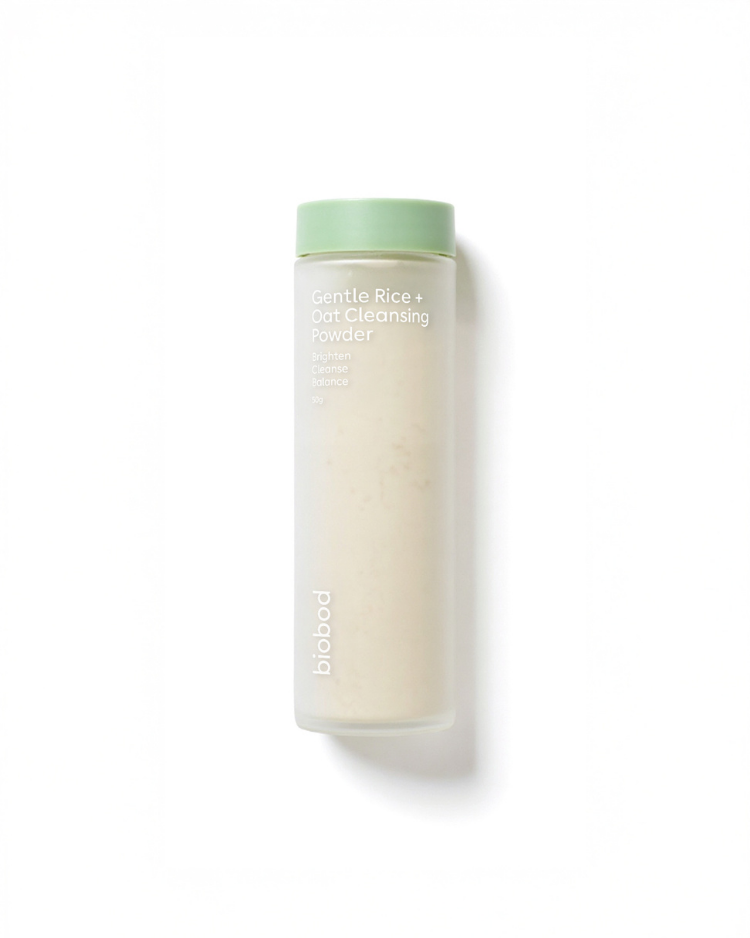
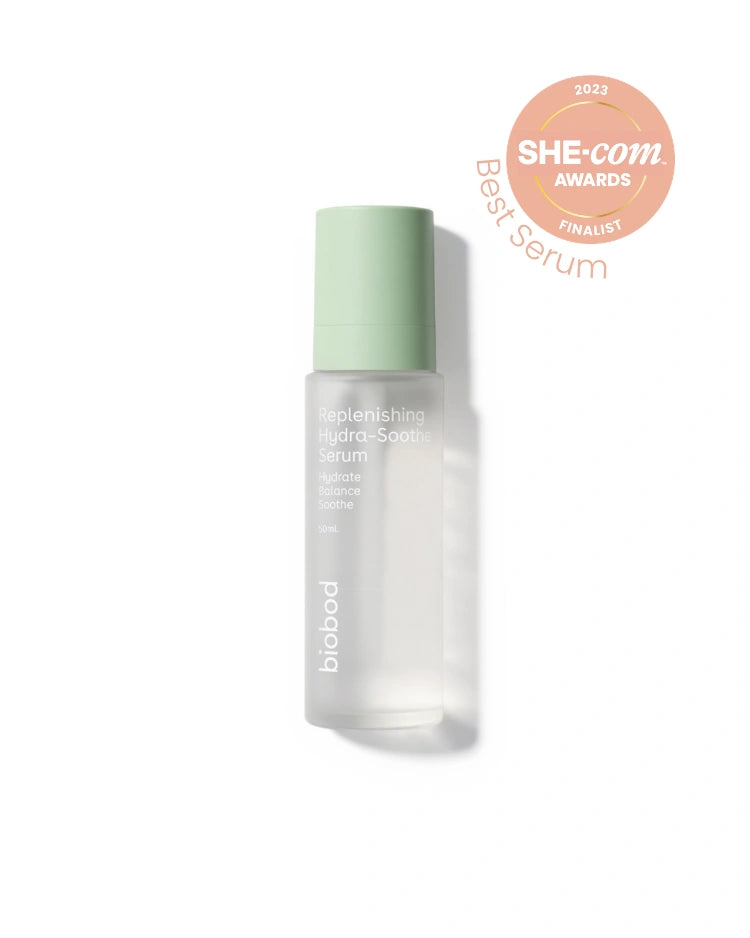
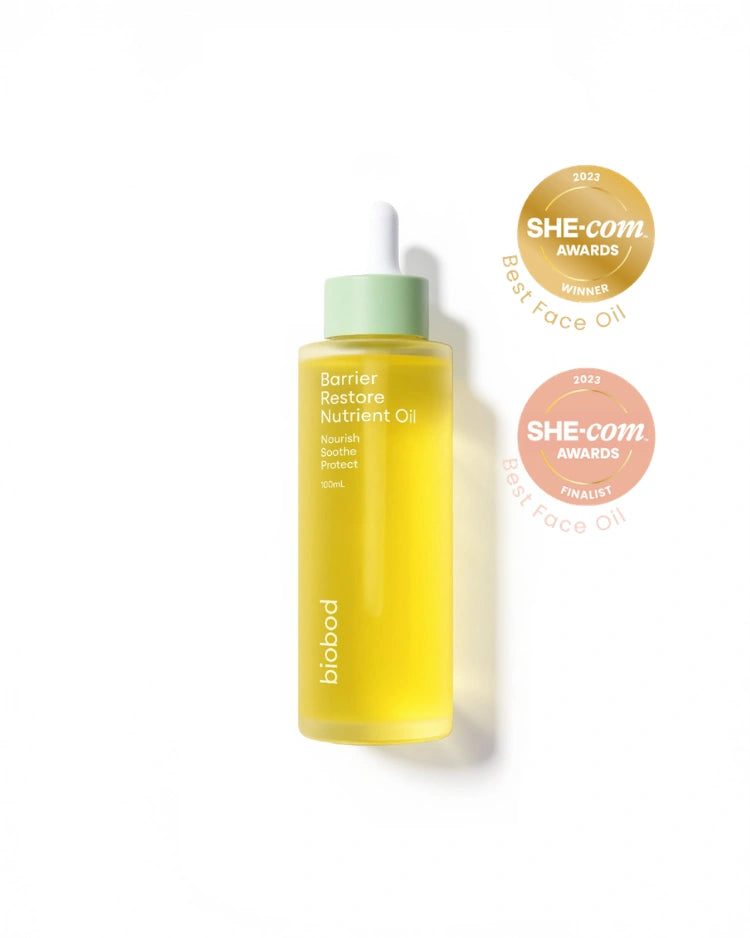
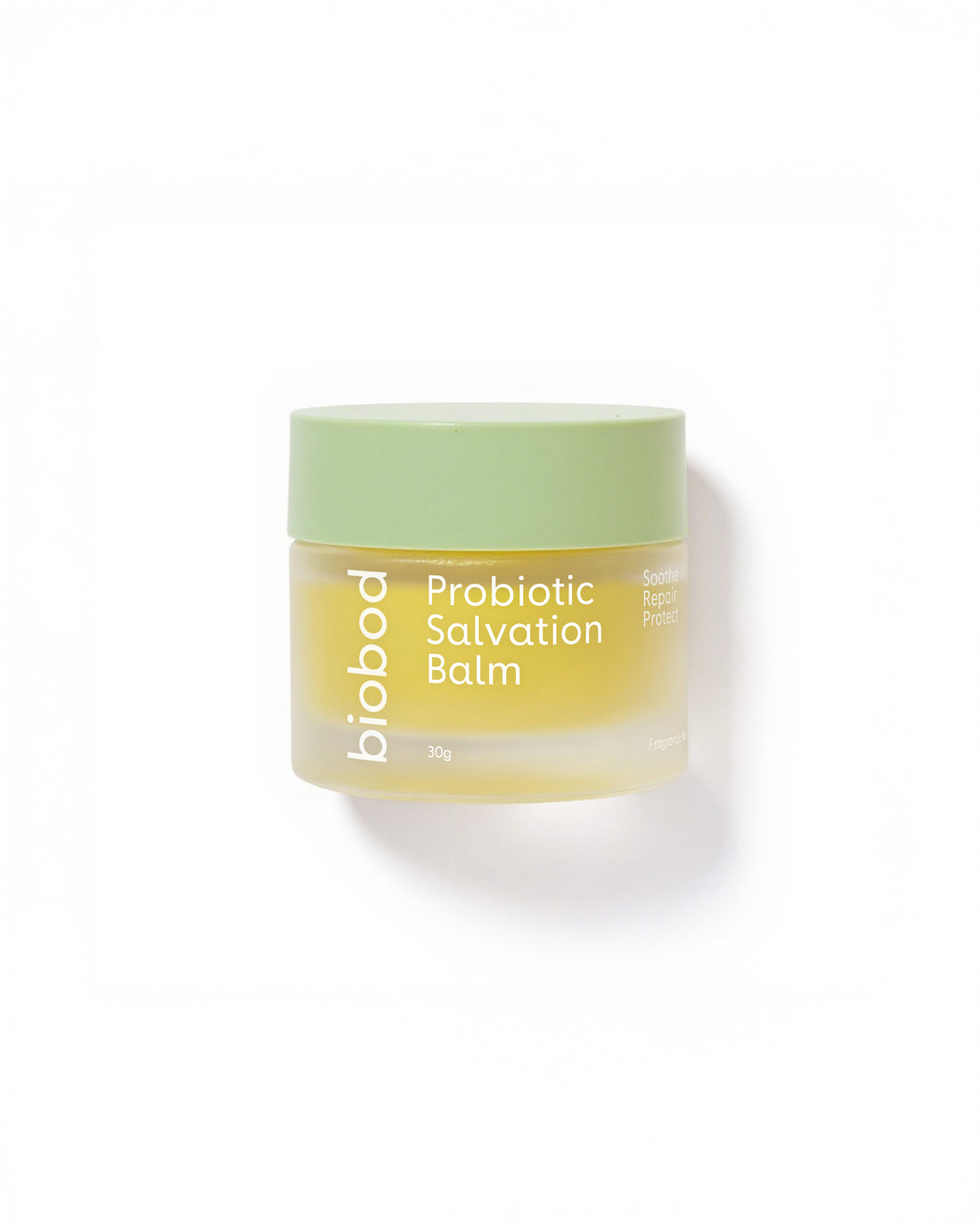
Skin Reset System: Brighten, Hydrate and Nourish
When your skin is stuck in the breakout cycle, it often needs a reset, not a war. That is where Biobod’s Skin Reset System: Brighten, Hydrate & Nourish fits beautifully into an acne prone routine because it supports the foundations that help skin behave better over time hydration, barrier strength, and calm

Why it works for adult acne and teen acne support
- Helps reduce the look of inflammation over time by supporting calmer skin function
- Supports the skin barrier so you are less likely to react, sting, or overproduce oil from dehydration
- Improves overall skin health which is what makes breakouts less frequent and easier to recover from
- Encourages consistency which is the quiet superpower for adults with acne
If you are dealing with cheek breakouts, pair your routine with lifestyle tweaks too
- change pillowcase 2 to 3 times a week
- keep hair products off the cheek area
- clean your phone screen
- avoid resting your face on your hands
- remove makeup thoroughly, especially along the cheeks and jawline
What to do if your acne is mostly on the cheeks
Because the cheeks are often impacted by friction and products, you can see big wins with small changes.
A cheek breakout reset checklist:
- pause exfoliating acids for 2 weeks if skin is stinging or tight
- simplify to cleanse, hydrate, nourish, sunscreen
- avoid heavy occlusive layers on the cheeks if congestion is active
- clean makeup brushes weekly
- choose fragrance free, skin friendly basics if you are reactive
- keep spot treatments only on the breakout, not spread across the whole cheek
What is the average age to grow out of acne?
Many people see teen acne improve by their early 20s, but adults with acne can experience breakouts well into their 30s and 40s. The “average age to grow out of acne” varies because hormones, stress, and barrier health vary.
Why am I breaking out on my cheeks as an adult?
Cheek breakouts are often linked to friction, mask or phone contact, pillowcases, hair products, barrier disruption, or hormonal inflammation. A simplified barrier supporting routine often helps.
Can adult acne stop on its own?
Sometimes adult acne reduces as life stages change, but it often improves faster with consistent gentle care, reduced irritation, and addressing hormonal or lifestyle triggers.
Is adult onset acne usually hormonal?
Often, yes, but not always. Adult onset acne can be hormonal, stress related, friction related, or triggered by irritation and barrier breakdown. Many people have a mix.
How long should I give a new routine before changing it?
Aim for 6 to 12 weeks, unless you are reacting badly. Skin needs time to stabilise, especially when inflammation is involved.
When to see a GP or dermatologist
Supportive skincare is powerful, but you deserve medical support too.
Consider professional advice if
- acne is painful, cystic, or scarring
- breakouts are sudden and severe
- periods are irregular or you suspect hormonal imbalance
- you have tried a consistent routine for 12 weeks with little improvement
- acne is impacting your mental health
You are allowed to ask for help. Skincare is part of the plan, not the entire burden.
The Biobod way forward, calmer skin over perfect skin
If you have been asking when does adult acne stop because you are exhausted, we get it. Adult acne is not just a skin concern, it is a confidence and nervous system concern too.
The goal is not to strip, scrub, and punish your skin into silence. The goal is to create an environment where skin feels safe enough to settle
a supported barrier, a hydrated surface, a calmer microbiome, and a routine that you can stick to.
Start with consistency, reduce the triggers you can control, and let your skin recalibrate. That is how adult acne usually fades, not overnight, but steadily.
And if you want one simple place to start, the Skin Reset System: Brighten, Hydrate & Nourish is designed to support the foundations of healthier skin while you work on the bigger picture