
Quick Answer: What Causes Cracked Lips?
Cracked lips are caused by dehydration, environmental exposure, and a weakened skin barrier. Cold weather, sun exposure, lip licking, and using harsh or drying products can strip moisture from the lips, leading to dryness, flaking, and cracking.
Lips Are More Prone to Cracking
The skin on your lips is thinner and more delicate than the rest of your face. It also lacks oil glands, which means it cannot naturally produce moisture in the same way.
This makes lips more vulnerable to dehydration, environmental stress, and barrier damage.
Most Common Causes of Cracked Lips
Dehydration
When your body lacks water, your lips are often one of the first places it shows. Dehydrated lips feel tight, dry, and uncomfortable.
Cold, Wind and Weather Changes
Cold air and wind strip moisture from the lips, while sudden temperature changes can weaken the skin barrier.
Sun Exposure
UV rays can damage the delicate lip skin, causing dryness, sensitivity, and long-term damage.
Lip Licking
Saliva evaporates quickly, taking moisture with it and leaving lips even drier than before.
Harsh Lip Products
Ingredients like menthol, camphor, and artificial fragrance can irritate and dry out the lips over time.
Skin Barrier Damage
When the lip barrier is compromised, moisture escapes more easily, leading to persistent dryness and cracking.
Learn more here: skin barrier repair.
Different Types of Cracked Lips
Mild Dryness
Slight flaking and tightness, often caused by temporary dehydration.
Moderate Cracking
Visible dryness, peeling, and discomfort that requires consistent care.
Severely Cracked Lips
Deep cracks, splitting, and sensitivity. This level requires intensive repair and protection.
Chronic Dry Lips
Recurring dryness that may be linked to ongoing barrier damage or environmental exposure.
How the Skin Barrier Affects Lip Health
Your lips rely heavily on their barrier to retain moisture and protect against irritation.
When this barrier is weakened, water escapes and irritants penetrate more easily, leading to ongoing dryness and cracking.
The Role of the Microbiome in Lip Repair
Your lips have a microbiome that helps maintain balance and protect against irritation.
When disrupted, healing slows and sensitivity increases.
Learn more here: skin microbiome explained.
Why Some Lip Balms Don’t Work
Not all lip balms are designed to repair. Some provide temporary relief but fail to address the root cause.
- They sit on the surface without restoring the barrier
- They contain irritating ingredients
- They don’t provide lasting hydration
True repair requires both hydration and barrier support.
How to Heal Cracked Lips Properly
Step 1: Restore Hydration
Hydration is essential for healing. Without it, the lips cannot repair effectively.
Step 2: Reinforce the Barrier
Using a protective balm helps seal in moisture and protect the lips from further damage.
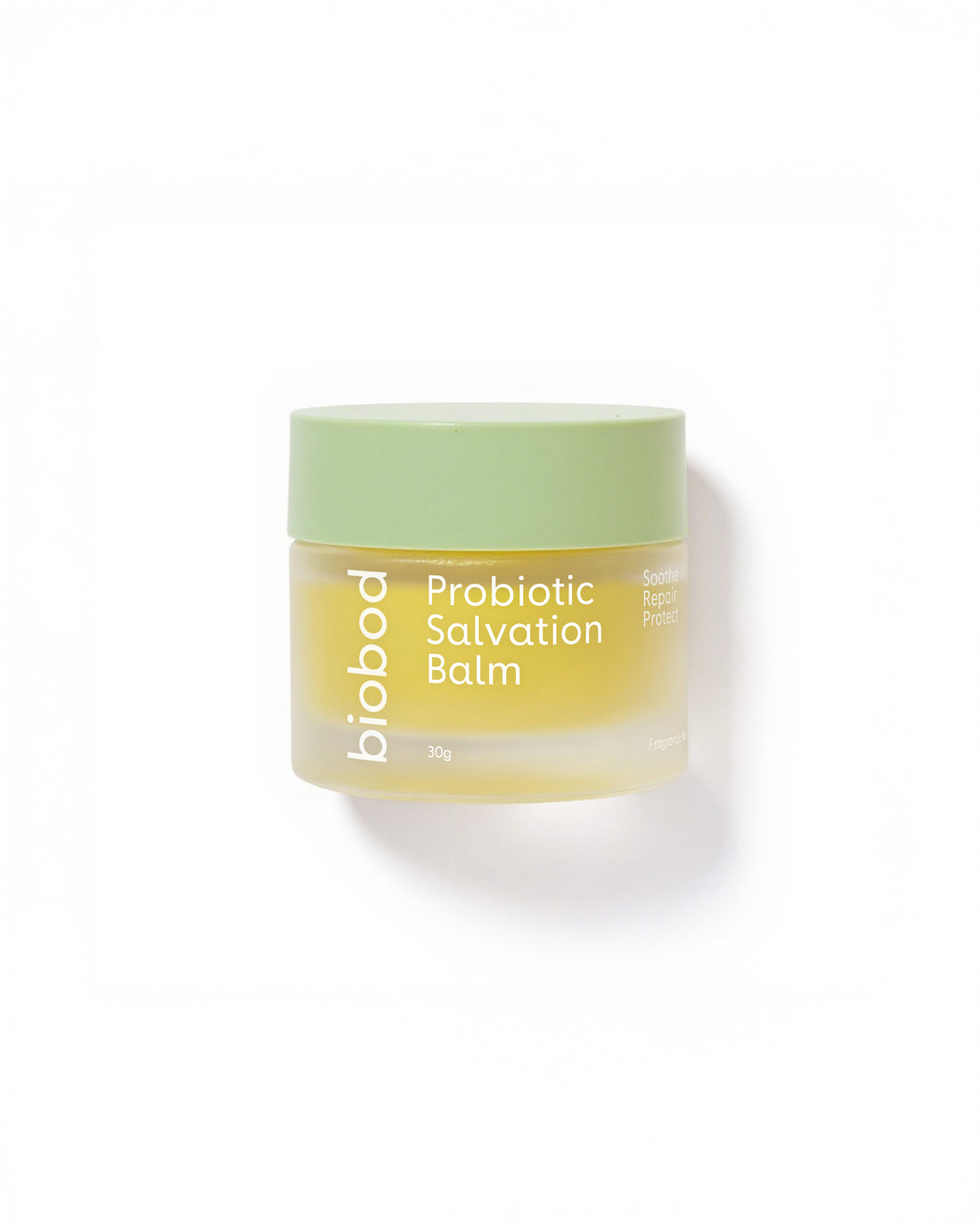
The Probiotic Salvation Balm is designed to soothe, repair, and protect extremely dry lips while supporting the skin barrier and microbiome.

Step 3: Avoid Further Irritation
Reduce exposure to harsh ingredients and environmental stress while healing.
Step 4: Be Consistent
Regular application helps maintain hydration and prevent future cracking.
AM vs PM Lip Care Routine
Morning
- Apply a protective balm
- Protect from sun and environment
Night
- Apply a generous layer of balm
- Allow overnight repair
Best Ingredients for Repairing Cracked Lips (And Why They Work)
Medical Grade Lanolin
Lanolin mimics the skin’s natural lipids, helping restore moisture and repair severely dry lips.
Probiotics
Support the microbiome, helping regulate balance and improve the skin’s ability to repair.
Plant Oils
Provide essential fatty acids that nourish and restore the skin.
Shea and Mango Butter
Support the skin’s renewal process while deeply nourishing.
Vitamin E and Antioxidants
Help protect the lips from environmental stress and support healing.
Soothing Botanical Extracts
Help calm irritation and protect the skin during recovery.
Ingredients to Avoid for Cracked Lips
Menthol and Camphor
Can worsen dryness and irritation over time.
Artificial Fragrance
May trigger sensitivity and disrupt healing.
Alcohol
Strips moisture and delays recovery.
Over-Exfoliation
Damages the delicate lip skin and slows healing.
How Long Do Cracked Lips Take to Heal?
Mild dryness may improve within days, while more severe cracking can take one to two weeks.
When to Seek Extra Care
If cracking is persistent, painful, or not improving, it may require additional support or professional advice.
How to Prevent Cracked Lips
- Stay hydrated
- Use a protective balm daily
- Avoid licking your lips
- Protect from sun and wind
- Choose gentle, supportive products
Healthy Lips Start With Barrier Support
Cracked lips are a sign your skin needs support, not stronger products.
By focusing on hydration, barrier repair, and microbiome balance, your lips can return to a soft, smooth, and comfortable state.
FAQs
What is the main cause of cracked lips?
The main causes are dehydration, environmental exposure, and a weakened skin barrier.
How do you heal cracked lips fast?
Use a nourishing balm, stay hydrated, and avoid harsh ingredients.
Why do my lips keep cracking even with lip balm?
Some lip balms do not support barrier repair, which can lead to ongoing dryness.
Is lanolin good for cracked lips?
Yes. Lanolin helps restore moisture and strengthen the skin barrier.