
Dry Patches on Face How to Get Rid Of: The Gentle Guide to Soft, Hydrated Skin
Dry patches on face how to get rid of them is one of the most common skincare questions people ask when their skin suddenly feels rough, flaky, tight or uncomfortable.
One day your skin seems perfectly fine. The next, you're noticing rough areas around your nose, cheeks, chin or forehead that won't disappear no matter how much moisturiser you apply.
If this sounds familiar, you're not alone.
Dry patches are often your skin's way of asking for support. They can be a sign that your skin barrier needs attention, your skin is dehydrated, or your current routine is doing more harm than good.
The good news is that most dry patches can be improved with a few simple changes and the right barrier-supportive skincare.
At Biobod, we believe healthy skin starts with healthy foundations. Rather than aggressively treating dry skin, we focus on supporting the skin barrier and microbiome so skin can function the way nature intended.
What Causes Dry Patches On The Face?
Dry patches develop when the skin struggles to hold onto moisture.
This often happens when the skin barrier becomes compromised, allowing water to escape more easily.
Common causes include:
- Cold or windy weather
- Over-cleansing
- Harsh skincare products
- Over-exfoliation
- Hot showers
- Dehydration
- Stress
- Ageing skin
- Eczema or dermatitis
- Compromised skin barrier function
Many people assume dry patches mean they need stronger moisturisers, but often the real issue is barrier damage and dehydration beneath the surface.
Quick Answer: How Do You Get Rid Of Dry Patches On Your Face?
To get rid of dry patches on your face, focus on restoring hydration and repairing your skin barrier.
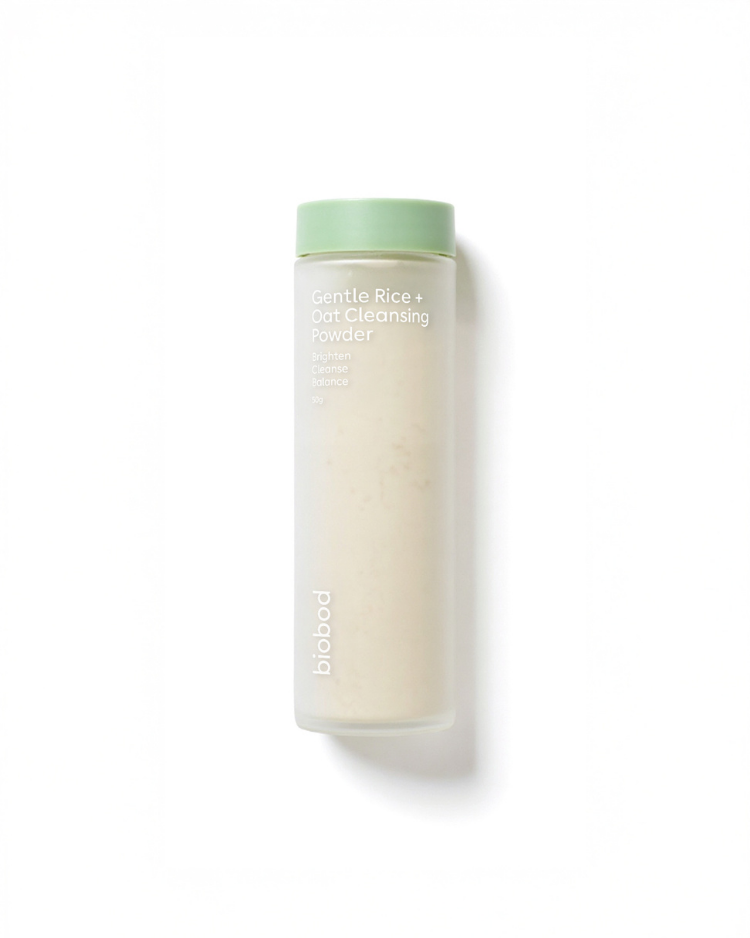
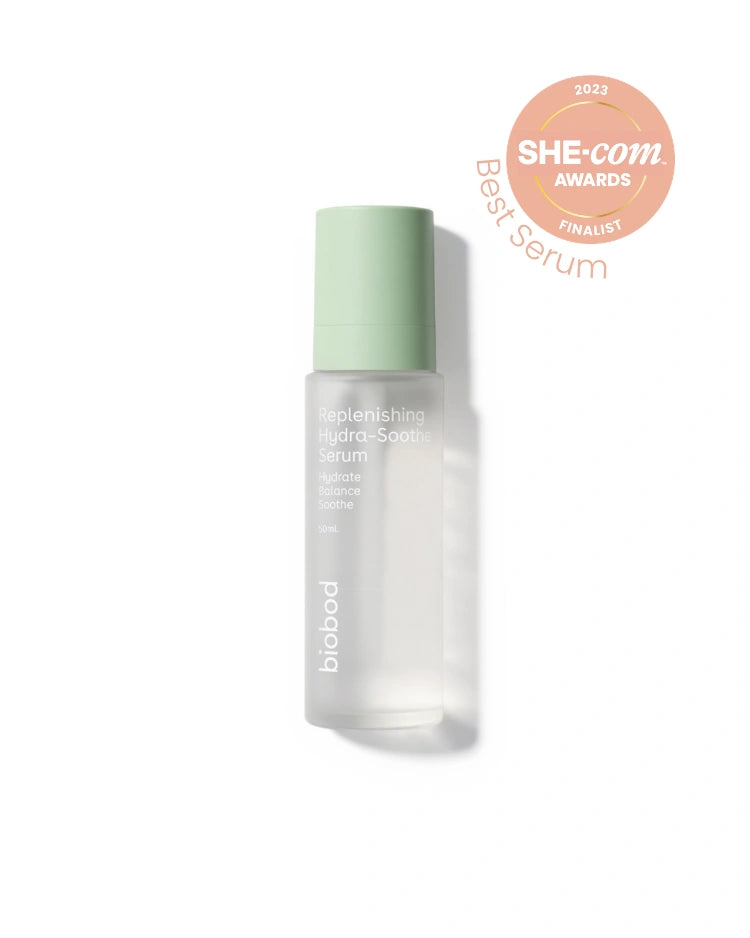
Use a gentle cleanser like Gentle Rice & Oat Cleansing Powder ,apply a hydrating serum like Replenishing Hydra-Soothe Serum, nourish the skin with barrier-supportive oils and avoid over-exfoliating. Consistent barrier care often leads to smoother, softer skin within several weeks.
What Do Dry Patches On The Face Look Like?
Dry patches can appear differently depending on your skin type and the underlying cause.
You may notice:
- Flaky skin
- Rough texture
- Tightness
- Small areas of peeling
- Redness
- Itchiness
- Skin that feels uncomfortable after cleansing
- Makeup sitting unevenly on the skin
In sensitive skin, dry patches often appear alongside irritation and redness.
Moisturiser Alone Often Doesn't Fix Dry Patches
This is one of the biggest skincare misconceptions.
If your skin barrier is damaged, applying heavier moisturisers alone may not solve the problem.
Think of it like pouring water into a bucket with holes in the bottom.
Until the barrier is repaired, your skin may continue losing hydration.
That's why Biobod takes a barrier-first approach to skin health.
How To Hydrate Dry Skin Properly
Hydrating dry skin is about more than simply adding moisture.
You need to support your skin at every stage of your routine.
Step 1: Stop Stripping Your Skin
Many cleansers remove more than dirt and oil. They can also strip away the lipids that help maintain a healthy skin barrier.
If your skin feels tight after cleansing, your cleanser may be too harsh.

Biobod's Gentle Rice & Oat Cleansing Powder was created specifically for sensitive and dry skin.
Unlike harsh cleansers, it gently removes impurities while respecting your skin barrier and microbiome.
Featuring soothing oats and nourishing rice powder, it leaves skin feeling comfortable rather than stripped.
Shop Gentle Rice & Oat Cleansing Powder
Step 2: Replenish Lost Hydration
Dry skin is often dehydrated skin.
Adding lightweight hydration helps create the ideal environment for skin repair.

Biobod's Replenishing Hydra-Soothe Serum delivers deep hydration while helping calm skin that feels stressed, reactive or uncomfortable.
Powered by The Biome Advantage™, it supports microbiome balance while helping strengthen the skin barrier.
The lightweight formula absorbs beautifully without feeling heavy or greasy.
Shop Replenishing Hydra-Soothe Serum
Step 3: Lock In Moisture
Once hydration has been restored, it's important to help prevent moisture loss.
This is where nourishing oils can play an important role.

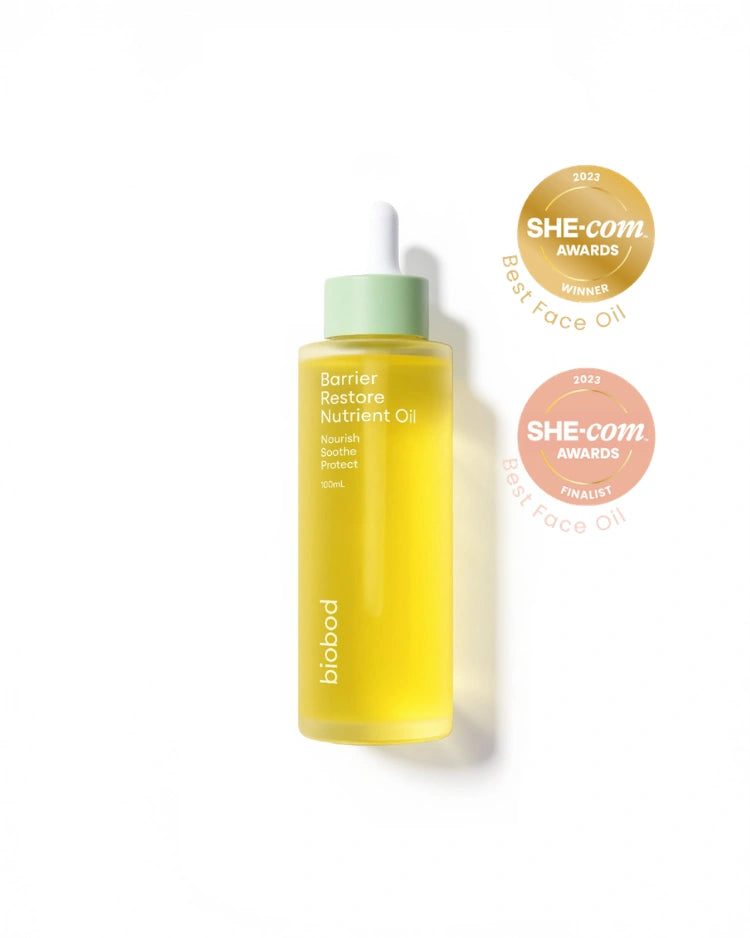
Biobod's Barrier Restore Nutrient Oil was specifically formulated to support compromised skin barriers.
Featuring sugarcane-derived squalane, jojoba oil, oat kernel oil and grape seed oil, it replenishes essential lipids while supporting long-term skin resilience.
For many customers, this is the product that transforms dry, flaky skin into soft, comfortable skin.
Shop Barrier Restore Nutrient Oil
How The Skin Barrier Influences Dry Patches
Your skin barrier acts like a protective shield.
When healthy, it keeps moisture in and irritants out.
When damaged, water escapes more easily, leading to dehydration, dryness and sensitivity.
This is why repairing the skin barrier is one of the most effective ways to reduce dry patches.
At Biobod, barrier health sits at the centre of every formulation.
The Microbiome Connection Most People Miss
Another reason dry patches persist is an imbalanced skin microbiome.
Your microbiome is the ecosystem of beneficial microorganisms that live on the skin's surface.
When balanced, it helps support skin barrier function, hydration and resilience.
When disrupted, skin may become more reactive and prone to dryness.
Biobod's formulations are powered by The Biome Advantage™, a science-backed system designed to:
- Support microbiome balance
- Restore skin barrier function
- Calm sensitivity
- Strengthen skin resilience
Can Weather Cause Dry Patches?
Absolutely.
Australian winters can be particularly challenging for dry skin.
Cold air, indoor heating and lower humidity levels all contribute to moisture loss.
This is why many people notice dry patches worsening during winter.
Increasing hydration and supporting barrier function becomes especially important during colder months.
How Long Does It Take To Get Rid Of Dry Patches?
Every skin journey is different.
For mild dryness, improvements may be noticeable within a few days.
If barrier damage is contributing to the problem, it may take several weeks of consistent care before significant improvements are visible.
The key is consistency rather than constantly changing products.
Ingredients That Help Dry Patches Heal
If you're searching for products that help dry patches disappear, look for ingredients such as:
- Squalane
- Jojoba oil
- Oat kernel oil
- Centella Asiatica
- Hyaluronic acid
- Colloidal oats
- Prebiotics
- Probiotics
- Postbiotics
These ingredients support hydration, barrier recovery and long-term skin comfort.
What To Avoid If You Have Dry Patches
While your skin is recovering, consider avoiding:
- Physical scrubs
- Strong exfoliating acids
- Foaming cleansers
- Highly fragranced skincare
- Over-cleansing
- Very hot water
Gentle skincare almost always wins when it comes to dry, compromised skin.
A Simple Dry Skin Routine That Works
Morning
- Gentle Rice & Oat Cleansing Powder
- Replenishing Hydra-Soothe Serum
- Barrier Restore Nutrient Oil
- Mineral sunscreen
Evening
- Gentle Rice & Oat Cleansing Powder
- Replenishing Hydra-Soothe Serum
- Barrier Restore Nutrient Oil
This simple routine supports hydration, barrier health and microbiome balance without overwhelming sensitive skin.
If you've been searching for dry patches on face how to get rid of them, the answer often isn't stronger products. It's gentler, smarter skincare that supports your skin's natural ability to heal.
By focusing on hydration, microbiome balance and barrier repair, you can help transform rough, flaky skin into skin that feels calm, comfortable and healthy again.
Biobod's Gentle Rice & Oat Cleansing Powder, Replenishing Hydra-Soothe Serum and Barrier Restore Nutrient Oil were all created with this philosophy in mind.
Because when you support your skin's foundations, healthy skin naturally follows.