
Oily vs combination skin is one of the most searched skincare questions, especially when your face feels shiny in some areas, congested in others and not quite easy to define. If you’re unsure whether your skin is oily or combination, the difference comes down to where oil appears on your face and how your skin behaves throughout the day.
Many people assume breakouts automatically mean oily skin, but skin type is more nuanced than that. Acne can exist in oily, combination, sensitive and even dehydrated skin, especially when the skin barrier is disrupted.
Understanding your skin properly allows you to support it, rather than overcorrect it.
What is the difference between oily and combination skin?
Oily skin produces excess oil across the entire face, including the cheeks, forehead, nose and chin.
Combination skin produces oil mainly in the T-zone (forehead, nose and chin), while the cheeks may feel normal, dry or sensitive.
Oily vs Combination Skin: Key Differences
| Oily Skin | Combination Skin |
|---|---|
| Oil across entire face | Oil mainly in T-zone |
| Cheeks are oily | Cheeks may feel dry or sensitive |
| Shine appears quickly everywhere | Shine appears unevenly |
| Pores visible across face | Pores more visible in T-zone |
| Consistent oil production | Uneven oil distribution |
This difference in oil distribution is what defines your skin type and determines how your routine should support it.
What is Oily Skin?
Oily skin is a skin type where the sebaceous glands produce excess oil across most or all of the face.
Common signs include:
- visible shine across the entire face
- enlarged-looking pores
- frequent congestion or blackheads
- makeup that doesn’t stay in place
- breakouts linked to excess oil
Oily skin is not a problem to eliminate. Sebum plays an important role in protecting and maintaining the skin barrier. The goal is balance, not removal.
What is Combination Skin?
Combination skin means your skin does not behave the same across your face.
Common signs include:
- oiliness in the forehead, nose and chin
- normal, dry or sensitive cheeks
- congestion in some areas and tightness in others
- products working for one area but not another
Combination skin often needs both hydration and light oil-balancing support at the same time.
How to Tell If You Have Oily or Combination Skin
A simple way to understand your skin is to cleanse gently, leave your skin product-free for around an hour, then observe.
You likely have oily skin if:
- your entire face becomes shiny
- your cheeks feel oily
- pores are visible across your face
- your skin rarely feels tight
You likely have combination skin if:
- your T-zone becomes shiny first
- your cheeks feel dry, tight or sensitive
- you experience both breakouts and dehydration
- some products feel too drying while others feel too heavy
Skin type is about pattern, not just breakouts.
What Does Combination to Oily Skin Mean?
Combination to oily skin means your skin produces oil unevenly, but leans toward higher oil production overall. The T-zone is usually more oily, while the rest of the face may fluctuate between balanced and slightly oily depending on environment, hormones or skincare habits.
This is why skin type can feel inconsistent.
Can You Have Both Oily and Combination Skin?
Yes. Many people sit between skin types rather than fitting neatly into one category.
Skin can shift depending on:
- hydration levels
- skin barrier health
- climate and seasonal changes
- overuse of harsh products
When the skin barrier is disrupted, even combination skin can start behaving more like oily skin as it tries to compensate.
Can Acne Mean You Have Oily Skin?
Not always.
Acne is often linked to oil, but it is not exclusive to oily skin.
Breakouts can occur when:
- pores become congested
- dead skin cells are not shedding evenly
- the skin barrier is weakened
- inflammation increases
- the microbiome becomes imbalanced
This is why acne-prone skin often needs calming hydration and barrier support, not just oil control.
Best Routine for Oily vs Combination Skin
For Oily Skin
- use a gentle cleanser that removes excess oil without stripping
- support hydration to prevent overproduction of oil
- avoid harsh, overly drying products
For Combination Skin
- focus on balance rather than oil removal
- support hydration across the whole face
- avoid treating your skin as fully oily
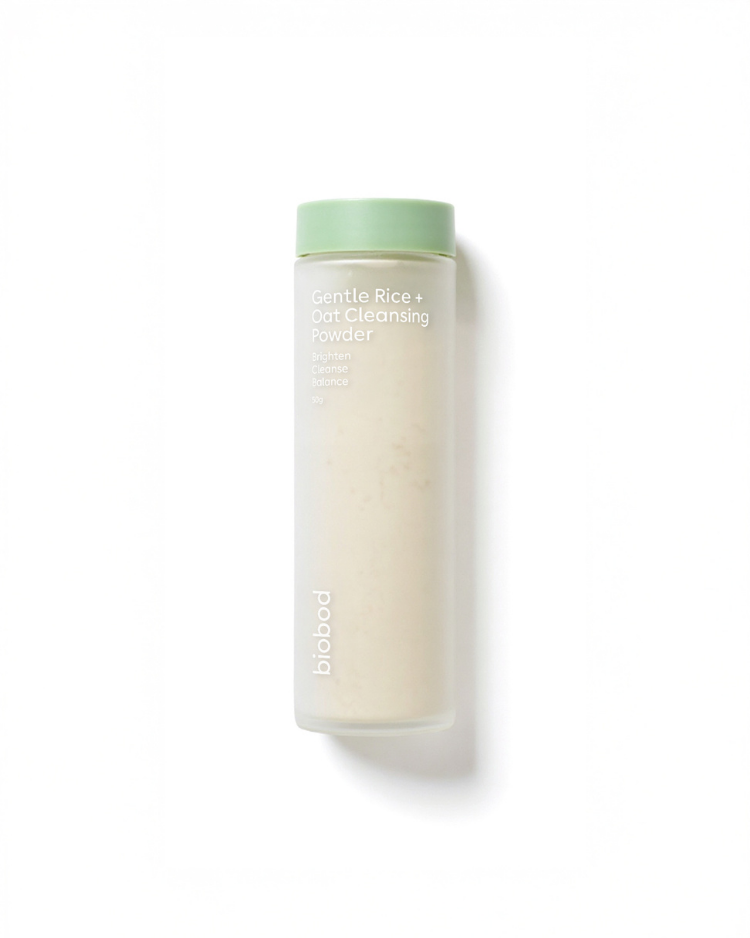
A water-activated cleanser like the Gentle Rice & Oat Cleansing Powder supports both skin types by cleansing without disrupting the skin barrier, helping maintain balance rather than forcing it.
Why Overcorrecting Oil Makes Skin Worse
One of the most common mistakes is treating all shine as something to remove.
When skin is stripped:
- oil production can increase
- the barrier becomes compromised
- sensitivity and breakouts can worsen
Healthy skin is not oil-free. It is balanced.
Oily vs Combination Skin and the Skin Barrier
Whether your skin is oily or combination, the skin barrier still matters.
The skin barrier is the outer protective layer that keeps moisture in and irritants out. When it is healthy, skin tends to look calmer, clearer and more balanced. When it is damaged, even oily skin can become dehydrated and sensitised.
Many people with oily or acne-prone skin accidentally weaken their barrier by:
- over-cleansing
- using harsh exfoliants too often
- layering too many active ingredients
- skipping hydration
- choosing products that focus only on drying out blemishes
More about skin barrier here: What Is the Skin Barrier and How You Can Protect It
Why Combination Skin Is Often Misdiagnosed as Oily
Combination skin is often mistaken for oily skin because the most noticeable areas are usually the shiny ones. If the nose gets oily and blackheads appear around the T-zone, it is easy to assume the entire face is oily.
But if the cheeks feel tight after cleansing, go red easily or seem dry by afternoon, the skin is likely combination or even dehydrated combination skin.
This matters because combination skin needs a more flexible routine. Treating every area as oily can strip the parts of the face that are already delicate.
Oily Skin vs Combination Skin in Real Life
Here are a few common examples.
You may have oily skin if
Your whole face looks shiny by midday, makeup slips off everywhere and you often feel like no moisturiser can absorb properly.
You may have combination skin if
Your nose gets shiny, your chin breaks out, but your cheeks feel tight after washing and need more hydration than the centre of your face.
You may have acne-prone but not oily skin if
You break out regularly, but your skin also feels dry, reactive or flaky, especially after using active products.
These distinctions are subtle but important.
Best Routine Approach for Oily Skin
Oily skin tends to do best with a routine that respects the barrier while avoiding unnecessarily heavy textures.
A balanced oily skin routine usually includes:
- a gentle cleanser that removes excess oil without stripping
- lightweight hydration
- barrier support
- calming ingredients that reduce inflammation
- consistency rather than constant product switching
The goal is to support healthier sebum balance, not force the skin into dryness.
Best Routine Approach for Combination Skin
Combination skin needs balance above all else.
This usually means:
- a gentle cleanser that does not leave cheeks tight
- hydration that supports the whole face
- lightweight nourishment that does not overload the T-zone
- barrier-friendly ingredients that calm reactive areas
- avoiding harsh oil-control products across the entire face
Combination skin often responds beautifully to routines that keep the skin calm and hydrated while letting oil production regulate more naturally over time.
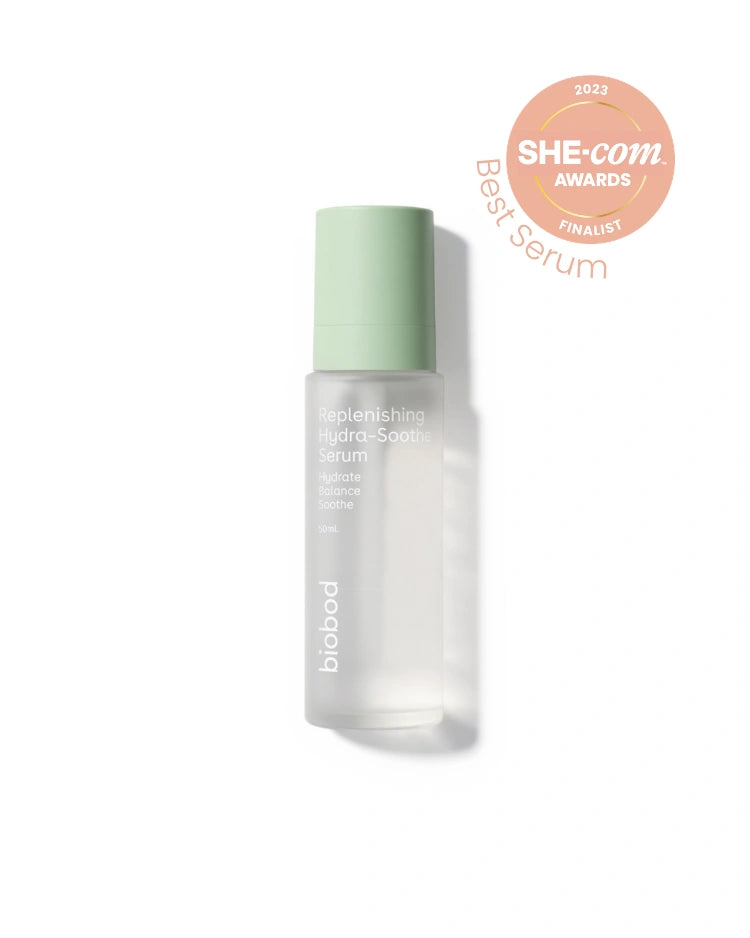
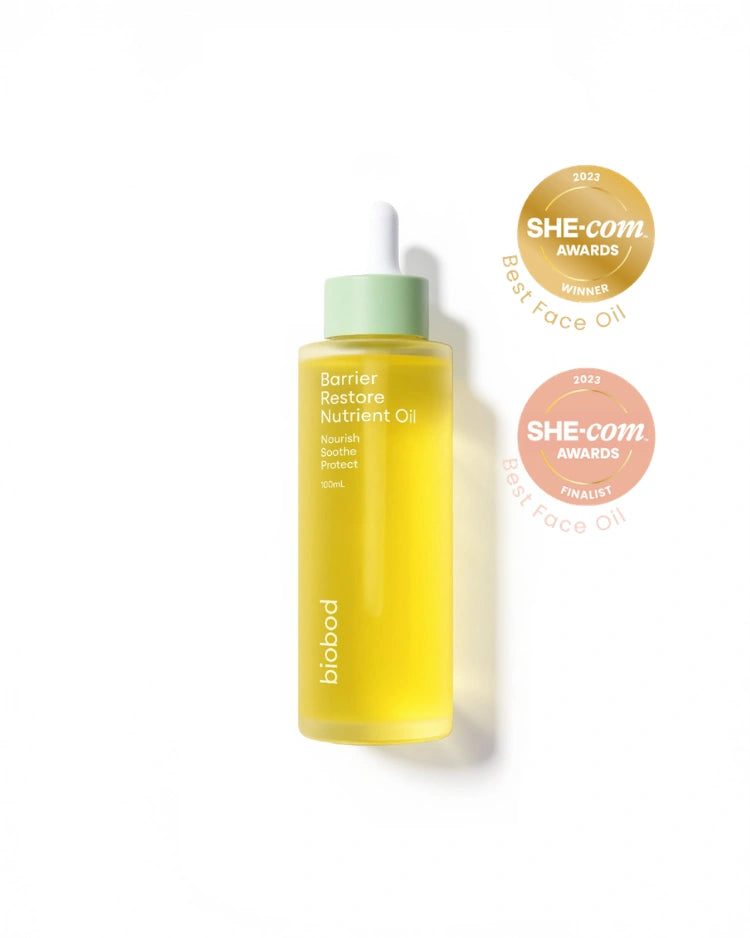
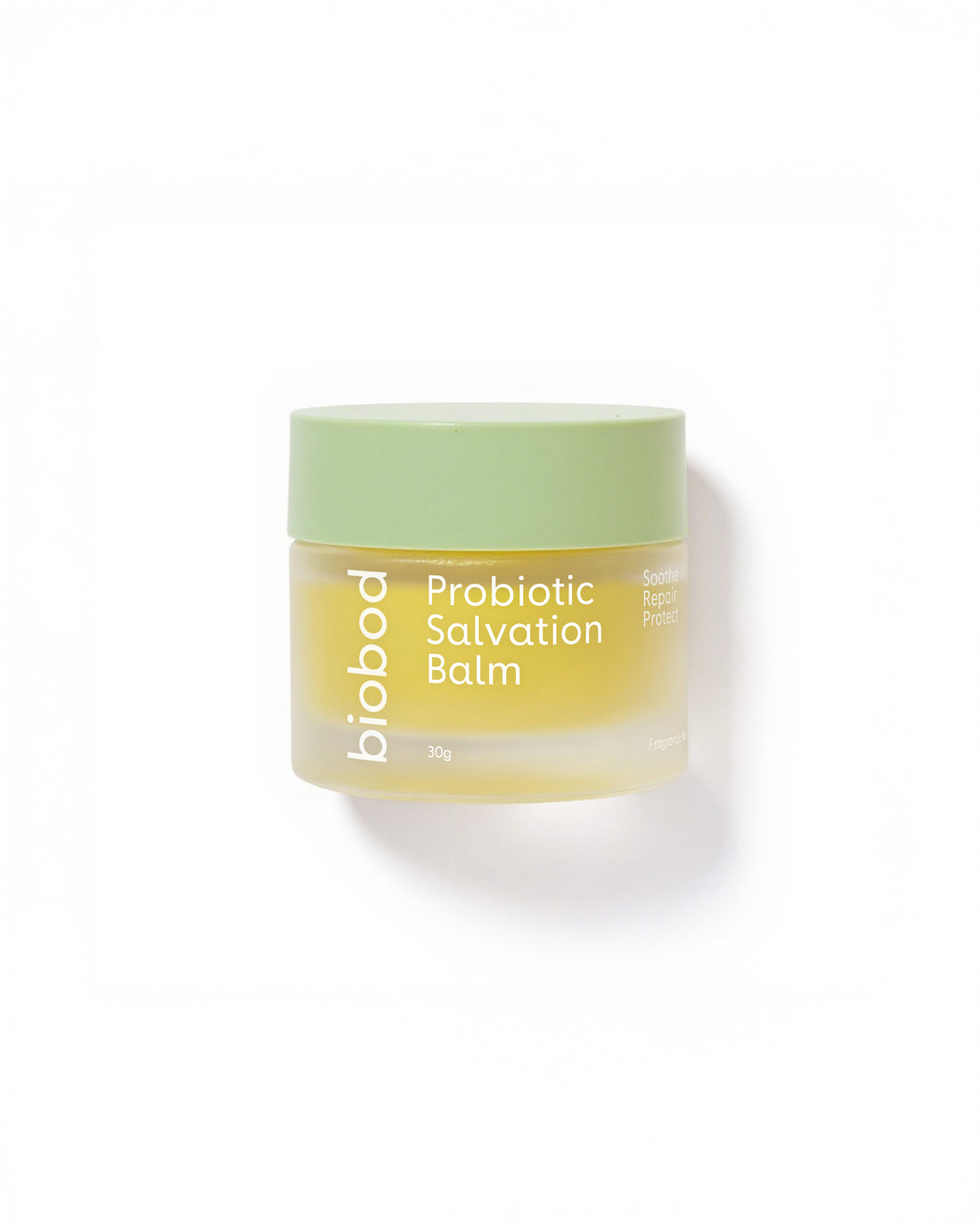
Try our oily and combination skin type products:

Why Less Can Be More for Both Skin Types
Both oily and combination skin can become more reactive when routines are too complicated. Over-cleansing, over-exfoliating and using too many targeted treatments at once can make the skin harder to read.
A simplified routine often makes it easier to notice what your skin actually needs.
This is especially true when acne is involved. Breakout-prone skin can be inflamed, dehydrated and sensitised all at once. Supporting the skin gently can often improve overall clarity more effectively than trying to attack every blemish.
How to Support Overall Skin Health
No matter where your skin sits on the oily to combination spectrum, healthy skin tends to thrive when these foundations are in place:
- gentle cleansing
- consistent hydration
- barrier support
- reduced irritation
- patience
When the skin feels safe and supported, it often becomes less reactive. Oil production can look more balanced, dehydration can ease and the skin may feel clearer and calmer over time.
Oily vs Combination Skin
If you are still unsure about oily vs combination skin, remember this:
- oily skin produces excess oil across most of the face
- combination skin produces more oil mainly in the T-zone
- acne does not automatically mean oily skin
- dry and dehydrated skin can break out too
- the right routine supports balance rather than stripping the skin
This is why skin type and skin condition should never be treated as the same thing.
FAQ: Difference Between Oily and Combination Skin
What is the difference between oily and combination skin
Oily skin produces oil across the entire face, while combination skin produces oil mainly in the T-zone with drier or normal cheeks.
How do I know if my skin is oily or combination
If your whole face becomes oily, it is likely oily skin. If only your T-zone is oily and your cheeks feel dry or normal, it is likely combination skin.
What does combination to oily skin mean
It means your skin produces oil unevenly but tends to be more oily overall, especially in the T-zone.
Can combination skin be acne-prone
Yes. Combination skin can experience breakouts, especially when the skin barrier is disrupted or imbalanced.
Should I treat combination skin like oily skin
No. Treating combination skin as fully oily can strip the skin and worsen imbalance.