
8 reasons for skin sensitivity explain why skin that once felt balanced can suddenly become reactive, uncomfortable, or easily irritated. Sensitive skin is rarely random. It is usually the result of barrier disruption, microbiome imbalance, or repeated exposure to stressors the skin can no longer tolerate.
At Biobod, we approach sensitivity through long-term skin health by supporting the skin barrier and microbiome rather than overpowering the skin with aggressive treatments.
What causes skin sensitivity
Skin sensitivity is caused by a weakened skin barrier, microbiome imbalance, over-cleansing, environmental stress, hormonal changes, chronic inflammation, excessive product use, and exposure to fragrance or drying alcohols.
1. A weakened skin barrier
One of the most common reasons for skin sensitivity is a compromised skin barrier. The barrier protects against moisture loss and environmental irritants. When it is weakened, skin becomes reactive, tight, itchy, or prone to redness and stinging.
This often develops slowly through over-cleansing, harsh actives, or lack of barrier repair.
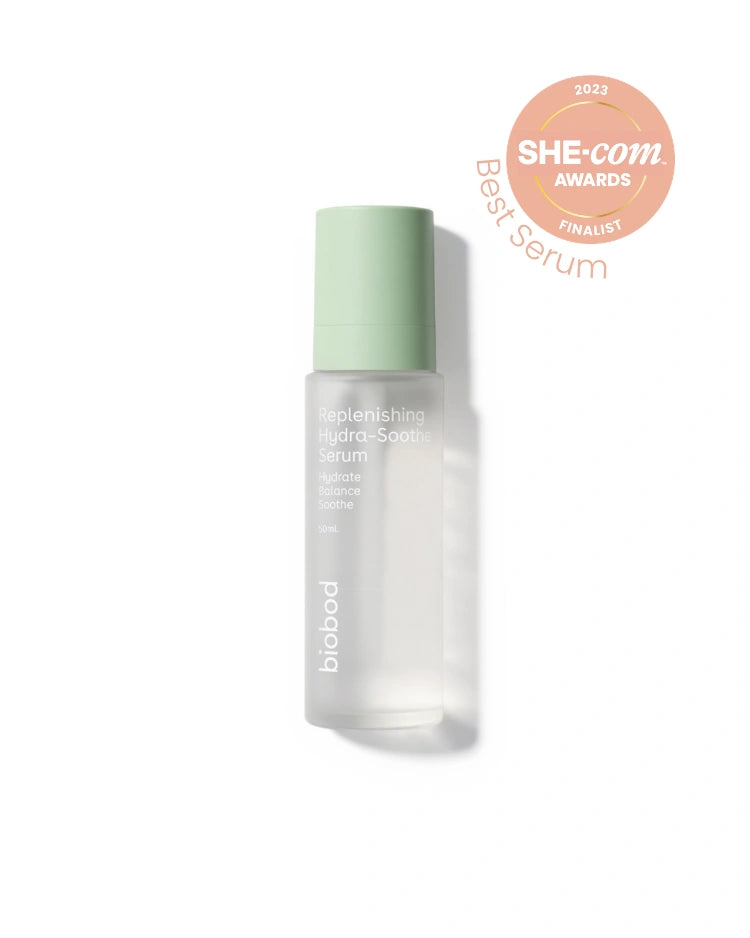
Try: Replenishing Hydra-Soothe Serum helps restore barrier hydration using glycerin, sodium PCA, sodium hyaluronate, and betaine, while Centella Asiatica, aloe vera, green tea, and allantoin calm visible irritation. With consistent use, skin feels more comfortable and resilient.

2. Skin microbiome imbalance
The skin microbiome plays a critical role in regulating inflammation and maintaining barrier strength. When beneficial bacteria are disrupted, sensitivity often follows.
Antibacterial cleansers, foaming surfactants, alcohol-heavy products, and frequent product switching can all disrupt this ecosystem.
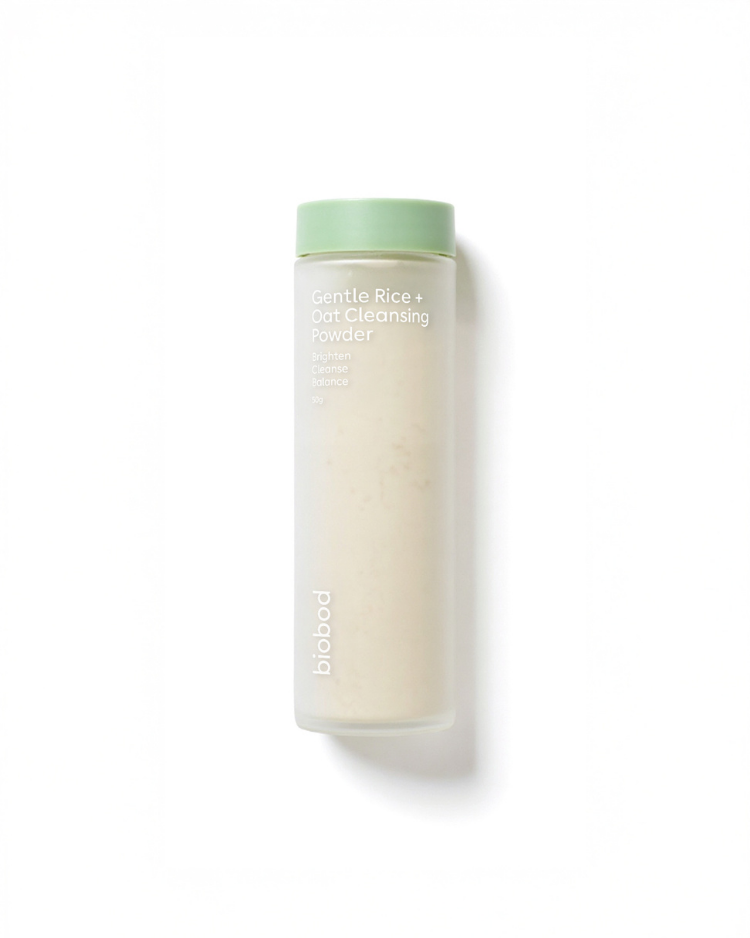
Try: Our Gentle Rice & Oat Cleansing Powder supports microbiome balance by cleansing gently while feeding the skin with inulin prebiotic and lactic acid postbiotic. Oats, rice, kaolin, and turmeric help calm irritation without stripping the skin.

3. Over-cleansing and over-exfoliation
Cleansing too frequently, using hot water, or exfoliating too often can thin the barrier and increase nerve sensitivity in the skin.
That tight feeling after cleansing is a sign of stress, not cleanliness.
Try our Calming Balance Cleanse Bar is a soap free soap bar designed to cleanse without disrupting the barrier. Mild surfactants, glycerin, oats, shea butter, Centella, and licorice root leave skin clean but cushioned and calm.

Shop here: Calming Balance Cleanse Bar
4. Environmental stress and exposure
UV radiation, pollution, wind, air conditioning, heating, and seasonal changes all place pressure on the skin barrier. When the barrier is already compromised, these stressors amplify sensitivity.
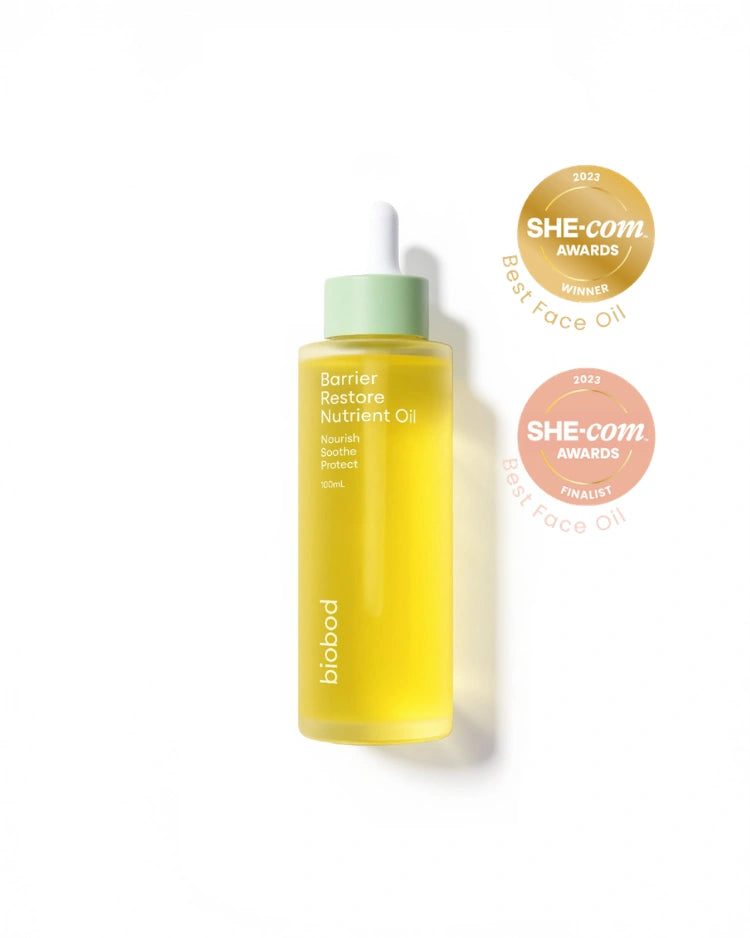
The Barrier Restore Nutrient Oil replenishes the skin’s lipid layer using plant-based squalane, jojoba, grape seed, hemp seed, meadowfoam, oat oil, and antioxidant totarol. This helps reduce water loss and improve skin tolerance to environmental change.

Shop here: Barrier Restore Nutrient Oil
5. Hormonal changes
Hormonal fluctuations during puberty, pregnancy, postpartum, perimenopause, and menopause can weaken the skin barrier and reduce natural lipid production.
This can cause sudden sensitivity, dryness, flushing, or irritation even in skin that was previously resilient.
Layering the Replenishing Hydra-Soothe Serum under the Barrier Restore Nutrient Oil helps replace hydration and lipids the skin may no longer produce efficiently on its own.
6. Chronic low-grade inflammation
Sensitive skin is often inflamed beneath the surface even when redness is not obvious. Stress, sleep disruption, gut health, diet, and long-term product misuse can all contribute.
Inflamed skin reacts more intensely to normal stimuli which explains burning or stinging sensations.
Ingredients like Centella Asiatica, oats, turmeric, green tea, licorice root, and allantoin throughout the Biobod range help calm inflammatory pathways without suppressing the skin’s natural repair response.
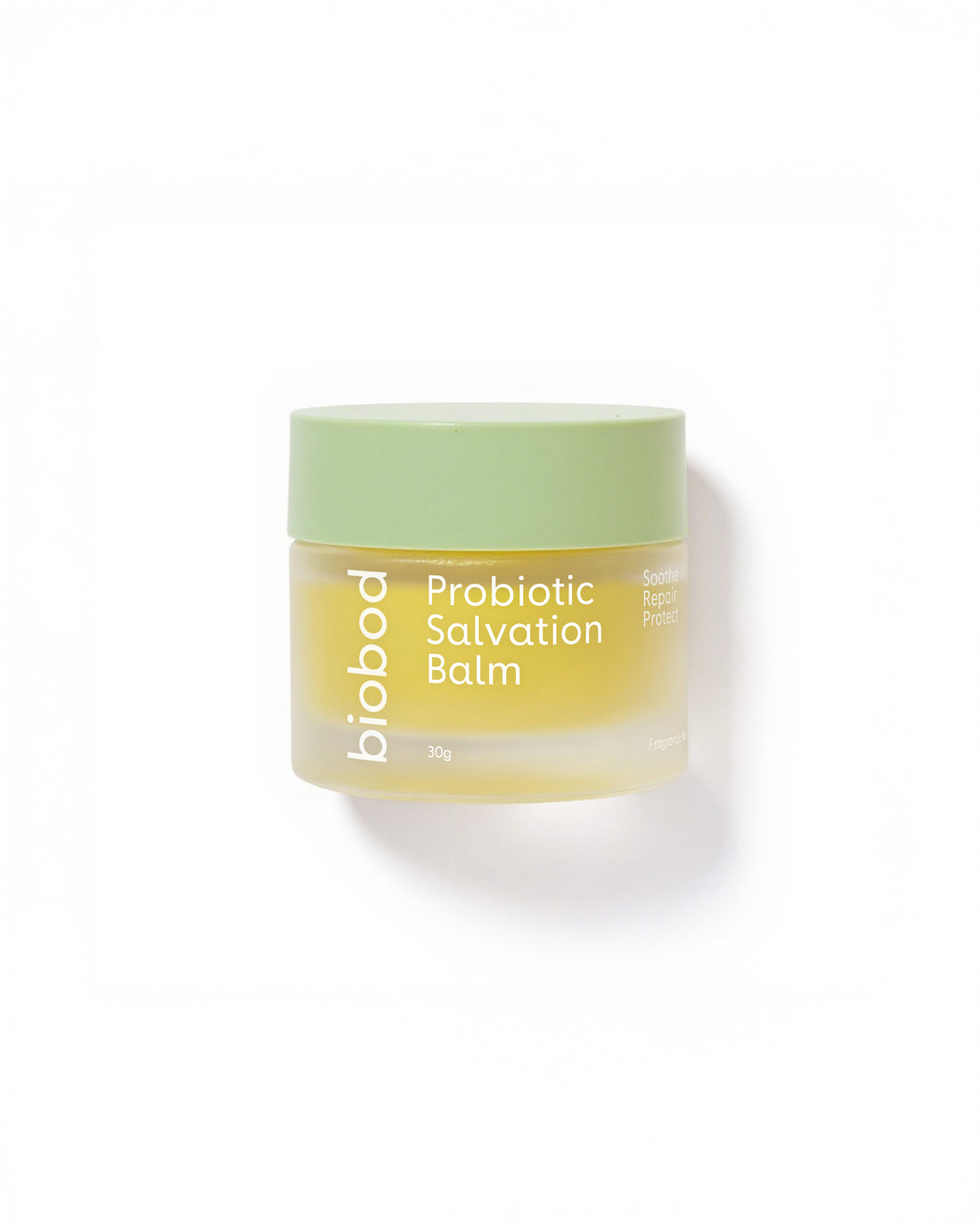
The Probiotic Salvation Balm is especially helpful during flare-ups, compromised skin phases, or environmental damage, sealing in moisture while supporting recovery.

Shop here: Probiotic Salvation Balm
7. Doing too much to the skin
Using too many products, frequently changing routines, or layering strong actives keeps the skin in a constant state of stress. This prevents repair and increases sensitivity over time.
Sensitive skin thrives on consistency, simplicity, and recovery.
A barrier-first routine using gentle cleansing, hydration, lipid replenishment, and targeted repair allows the skin to stabilise and rebuild.
8. Fragrance and drying alcohol in skincare
Fragrance and certain alcohols are among the most common and overlooked reasons for skin sensitivity.
Synthetic fragrance, parfum, essential oils, and high levels of denatured alcohol can irritate nerve endings, disrupt the barrier, and inflame sensitive skin over time. Even without an immediate reaction, repeated exposure can cause cumulative sensitivity, redness, stinging, or flare-ups.
This is especially true for compromised, mature, or inflamed skin.
Biobod formulas are free from added fragrance and drying alcohols, making them suitable for skin that needs calm, predictable support rather than constant stimulation.
Can sensitive skin become resilient again
Yes, sensitive skin can become more resilient with consistent barrier repair, microbiome support, gentle cleansing, and avoidance of fragrance, drying alcohols, and harsh ingredients.
How long does it take to calm sensitive skin
Many people notice reduced tightness and irritation within two to four weeks of a barrier-supportive routine. Deeper resilience often develops over two to three months with consistent use.
Stability matters more than speed.
Understanding the reasons for skin sensitivity allows you to work with your skin rather than against it. Sensitive skin is not weak skin. It is skin asking for protection, nourishment, and balance. When the barrier is supported, the microbiome is respected, and irritation triggers are removed, sensitive skin can calm, strengthen, and become resilient again.