
Last updated: September 2026 · Estimated reading time: 4 minutes
By Natalie, Founder of biobod
There is a particular kind of frustration that comes with sensitive skin. You buy products to make it calmer, smoother and more resilient, yet somehow your skin becomes less tolerant over time.
The cleanser that used to feel fine now leaves it tight. A serum you have used for months suddenly stings. Your face flushes more easily. You develop dry patches and congestion at the same time. The natural response is to look for another product to correct each new problem.
But there is another possibility worth considering: your skin may not need more correction. It may be struggling to keep up with the routine already being used.
Key takeaways
- Sensitive skin can be something you have always experienced, or skin can become temporarily sensitised and reactive.
- Stinging, tightness, flaking, redness and increased reactivity can be signs that the skin barrier is under strain.
- Several reasonable products can become too much when their combined frequency, concentration and effects are considered.
- Adding more calming products does not always solve a routine that continues to create pressure.
- A simpler routine means fewer unnecessary variables, not abandoning every effective ingredient.
Table of contents
- Sensitive skin is not always something you were born with
- Signs your skin barrier may be overwhelmed
- How a sensible routine becomes too much
- Why adding another calming product may not solve it
- What a simpler skincare routine actually means
- Skin does not need to prove that a product is working
- Related reading
- Where to start
- FAQs
Sensitive skin is not always something you were born with
Some people have skin that has always been more sensitive. Their skin may naturally react more readily to changes in weather, fragrance, friction or particular ingredients.
Other people describe skin that has become sensitive. It once tolerated a wide range of products but now feels unpredictable, uncomfortable or easily irritated. This is often described as sensitised or reactive skin.
The distinction matters because newly reactive skin may be responding to an accumulation of pressures rather than one inherently unsuitable product.
Those pressures can include frequent exfoliation, combining several active ingredients, harsh or repeated cleansing, abrupt changes in routine, dry weather, UV exposure, stress, hormonal change and lack of recovery time.
Skincare is not always the sole cause. Skin conditions, allergies, medications and wider health factors can also affect how skin behaves. Persistent, painful or worsening symptoms deserve advice from a qualified health professional.
Signs your skin barrier may be overwhelmed
The skin barrier is the outer protective structure that helps keep water in and potential irritants out. It is not a cosmetic trend. It is a basic part of healthy skin function.
When the barrier is under strain, skin may become less able to tolerate products and environmental stress. Common signs include:
- Products that once felt comfortable beginning to sting
- Tightness after cleansing
- Dryness, flaking or rough texture
- Redness or more frequent flushing
- Increased sensitivity to heat, wind or sun
- Skin that feels oily on the surface but dry underneath
- Breakouts appearing alongside irritation
- A shiny, stretched appearance that is sometimes mistaken for glow
None of these signs proves that a particular ingredient or product is responsible. They are simply reasons to look at the routine as a whole.
How a sensible routine becomes too much
Most people do not deliberately set out to over-treat their skin. It happens gradually.
You add an exfoliating acid for texture. A retinoid for signs of ageing. Vitamin C for brightness. A clarifying cleanser for congestion. Perhaps a weekly peel because progress feels too slow. Each product may be perfectly reasonable on its own.
The skin, however, experiences the combined routine.
This is one of the limitations of ingredient-led beauty advice. We are taught what each ingredient can do, but not always how the total load affects our particular skin.
A formula does not need to be “harsh” in an absolute sense to be too much in context. Frequency matters. Concentration matters. What it is layered with matters. Your skin’s starting condition matters.
Why adding another calming product may not solve it
When skin becomes uncomfortable, the beauty market usually offers another step: a calming mist, recovery mask, barrier serum or richer cream.
Some of these products can be useful. The problem is that they are often added without reconsidering the parts of the routine creating the pressure.
The result is a cycle of activity and compensation. One product accelerates, another soothes. One removes oil, another replaces it. One increases turnover, another manages the resulting dryness.
The routine becomes longer, but the skin does not necessarily become stronger.
What a simpler skincare routine actually means
Simplifying is not about abandoning every effective ingredient or following an arbitrary three-step rule. It means removing unnecessary overlap and giving every product a clear role.
Start by asking:
- What is each product supposed to do?
- Are several products doing the same job?
- Which steps are essential, and which were added because of a trend?
- Did sensitivity begin after adding or increasing something?
- Am I treating the effects of another part of my routine?
- Does my skin ever get a genuine recovery period?
For uncomfortable or newly reactive skin, a temporary reduction in non-essential actives may make it easier to see what your skin actually tolerates. Keep cleansing gentle, support hydration and barrier lipids, protect skin from UV exposure and reintroduce other products slowly if appropriate.
Skin does not need to prove that a product is working
We have been taught to read tingling, tightness, peeling and redness as signs of effectiveness. Sometimes an active treatment does produce an expected adjustment period, particularly when guided by a clinician. But irritation is not a universal measure of progress.
For sensitive skin, comfort is useful information.
Skin that holds water well, tolerates daily life and responds less dramatically to ordinary changes is not doing nothing. It is functioning.
Perhaps the better question is no longer, “What else can I add?”
It is, “What can my skin comfortably sustain?”
That is where a more dependable routine begins.
Related reading
- The Skincare Product Cascade
- Sensitive Skin or Sensitised Skin?
- What Does Holistic Skincare Actually Mean?
Where to start
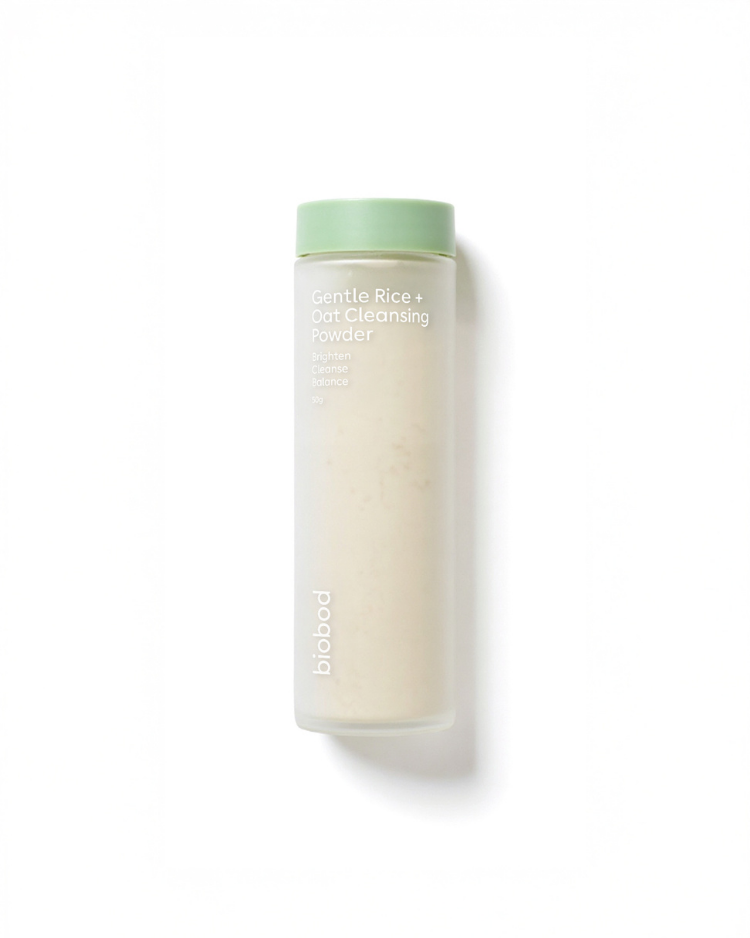
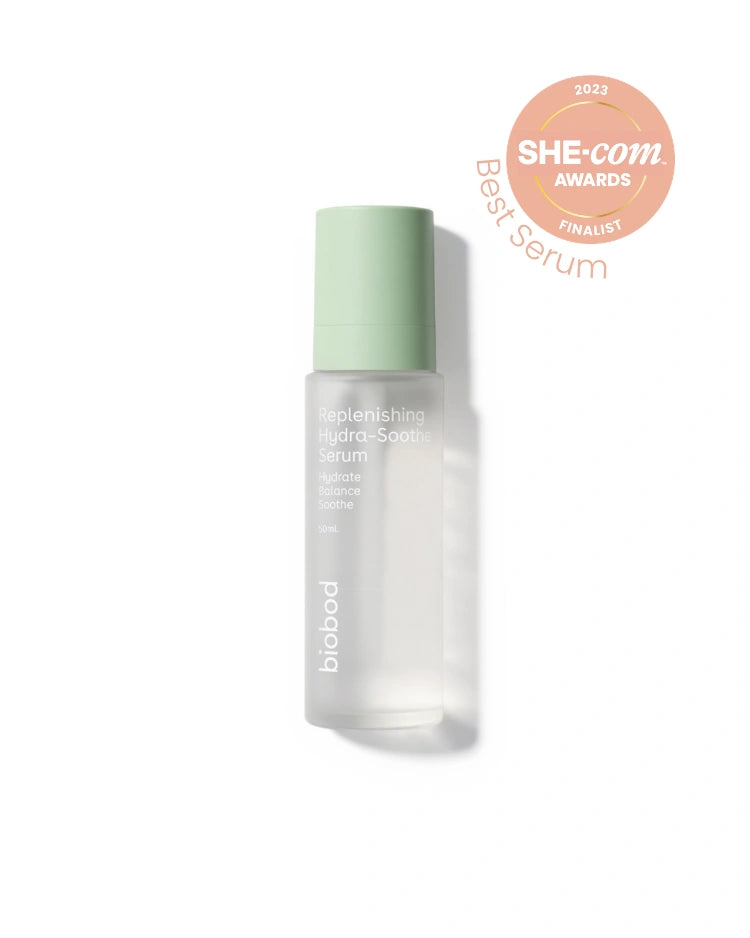
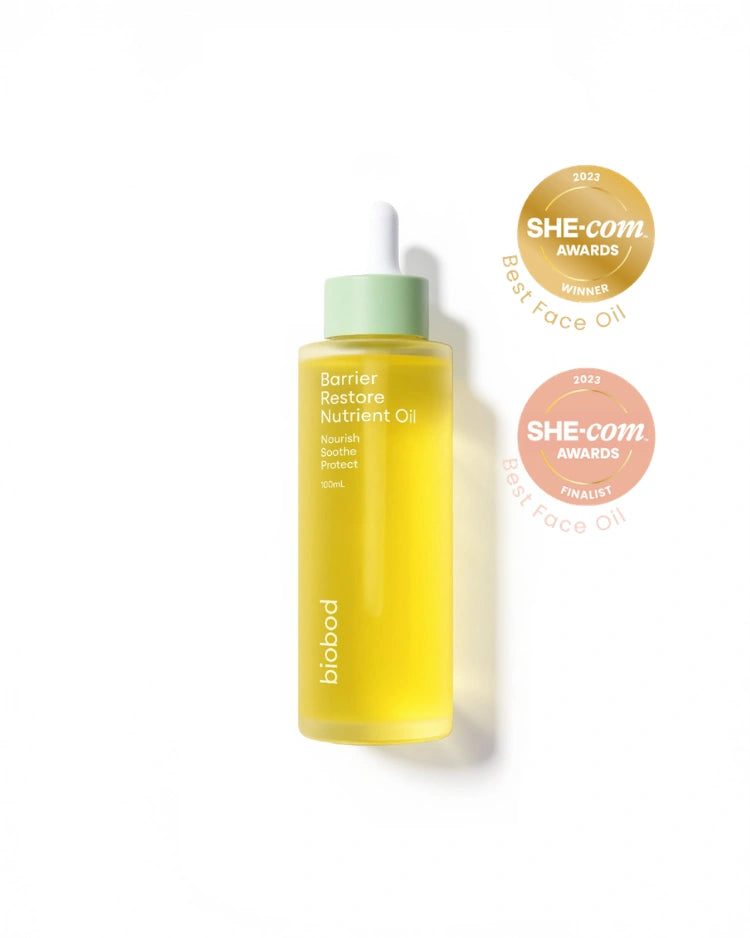
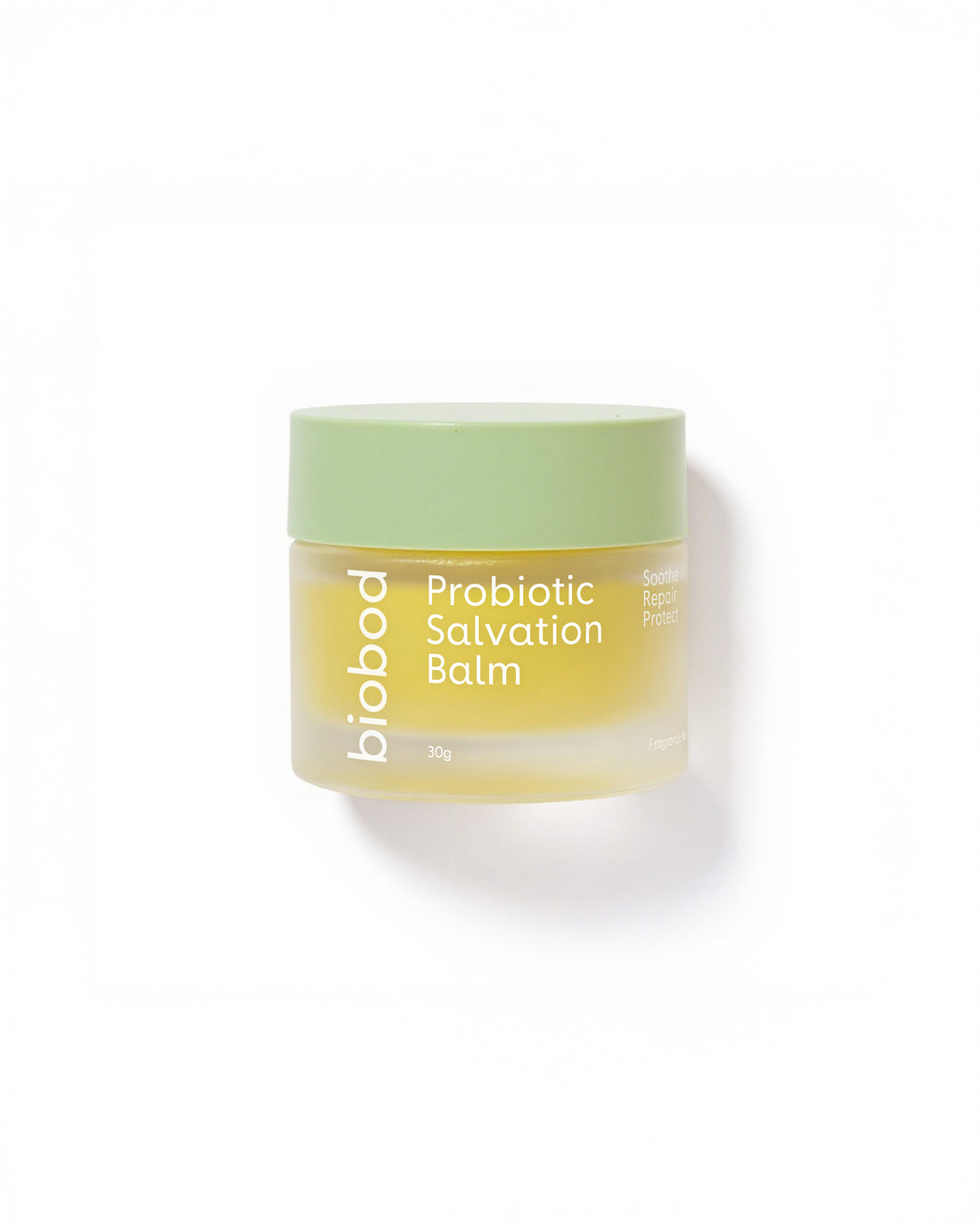
If your skin is tired of being treated like a project, biobod offers a simpler place to begin. The Discovery Set is a lower-commitment way to explore gentle cleansing, hydration and barrier support without adding a shelf full of new variables.
Start simply
Discovery Set

Best for: Trying a simpler sensitive-skin routine before committing to full sizes.
Explore the Discovery SetFAQs
Can too many skincare products make skin more reactive?
They can contribute. The article explains that skin experiences the combined routine, so frequent exfoliation, several actives, repeated cleansing and too many overlapping steps can place more pressure on already sensitive or reactive skin.
How do I know if my skin barrier may be overwhelmed?
Possible signs include products beginning to sting, tightness after cleansing, dryness or flaking, redness, increased sensitivity to weather, breakouts alongside irritation and a shiny, stretched appearance.
Why does my moisturiser suddenly sting?
A product that was once comfortable can begin to sting when skin has become more reactive or the barrier is under strain. Review the routine as a whole and seek professional advice if symptoms are persistent, painful or worsening.
How should I simplify a skincare routine for sensitive skin?
Remove unnecessary overlap, keep cleansing gentle, support hydration and barrier lipids, protect skin from UV exposure and reintroduce non-essential products slowly if appropriate.
This article is general information, not medical advice. Persistent, painful or worsening skin symptoms should be assessed by a qualified health professional.