
What Causes Zombie Cells and How Do They Affect Sensitive Skin?
What causes zombie cells is one of the biggest questions emerging in skin ageing, inflammation and sensitive skin science. While the phrase sounds dramatic, zombie cells are not a skincare gimmick. They are real cells, known scientifically as senescent cells, that have stopped dividing and functioning properly but have not cleared away from the body.
In healthy skin, damaged cells are usually repaired, replaced or removed. This renewal process helps keep the skin barrier strong, calm and resilient. But when stressed or damaged cells remain in the skin for too long, they can begin sending out inflammatory signals that affect the healthy cells around them.
This is why zombie cells matter so much for sensitive skin.
Sensitive skin is already more prone to redness, tightness, dryness, irritation and barrier disruption. When zombie cells begin to build up, they can add another layer of stress by increasing inflammation, slowing repair and weakening the skin’s ability to recover from everyday triggers.
For Biobod, this conversation sits at the heart of what we believe about skin health. Sensitive skin does not need to be pushed harder. It needs to be supported more intelligently. When you care for the skin barrier, calm inflammatory stress and nurture the microbiome, you create the conditions skin needs to become more balanced and resilient over time.
Quick Answer: What Are Zombie Cells?
Zombie cells are damaged or stressed cells that have stopped working normally but have not been removed by the body. In skin, they may release inflammatory signals that can contribute to dryness, dullness, slower repair, sensitivity and visible signs of ageing.
The scientific name for zombie cells is senescent cells. Cellular senescence is a natural protective process. It helps stop damaged cells from continuing to divide, which is important for the body. The problem begins when too many senescent cells accumulate and are not efficiently cleared away.
Instead of quietly sitting there, these cells can release a mix of inflammatory molecules, enzymes and signalling proteins. This is often described as the senescence-associated secretory phenotype, or SASP. In simple terms, zombie cells can create an inflammatory environment around them.
For skin that is already sensitive, this can make the complexion feel more reactive, less tolerant and slower to bounce back.
Why Are They Called Zombie Cells?
They are called zombie cells because they are not fully active, healthy cells, but they are not completely gone either.
They linger.
They no longer contribute to healthy skin renewal in the way they should, but they can still influence the skin around them. That is what makes them so frustrating for sensitive skin. They are not visible to the eye, but their effects may show up through signs such as inflammation, rough texture, dullness, dryness and a weakened skin barrier.
Think of them like tired cells that have reached their limit. Rather than supporting the skin’s natural rhythm, they begin creating noise in the system.
What Causes Zombie Cells in the Skin?
Zombie cells can form for many reasons. Some are part of natural ageing, while others are linked to external stressors, inflammation and damage. The skin is constantly exposed to the outside world, so it is especially vulnerable to these triggers.
1. Natural Ageing
Ageing is one of the main reasons zombie cells build up in the skin.
As we age, the body becomes less efficient at clearing damaged cells. Skin renewal slows, collagen production declines, the barrier becomes more fragile and repair processes do not work as quickly as they once did.
This does not mean ageing skin is unhealthy. It simply means mature skin often needs more support, especially if it is also sensitive. When senescent cells accumulate, they may contribute to changes such as reduced firmness, uneven texture, dullness and slower recovery from irritation.
2. UV Exposure
UV exposure is one of the biggest external causes of zombie cells in the skin.
When the skin is exposed to ultraviolet radiation, it can experience DNA damage, oxidative stress and inflammation. Over time, this damage may push skin cells into a senescent state.
This is why sun protection is one of the most important steps in any skin longevity routine. For sensitive skin, daily SPF is not just about preventing visible ageing. It also helps reduce the environmental stress that can trigger inflammation and barrier breakdown.
3. Oxidative Stress
Oxidative stress happens when free radicals overwhelm the skin’s natural antioxidant defences.
Free radicals can be triggered by UV exposure, pollution, stress, smoke, poor sleep and environmental aggressors. When oxidative stress becomes ongoing, it can damage lipids, proteins and cellular structures within the skin.
This can make skin more vulnerable to premature ageing and cellular senescence.
Sensitive skin often has a lower tolerance for oxidative stress because the barrier may already be impaired. When the barrier is compromised, the skin has a harder time defending itself against daily environmental pressure.
4. Chronic Inflammation
Inflammation is one of the most important links between zombie cells and sensitive skin.
Short-term inflammation is part of the body’s natural healing response. It helps the skin recover from injury, infection or irritation. But when inflammation becomes chronic or low-grade, it can begin to wear the skin down.
This ongoing inflammatory state may encourage more cells to become senescent, while senescent cells can also release more inflammatory signals. This creates a frustrating cycle.
For sensitive skin, this may feel like skin that is always on edge. Redness, stinging, heat, dryness and flare-ups may become harder to calm because the skin is operating from a place of constant stress.
5. Skin Barrier Damage
A weakened skin barrier can make the skin more vulnerable to zombie cell activity.
The skin barrier is your first line of defence. It helps keep moisture in and irritants out. When it is strong, the skin feels calmer, smoother and more resilient. When it is impaired, the skin may feel tight, dry, itchy, rough or reactive.
Barrier damage can be caused by over-exfoliation, harsh cleansers, strong actives, weather changes, hot water, fragrance, stress and inflammatory skin conditions.
Once the barrier is disrupted, the skin becomes more exposed to external stress. This can increase inflammation and oxidative damage, both of which may contribute to cellular senescence.
6. Pollution and Environmental Stress
Pollution can also contribute to the formation of zombie cells.
Airborne particles and environmental toxins may increase oxidative stress on the skin. For people living in urban environments, this daily exposure can add up over time.
Pollution may also worsen barrier dysfunction and inflammation, especially in skin that is already sensitive or prone to conditions like redness, eczema or congestion.
This is one reason antioxidant support and barrier care are so valuable. They help the skin stay better protected against the outside world.
7. Poor Sleep and Lifestyle Stress
The skin repairs itself while the body rests. When sleep is disrupted or stress levels remain high, repair processes can become less efficient.
Chronic stress may also increase inflammation in the body, which can affect the skin. While skincare cannot replace sleep, nourishment or stress management, a calm and supportive routine can help reduce extra pressure on already reactive skin.
For sensitive skin, consistency matters. Gentle daily care often does more for long-term resilience than constantly switching products or chasing aggressive treatments.
How Do Zombie Cells Affect Sensitive Skin?
Zombie cells can affect sensitive skin by increasing inflammation, slowing repair, weakening the barrier and making the skin more reactive to triggers.
Because sensitive skin is already more vulnerable to irritation, zombie cells may amplify issues that are already present. This does not mean zombie cells are the only cause of sensitivity, but they can be part of the bigger picture.
They Can Increase Redness and Irritation
Senescent cells can release inflammatory signals into the surrounding skin environment. For sensitive skin, this can make redness, flushing and irritation more noticeable.
If your skin often looks calm one day and inflamed the next, it may be reacting to a combination of barrier weakness, environmental triggers and underlying inflammatory stress.
They Can Slow Skin Repair
Healthy skin needs to repair itself every day. This includes recovering from dryness, breakouts, irritation, weather changes and product sensitivity.
When zombie cells accumulate, they may interfere with normal renewal. Skin may feel like it takes longer to recover, or that irritation lingers even after the trigger is gone.
This can be especially frustrating for sensitive skin because every flare-up can feel like it resets your progress.
They Can Weaken the Skin Barrier
The skin barrier relies on healthy lipids, balanced hydration and strong cellular communication.
When inflammation increases, the barrier may become less stable. This can lead to more water loss, more dryness and greater exposure to irritants.
A weakened barrier can make even simple products sting. It can also make skin feel rough, tight or uncomfortable after cleansing.
They Can Contribute to Dullness and Uneven Texture
Zombie cells may affect how fresh, healthy and smooth the skin looks.
Because cellular renewal slows and inflammation increases, skin may appear dull, tired or uneven. Sensitive skin may also develop texture because the barrier is struggling to maintain balance.
This is why the answer is not always stronger exfoliation. In many cases, sensitive skin needs calming and rebuilding first.
They Can Make Skin More Reactive
Reactive skin is skin that responds quickly and intensely to triggers.
This might include skincare products, weather, heat, cold, sweat, stress, certain foods or environmental changes. When zombie cells contribute to inflammatory signalling, the skin may become more prone to this heightened response.
The goal is to help the skin become less reactive by supporting its foundations.
Signs Zombie Cells May Be Affecting Your Skin
You cannot see zombie cells directly in the mirror, but your skin may show signs of cellular stress.
- Persistent redness or irritation
- Skin that feels reactive to products
- Dryness that keeps coming back
- Tightness after cleansing
- Dull or uneven skin tone
- Rough texture
- Slow healing after breakouts or irritation
- A weakened or easily disrupted skin barrier
- Sensitivity that feels worse with age
These signs can have many causes, so it is important not to self-diagnose. But they do suggest that the skin may need more barrier support, less irritation and a more consistent routine.
Why Sensitive Skin Needs a Different Approach
When skincare trends talk about zombie cells, the conversation often jumps straight to aggressive treatments, strong actives or “anti-ageing” interventions.
But sensitive skin does not thrive when it is forced.
If your skin barrier is impaired, too many strong products can worsen inflammation and make the skin feel even more reactive. This is why Biobod takes a barrier-first approach.
Before chasing visible change, sensitive skin needs stability.
That means supporting the skin microbiome, restoring the barrier and reducing unnecessary triggers. When the skin feels calmer and more resilient, it is better able to renew, repair and tolerate active ingredients if they are needed later.
The Barrier and Microbiome Connection
Your skin barrier and microbiome work together.
The barrier protects the skin physically, while the microbiome helps maintain balance on the skin’s surface. A healthy microbiome can support immune function, reduce overreaction and help the skin respond more calmly to the environment.
When the microbiome is disrupted, the skin may become more prone to inflammation and sensitivity. When the barrier is damaged, the microbiome may also become less stable.
This is why barrier repair and microbiome support should not be treated as separate goals. They are connected.
For skin affected by stress, inflammation or sensitivity, this connection matters deeply. A calm microbiome and strong barrier create a healthier environment for skin renewal.
How to Support Skin Affected by Zombie Cells
The goal is not to aggressively “destroy” zombie cells at home. Sensitive skin needs a gentler strategy.
The best approach is to reduce the stressors that contribute to cellular damage and support the skin’s natural repair systems.
1. Simplify Your Routine
A complicated routine can overwhelm sensitive skin.
If your skin is red, dry, tight or reactive, strip your routine back to the essentials. Cleanse gently, hydrate consistently and nourish the barrier.
More steps do not always mean better skin. For sensitive skin, the right three steps can often be more effective than ten products that pull the barrier in different directions.
2. Use Gentle Cleansing
Harsh cleansing can damage the barrier and increase dryness.
Choose a cleanser that respects the skin’s natural lipids and does not leave your face feeling tight. Cleansing should leave skin feeling comfortable, not stripped.
If your skin feels squeaky clean, it may be a sign your cleanser is too harsh.
3. Prioritise Hydration
Hydrated skin is more resilient.
Humectants help draw water into the skin, while barrier-supportive ingredients help reduce moisture loss. Sensitive skin often needs both hydration and nourishment to feel truly comfortable.
Dehydrated skin can appear dull, tight and more reactive, which may make cellular stress feel more noticeable.
4. Nourish the Barrier
Barrier nourishment is essential for sensitive skin.
Look for ingredients that help replenish comfort and support the skin’s lipid structure. Plant oils, squalane, fatty acids and gentle barrier-supportive formulas can help skin feel softer, smoother and less vulnerable.
When the barrier is supported, the skin can better protect itself against irritants and environmental stressors.
5. Support the Microbiome
Prebiotic and postbiotic skincare can help create a more balanced skin environment.
For sensitive skin, this can be especially helpful because the microbiome plays a role in how skin responds to stress. Supporting the microbiome may help the skin feel calmer, steadier and less reactive over time.
This is where Biobod’s philosophy comes in.
Engineered for Sensitivity. Powered by The Biome Advantage™.
The Biome Advantage™ is designed to support the skin’s foundational health by focusing on the barrier, microbiome and inflammatory response.
6. Avoid Over-Exfoliation
Exfoliation can be useful, but too much can worsen sensitive skin.
Over-exfoliation can damage the barrier, increase redness and make skin more reactive. If your skin is already stressed, inflamed or dry, it may need a break from strong exfoliating acids and scrubs.
Calm first. Strengthen first. Then consider gentle exfoliation only if your skin can tolerate it.
7. Protect Against UV Damage
Daily sun protection is one of the most important ways to reduce cellular stress.
UV exposure is a major driver of premature ageing, oxidative stress and inflammation. For sensitive skin, sunscreen helps protect not only against sun damage, but also against the environmental triggers that can worsen reactivity.
Biobod’s Barrier-First Routine for Sensitive Skin
If your skin feels reactive, dull, dry or easily irritated, a simple barrier-first routine is the best place to begin.
Biobod’s approach focuses on helping skin become calm, hydrated and resilient without overloading it.
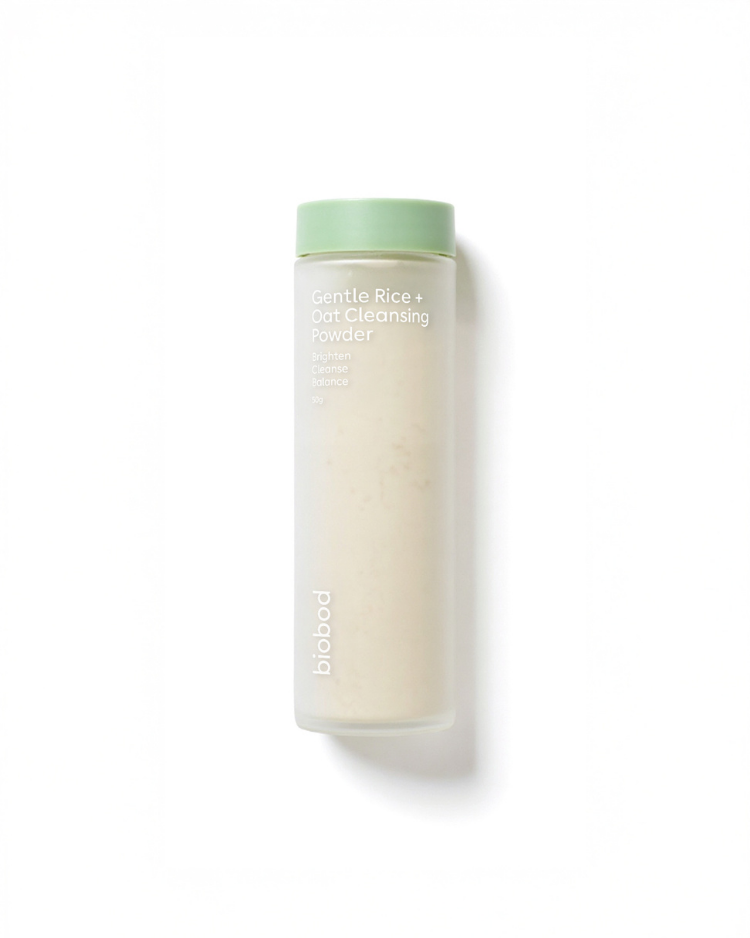
Step 1: Cleanse Gently
Start with a cleanser that respects the skin barrier. Avoid harsh foaming cleansers that leave skin feeling dry or tight.
A gentle cleanse helps remove daily build-up while keeping the skin comfortable.
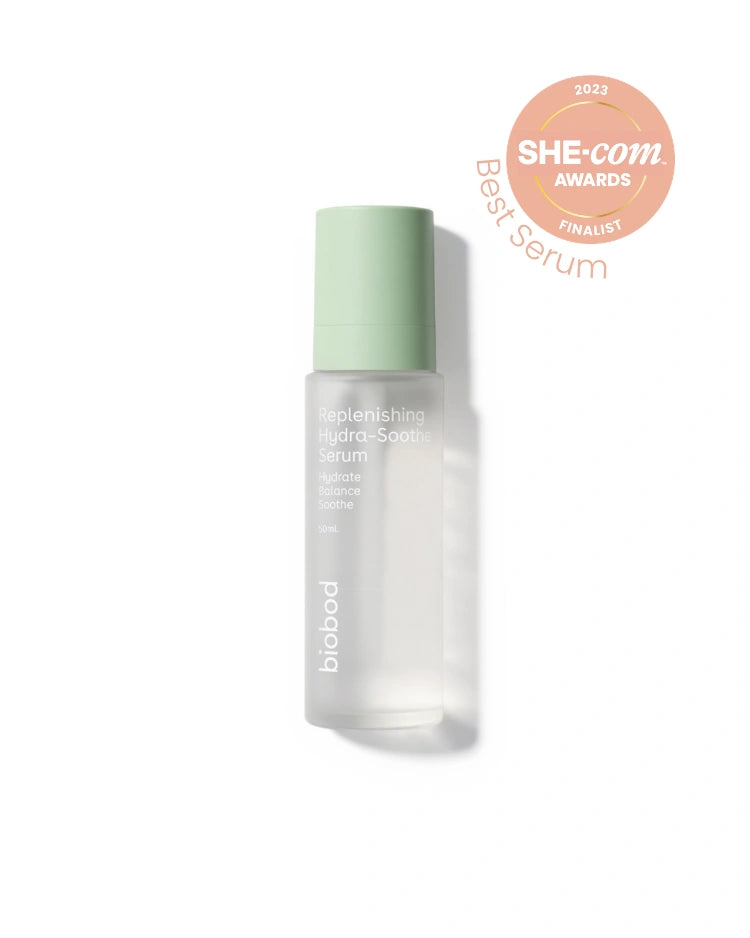
Step 2: Hydrate and Calm
Use hydration to support skin comfort and reduce the feeling of tightness.
Sensitive skin often needs lightweight hydration that helps calm the complexion without clogging or overwhelming it.
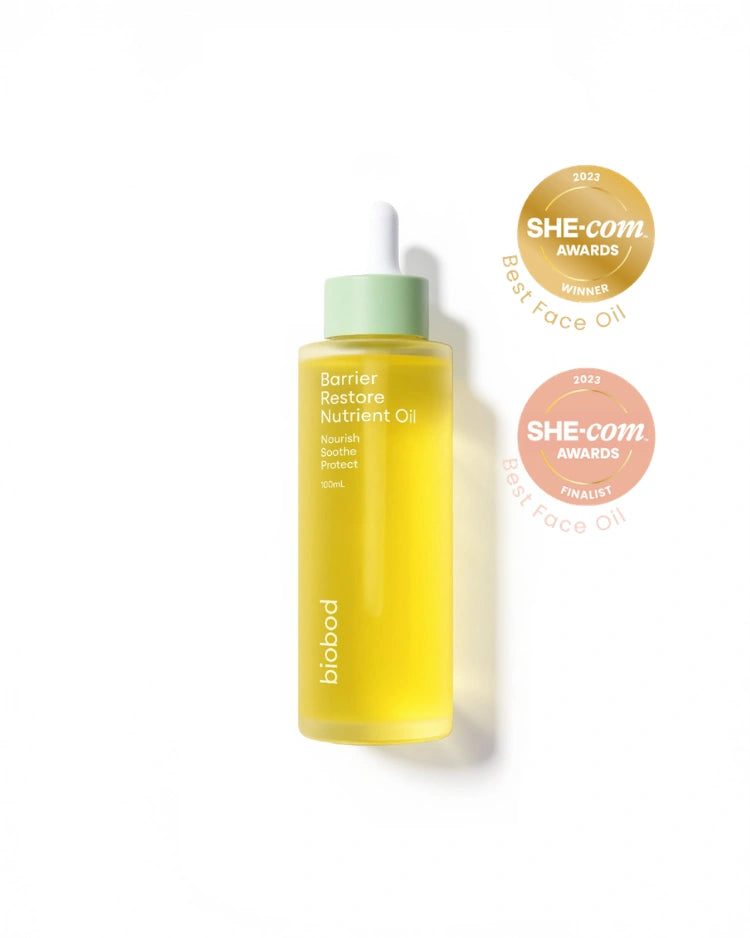
Step 3: Nourish and Protect the Barrier
Finish with barrier-supportive nourishment to help seal in hydration and reinforce skin comfort.
This is especially important when skin feels dry, fragile or exposed.
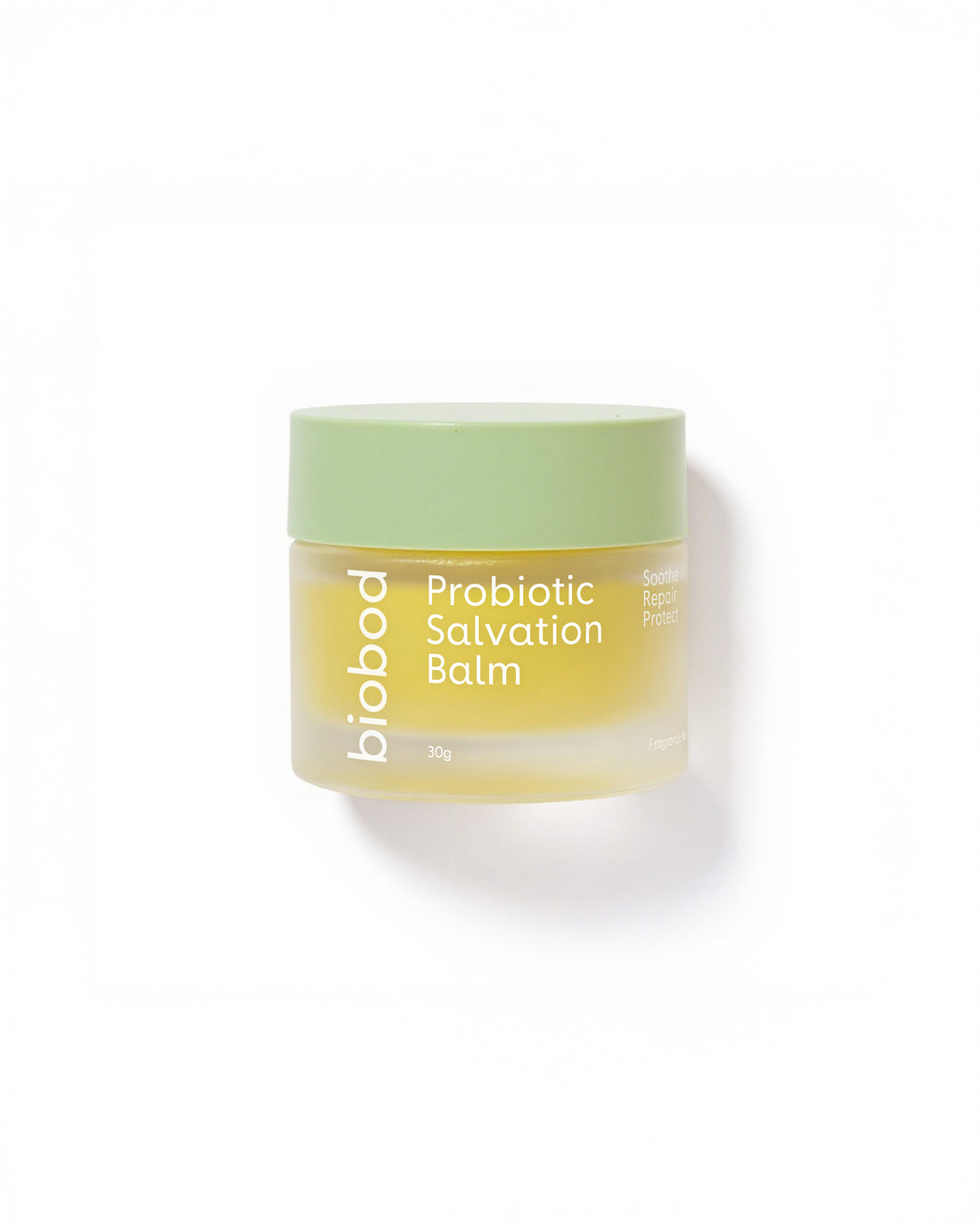
For skin that needs deeper support, Biobod’s barrier-focused products are designed to work with sensitive skin rather than against it.
What Not to Do If Your Skin Feels Stressed
If your skin feels inflamed, reactive or barrier-damaged, avoid the temptation to fix everything at once.
- Do not introduce multiple strong actives at the same time
- Do not exfoliate every day
- Do not use harsh cleansers that strip the skin
- Do not keep using products that sting or burn
- Do not overload the skin with too many steps
Sensitive skin needs trust rebuilt slowly. A steady routine gives the skin a chance to recover.
Can Skincare Remove Zombie Cells?
Skincare cannot fully remove zombie cells in the same way medical or clinical research into senolytics aims to target senescent cells.
However, skincare can help reduce the conditions that contribute to cellular stress. By supporting the barrier, calming inflammation, protecting against UV damage and nurturing the microbiome, you can help create a healthier skin environment.
For sensitive skin, this is the safest and most practical place to start.
Rather than chasing aggressive “anti-zombie cell” trends, focus on what skin needs every day: protection, hydration, nourishment and calm.
The Takeaway
Zombie cells are damaged or stressed cells that have stopped functioning normally but remain in the skin. They can release inflammatory signals that may contribute to redness, dryness, dullness, slower repair and a weakened skin barrier.
For sensitive skin, zombie cells matter because they can intensify the very issues sensitive skin already struggles with. More inflammation. More reactivity. More barrier disruption. Slower recovery.
But this does not mean your skin needs harsh treatment.
It needs support.
A simple, consistent, barrier-first routine can help sensitive skin become calmer, stronger and more resilient. By reducing unnecessary stress, supporting the microbiome and protecting the skin barrier, you give your skin the environment it needs to function at its best.
Because healthy skin is not about forcing change.
It is about helping your skin feel safe enough to repair.
FAQs About Zombie Cells and Sensitive Skin
What causes zombie cells in skin?
Zombie cells in the skin can be caused by natural ageing, UV exposure, oxidative stress, chronic inflammation, pollution, barrier damage and lifestyle stress. These factors can push damaged cells into a senescent state where they stop functioning normally but remain in the skin.
Are zombie cells bad for sensitive skin?
Zombie cells can be especially challenging for sensitive skin because they may release inflammatory signals that contribute to redness, irritation, dryness and slower repair. Sensitive skin already has a lower tolerance for stress, so supporting the barrier is essential.
Can zombie cells make skin look older?
Yes, zombie cells may contribute to visible signs of ageing such as dullness, uneven texture, reduced firmness and slower renewal. They are not the only cause of skin ageing, but they can play a role in the process.
How do you support skin affected by zombie cells?
Support the skin by reducing inflammation, protecting against UV exposure, avoiding harsh products, hydrating consistently, nourishing the barrier and supporting the skin microbiome with gentle, sensitive-skin-friendly skincare.
Should sensitive skin use strong anti-ageing products for zombie cells?
Not straight away. Sensitive skin should focus on barrier repair and calming inflammation first. Strong actives may worsen irritation if the skin barrier is compromised. A simple, consistent routine is usually the safest starting point.