
What is rosacea and what causes it is commonly asked question by people experiencing persistent redness, flushing, sensitivity or skin that suddenly feels reactive for no clear reason.
Rosacea is a chronic inflammatory skin condition that primarily affects the face. It is characterised by redness flushing visible blood vessels sensitivity and in some cases acne-like bumps. While rosacea is not contagious and not caused by poor skincare or hygiene it can feel frustrating, unpredictable and emotionally draining when it flares.
Understanding what rosacea is and what causes it is the first step toward calming the skin and supporting long term comfort.
What Is Rosacea on Face?
What is rosacea on face specifically refers to inflammation that affects the central areas of the face including the cheeks nose chin and forehead.
Common signs of facial rosacea include:
- persistent redness that looks like a blush that never fades
- flushing triggered by heat stress food or emotion
- visible capillaries or broken blood vessels
- burning stinging or tight sensations
- increased sensitivity to skincare products
- small red bumps that may resemble acne
What Causes Rosacea?
Rosacea does not have a single cause. Instead it develops due to a combination of biological and environmental factors that affect how the skin responds to stress and inflammation.
1. Dysregulated Inflammatory Response
People with rosacea tend to have an overactive inflammatory response in the skin. This means the skin reacts more intensely to triggers that would not affect other skin types.
2. Impaired Skin Barrier
A weakened skin barrier allows moisture to escape and irritants to penetrate more easily. This increases redness sensitivity and flare frequency.
3. Nervous System Sensitivity
Rosacea skin often reacts to heat stress and emotional triggers due to heightened nerve sensitivity in the skin. This contributes to flushing and burning sensations.
4. Vascular Reactivity
Blood vessels in rosacea prone skin dilate more easily and stay dilated longer which leads to persistent redness and visible capillaries.
5. Microbiome Imbalance
Emerging research shows that disruptions in the skin microbiome may contribute to inflammation and flare ups in rosacea prone skin.
Rosacea often appears gradually. Many people first notice flushing or sensitivity long before they receive a formal diagnosis.
Is Rosacea the Same as Acne?
No rosacea is not the same as acne although the two are often confused.
Acne is driven primarily by blocked pores oil production and bacteria. Rosacea is driven by inflammation vascular changes and barrier dysfunction.
Using traditional acne treatments on rosacea prone skin often worsens symptoms because they strip the skin and disrupt its protective balance.
Why Rosacea Skin Feels So Reactive
Rosacea prone skin exists in a state of heightened alert. Small changes in temperature stress skincare or environment can trigger visible reactions.
Common rosacea triggers include:
- heat and sun exposure
- hot showers and saunas
- spicy foods and alcohol
- stress and emotional changes
- harsh cleansers or exfoliants
- fragranced or essential oil heavy products
Not everyone has the same triggers which is why rosacea can feel unpredictable.
What Are the Different Types of Rosacea?
Rosacea is not one single condition. There are four recognised types of rosacea, and many people experience a combination rather than fitting neatly into just one category.
Type 1 Rosacea
Erythematotelangiectatic Rosacea ETR
This is the most common form of rosacea.
Key features:
- persistent facial redness
- frequent flushing or blushing
- visible capillaries or broken blood vessels
- burning stinging or heat sensations
Skin often feels sensitive, tight and reactive. Products may suddenly cause irritation even if they never did before.
This type is strongly linked to vascular sensitivity and a weakened skin barrier.

Above: Erythematotelangiectatic Rosacea ETR
Type 2 Rosacea
Papulopustular Rosacea
This type is often mistaken for acne.
Key features:
- red inflamed bumps
- pus filled blemishes
- flare ups on cheeks chin nose and forehead
- redness underneath breakouts
Unlike acne there are usually no blackheads. Using traditional acne treatments often worsens this type because they increase dryness and inflammation.

Above: Papulopustular Rosacea
Type 3 Rosacea
Phymatous Rosacea
This type is less common and usually develops gradually over time.
Key features:
- thickened uneven skin texture
- enlarged pores
- swelling and skin overgrowth
- most commonly affects the nose
This type is more frequently seen in men and is often the result of long term unmanaged inflammation.

Type 4 Rosacea
Ocular Rosacea
This type affects the eyes and is often overlooked.
Key features:
- dry irritated or gritty feeling eyes
- redness around the eyes
- swollen eyelids
- sensitivity to light
Many people with ocular rosacea also have facial symptoms but not always. Eye symptoms should always be assessed by a medical professional.
Can You Have More Than One Type of Rosacea?
Yes very commonly.
Many people experience a combination such as persistent redness from Type 1 alongside breakouts from Type 2. This is why rosacea can feel confusing and inconsistent.
Triggers routines and skin responses can overlap.
How the Skin Barrier Impacts Rosacea
The skin barrier acts as a protective shield. When it is compromised water escapes and irritants enter.
In rosacea prone skin the barrier is often weakened which leads to:
- increased redness
- stinging or burning
- dehydration
- difficulty tolerating skincare
Supporting barrier repair is one of the most important steps in calming rosacea long term.
The Role of the Skin Microbiome in Rosacea
The skin microbiome is the ecosystem of beneficial bacteria that helps regulate inflammation and protect against external stressors.
When the microbiome is disrupted inflammation increases and skin becomes more reactive. Rosacea prone skin often benefits from routines that support rather than strip this delicate balance.
Gentle hydration microbiome supportive ingredients and avoiding over cleansing are key.
Can Rosacea Be Cured?
Rosacea cannot currently be cured but it can be managed very effectively.
With the right skincare routine and lifestyle awareness many people experience:
- fewer flare ups
- reduced redness
- improved skin comfort
- better tolerance to products
- stronger more resilient skin over time
Consistency and gentleness are far more effective than aggressive treatments.
How to Calm Rosacea Prone Skin?
A rosacea supportive routine focuses on soothing calming and strengthening rather than correcting or exfoliating.
Key principles include:
- gentle non stripping cleansing
- daily hydration
- barrier repair
- microbiome support
- minimal fragrance and irritants
- consistent simple routines
Why Overdoing Skincare Worsens Rosacea
Using too many products exfoliants or actives often worsens rosacea.
Rosacea skin does not need more stimulation. It needs less interference and more support.
Simplifying routines is often one of the most effective changes.
How the Skin Reset System Supports Rosacea Prone Skin
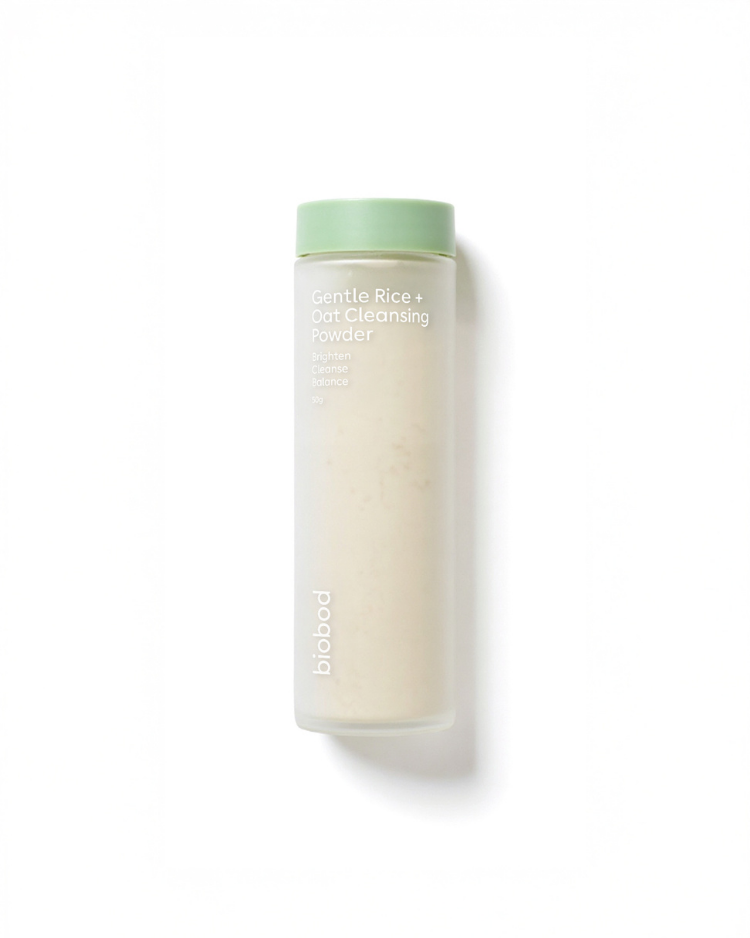
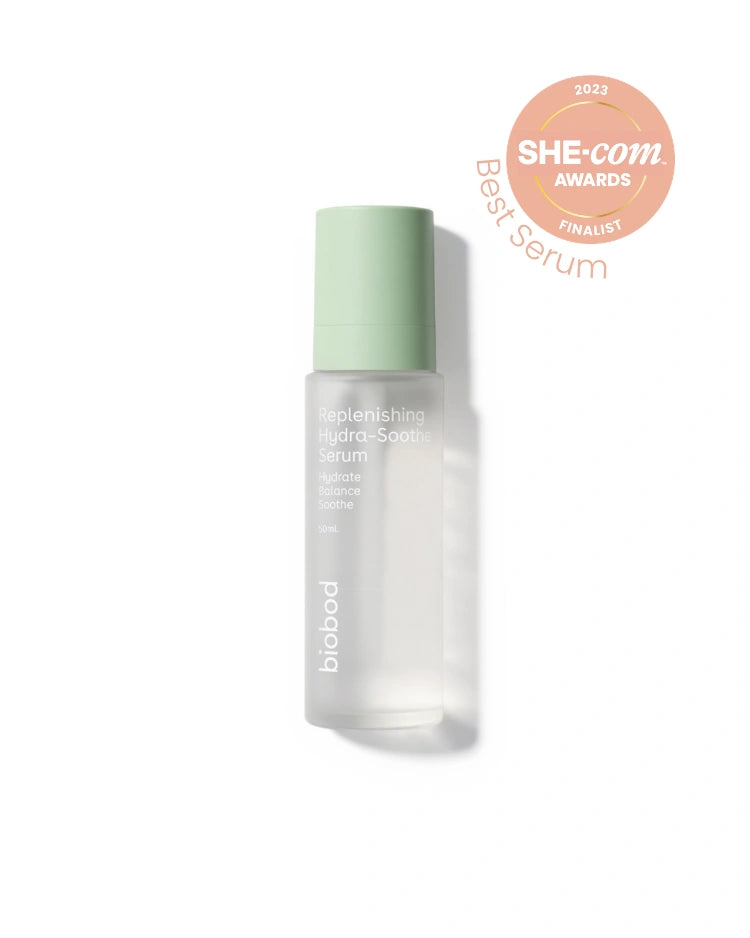
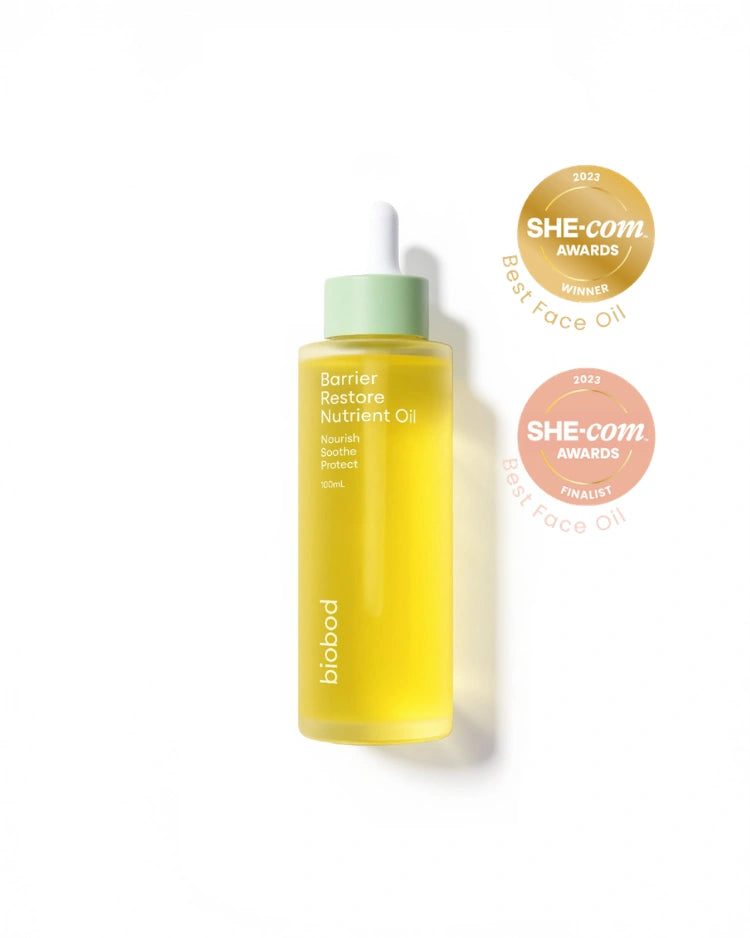
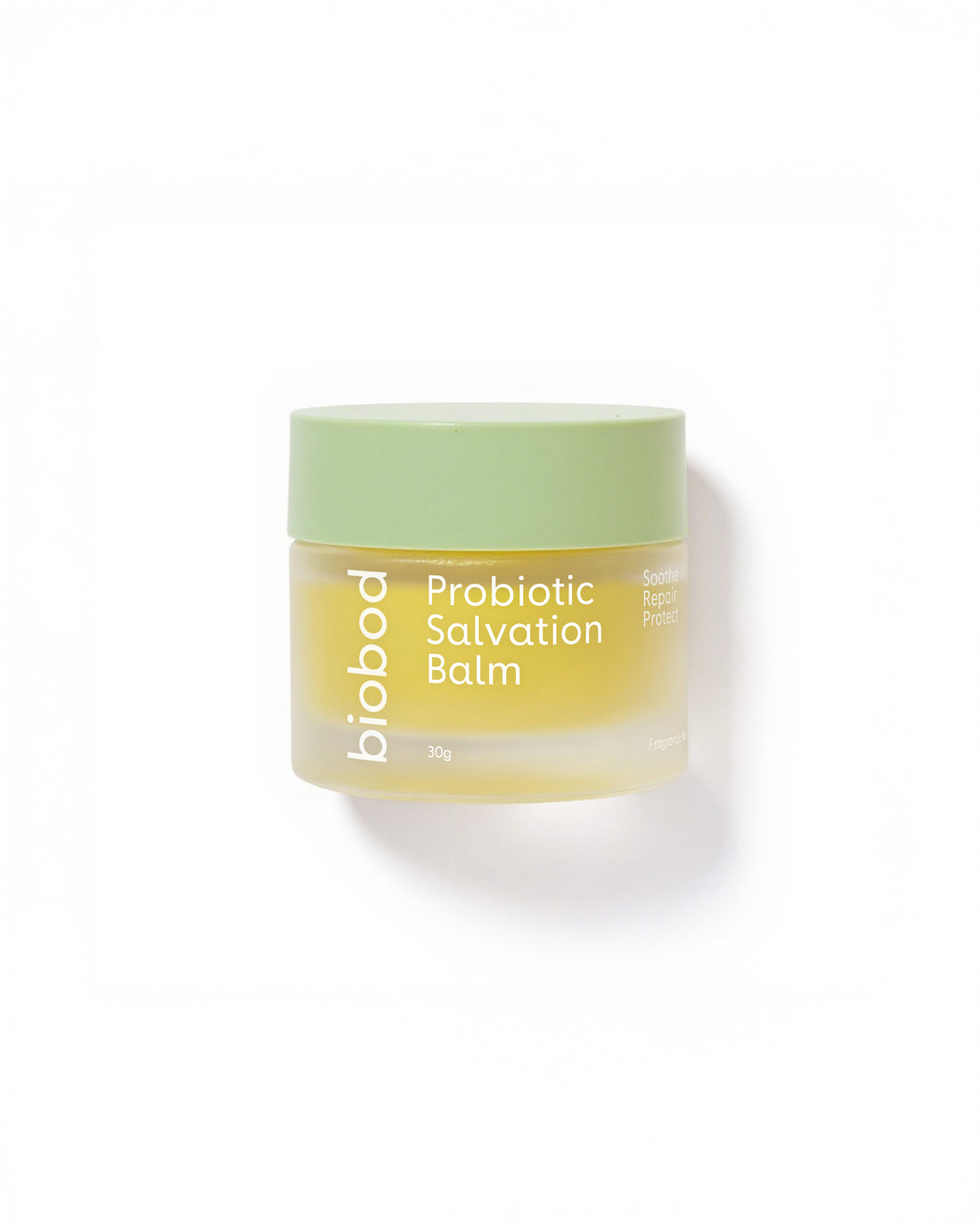
Our Skin Reset System Brighten Hydrate & Nourish is designed to support compromised sensitive and reactive skin by working with the skin rather than agitating it more.
This system helps rosacea prone skin by:
- gently cleansing without stripping
- replenishing hydration levels
- supporting barrier repair
- calming visible redness
- improving overall skin comfort
- supporting a balanced microbiome
With consistent use skin often becomes more resilient less reactive and easier to manage.

Consistency Matters More Than Actives
Rosacea prone skin responds best to consistency.
Using the Skin Reset System consistently allows the skin time to:
- rebuild its barrier
- reduce inflammation
- improve hydration retention
- strengthen its natural defences
Results are gradual but meaningful and long lasting.
What is rosacea and what causes it comes down to understanding that rosacea is a condition of sensitivity, inflammation and imbalance.
With gentle skincare barrier support and consistent routines rosacea prone skin can feel calmer stronger and more comfortable.