
Hyaluronic acid benefits for acne are often misunderstood because acne is wrongly treated as a problem that needs drying out rather than supporting. In reality acne prone skin is frequently dehydrated inflamed and barrier impaired which makes breakouts harder to calm and heal.
When skin lacks water it overproduces oil disrupts the microbiome and becomes more reactive. This creates the perfect environment for congestion inflammation and ongoing breakouts. Hyaluronic acid works differently. Instead of stripping the skin it restores hydration balance strengthens the barrier and creates conditions where acne can calm naturally.
What Is Hyaluronic Acid and Why Does Acne Prone Skin Need It
Hyaluronic acid is a naturally occurring molecule found in the skin joints and connective tissue. Its primary role is water retention. One molecule of hyaluronic acid can hold up to one thousand times its weight in water.
For acne prone skin this matters more than most people realise.
Acne skin is often dehydrated not oily in a healthy way. When water levels drop the skin compensates by producing excess sebum which can clog pores and fuel breakouts. Dehydration also weakens the skin barrier allowing irritants and acne triggering bacteria to penetrate more easily.
Hyaluronic acid restores water levels within the skin without clogging pores or triggering breakouts. It hydrates without heaviness making it ideal for acne prone sensitive and inflamed skin types.
How Hyaluronic Acid Helps Acne at a Skin Biology Level
Hyaluronic acid benefits for acne go beyond surface hydration. Its effects occur at multiple levels of skin function.
First it improves barrier integrity. Hydrated skin cells function better repair faster and are more resistant to irritation. A strong barrier reduces inflammation and helps prevent the cascade of events that lead to breakouts.
Second it regulates oil production indirectly. When skin is properly hydrated it no longer needs to overproduce oil as a protective response. This helps reduce congestion over time.
Third it supports wound healing. Acne lesions are micro wounds in the skin. Hyaluronic acid supports tissue repair which helps pimples resolve faster and reduces post acne marks.
Fourth it calms inflammation. Well hydrated skin has lower levels of inflammatory signalling which helps reduce redness swelling and tenderness associated with acne.
Is Hyaluronic Acid Safe for Acne and Breakouts
Yes hyaluronic acid is considered one of the safest and most universally tolerated ingredients for acne prone skin.
It is non comedogenic meaning it does not clog pores
It is lightweight and breathable
It does not disrupt the skin microbiome
It supports healing rather than forcing exfoliation
Unlike harsh acne treatments that strip and inflame the skin hyaluronic acid works with your skin’s natural biology.
This makes it suitable for inflammatory acne adult acne hormonal breakouts and acne alongside sensitivity or eczema prone skin.
Scientific Evidence Supporting Hyaluronic Acid for Acne
Clinical research consistently shows that hydration is a key factor in acne management even though it has been historically overlooked.
Studies demonstrate that improving skin hydration reduces transepidermal water loss and strengthens the stratum corneum barrier. When barrier function improves inflammatory acne lesions reduce in severity and healing time improves.
Hyaluronic acid has also been shown to accelerate wound repair increase keratinocyte migration and reduce inflammation markers in the skin. This directly supports acne recovery and reduces the likelihood of prolonged redness or post inflammatory pigmentation.
Importantly research shows that hydrating treatments improve tolerance to acne actives such as retinoids which often cause dryness and irritation. Hyaluronic acid allows acne treatments to work more effectively without compromising skin health.
Why Dehydration Makes Acne Worse
One of the biggest myths in acne care is that hydration causes breakouts. The opposite is true.
Dehydrated skin sends stress signals to the sebaceous glands which respond by producing more oil. This oil mixes with dead skin cells creating blockages in pores. At the same time dehydration weakens the skin’s immune response making it easier for acne bacteria to thrive.
This is why many people experience worsening breakouts after using drying cleansers exfoliants or acne spot treatments.
Hyaluronic acid interrupts this cycle by restoring water balance without adding oil or heaviness.
Hyaluronic Acid vs Traditional Acne Treatments
Traditional acne treatments focus on killing bacteria stripping oil or increasing cell turnover. While these can be useful they often come with side effects including dryness irritation and barrier damage.
Hyaluronic acid takes a supportive approach.
It does not kill bacteria but creates an environment where the skin can regulate itself
It does not strip oil but balances hydration to reduce excess sebum
It does not inflame the skin but soothes and strengthens
This makes it especially beneficial for long term acne management rather than short term suppression.
Why Biobod Uses Hyaluronic Acid Differently
At Biobod we do not isolate ingredients without context. Hyaluronic acid is most effective when combined with barrier supportive and microbiome friendly ingredients.
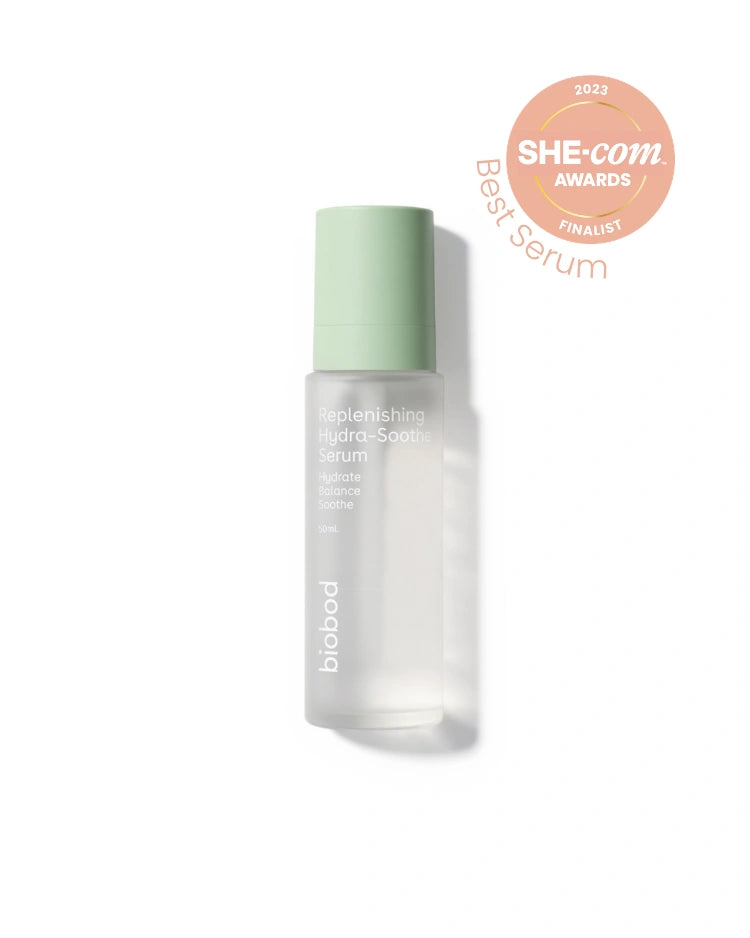
The Replenishing Hydra-Soothe Serum has been formulated specifically for sensitive reactive and acne prone skin using a synergistic blend of hydration calming and skin restoring actives.
Rather than flooding the skin with one ingredient we focus on balance.
Replenishing Hydra-Soothe Serum for Acne Prone Skin
The Replenishing Hydra-Soothe Serum delivers hyaluronic acid in a lightweight bioavailable form that absorbs quickly without residue or stickiness.
Sodium Hyaluronate is the salt form of hyaluronic acid with a smaller molecular size allowing deeper hydration and better skin compatibility.
This hydration is supported by humectants such as glycerin sodium PCA and betaine which mimic the skin’s natural moisturising factors. Together they create long lasting hydration without congestion.

Ingredient Breakdown and Acne Benefits
Centella Asiatica Extract
Supports wound healing calms inflammation and reduces redness. Particularly beneficial for inflamed acne lesions and sensitised skin.
Aloe Barbadensis Leaf Juice
Soothes irritation hydrates and supports healing. Helps reduce redness associated with active breakouts.
Camellia Sinensis Tea Extract
Provides antioxidant protection and reduces inflammatory stress in acne prone skin.
Inulin Prebiotic
Supports a healthy skin microbiome which is critical for acne control. A balanced microbiome helps reduce acne causing bacteria without disrupting beneficial flora.
Lactic Acid Postbiotic
Supports gentle skin renewal and barrier health without exfoliation stress. Helps maintain optimal skin pH which discourages acne bacteria growth.
Allantoin
Promotes healing and reduces irritation helping blemishes recover faster.
Cyclodextrin
Enhances ingredient stability and controlled delivery reducing irritation risk.
This formulation avoids fragrance essential oils drying alcohols and harsh preservatives making it suitable for compromised acne prone skin.
How Consistent Hydration Improves Breakouts Over Time
Hyaluronic acid benefits for acne are cumulative. With consistent use the skin becomes more resilient less reactive and better able to regulate itself.
Week one skin feels calmer and more comfortable
Week two reduced redness and faster blemish healing
Weeks three to four improved texture fewer inflammatory breakouts
Long term stronger barrier balanced oil production and reduced flare ups
This is not a quick fix but a sustainable path to clearer healthier skin.
How to Use Hyaluronic Acid for Acne Correctly
Apply hyaluronic acid to clean slightly damp skin to maximise hydration binding
Follow with a barrier supportive oil or moisturiser if needed
Use morning and night consistently
Avoid over exfoliation which counteracts hydration benefits
The Replenishing Hydra-Soothe Serum works beautifully as a standalone hydrator or layered within a minimalist routine focused on skin repair.
Is Hyaluronic Acid Enough on Its Own for Acne
For many people hydration alone significantly improves acne especially when breakouts are driven by barrier dysfunction and inflammation.
For more persistent acne hyaluronic acid forms the foundation that allows other treatments to work without irritation. Healthy hydrated skin responds better to targeted actives and heals more efficiently.
Who Benefits Most from Hyaluronic Acid for Acne
- Inflammatory acne
- Adult and hormonal acne
- Acne with sensitivity or rednes
- Post acne healing and scarring prevention
- Acne prone skin using active treatments
It is suitable for all ages genders and skin types including those who have struggled with harsh acne routines in the past.
Hyaluronic acid benefits for acne lie in its ability to restore balance rather than force change. Acne is not simply a surface issue. It is a signal of skin stress inflammation and imbalance.
By supporting hydration barrier function and microbiome health hyaluronic acid allows the skin to return to a state where breakouts are less frequent less severe and easier to heal.
The Replenishing Hydra-Soothe Serum embodies Biobod’s philosophy that healthy skin comes from working with biology not against it.
Clearer skin begins with calmer skin and calm begins with hydration.