
Effects of Sugar on Skin and Aging: What Your Skin Has Been Trying to Tell You
The effects of sugar on skin and aging are more profound than most people realise, quietly influencing everything from breakouts to fine lines, sensitivity, and long-term skin resilience.
It is not about fear or restriction. It is about understanding how your skin responds so you can support it with care, not overwhelm.
At Biobod, we believe healthy skin is not built through extremes, but through balance. When your skin feels reactive, inflamed, or unpredictable, there is often more happening beneath the surface.
What Are the Effects of Sugar on Skin and Aging
Sugar impacts the skin through a process called glycation, where excess sugar molecules attach to proteins like collagen and elastin, weakening them over time.
This can lead to:
- Fine lines and premature wrinkles
- Loss of elasticity and firmness
- Increased inflammation and redness
- Breakouts and congestion
- Weakened skin barrier function
What Happens to Your Skin When You Eat Sugar
When sugar enters the bloodstream, it does more than spike energy levels.
It triggers glycation, a process that slowly alters the structure of your skin.
Collagen, the protein responsible for keeping skin firm and smooth, becomes stiff and fragile. Elastin, which gives skin its bounce, loses its flexibility.
Over time, this creates a visible shift in the skin’s texture and resilience.
But for sensitive skin, the effects can appear much sooner.
Glycation Explained Simply
Glycation is one of the key reasons behind the effects of sugar on skin and aging.
Think of it like this. Sugar molecules attach themselves to proteins in your body, including those that keep your skin strong.
This creates what are known as Advanced Glycation End Products, or AGEs.
These compounds:
- Break down collagen faster
- Increase oxidative stress
- Trigger inflammation
- Accelerate visible ageing
It is not just about wrinkles. It is about how your skin functions day to day.
How Sugar Affects Collagen and Elasticity
Collagen is what gives your skin its structure.
When glycation occurs, collagen fibres become rigid and less able to repair themselves. This leads to:
- Skin that feels thinner
- Loss of firmness
- Fine lines forming earlier than expected
Elasticity also declines, meaning skin does not bounce back the way it used to.
This is why skin can begin to look tired, even when you are doing everything else right.
The Link Between Sugar and Inflammation
Inflammation is at the core of many skin concerns.
The effects of sugar on skin and aging are closely tied to increased inflammatory responses in the body.
For sensitive skin, this can show up as:
- Redness and flushing
- Breakouts
- Irritation and discomfort
- Slower healing
When inflammation becomes chronic, it weakens the skin barrier, making it harder for your skin to protect itself.
Does Sugar Cause Acne?
Sugar does not directly cause acne, but it can contribute to breakouts by increasing insulin levels and inflammation.
When insulin spikes:
- Oil production increases
- Pores are more likely to clog
- Inflammation worsens
For acne-prone sensitive skin, this combination can create a cycle that feels difficult to break.
Sugar and the Skin Barrier
Your skin barrier is your first line of defence.
It keeps moisture in and irritants out.
High sugar intake can compromise this barrier by increasing inflammation and oxidative stress.
When the barrier is weakened:
- Skin becomes more reactive
- Hydration levels drop
- Sensitivity increases
- Healing slows down
This is where supportive skincare becomes essential.
Signs Sugar May Be Affecting Your Skin
Your skin often reflects internal changes before anything else.
You might notice:
- Dull or uneven tone
- Fine lines appearing earlier
- Frequent breakouts
- Increased redness
- Skin that feels tight yet oily
These are not flaws. They are signals.
How to Support Your Skin Without Restriction
This is not about cutting everything out.
It is about creating balance so your skin feels supported.
Start with small, realistic shifts:
- Pair sugar with protein or healthy fats to reduce spikes
- Stay hydrated to support cellular function
- Focus on whole, nutrient-rich foods
Most importantly, support your skin barrier externally.
Why Barrier Support Matters More Than Ever
When your skin is exposed to internal stressors like sugar, your barrier needs extra care.
This is where Biobod’s philosophy comes in.
Engineered for sensitivity. Powered by The Biome Advantage™
Supporting your microbiome and strengthening your barrier helps your skin stay calm, resilient, and balanced, even when life is not perfect.
Recommended Routine for Sugar-Stressed Skin
When your skin feels inflamed or reactive, less truly is more.
A simple routine helps reduce overwhelm and allows your skin to reset.
Step 1 Cleanse Gently
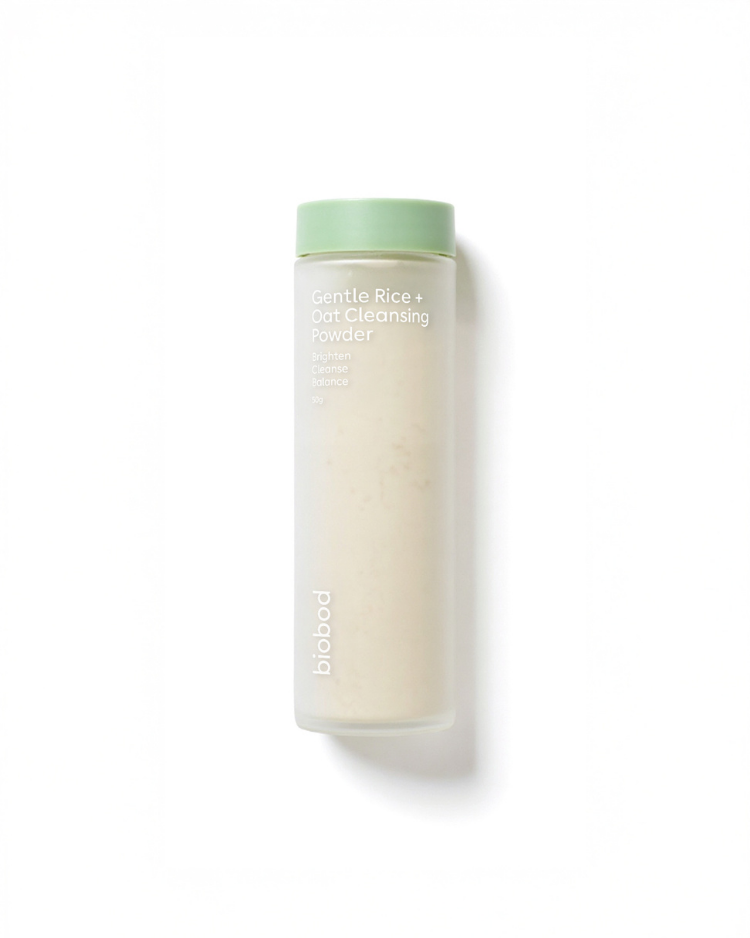
Use a non-stripping cleanser that respects your skin’s natural balance
Step 2 Hydrate and Calm
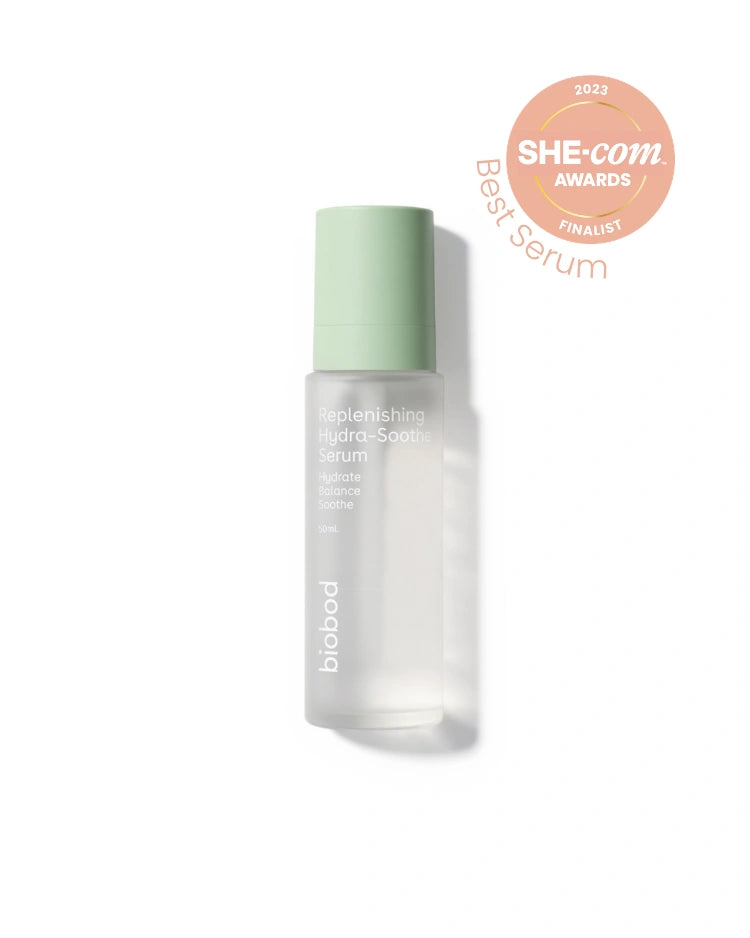
A lightweight serum helps replenish hydration and soothe inflammation
Step 3 Nourish and Protect
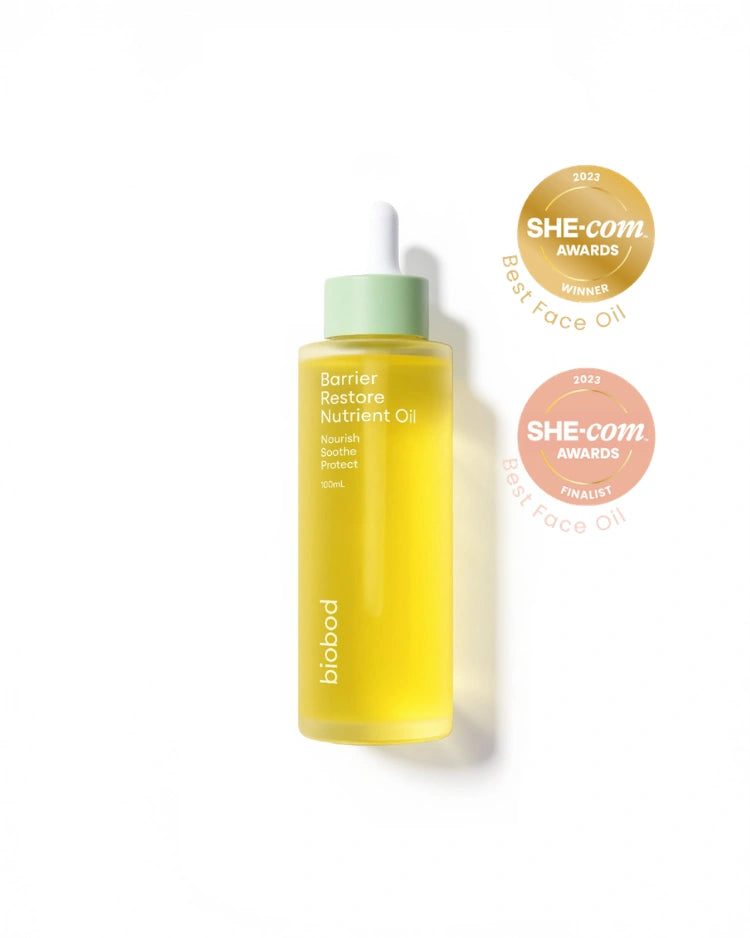
A barrier-supportive oil locks in moisture and supports repair
Biobod’s Barrier Restore Nutrient Oil is designed to do exactly this.
With a blend of plant-based squalane, jojoba, grape seed, and oat kernel oil, it works with your skin, not against it.
It is lightweight, non-comedogenic, and deeply nourishing without overwhelming sensitive skin.
Can You Reverse the Effects of Sugar on Skin?
You cannot fully reverse glycation, but you can slow its effects and support your skin’s repair process.
Focus on:
- Antioxidant-rich skincare
- Barrier repair
- Consistent hydration
- Reducing inflammation
Your skin is incredibly adaptive. When supported properly, it can regain balance and resilience.
The Role of Antioxidants
Antioxidants help protect your skin from oxidative stress caused by sugar and environmental factors.
They work by neutralising free radicals that contribute to ageing and inflammation.
This is why combining internal balance with external support creates the best results.
Why Less Is More for Sensitive Skin
When skin is already stressed, adding more products can make things worse.
A simplified routine allows your skin to:
- Reset its natural functions
- Reduce irritation
- Strengthen its barrier
This is the foundation of long-term skin health.
The Emotional Side of Skin and Diet
It is easy to feel like you need to be perfect.
But skin does not thrive under pressure.
The goal is not to eliminate sugar completely. It is to understand your skin and respond with care.
Balance creates consistency. Consistency creates results.
Your Skin Is Always Communicating
The effects of sugar on skin and aging are not something to fear, but something to understand.
Your skin is not working against you. It is responding to what it experiences, both internally and externally.
When you support your barrier, nourish your microbiome, and simplify your routine, your skin begins to feel safe again.
And when skin feels safe, it thrives.