
How to increase good bacteria on skin is one of the most important questions in modern skin health because your skin does not thrive by being stripped or sterilised but by being supported, nourished, and allowed to function as nature intended.
Your skin is home to trillions of microorganisms. This living ecosystem is known as the skin microbiome, and when it is balanced, skin appears calmer, stronger, clearer, and more resilient. When it is disrupted, sensitivity, inflammation, dryness, breakouts, and barrier damage often follow.
Understanding how to increase good bacteria on skin is not about adding more products. It is about choosing the right ones and using them consistently in a way that respects your skin biology.
What Are Good Bacteria on Skin?
Good bacteria on skin are beneficial microorganisms that protect, regulate, and support skin function. They help keep harmful bacteria in check, strengthen the skin barrier, regulate inflammation, and support healthy immune responses in the skin.
A balanced microbiome supports:
- reduced redness and reactivity
- improved hydration and barrier strength
- calmer breakouts
- better healing and recovery
- long-term skin resilience
When good bacteria are depleted, skin becomes vulnerable. This is often seen in people with sensitive, reactive, eczema-prone, acne-prone, or compromised skin.
Why Increasing Good Bacteria on Skin Matters
Your skin barrier and microbiome work together. When one suffers, the other follows.
Harsh cleansers, over-exfoliation, excessive actives, and fragranced products can strip away protective bacteria. Environmental stress, hormonal shifts, stress, illness, and even seasonal changes can further disrupt this balance.
Learning how to increase good bacteria on skin helps restore harmony rather than forcing results. It supports skin from the inside out rather than overwhelming it.
How to Increase Good Bacteria on Skin Naturally
Use Microbiome-Supportive Cleansing
Cleansing should remove impurities without disrupting beneficial bacteria. Over-cleansing or using foaming surfactants can reduce microbial diversity and weaken barrier function.
A gentle, low-irritation cleanse helps maintain good bacteria while preparing skin to absorb nutrients. Look for formulas that are non-stripping, pH-balanced, and free from harsh preservatives or fragrance.
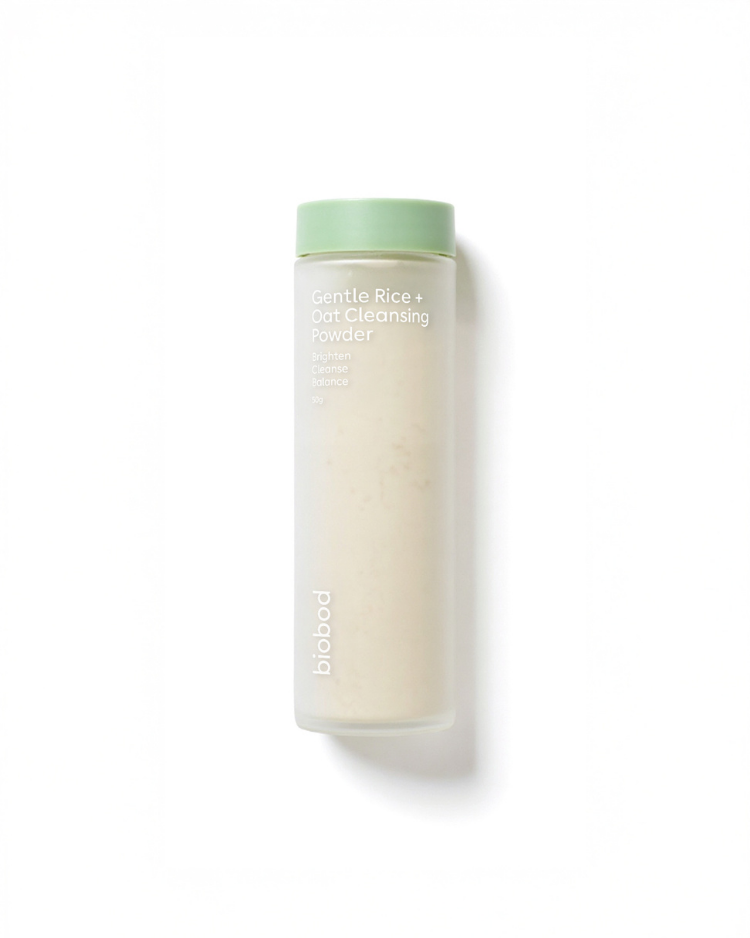
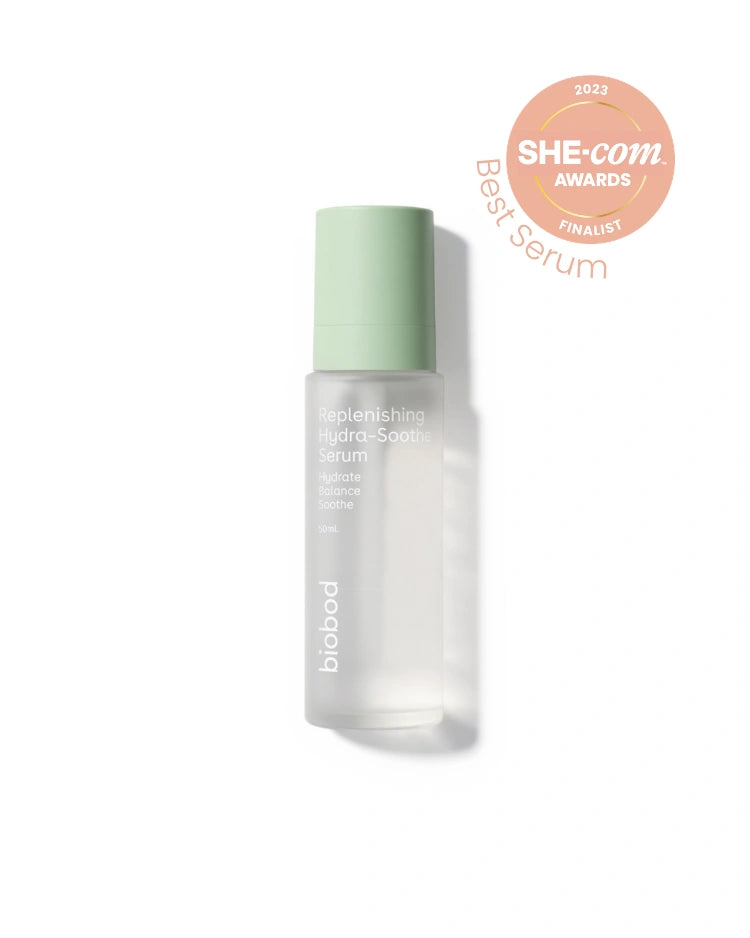
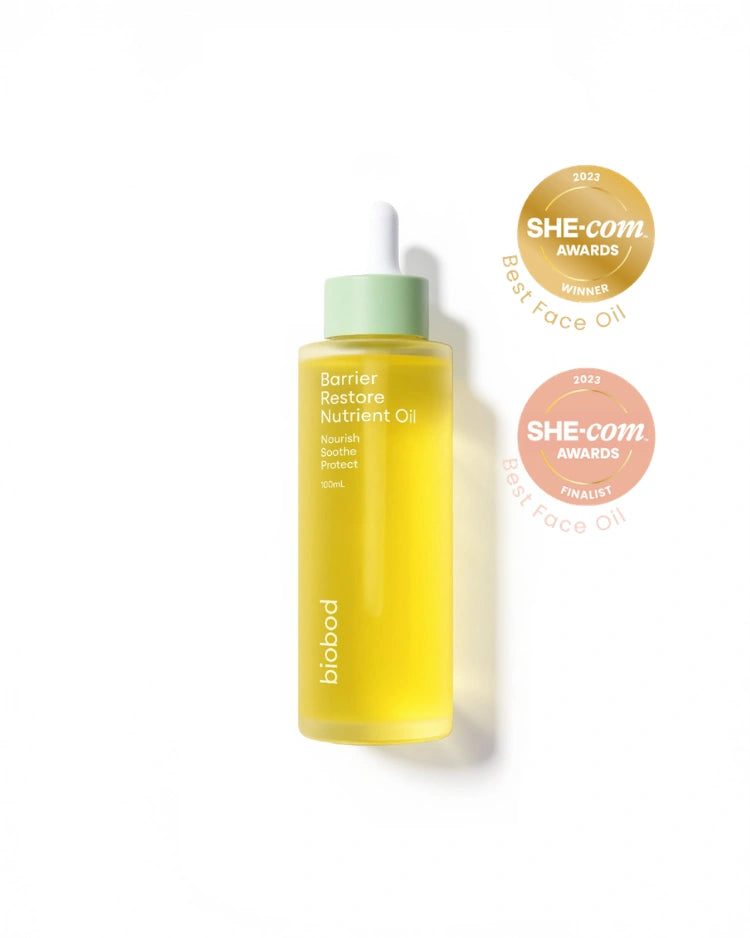
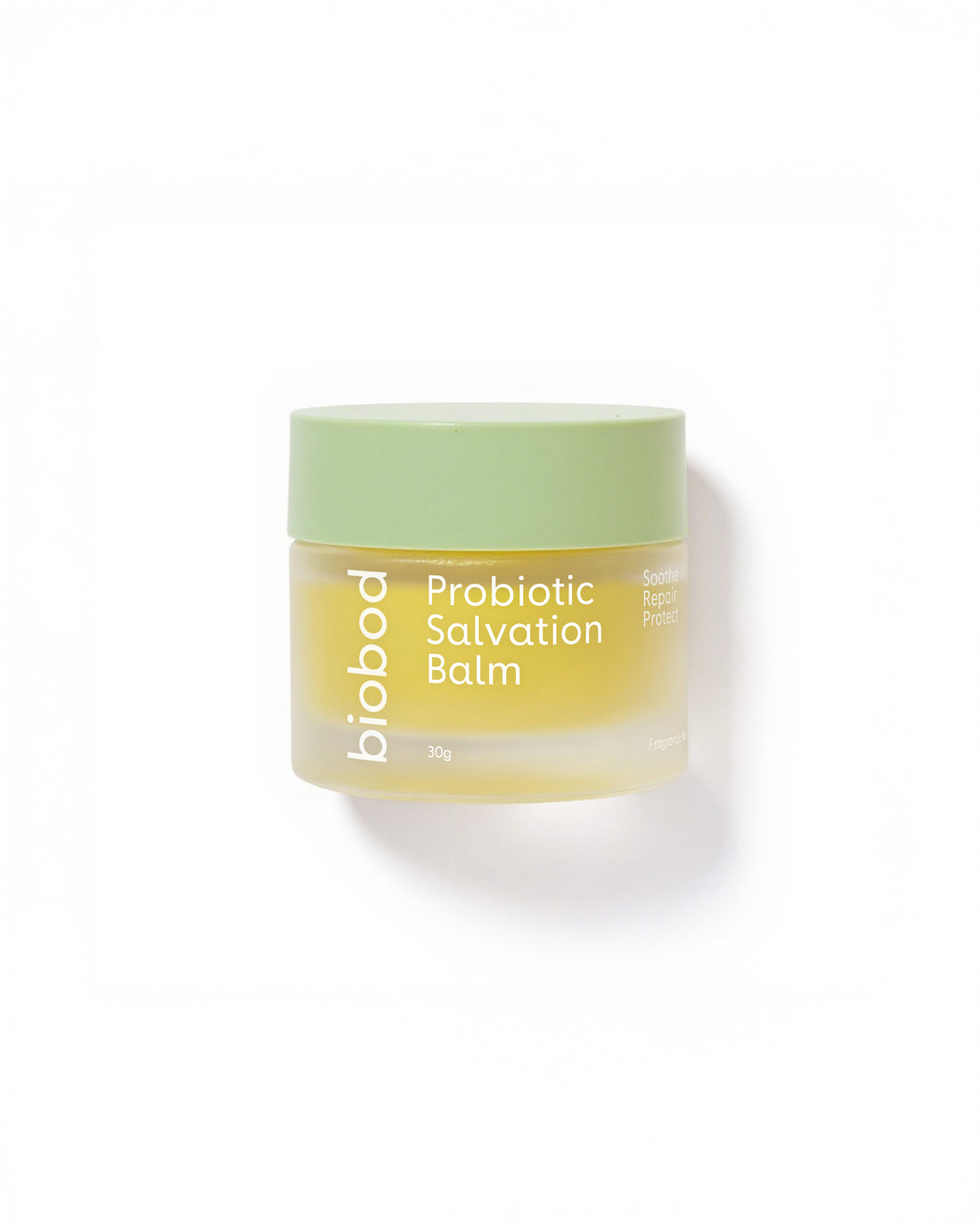
Within the Skin Reset System: Brighten, Hydrate & Nourish, cleansing is designed to respect the microbiome while supporting daily skin reset without compromise.

Feed the Skin with Prebiotics and Postbiotics
Good bacteria thrive when they are fed, not attacked.
Prebiotics support the growth of beneficial bacteria by providing nutrients that encourage balance. Postbiotics help regulate inflammation and strengthen the barrier even in sensitive or compromised skin.
When used consistently, microbiome-supportive ingredients help skin self-regulate rather than rely on aggressive intervention.
Support the Skin Barrier First
A damaged barrier cannot sustain healthy bacteria.
Barrier-strengthening ingredients such as skin-identical lipids, humectants, and soothing botanical extracts help create an environment where good bacteria can flourish.
Hydrated skin supports microbial diversity. Dry, compromised skin does not.
This is why increasing good bacteria on skin always starts with hydration and nourishment rather than exfoliation or actives.
Avoid Over-Exfoliation and Harsh Actives
Exfoliation has a place, but too much can strip the microbiome and cause long-term imbalance.
Daily acids, scrubs, retinoids, and alcohol-based products can disrupt microbial harmony if overused or layered incorrectly.
Skin that feels tight, stings, or flushes easily is often a sign that good bacteria are being depleted.
How the Skin Microbiome Changes During Pregnancy and Babyhood
Pregnancy and early life are times when the skin microbiome is especially delicate.
Hormonal shifts during pregnancy can increase sensitivity, dryness, and reactivity. Babies are born with developing skin barriers and immature microbiomes that require gentle support.
Products that help increase good bacteria on skin should always prioritise barrier safety, ingredient transparency, and low irritation risk.
Biobod formulas are designed to be suitable for sensitive skin and family use, but always check with your doctor or healthcare professional during pregnancy or when using products on babies.
Are Microbiome-Friendly Products Safe for Pregnancy and Babies?
Microbiome-supportive skincare focuses on calming, strengthening, and nourishing rather than forcing change.
Because these formulas avoid aggressive actives and rely on skin-supportive ingredients, they are often well tolerated by:
- pregnant skin
- post-partum skin
- baby and toddler skin
- sensitive and reactive skin
- compromised barriers
The Skin Reset System: Brighten, Hydrate & Nourish is formulated to support skin function rather than override it, making it a gentle choice for the whole family when used as directed.
Always consult your healthcare provider for personalised advice during pregnancy or when introducing new products for infants.
How the Skin Reset System Supports Good Bacteria on Skin
The Skin Reset System: Brighten, Hydrate & Nourish works with your skin microbiome rather than against it.
It supports good bacteria on skin by:
- cleansing without stripping beneficial microbes
- restoring hydration essential for microbial balance
- nourishing the barrier so good bacteria can thrive
- calming inflammation that disrupts microbiome health
With consistent use, skin becomes more resilient, less reactive, and better able to regulate itself naturally.
How Long It Takes to Restore Good Bacteria on Skin?
The skin microbiome responds gradually, not overnight.
Most people notice early improvements such as reduced sensitivity and better hydration within a few weeks. Deeper resilience and balance often develop over one to three months with consistent care.
Consistency matters more than intensity. Gentle daily routines outperform aggressive treatments when it comes to microbiome repair.
Signs Your Skin Microbiome Is Improving
Positive changes often include:
- less redness and irritation
- improved hydration retention
- fewer reactive flare-ups
- smoother texture
- stronger tolerance to environmental stress
These changes indicate that good bacteria are re-establishing balance and supporting the skin barrier effectively.
This approach supports long-term skin health rather than short-term fixes.
Common Mistakes That Reduce Good Bacteria on Skin
- Over-cleansing morning and night
- Using foaming or fragranced cleansers
- Layering too many actives
- Exfoliating too frequently
- Treating sensitivity as something to fight rather than support
Avoiding these habits is just as important as adding microbiome-friendly products.
How to Increase Good Bacteria on Skin Long Term
True microbiome health is a long-term relationship with your skin.
Focus on:
- gentle cleansing
- consistent hydration
- barrier nourishment
- microbiome-supportive ingredients
- simple routines that respect skin biology
When you learn how to increase good bacteria on skin through support rather than suppression, skin becomes calmer, stronger, and more adaptable at every stage of life.
Increasing Good Bacteria on Skin
Your skin does not need to be controlled. It needs to be understood.
Learning how to increase good bacteria on skin allows your skin to do what it was designed to do protect, heal, and thrive.
By choosing microbiome-supportive care like the Skin Reset System: Brighten, Hydrate & Nourish, you create an environment where your skin can restore balance naturally, safely, and gently for sensitive skin, pregnancy, babies, and the whole family.