
Are essential oils good for skin?
Are essential oils good for skin is one of the most searched skincare questions, especially as more people move toward natural and plant-based routines. On the surface, essential oils sound gentle, botanical, and beneficial. But when it comes to sensitive, reactive, or compromised skin, the reality is more complex.
For many skin types, especially those prone to redness, irritation, breakouts, or barrier disruption, essential oils are not recommended. Dermatologists consistently caution that essential oils can act as irritants rather than healers, even when they are derived from plants and used in small amounts.
Understanding why requires looking beyond marketing language and focusing on how skin actually functions.
What are essential oils in skincare?
Essential oils are highly concentrated aromatic compounds extracted from plants, flowers, leaves, peels, and resins. In skincare, they are most commonly used for fragrance, sensory experience, and perceived calming or antibacterial effects.
Unlike carrier oils such as jojoba or squalane, essential oils are volatile and biologically active. They contain dozens of chemical constituents that interact directly with skin cells and nerve endings.
This is where problems can begin, particularly for sensitive or reactive skin.
Are essential oils good for sensitive or reactive skin?
For sensitive or reactive skin, essential oils are generally not considered skin-supportive.
Sensitive skin is defined by a weakened or easily disrupted barrier. When the barrier is compromised, substances that would normally stay on the surface can penetrate deeper, triggering inflammation, stinging, redness, or delayed irritation.
Essential oils increase this risk because they are small, highly active molecules designed by plants to protect themselves, not human skin.
This is why many people experience reactions not immediately, but weeks or months after using essential oil-based products consistently.
For a deeper explanation of how irritation develops over time, see Common Skin Irritants in Skin Care
What dermatologists say about essential oils and skin
Dr.Whitney Bowe a New York–based board-certified dermatologist, research scientist has spoken extensively about the impact of fragrance and essential oils on the skin barrier. She explains that fragrance compounds, including those from essential oils, are one of the most common causes of contact dermatitis and cumulative skin sensitivity.
Her position aligns with broader dermatological consensus. Essential oils may smell calming, but they stimulate sensory receptors in the skin, which can increase inflammation rather than reduce it, particularly in compromised or reactive skin.
Importantly, dermatologists emphasise that irritation does not always appear immediately. Skin can become sensitised slowly, meaning a product that once felt fine can suddenly cause redness, burning, or breakouts.
Why essential oils can be problematic for skin
They disrupt the skin barrier
Essential oils can dissolve lipids in the outer layer of the skin. These lipids are essential for keeping moisture in and irritants out. When they are weakened, skin becomes more reactive.
They stimulate nerve endings
That cooling, warming, or tingling sensation is not soothing. It is nerve activation. For sensitive skin, this stimulation can escalate inflammation.
They increase the risk of sensitisation
Repeated exposure to essential oils can train the immune system to overreact. This is why people often develop new sensitivities later in life.
They complicate skin recovery
Skin that is healing from inflammation, breakouts, or environmental stress needs calm, not stimulation. Essential oils interfere with that recovery process.
If your skin has become more reactive with age, this is especially relevant Ingredients to Avoid in Skin Care Products for Mature Skin
Essential oils commonly linked to skin irritation
While any essential oil can cause irritation, some are more frequently associated with reactions, especially on the face.
Essential oils to avoid if you have sensitive or reactive skin include:
- Lavender oil
- Tea tree oil
- Peppermint oil
- Eucalyptus oil
- Lemongrass oil
- Bergamot oil
- Lemon oil
- Orange oil
- Grapefruit oil
- Rosemary oil
Citrus oils are particularly problematic due to their photosensitising properties, which can increase redness and pigmentation when exposed to sunlight.
Mint and eucalyptus oils often cause stinging and burning sensations, even at low concentrations.
Why natural does not automatically mean gentle
One of the biggest skincare myths is that natural ingredients are always safer. In reality, many of the most common skin irritants are plant-derived.
Essential oils are complex chemical mixtures. Each oil can contain dozens of compounds, making reactions harder to predict and control.
Synthetic fragrance can be irritating, but essential oils are not inherently gentler. In fact, they are often more biologically active.
This is why dermatologists focus less on whether an ingredient is natural and more on how it interacts with the skin barrier.
For a broader breakdown of ingredients that can undermine skin health, read 10 Skincare Ingredients to Avoid If You’re Sensitive, Reactive
Are essential oils good for skin long term?
Long-term use of essential oils on the face is associated with an increased risk of cumulative irritation and sensitisation.
Skin has memory. Repeated low-grade inflammation can slowly weaken barrier function, leading to persistent redness, uneven texture, dehydration, and reactive flare-ups.
This process is often mistaken for ageing, when in reality it is chronic irritation.
Removing essential oils is one of the most effective ways to calm skin long term.
What skin actually needs instead of essential oils
Healthy skin relies on balance, not stimulation. Instead of essential oils, skin benefits from ingredients that support its natural structure and recovery processes.
Look for formulations that include
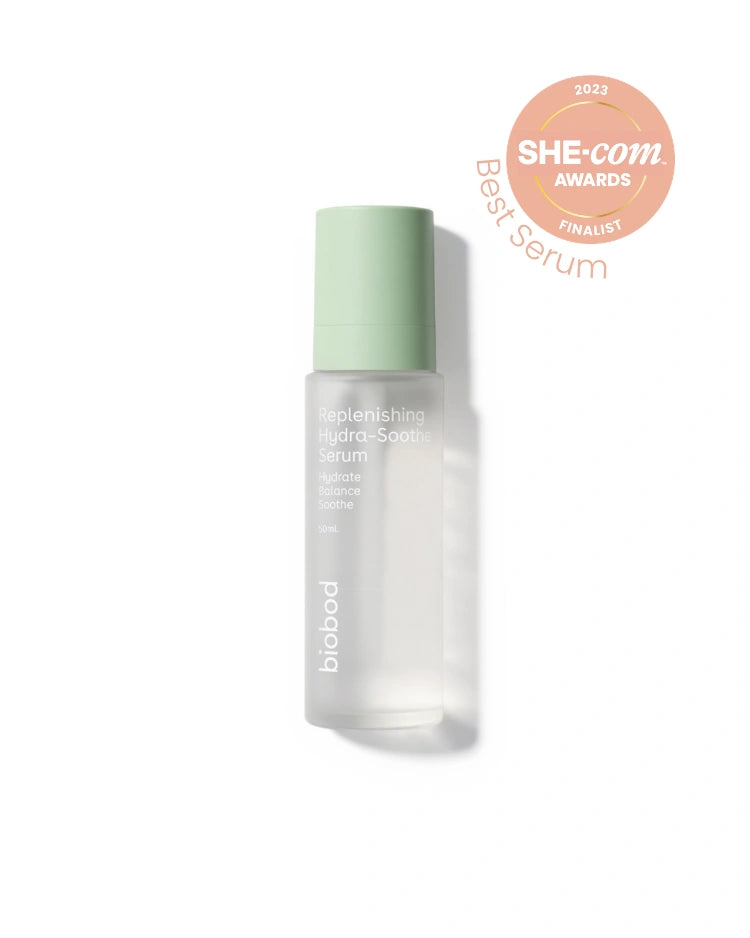
- Humectants like glycerin to bind water
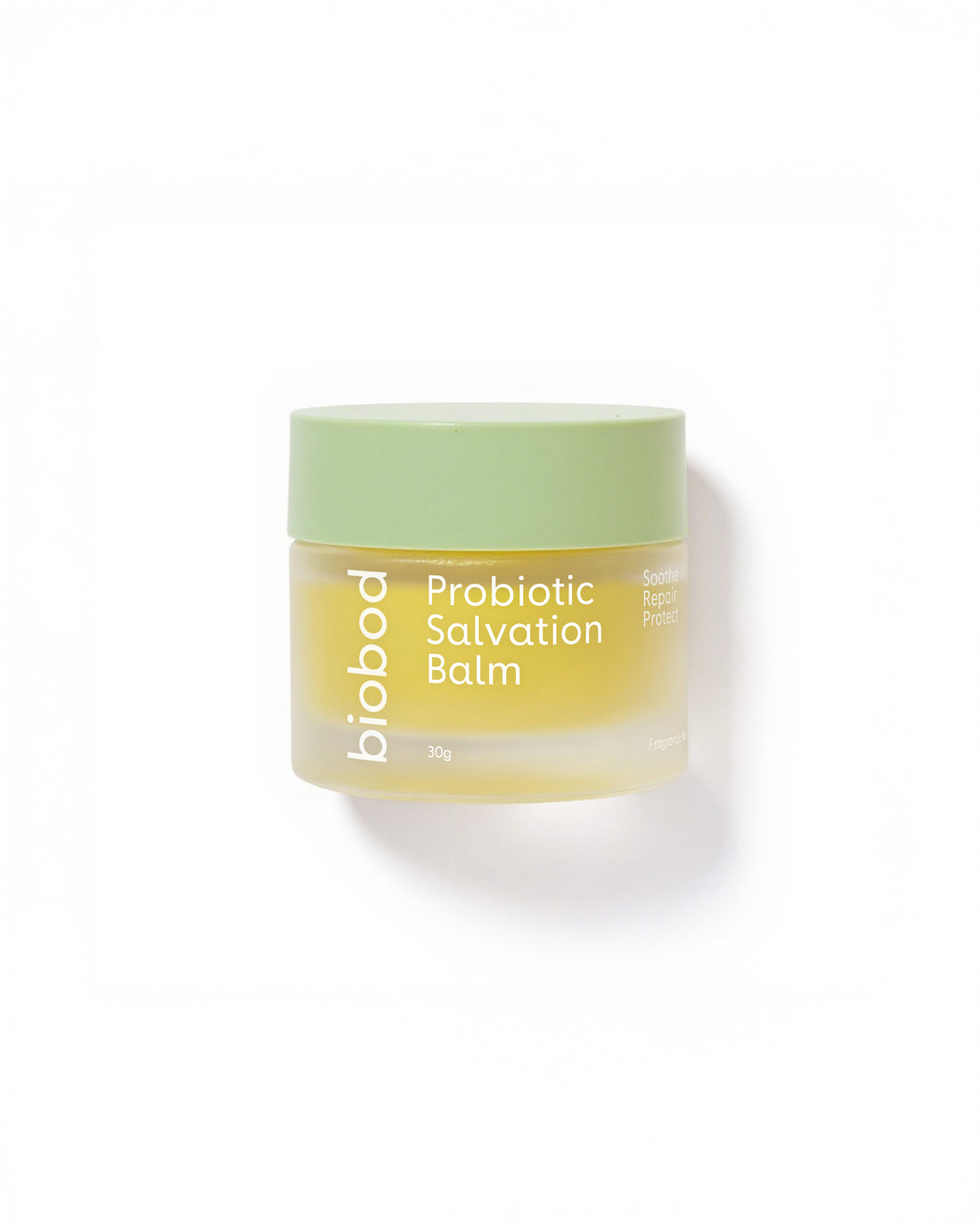
- Skin-identical lipids to strengthen the barrier
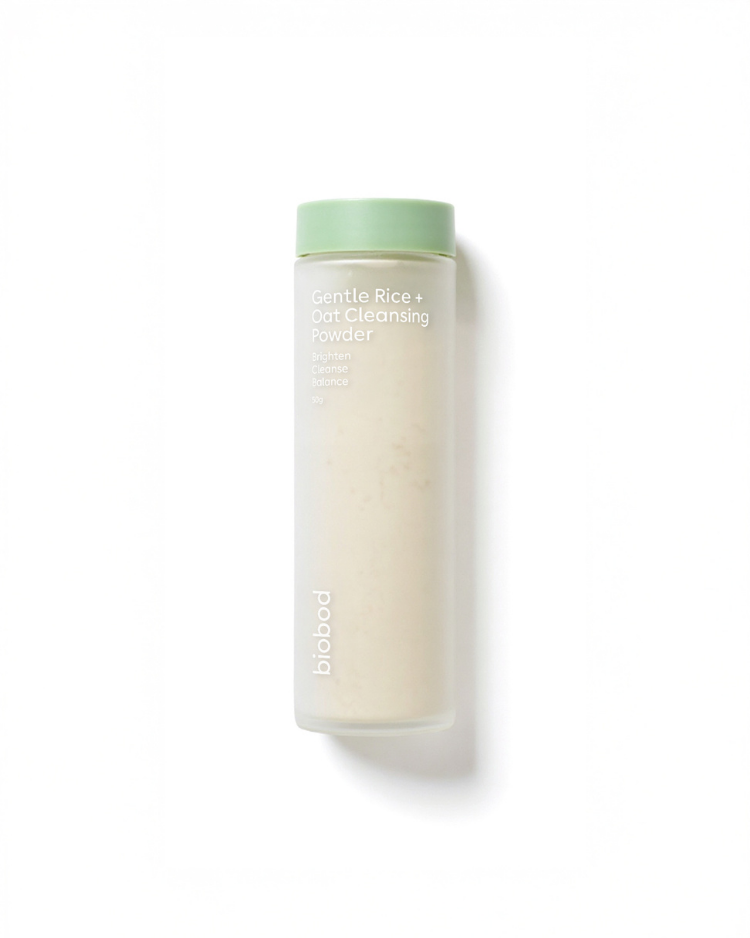
- Oat-derived actives to calm inflammation
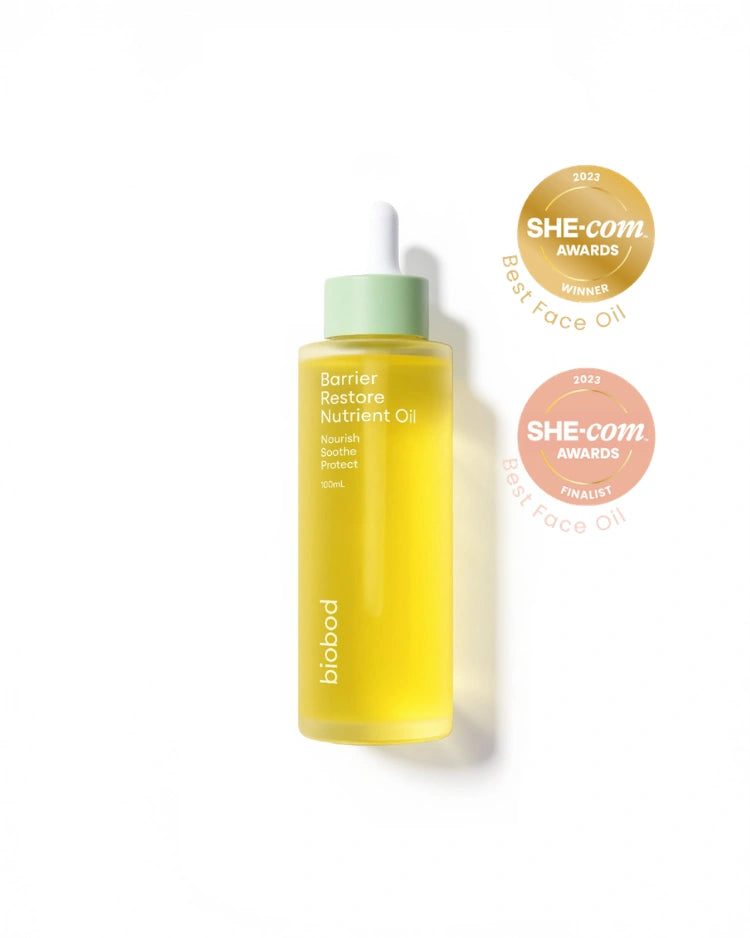
- Lightweight oils that mimic skin’s natural sebum
- Fragrance-free formulations
These ingredients work quietly in the background, improving resilience rather than creating short-term sensory effects.
Can anyone use essential oils on skin?
Some people with robust, non-reactive skin may tolerate essential oils, particularly when used infrequently and at very low concentrations. However, tolerance does not equal benefit.
From a skin health perspective, essential oils offer no functional advantage over barrier-supportive ingredients and carry a higher risk profile.
For sensitive, reactive, or easily irritated skin, avoiding essential oils is considered best practice.
How to choose skincare if your skin is reactive
When evaluating products, prioritise
- Fragrance-free formulas
- No essential oils
- Short, purposeful ingredient lists
- Barrier-focused formulations
- Products that feel neutral on application
If a product tingles, burns, or feels active, it is not designed for calming skin.