
Linoleic acid benefits for skin are becoming widely recognized, especially for those seeking calm, balanced and resilient skin. This essential fatty acid plays a powerful role in strengthening the skin barrier, supporting hydration and helping regulate oil production.
Unlike heavier oils that may feel occlusive or congesting, linoleic acid is lightweight and skin compatible. It works naturally with the skin’s own lipid structure, helping restore harmony when the barrier has been disrupted by harsh cleansers, environmental stress or over exfoliation.
For sensitive, oily, acne prone and combination skin types, oils high in linoleic acid for skin can be particularly beneficial. They support clarity without clogging pores while reinforcing the skin’s natural defences.
Understanding how linoleic acid works can help you choose products that support your skin rather than overwhelm it.
What Is Linoleic Acid?
Linoleic acid is an essential omega-6 fatty acid naturally found in plant oils that helps strengthen the skin barrier, balance sebum production and support healthy hydration.
The skin cannot produce linoleic acid on its own, meaning it must be supplied through topical skincare or diet. When applied topically it becomes part of the skin’s protective lipid matrix, helping maintain resilience and comfort.
Many dermatologists note that acne prone skin often has lower levels of linoleic acid within its sebum. Supporting the skin with oils rich in this fatty acid can help rebalance oil composition and improve overall skin health.
Why Linoleic Acid Matters for Skin Health?
Healthy skin relies on a delicate balance of lipids within the outer layer known as the stratum corneum. These lipids act like mortar between skin cells, helping retain moisture while keeping irritants out.
Linoleic acid is a key component of this system.
When the skin barrier becomes compromised, it can lead to:
- dryness and dehydration
- redness and irritation
- increased sensitivity
- breakouts and congestion
- uneven or dull complexion
Applying linoleic acid oils for skin helps replenish missing lipids, restoring the barrier’s ability to protect and retain hydration.
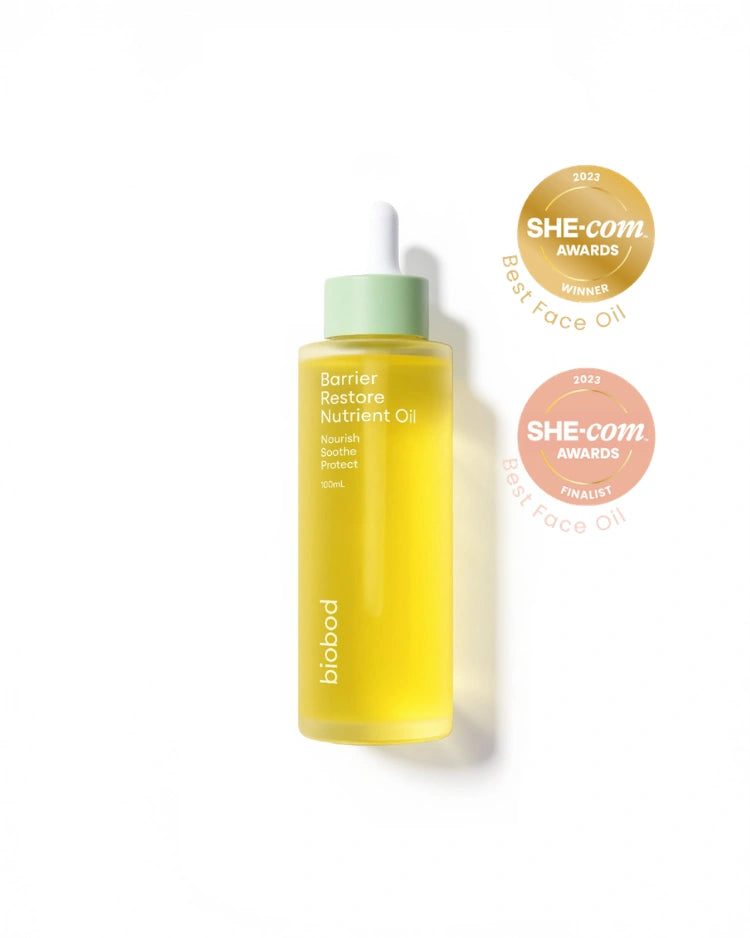
This is one reason why nourishing facial oils like our Barrier Restore Nutrient Oil are designed with multiple plant oils naturally rich in linoleic acid.

Linoleic Acid Benefits for Skin
The most important linoleic acid benefits for skin include:
- Strengthening the skin barrier
- Supporting hydration and moisture retention
- Helping regulate sebum production
- Reducing the appearance of clogged pores
- Calming redness and irritation
- Supporting healthy microbiome balance
Because of these benefits, oils high in linoleic acid for skin are often recommended for sensitive, acne prone and combination skin types.
Linoleic Acid and Acne Prone Skin
One of the most interesting discoveries in dermatology is the relationship between linoleic acid levels and acne.
Research suggests that acne prone skin often produces sebum that is lower in linoleic acid. This imbalance can make pores more likely to become clogged, contributing to breakouts.
Applying skincare containing linoleic acid rich oils may help rebalance this composition.
When the skin receives these supportive lipids it can:
- produce healthier sebum
- reduce congestion
- maintain clearer pores
- improve barrier resilience
The Barrier Restore Nutrient Oil contains several oils naturally high in linoleic acid including Grape Seed Oil, Hemp Seed Oil and Sunflower unsaponifiables. These ingredients nourish skin without leaving a heavy residue, making them well suited for acne prone or combination skin.
Oils High in Linoleic Acid for Skin
Some plant oils contain particularly high levels of linoleic acid. These oils are widely used in barrier supporting skincare formulations.
Common oils high in linoleic acid for skin include:
- Grape seed oil
- Hemp seed oil
- Sunflower oil
- Safflower oil
- Evening primrose oil
- Rosehip oil
Within the Biobod range, several of these oils appear in formulations designed to support calm balanced skin.
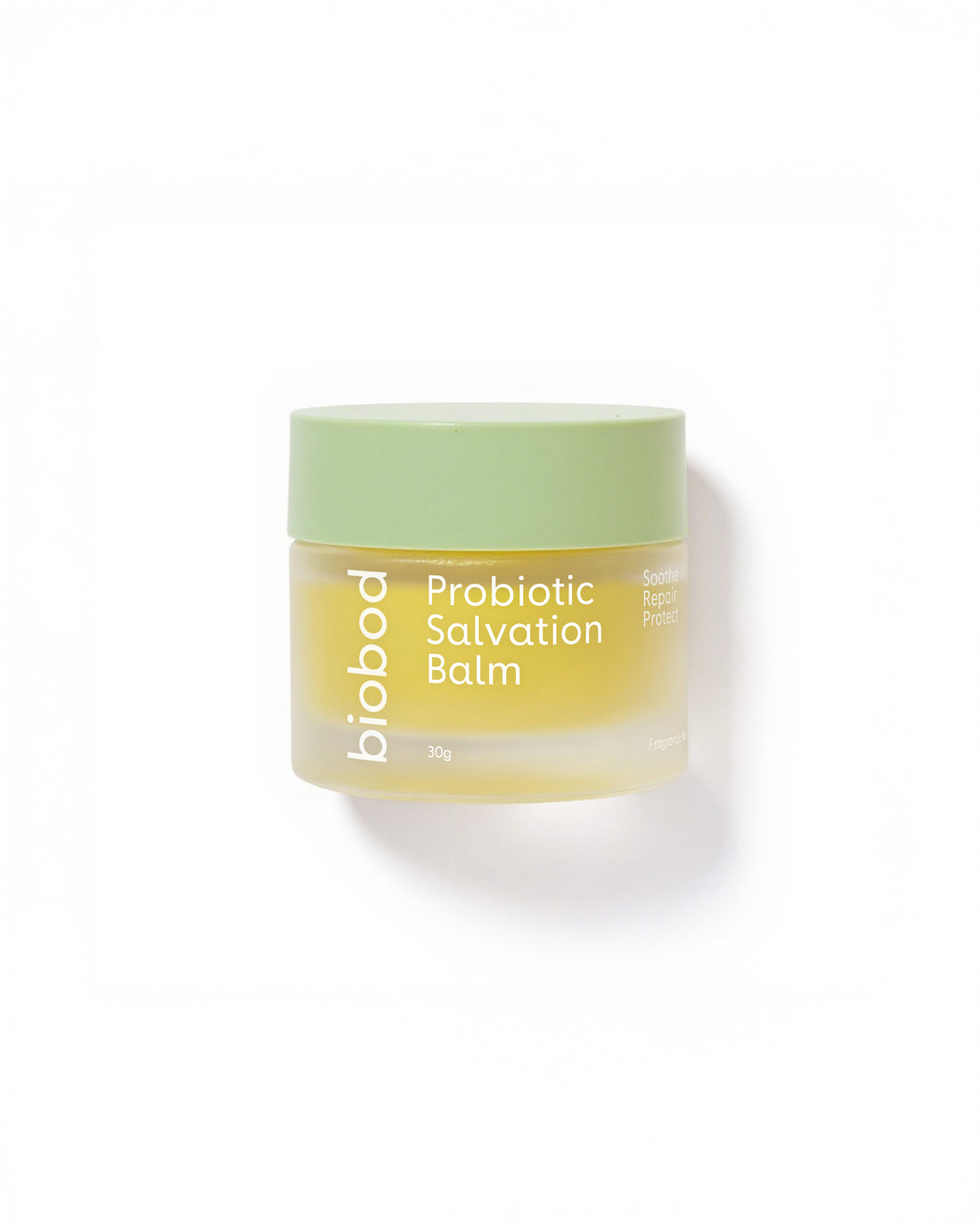
For example the Probiotic Salvation Balm contains Hemp Seed oil, Sunflower Seed oil and Oat Kernel oil which together provide nourishing fatty acids that comfort dry or compromised skin.
These ingredients help reinforce the skin barrier while also providing soothing antioxidant protection.

How Linoleic Acid Supports the Skin Barrier
The skin barrier acts as a protective shield that keeps moisture in and environmental stressors out.
Linoleic acid strengthens this barrier by supporting ceramide production. Ceramides are essential lipids that maintain the structural integrity of the outer skin layer.
When linoleic acid levels are sufficient, the skin barrier becomes more resilient and better able to retain hydration.
This can lead to:
- softer smoother skin texture
- reduced transepidermal water loss
- less irritation and redness
- improved tolerance to active ingredients
Products like the Barrier Restore Nutrient Oil are formulated with a blend of plant oils that deliver these supportive lipids directly to the skin, helping rebuild a compromised barrier over time.
Linoleic Acid for Sensitive Skin
Sensitive skin often struggles with an impaired barrier. When the protective lipid layer becomes weakened the skin becomes more reactive to everyday triggers.
Supporting the skin with gentle formulations that contain linoleic acid oils for skin can help restore comfort.
These oils help replenish missing lipids while maintaining a breathable lightweight feel on the skin.
The Probiotic Salvation Balm offers an excellent example of this approach. Alongside linoleic acid rich oils, the balm also contains soothing botanical extracts such as echium and cardiospermum which help calm reactive skin.
Together these ingredients create a nurturing environment for skin repair.
Cleansing Without Stripping the Skin Barrier
A common cause of barrier disruption is overly harsh cleansing.
Many cleansers remove not only impurities but also the essential lipids that protect the skin. This can leave the complexion tight, dry and more vulnerable to irritation.
Biobod takes a different approach by using gentle cleansing ingredients combined with nourishing lipids.
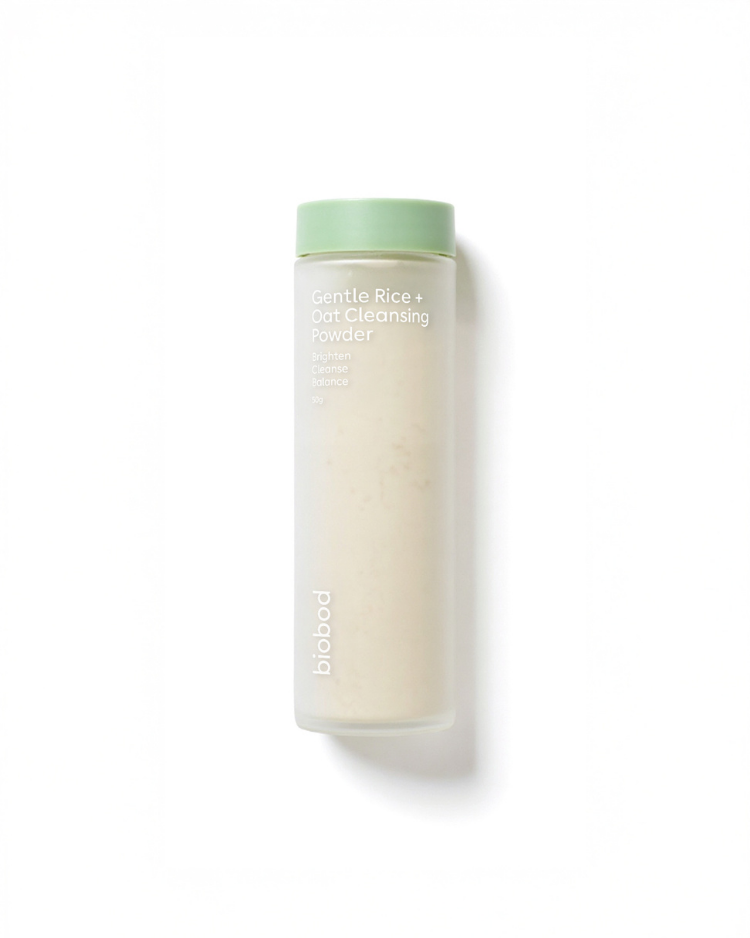
The Gentle Rice & Oat Cleansing Powder contains Jojoba and Sunflower oils which naturally provide linoleic acid while cleansing the skin. This helps maintain barrier balance rather than stripping it away. Similarly the Calming Balance Cleanse Bar uses oat flour and shea butter to gently cleanse while preserving the skin’s natural lipid layer.
Cleansing with barrier supportive ingredients helps prepare the skin to better absorb nourishing oils and serums applied afterwards.

Explore more here: Gentle Rice & Oat Cleansing Powder
Hydration and Linoleic Acid
While linoleic acid itself is not a humectant, it plays an important role in maintaining hydration.
By strengthening the lipid barrier it helps prevent water loss from the skin. This means that hydrating ingredients applied afterwards remain in the skin longer.
Pairing lipid rich products with hydrating serums creates a balanced skincare routine.
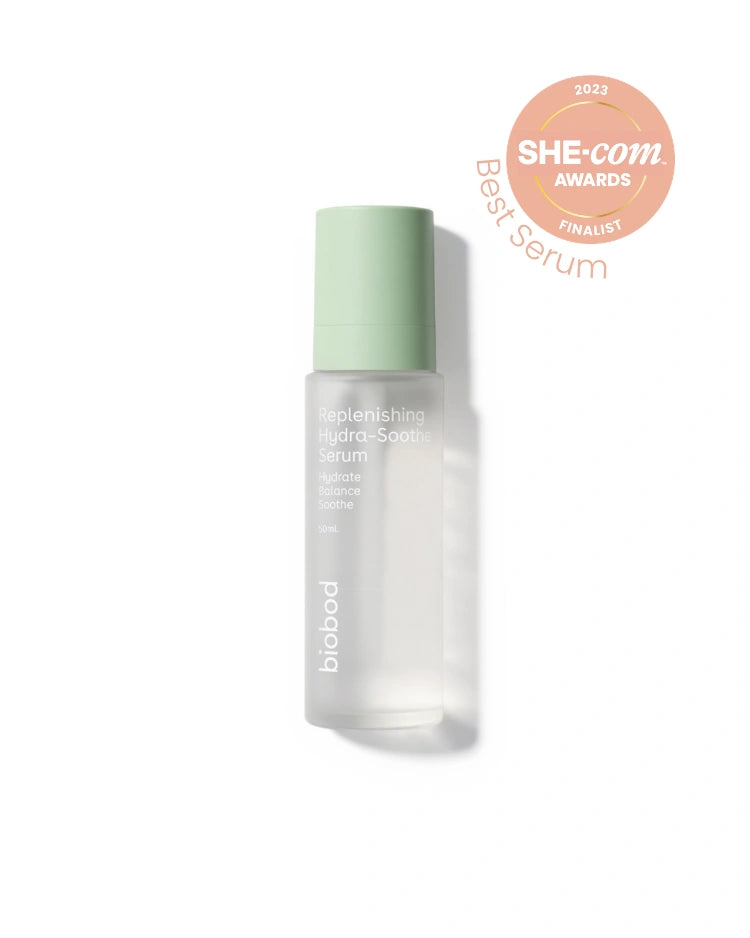
For example the Replenishing Hydra-Soothe Serum delivers humectants such as glycerin, sodium PCA and hyaluronic acid which draw moisture into the skin. Following with a nourishing oil helps seal in this hydration and maintain long lasting comfort.

Discover more here: Replenishing Hydra-Soothe Serum
Why Skin Loves Linoleic Acid
When skincare aligns with the skin’s natural structure, results tend to feel more balanced and sustainable.
Linoleic acid works because it mirrors the lipids already present within the skin barrier. Rather than overwhelming the skin it helps restore what may be missing.
This gentle restorative approach is central to Biobod’s philosophy of microbiome supportive skincare.
Instead of forcing dramatic change, the goal is to nurture the skin back to its healthiest state.
FAQ: Linoleic Acid Benefits for Skin
What does linoleic acid do for skin?
Linoleic acid helps strengthen the skin barrier, balance sebum production and support hydration. It replenishes essential lipids that maintain healthy resilient skin.
Is linoleic acid good for acne prone skin?
Yes. Acne prone skin often contains lower levels of linoleic acid in its sebum. Applying linoleic acid rich oils can help rebalance oil composition and support clearer pores.
Which oils contain the most linoleic acid?
Some of the most common oils high in linoleic acid for skin include grape seed oil, hemp seed oil, sunflower oil, safflower oil and evening primrose oil.
Can sensitive skin use linoleic acid oils?
Yes. Linoleic acid oils are generally lightweight and non occlusive, making them suitable for sensitive and reactive skin types.
Is linoleic acid better than heavier facial oils?
For many skin types yes. Oils high in linoleic acid tend to feel lighter and less pore clogging than oils dominated by oleic acid, making them suitable for combination and acne prone skin.