
Last updated: September 2026 · Estimated reading time: 5 minutes
By Natalie, Founder of biobod
Itchy skin is one of the more surprising and genuinely irritating changes that can come with menopause. It can turn up anywhere, often without an obvious rash, and it tends to be worse when skin is dry. The good news is that gentle, hydrating care helps most people feel much more comfortable. Here's why menopausal itch happens and how to soothe it.
Key takeaways
- Menopausal itch is usually linked to dryness and a more easily disrupted skin barrier.
- Hydrating, soothing, fragrance-free care and avoiding triggers help most people feel more comfortable.
- Some people experience formication a crawling or tingling sensation, which is a recognised menopause symptom.
- Skincare soothes the feeling of itch; it doesn't treat an underlying cause.
- Persistent, widespread or unexplained itch or itch with a rash or other symptoms should be checked by a GP.
Table of contents
- Why does menopause make skin itchy?
- What does menopausal itchy skin feel like?
- Where do people get itchy?
- How to calm itchy skin during menopause
- What to avoid
- When to see a professional
- Recommended biobod products
- Frequently asked questions
Why does menopause make skin itchy?
Oestrogen helps skin stay hydrated and keeps its protective barrier working well. As oestrogen declines around menopause, skin makes less oil and holds less water, so it becomes drier and dry skin is itchy skin. A weakened skin barrier also lets irritants in and moisture out more easily, which makes skin more reactive and prone to that prickly, itchy feeling. Itch and dryness usually travel together, which is why the two are best tackled at the same time, see menopause and dry skin.
What does menopausal itchy skin feel like?
It varies. Commonly it's a dry, tight, prickly itch sometimes worse at night or after a hot shower. Some people also experience formication: a crawling, tingling or "pins and needles" sensation, as though something is on the skin, even when nothing is. Formication is a recognised (if unsettling) menopause symptom linked to hormonal change. It's usually harmless, but if it's frequent or distressing, it's worth mentioning to your GP.
Where do people get itchy?
Anywhere but often the face, neck, chest, arms and legs, and areas that are driest. If you notice persistent itch specifically on the breasts, or itch with a rash, spot or patch that's changing, that's a reason to get it checked rather than manage it at home.
How to calm itchy skin during menopause
The aim is to hydrate, soothe and stop making it worse:
1. Cool it, don't heat it. Use lukewarm not hot water, and keep showers short. Heat strips oils and can intensify itch.
2. Cleanse gently. A non-stripping, fragrance-free cleanser like the Calming Balance Cleanse Bar keeps skin comfortable without adding dryness.
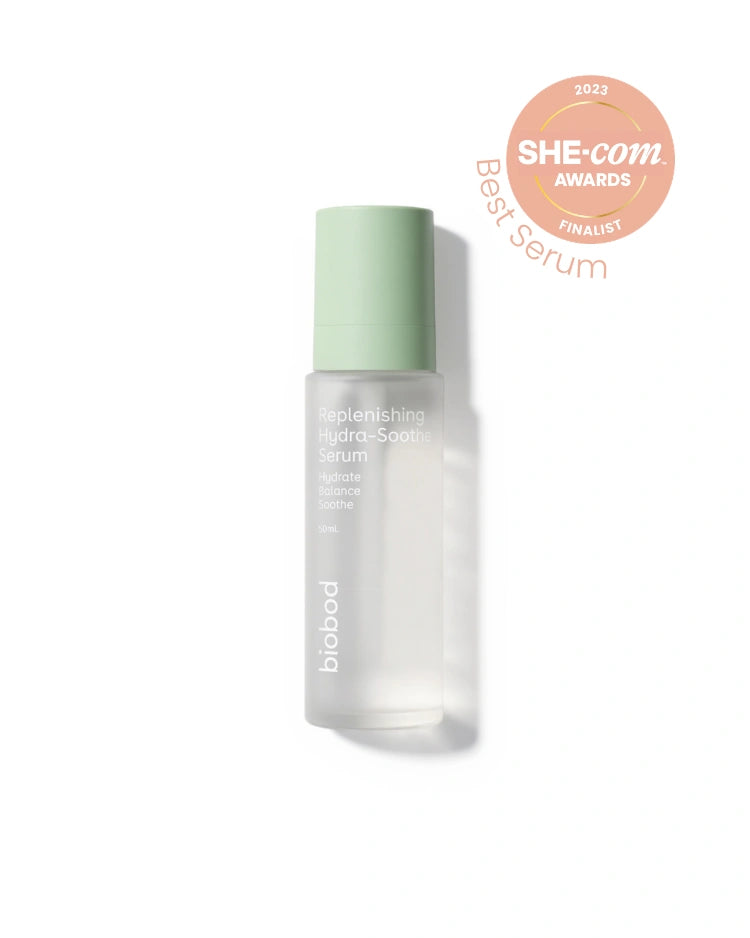
3. Hydrate while damp. Apply a hyaluronic-acid serum such as the Replenishing Hydra-Soothe Serum to slightly damp skin to draw in moisture.
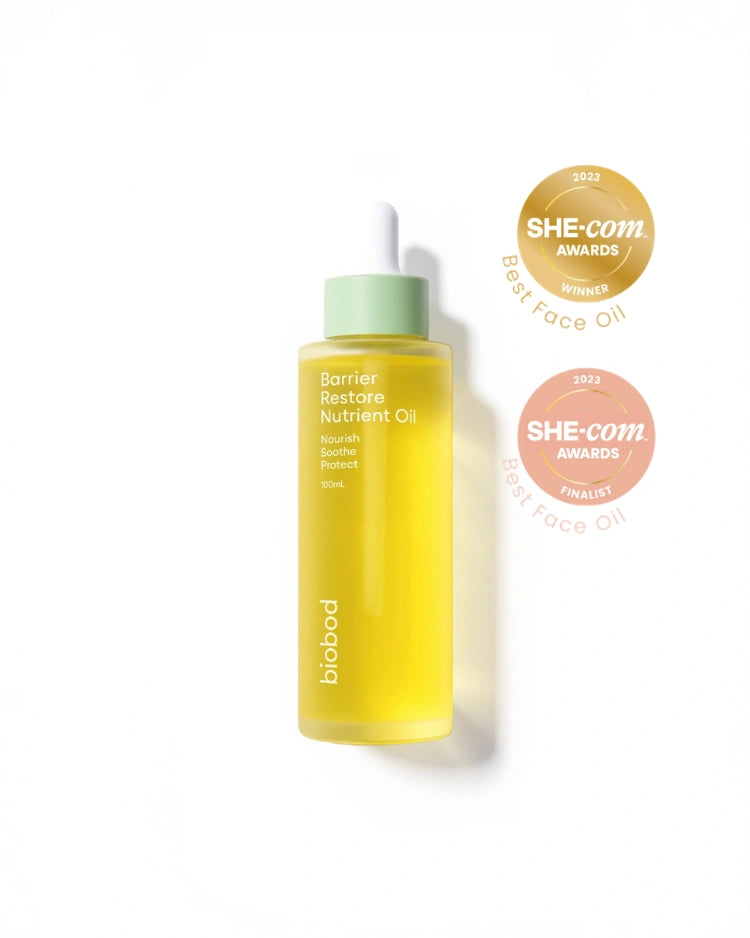
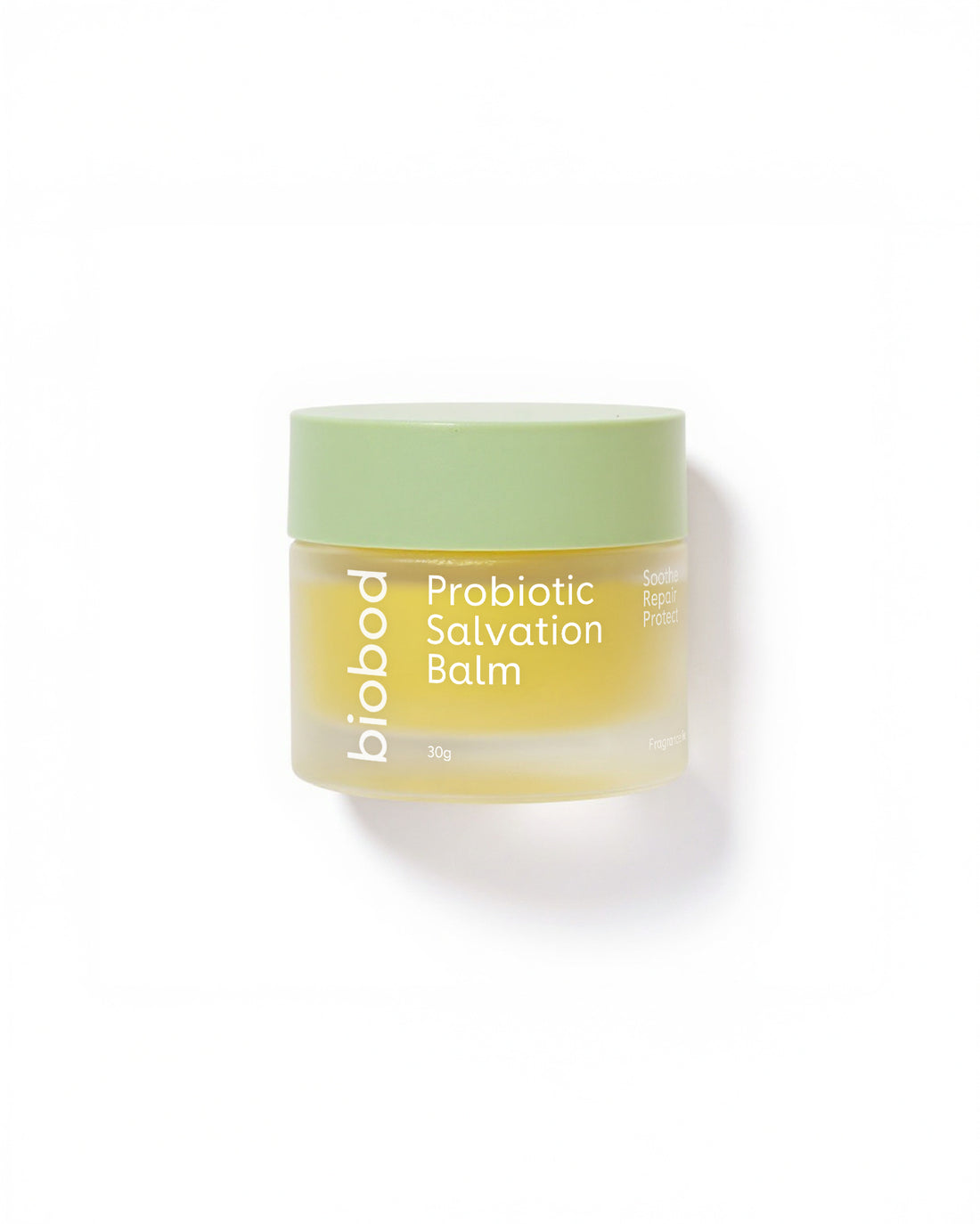
4. Soothe and seal. Follow with a calming, barrier-supporting balm like the Probiotic Salvation Balm, or a few drops of the Barrier Restore Nutrient Oil, on itchy, dry areas.
5. Dress soft. Loose, breathable natural fabrics reduce friction that can trigger itch.
What to avoid
- Hot showers and baths the fastest way to worsen an itch.
- Fragrance and drying alcohols, which reactive menopausal skin often can't tolerate.
- Harsh or foaming cleansers and over-exfoliation.
- Scratching, which damages the barrier and keeps the itch–scratch cycle going.
Consistent, gentle care over a couple of weeks tends to help far more than any single product. For the wider approach, see the menopause skin changes overview.
When to see a professional
Itch that's mild and clearly linked to dryness is usually manageable at home. See a GP if itch is persistent, widespread or severe, if it's disturbing your sleep, if there's no obvious dryness or rash to explain it, if it comes with other symptoms (such as fatigue or changes in weight), or if you notice a new or changing spot, patch or breast-skin change. Unexplained itch can occasionally point to something that needs proper attention, so it's always reasonable to have it looked at.
Recommended biobod products
Soothe and seal
Probiotic Salvation Balm

Best for: Areas that feel especially dry, tight or reactive.
A calming, barrier-supporting balm for targeted nourishment.
Explore the Salvation BalmGentle cleanse
Calming Balance Cleanse Bar

Best for: A non-stripping, fragrance-free cleanse when skin feels dry or itchy.
A gentle cleanse that keeps reactive menopausal skin comfortable without adding dryness.
Explore the Cleanse BarLightweight hydration
Replenishing Hydra-Soothe Serum

Best for: Menopausal skin that feels dry, tight or dehydrated.
A hyaluronic-acid serum for lightweight, water-loving hydration.
Explore the Hydra-Soothe SerumBarrier support
Barrier Restore Nutrient Oil

Best for: Dry menopausal skin that needs nourishing, barrier-supporting lipids.
A squalane-based oil that helps seal in hydration and support comfort.
Explore the Nutrient OilRelated reading
- Menopause and Skin Changes
- Menopause and Dry Skin
- A Gentle Skincare Routine for Menopausal Skin
- What Is the Skin Barrier?
- Why Does My Skin Get Red and Irritated?
Frequently asked questions
Why does menopause make my skin itchy?
Declining oestrogen makes skin drier and its barrier more easily disrupted, and dry, compromised skin itches more easily. Itch and dryness usually go together.
Is itchy skin a sign of menopause?
It can be. Itch is a common skin change around menopause, usually linked to dryness though itch has many possible causes, so persistent or unexplained itch is worth checking.
What does menopausal itchy skin feel like?
Often a dry, tight, prickly itch, sometimes worse at night. Some people also feel formication a crawling or tingling sensation which is a recognised menopause symptom.
How do I calm itchy skin during menopause?
Use lukewarm water, cleanse gently, hydrate with a serum on damp skin, soothe with a balm or oil, wear soft fabrics, and avoid heat, fragrance, harsh cleansers and scratching.
When should I see a doctor about itchy skin in menopause?
If itch is persistent, widespread or severe, disturbs your sleep, has no obvious cause, comes with other symptoms, or involves a new or changing spot or breast-skin change.
This article is general information, not medical advice. See a GP for itch that is persistent, widespread, unexplained, or accompanied by other symptoms.