
Last updated: September 2026 · Estimated reading time: 7 minutes
By Natalie, Founder of biobod
Many people notice their skin tone becoming less even around menopause, sun spots that seem more obvious, or new patches of darker pigmentation. It's a common change, driven by a mix of hormones and a lifetime of sun exposure. Here's what's happening, what genuinely helps and importantly when a spot is worth getting checked.
Key takeaways
- Menopausal pigmentation comes mainly from hormonal change, including melasma, and cumulative sun exposure.
- Daily sun protection is by far the most effective step to help prevent pigmentation from getting worse.
- Skincare can support the look of a more even, radiant complexion, but it doesn't remove pigmentation.
- Melasma is a specific, often stubborn condition best guided by a dermatologist.
- Any spot, patch or mole that's new, changing, growing or not healing should be checked by a doctor.
Table of contents
- Why does menopause cause pigmentation and dark spots?
- Is it sun damage or hormonal?
- What actually helps most: sun protection
- What can skincare do for uneven tone?
- What ingredients are discussed for uneven tone?
- What to avoid
- Please get changing spots checked
- When to see a professional
- Recommended biobod products
- Related reading
- FAQs
Why does menopause cause pigmentation and dark spots?
Two main things are at play. Hormonal change around menopause and perimenopause can trigger or worsen melasma, larger patches of pigmentation, often on the cheeks, forehead and upper lip.
And a lifetime of UV exposure shows up as sun spots, also called age spots or solar lentigines small, defined dark spots on the areas that have seen the most sun, like the face, hands and chest.
Skin's slower cell turnover with age can make all of this look more pronounced. In Australia, with our high UV, sun-related pigmentation is especially common.
Menopause can bring several other changes to the skin too. Read our guide to menopause and skin changes for a broader look at what can happen during this stage.
Is it sun damage or hormonal (melasma)?
It helps to know which you're dealing with because they behave differently.
Sun spots tend to be small, well-defined and found on areas of skin regularly exposed to the sun.
Melasma appears as larger, more diffuse patches, is linked to hormones and can be stubborn and prone to returning. It can also worsen with sun and heat.
The two can coexist. Because melasma in particular responds best to a considered, professional approach, it's worth having persistent pigmentation assessed rather than guessing.
What actually helps most: sun protection
If you take one thing from this article, make it this: daily sun protection is the most important step when it comes to pigmentation.
UV drives both sun spots and melasma, and even a little unprotected exposure can undo months of care.
Use a broad-spectrum SPF50+ every day, reapply when outdoors and add protective measures such as shade and a hat.
biobod doesn't make sunscreen, but you can read our guide to choosing sunscreen for sensitive skin for more information.
Protecting your skin doesn't just matter for pigmentation. It's one of the most important things you can do for your skin's long-term health.
What can skincare do for uneven tone?
Let's be honest about this, because pigmentation is where a lot of "miracle" claims live.
Skincare can help support a more even, radiant-looking complexion and help prevent pigmentation from worsening but no over-the-counter product erases dark spots, and progress is slow and partial at best.
What genuinely supports the look of even, glowing skin:
- Consistent sun protection — the non-negotiable step above.
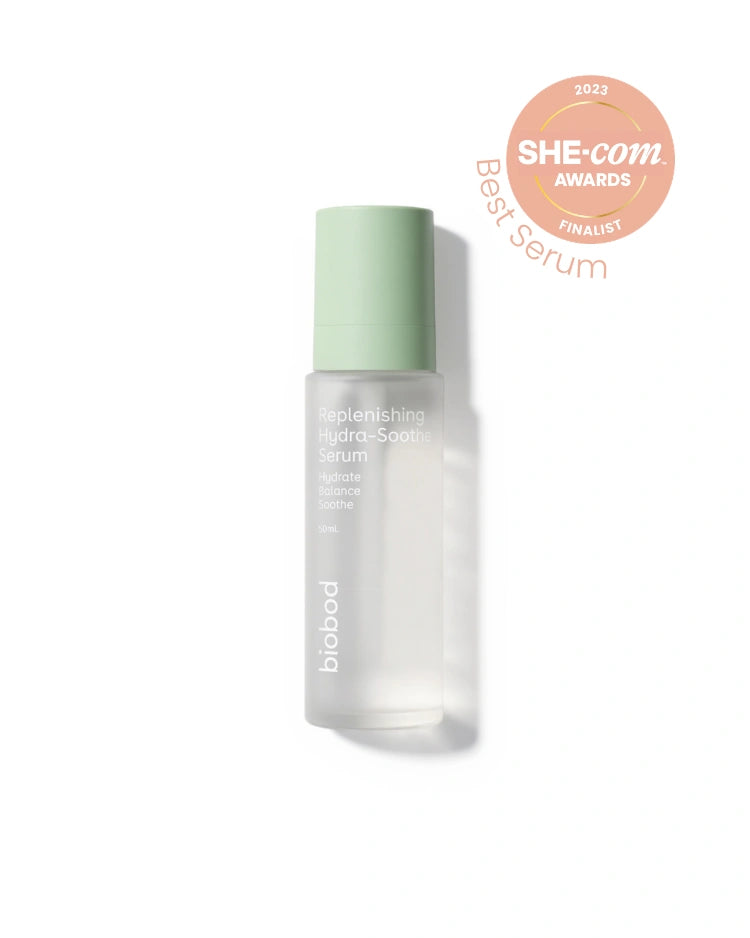
- Hydration — well-hydrated skin can appear plumper and more radiant. Our Replenishing Hydra-Soothe Serum supports hydration and a healthy-looking glow.
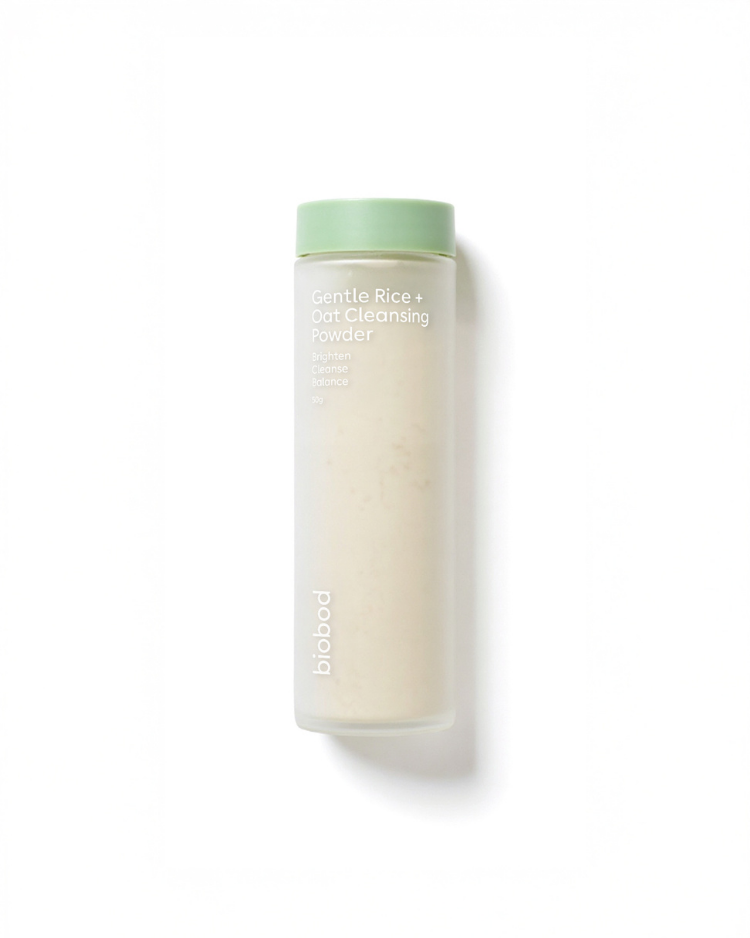
- Gentle cleansing — keeping skin fresh and comfortable without unnecessarily stripping it. The Gentle Rice & Oat Cleansing Powder offers a gentle approach to cleansing sensitive skin.
- Antioxidant support — antioxidants can help support skin against environmental stress alongside daily SPF. Read our guide to the best antioxidants for skin.
A note on language
At biobod, we talk about supporting even tone and radiance, not "whitening" or "lightening" skin. The goal is healthy, comfortable, glowing skin not changing your skin's natural colour.
What ingredients are discussed for uneven tone?
You'll see ingredients like vitamin C, niacinamide and gentle exfoliating acids mentioned for the look of uneven tone.
Some people find them helpful over time, but on reactive menopausal skin they need a careful, slow and patch-tested approach. Irritation can actually contribute to post-inflammatory pigmentation, so gentler can genuinely be better here.
For stubborn pigmentation or melasma, prescription options and in-clinic treatments guided by a dermatologist tend to be far more effective than anything on a shelf.
What to avoid
- Unprotected sun exposure — one of the biggest contributors to pigmentation becoming more visible.
- Harsh treatments and aggressive exfoliation — irritation can contribute to post-inflammatory marks.
- Picking or scratching at spots or breakouts, which can leave marks behind.
- Excessive heat — including hot flushes and saunas, which can aggravate melasma for some people.
Please get changing spots checked
This is especially important in Australia. While most pigmentation is harmless, a spot, patch or mole that's new, changing shape or colour, growing, bleeding, itching or not healing should be checked by a GP or through a professional skin check.
Menopause is a good moment to get into the habit of regular skin checks. When in doubt, get it looked at.
When to see a professional
See a GP or dermatologist for persistent or spreading pigmentation, suspected melasma, if you'd like to explore treatments for stubborn dark spots or for any spot that's changing.
Skincare can support a healthy-looking complexion. A professional can properly assess pigmentation and recommend appropriate treatment where needed.
Recommended biobod products
These aren't products designed to remove pigmentation. Instead, they're gentle options for supporting hydration, cleansing and a healthy, radiant-looking complexion while keeping a menopausal skincare routine considered and comfortable.
Hydrate
Replenishing Hydra-Soothe Serum

Best for: Supporting hydration and a plump, healthy-looking glow.
A lightweight hydrating serum designed to support sensitive skin when dryness and reactivity make stronger routines feel like too much.
Explore the serumCleanse
Gentle Rice & Oat Cleansing Powder

Best for: Gentle cleansing without overcomplicating a sensitive-skin routine.
A waterless cleansing powder designed to leave sensitive skin feeling clean and comfortable without adding another aggressive step.
Explore the cleanserStart simply
Discovery Set

Best for: Exploring a gentler, more considered routine before committing to full sizes.
A simple introduction to biobod for skin that feels dry, sensitive or increasingly reactive through menopause.
Explore the Discovery SetRelated reading
- Menopause and Skin Changes: What Happens and How to Support Your Skin
- What Does Menopause Skin Look Like?
- Best Skincare for Menopausal Skin in Australia
- Sunscreen for Sensitive Skin
- Best Antioxidants for Skin
- Skin Changes in Your 40s
FAQs
Why does menopause cause pigmentation and dark spots?
Hormonal change can trigger or worsen melasma, and cumulative sun exposure shows up as sun spots, while slower cell turnover with age can make both look more pronounced.
What is melasma and is it linked to menopause?
Melasma is larger, diffuse patches of pigmentation linked to hormones, which perimenopause and menopause can trigger or worsen. It's stubborn and prone to returning and responds best to professional care.
Is menopausal pigmentation sun damage or hormonal?
It can be either or both. Sun spots are small and well-defined on sun-exposed areas, while melasma is larger, more diffuse and hormone-linked. Persistent pigmentation is worth having assessed.
What helps with uneven skin tone during menopause?
Daily sun protection first and foremost, plus hydration and antioxidant support to help skin look even and radiant. Skincare supports the look of even tone but doesn't erase pigmentation.
Can skincare fade dark spots?
No over-the-counter product erases dark spots, and progress can be slow. The most effective step is helping prevent worsening with sun protection. For stubborn pigmentation, a dermatologist can advise on suitable treatments.
When should I get a dark spot checked?
If a spot, patch or mole is new, changing shape or colour, growing, bleeding, itching or not healing, see a GP or get a professional skin check.
This article is general information, not medical advice. See a GP or dermatologist for melasma, persistent pigmentation or any spot that is new or changing.