
Sensitive skin vs sensitized skin is one of the most misunderstood topics in skincare, yet it explains why your skin may suddenly feel tight, itchy, reactive, or uncomfortable even if it never used to.
Many believe they have sensitive skin for life. In reality, a large number are experiencing sensitized skin, which is a temporary state caused by barrier disruption, inflammation, or environmental stress.
Understanding the difference is the first step toward calming your skin, restoring comfort, and preventing ongoing flare ups.
Sensitive Skin vs Sensitized Skin: What Is the Difference
What is sensitive skin?
Sensitive skin is a skin type. It is largely genetic and tends to be present long term.
Sensitive skin often has a naturally thinner or more reactive barrier, meaning it responds quickly to triggers such as fragrance, temperature changes, or certain ingredients.
People with sensitive skin usually know their triggers well and experience consistent reactions over time.
What is sensitized skin?
Sensitized skin is a skin condition, not a skin type. It develops when the skin barrier becomes compromised.
This can happen to any skin type including oily, acne prone, or previously resilient skin.
Sensitized skin is often caused by over exfoliation, harsh cleansers, strong actives, stress, illness, hormonal changes, sun exposure, or using too many products at once.
The key difference is that sensitized skin can be repaired.
| Feature | Sensitive Skin | Sensitized Skin |
|---|---|---|
| What it is | A skin type | A temporary skin condition |
| How it develops | Usually genetic | Caused by barrier damage |
| Onset | Lifelong or long term | Sudden or gradual |
| Main triggers | Fragrance, climate, stress | Over exfoliation, harsh products, actives |
| Common sensations | Tingling, redness | Tightness, itchiness, burning |
| Barrier health | Naturally delicate | Compromised and inflamed |
| Can it improve | Managed long term | Yes with barrier repair |
| Best approach | Consistency and calm | Simplify and restore |
Quick Comparison: Sensitive Skin vs Sensitized Skin
Sensitive skin
- Often lifelong
- Reacts consistently to known triggers
- Barrier is naturally delicate
- Symptoms are predictable
Sensitized skin
- Can happen suddenly
- Often feels tight and itchy
- Barrier is damaged or inflamed
- Symptoms can improve with the right care
Common Symptoms Shared by Both
This is why sensitive skin vs sensitized skin is so confusing. Many symptoms overlap.
- Tightness after cleansing
- Itchiness or discomfort
- Redness or flushing
- Stinging when applying products
- Dry patches or rough texture
The difference lies in why these symptoms are happening and how long they last.
How to Tell If Your Skin Is Sensitized
You may be dealing with sensitized skin if
- Your skin suddenly reacts to products you used to tolerate
- Your skin feels tight and itchy even after moisturising
- You recently introduced exfoliating acids, retinoids, or foaming cleansers
- Your skin feels hot, inflamed, or overstimulated
- Breakouts appear alongside dryness and irritation
Sensitized skin often feels confused. Oily yet tight. Dry yet congested. Reactive yet dull.
This is a classic sign of barrier disruption.
Why the Skin Barrier Matters So Much
Your skin barrier is your skin’s protective shield. When it is intact, it keeps moisture in and irritants out.
When the barrier is compromised, water escapes more easily and irritants penetrate more deeply. This leads to tight itchy skin, inflammation, and reactivity.
Biobod takes a microbiome first approach because barrier health and microbial balance are inseparable.
This is why calming, water binding, and barrier supportive ingredients are prioritised over aggressive actives.
How to Calm Sensitive and Sensitized Skin Gently
Start with a non stripping cleanser
Cleansing should never leave your skin feeling tight.
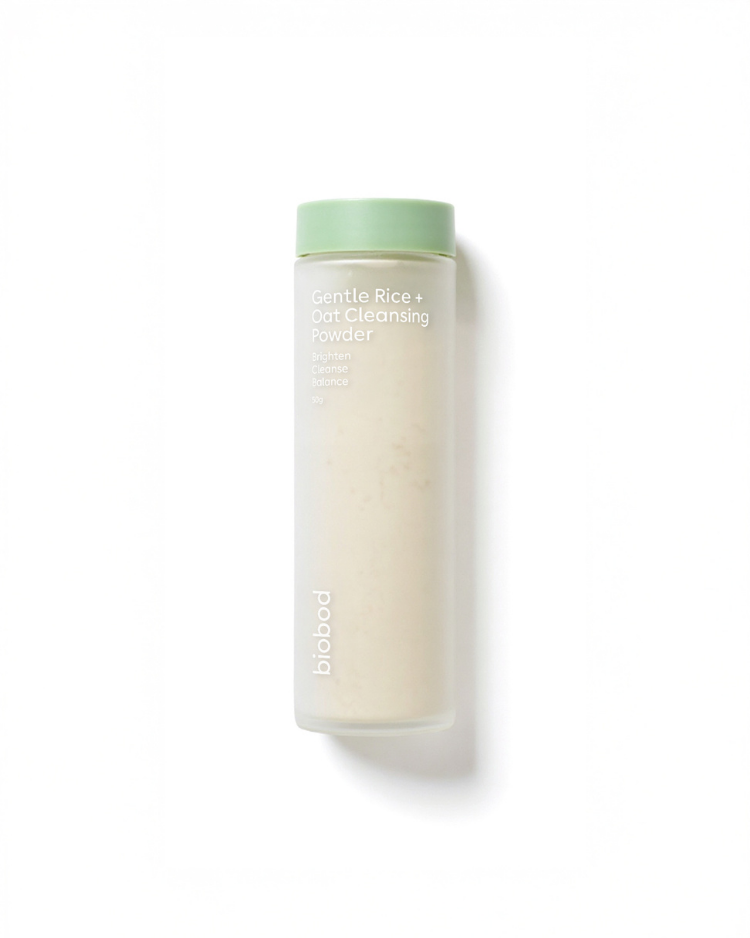
The Gentle Rice & Oat Cleansing Powder is designed for skin that feels tight and itchy because it cleans without disrupting the barrier. Oat kernel flour, rice bran, kaolin, and prebiotics help soothe inflammation while maintaining hydration.

Unlike traditional foaming cleansers, it supports the skin’s natural balance rather than stripping it away.
For those who prefer a solid cleanser, the Calming Balance Cleanse Bar offers a soap free formula with oats, centella, and postbiotics to calm reactive skin while cleansing gently.

Restore hydration and calm inflammation
Dehydration worsens sensitivity.
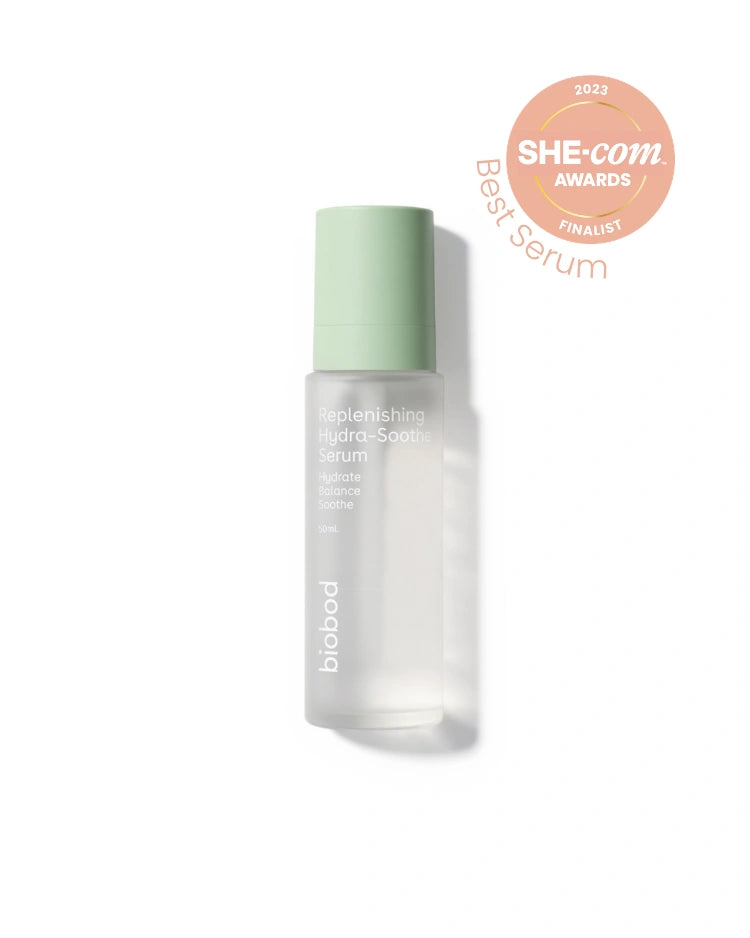
The Replenishing Hydra-Soothe Serum delivers glycerin, sodium PCA, hyaluronic acid, aloe, centella, and prebiotics to deeply hydrate while calming inflammation.
This serum is especially beneficial when skin feels tight and itchy because it helps draw water back into the skin while supporting the microbiome.

With consistent use, skin feels softer, more comfortable, and less reactive.
Rebuild the lipid barrier
Hydration alone is not enough. Lipids are essential for sealing moisture in.
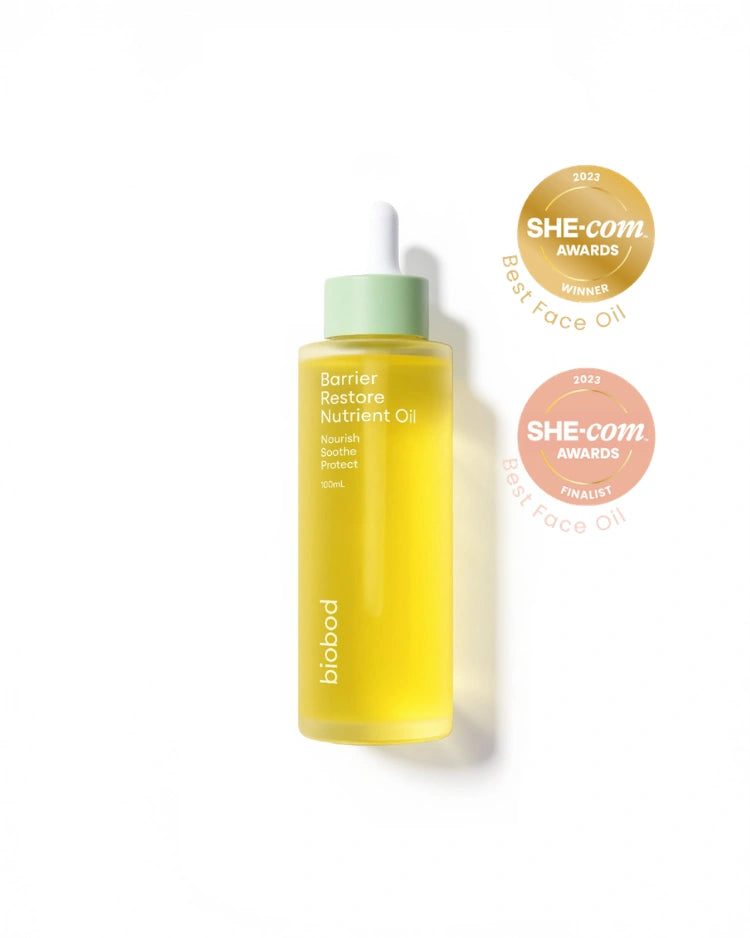
The Barrier Restore Nutrient Oil provides plant based squalane, jojoba, oat oil, echium, and anti inflammatory botanical extracts to strengthen the barrier and reduce transepidermal water loss.
This oil is lightweight yet deeply nourishing, making it suitable even for sensitized acne prone skin.

Over time, skin becomes more resilient and less reactive.
Spot repair for compromised areas
When skin is cracked, inflamed, or flaring, targeted support is essential.
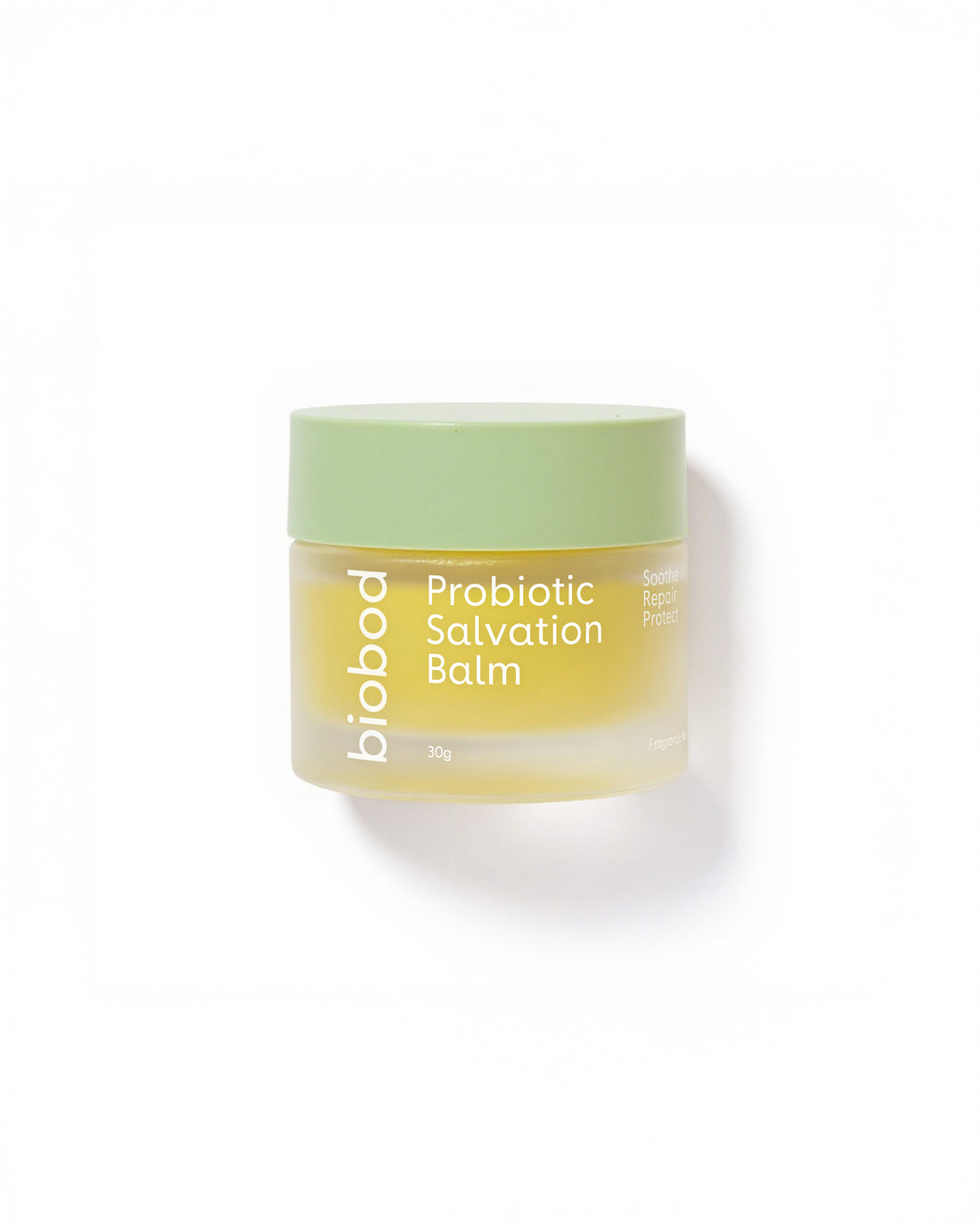
The Probiotic Salvation Balm acts as a protective dressing for compromised skin. With medical grade lanolin, fermented probiotics, oat oil, and calming plant extracts, it helps repair the skin barrier and reduce inflammation.

It is ideal for dry patches, post procedure skin, windburn, or areas that feel raw and irritated.
Can Sensitized Skin Become Sensitive Skin
Sensitized skin does not permanently become sensitive skin. However, repeated barrier damage can make skin behave like sensitive skin over time.
This is why early intervention matters.
Supporting the barrier consistently allows skin to recover its resilience.
How Long Does Sensitized Skin Take to Heal
With the right routine, many people notice improvement within two to four weeks.
True barrier repair can take longer depending on the severity of damage, lifestyle factors, and consistency.
The goal is not speed but stability.
Ingredients to Avoid When Skin Is Sensitized
While healing, avoid
- Strong exfoliating acids
- Retinoids
- Fragrance and essential oils
- Alcohol heavy formulas
- Physical scrubs
Focus instead on calming, humectant rich, microbiome supportive formulas.
FAQs: Sensitive Skin vs Sensitized Skin
Is sensitive skin the same as sensitized skin?
No. Sensitive skin is a skin type, while sensitized skin is a temporary condition caused by barrier damage.
Can oily skin be sensitized?
Yes. Any skin type can become sensitized, including oily and acne prone skin.
Why does my skin feel tight and itchy after washing?
This usually indicates barrier disruption or dehydration, common in sensitized skin.
Can sensitized skin be repaired?
Yes. With gentle cleansing, barrier support, and consistent care, sensitized skin can recover.
Should I stop active ingredients if my skin is sensitized?
Yes. Pausing strong actives allows the skin barrier to heal.
Understanding sensitive skin vs sensitized skin empowers you to treat your skin with compassion rather than aggression.
Skin that feels tight and itchy is asking for support, not stronger products.
By focusing on gentle cleansing, deep hydration, barrier lipids, and microbiome care, you allow your skin to return to balance naturally.