
Sensitive skin symptoms and what your skin is trying to tell you
Sensitive skin symptoms are often your skin’s quiet way of asking for less stimulation, stronger support, and a gentler approach to care. Tingling, redness, burning, dryness, itchiness or sudden reactivity are not random events. They are signals that your skin barrier and nervous system are under strain.
Sensitive skin is not a skin type in the traditional sense. It is a skin state, meaning it can affect anyone at any time, regardless of age, gender or previous skin history. Understanding the symptoms is the first step toward calming your skin and restoring long term balance.
When sensitivity is supported rather than suppressed, skin becomes more resilient, comfortable and healthy over time.
What are sensitive skin symptoms?
Sensitive skin symptoms refer to sensations or visible reactions that occur when the skin’s protective barrier is compromised or overstimulated. These symptoms can be temporary or ongoing depending on lifestyle, environment and skincare habits.
Common sensitive skin symptoms include:
- Redness or flushing
- Burning or stinging after applying products
- Tightness or discomfort
- Dry patches or flaking
- Itchiness or prickling sensations
- Breakouts triggered by new products
- Skin that reacts easily to heat, cold or wind
Sensitive skin does not always look inflamed. Often it feels uncomfortable before it looks reactive, which is why listening to sensation is just as important as observing appearance.
Why sensitive skin symptoms happen
Sensitive skin symptoms occur when the skin barrier becomes weakened and nerve endings are left exposed. The barrier’s role is to retain moisture, keep irritants out and maintain a calm internal environment. When this structure is disrupted, skin becomes reactive and unpredictable.
Key causes include:
- Over exfoliation or frequent actives
- Fragrance and essential oils
- Harsh preservatives or surfactants
- Environmental stressors like pollution and UV exposure
- Hormonal shifts or stress
- Skin conditions such as eczema or rosacea
- Age related barrier thinning
Once the barrier is compromised, inflammation increases and the skin’s tolerance threshold lowers. This is why sensitive skin often worsens when more products are added rather than fewer.
How to tell if you have sensitive skin or sensitized skin?
Sensitive skin and sensitized skin are often used interchangeably but they are not the same.
Sensitive skin is usually genetic and long term. It has a naturally lower tolerance to stimulation and needs consistent barrier support.
Sensitized skin is acquired. It develops due to overuse of actives, aggressive routines or environmental stress. The good news is sensitized skin can return to a balanced state with the right care. You can read the full breakdown sensitive skin vs sensitized skin here
If your sensitive skin symptoms appeared suddenly, especially after changing products or routines, your skin is likely sensitized rather than inherently sensitive.
The role of the skin barrier in sensitive skin symptoms
Your skin barrier is made up of lipids, ceramides and structural proteins that work together like a protective wall. When intact, it keeps moisture in and irritants out. When damaged, water escapes and triggers inflammation.
A compromised barrier leads to:
- Increased transepidermal water loss
- Heightened nerve sensitivity
- Reduced microbial balance
- Slower skin recovery
Repairing the barrier is the most effective way to reduce sensitive skin symptoms long term. This is where a minimal, supportive routine becomes essential.
Can skincare make sensitive skin symptoms worse?
Yes, even well intentioned skincare can worsen sensitive skin symptoms if it overwhelms the skin.
Common triggers include:
- Layering too many active ingredients
- Daily exfoliation
- Switching products too frequently
- Using fragrance to mask irritation
- Chasing instant results
Sensitive skin responds best to consistency, simplicity and formulations that work with the skin rather than forcing change.
How to calm sensitive skin symptoms naturally
Calming sensitive skin is not about eliminating sensation overnight. It is about creating an environment where the skin feels safe enough to repair itself.
Supportive strategies include
- Gentle cleansing without stripping
- Hydration that binds water into the skin
- Lipid rich nourishment to rebuild the barrier
- Avoiding fragrance and essential oils
- Giving skin time between product changes
This approach reduces inflammation, strengthens resilience and improves overall skin health with continued use.
Why Biobod takes a different approach to sensitive skin
Biobod was created to support skin that feels overwhelmed, reactive or chronically uncomfortable. Rather than chasing trends or aggressive treatments, our formulations focus on calming the nervous system of the skin and rebuilding barrier integrity.
Our Skin Reset System is designed to simplify routines while delivering deep, functional nourishment. Each product plays a role in reducing sensitive skin symptoms without disrupting the skin’s natural intelligence.
Skin Reset System for sensitive skin symptoms
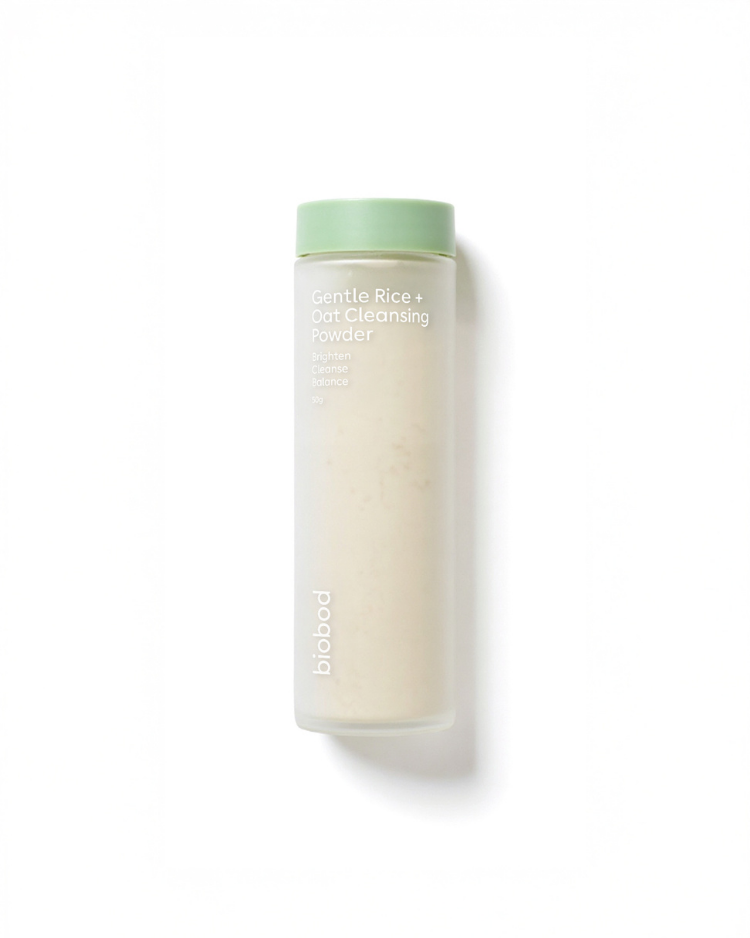
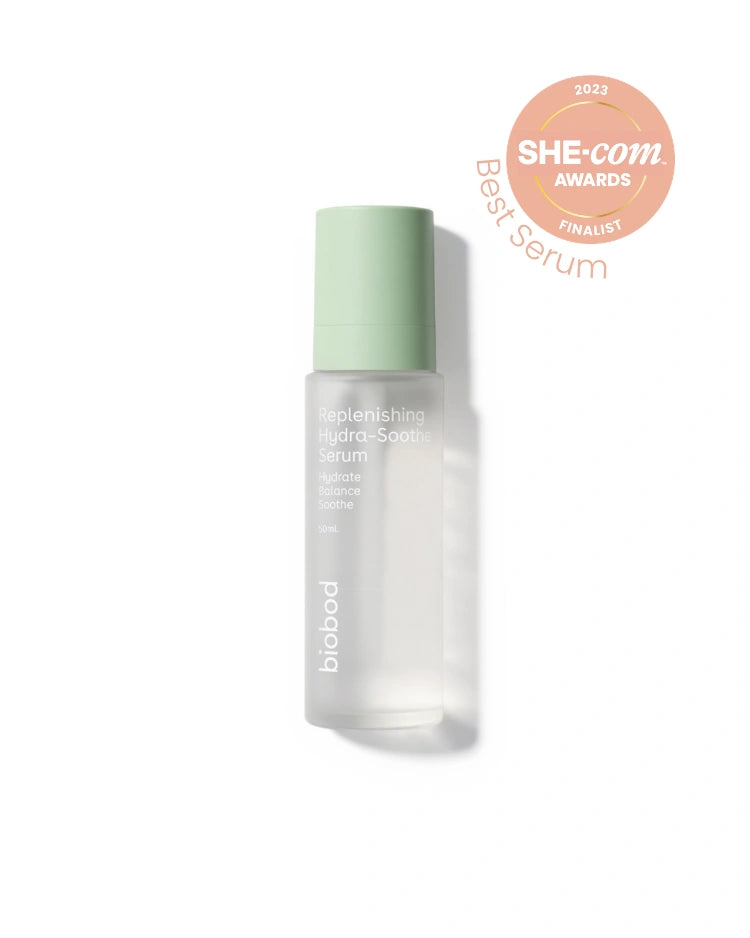
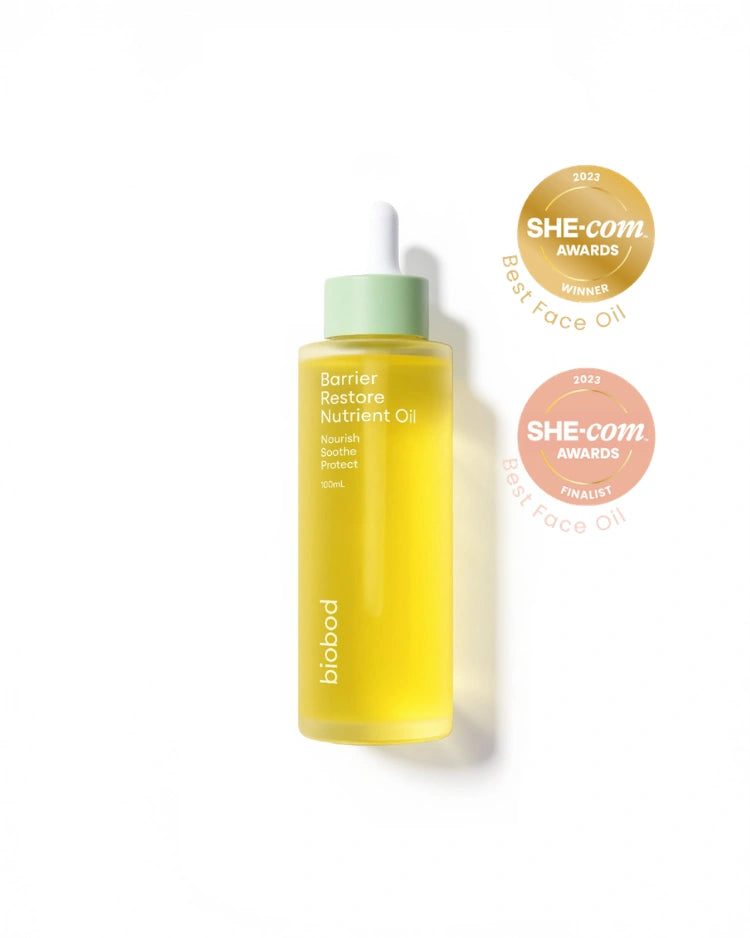
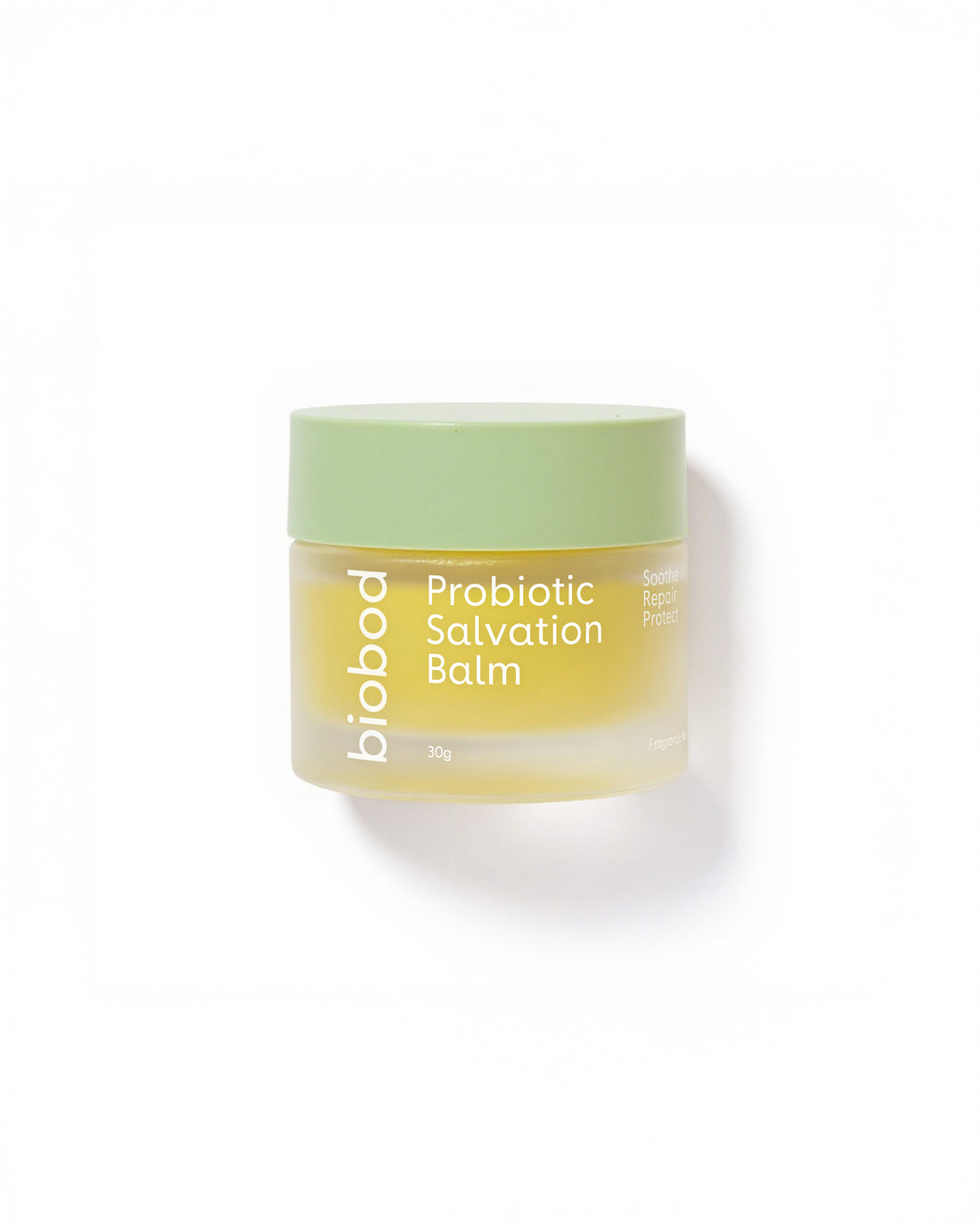
The Skin Reset System: Brighten, Hydrate & Nourish is a three step ritual created to support sensitive skin at every level. It focuses on cleansing without stripping, hydrating without irritation, and nourishing without heaviness.

With consistent use, this system helps:
- Reduce redness and discomfort
- Improve hydration retention
- Strengthen the skin barrier
- Increase tolerance to environmental stress
- Restore a calm, balanced complexion
Step 1. Gentle cleansing without barrier damage
Sensitive skin symptoms often begin at the cleansing stage. Over cleansing or harsh surfactants strip protective lipids and increase reactivity.
Biobod’s cleansing approach respects the skin barrier by removing impurities while preserving essential moisture. This allows skin to feel clean but never tight or squeaky.
A calm cleanse sets the foundation for everything that follows.
Step 2. Hydration that soothes and strengthens
Dehydrated skin is more reactive. When water content is low, nerve endings become exposed and sensitive skin symptoms intensify.
Hydration within the Skin Reset System focuses on humectants that bind water into the skin while supporting barrier repair. This helps:
- Reduce tightness and prickling
- Improve elasticity
- Support microbiome balance
- Increase skin comfort throughout the day
Hydrated skin is more resilient skin.
Step 3 Lipid nourishment for long term repair
Lipids are essential for repairing sensitive skin symptoms because they restore the structure of the barrier itself.
Nourishing oils and skin identical components help:
- Seal in hydration
- Reduce inflammation
- Protect against environmental stress
- Support overnight repair
This step is especially important for sensitive skin that feels dry, reactive or easily irritated.

How consistent use improves overall skin health
Sensitive skin does not improve with sporadic care. It responds to rhythm and predictability.
With consistent use of the Skin Reset System, many people notice:
- Fewer reactive episodes
- Improved tolerance to weather and stress
- Reduced redness and flushing
- Stronger, healthier looking skin
- Less need for corrective treatments
Over time, the skin becomes more self sufficient, meaning it can better regulate hydration, inflammation and recovery.
How long does it take to see results for sensitive skin symptoms?
Relief from discomfort can begin within days, but true barrier repair takes time. Skin cell turnover averages around 28 days, and barrier rebuilding occurs gradually.
Most people notice:
- Immediate comfort and hydration
- Reduced stinging and tightness within one to two weeks
- Improved resilience and balance within four to six weeks
Patience is part of sensitive skin care. Gentle consistency always outperforms quick fixes.
Sensitive skin symptoms and lifestyle factors
Skincare is only one piece of the puzzle. Lifestyle stressors can amplify sensitive skin symptoms.
Support your skin by:
- Managing stress where possible
- Prioritising sleep
- Protecting skin from extreme temperatures
- Wearing sunscreen daily
- Avoiding unnecessary product changes
Healthy skin is supported from both the inside and outside.
When to simplify your routine
If sensitive skin symptoms persist, your skin may be overloaded rather than under treated.
Signs you need to simplify include:
- Products stinging on application
- Increased redness after routines
- Breakouts following new additions
- Skin feeling better when you stop using products
The Skin Reset System is designed to remove complexity while delivering everything sensitive skin needs to heal.
Final thoughts on sensitive skin symptoms
Sensitive skin symptoms are not a flaw. They are communication. When skin feels supported, heard and protected, it responds with balance and resilience.
By focusing on barrier repair, gentle hydration and lipid nourishment, sensitive skin can move from reactive to robust. With the right routine and consistent care, calm skin is not only possible, it is sustainable.
Your skin does not need more. It needs the right support.