
Skincare ingredients to avoid while pregnant are worth understanding because pregnancy shifts the skin barrier, increasing sensitivity and changing what your skin truly needs. Pregnancy changes how your skin behaves, how it absorbs ingredients, and how reactive it can become. What once felt fine may suddenly cause irritation, dryness, flare-ups oe breakouts.
During pregnancy simplifying your skincare routine becomes essential. This is a time when the skin barrier needs protection, not stress. Gentle formulations, fewer actives, and microbiome-friendly care matter more than ever.
This guide explains which skincare ingredients to avoid while pregnant, why they can be problematic, and what to use instead to support calm, resilient skin without unnecessary risk. Always check with your doctor or healthcare provider before making changes to your routine.
Why Pregnancy Changes How Skin Reacts
During pregnancy, hormonal shifts affect oil production, hydration levels, and skin sensitivity. The barrier can weaken, making skin more prone to dryness, redness, and breakouts.
Skin also becomes more permeable, meaning certain ingredients may absorb more easily. That is why avoiding potentially disruptive actives is recommended, even in products that were previously well tolerated.
What skincare ingredients should be avoided during pregnancy?
Skincare ingredients to avoid while pregnant include retinoids, high-dose salicylic acid, benzoyl peroxide, chemical sunscreens, essential oils, synthetic fragrance, and harsh exfoliating acids. These ingredients may irritate skin or pose potential risks during pregnancy.
Retinoids and Vitamin A Derivatives
Retinoids are one of the most important skincare ingredients to avoid while pregnant. This includes retinol, retinal, retinyl palmitate, tretinoin, adapalene, and isotretinoin.
These ingredients are commonly used for acne, pigmentation, and ageing, but vitamin A derivatives are not recommended during pregnancy due to potential risks.
Salicylic Acid in High Concentrations
Salicylic acid is a beta hydroxy acid often used for acne and ingrown hairs. While low concentrations in rinse-off products are generally considered lower risk, high-dose or leave-on salicylic acid is best avoided during pregnancy.
Over-exfoliation can compromise the barrier, leading to increased redness, dryness, and sensitivity.
Benzoyl Peroxide
Benzoyl peroxide is another acne-fighting ingredient commonly found in cleansers and spot treatments. It can be drying, irritating, and barrier-disrupting, particularly on sensitive skin.
During pregnancy, when skin is already reactive, this ingredient can increase inflammation rather than calm it.
Chemical Sunscreens
Some chemical UV filters may irritate sensitive or compromised skin. While sunscreen is essential, mineral-based formulas using zinc oxide are often preferred during pregnancy due to their low irritation profile.
Barrier-supportive skincare always pairs best with gentle sun protection.
Essential Oils and Synthetic Fragrance
Essential oils and synthetic fragrance are frequent triggers for irritation, especially during pregnancy when scent sensitivity and skin reactivity increase.
These ingredients may feel luxurious, but they can disrupt the skin microbiome and cause inflammation.
For sensitive skin and pregnancy-safe routines, fragrance-free formulations are the safest choice.
Why fragrance matters during pregnancy?
Fragrance, including essential oils, can irritate sensitive skin and disrupt the microbiome during pregnancy. Hormonal changes increase skin reactivity, making fragrance-free skincare safer and more supportive of barrier health.
Harsh Exfoliating Acids
Glycolic acid, lactic acid, and other alpha hydroxy acids can be problematic in higher strengths. While mild exfoliation can help dull skin, frequent or strong acids may weaken the barrier.
Before pregnancy, this can result in stinging, redness, and prolonged irritation. During pregnancy, gentle hydration and barrier repair are more effective than aggressive exfoliation.
What to Use Instead During Pregnancy?
Instead of focusing on what to remove, pregnancy skincare should centre on supporting the skin’s natural defence systems.
Look for products that are:
- Fragrance free
- Essential oil free
- Barrier supportive
- Microbiome friendly
- Low irritation and non stripping
Hydration, lipid replenishment, and inflammation reduction are the foundation of healthy skin during pregnancy.
What skincare ingredients are safe to use while pregnant?
Pregnancy-safe skincare focuses on gentle hydrators like glycerin, soothing botanical extracts, barrier-supporting oils, and microbiome-friendly formulations. Always consult your doctor before use.
Why Barrier Care Matters More Than Actives
Healthy skin is not built through constant exfoliation or strong actives. It is built through consistency, nourishment, and protection.
Barrier damage can lead to chronic irritation and sensitivity. During pregnancy, weakened barrier function can amplify these issues.
This is where a simplified routine makes a huge difference.
Pregnancy-Safe Skincare That Supports Shaving Skin
Biobod’s philosophy centres on strengthening the skin barrier and supporting the microbiome, which is especially important during pregnancy.
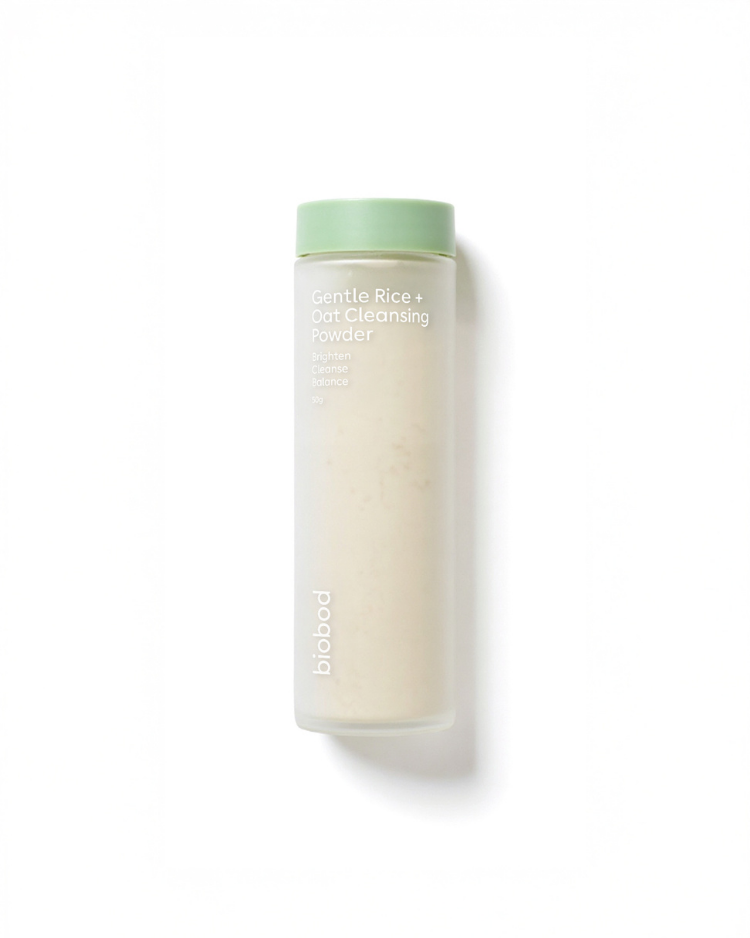
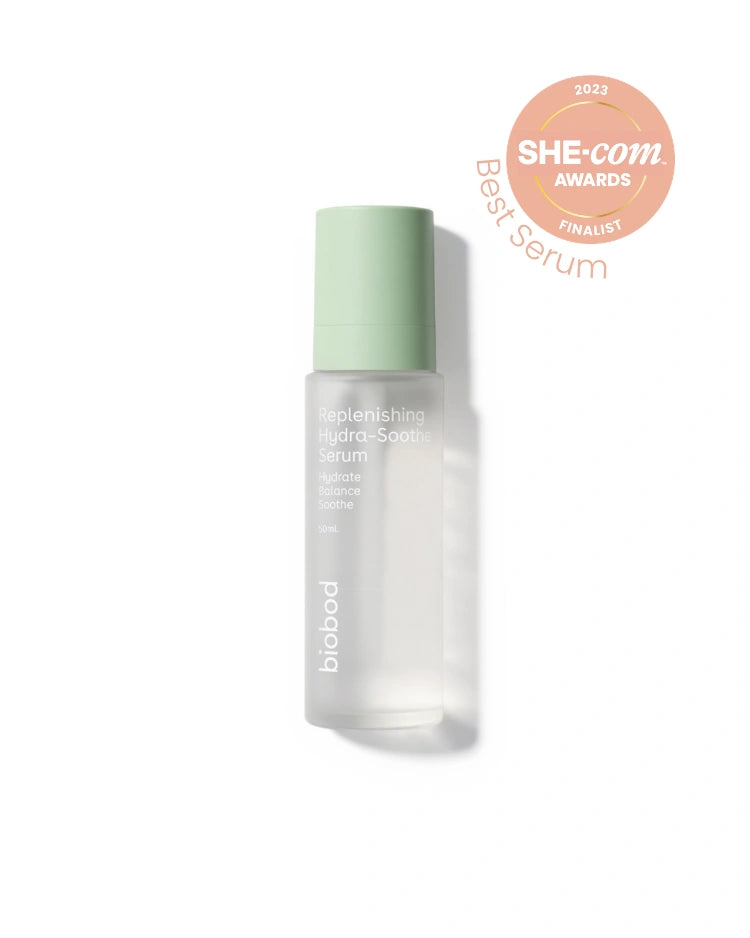
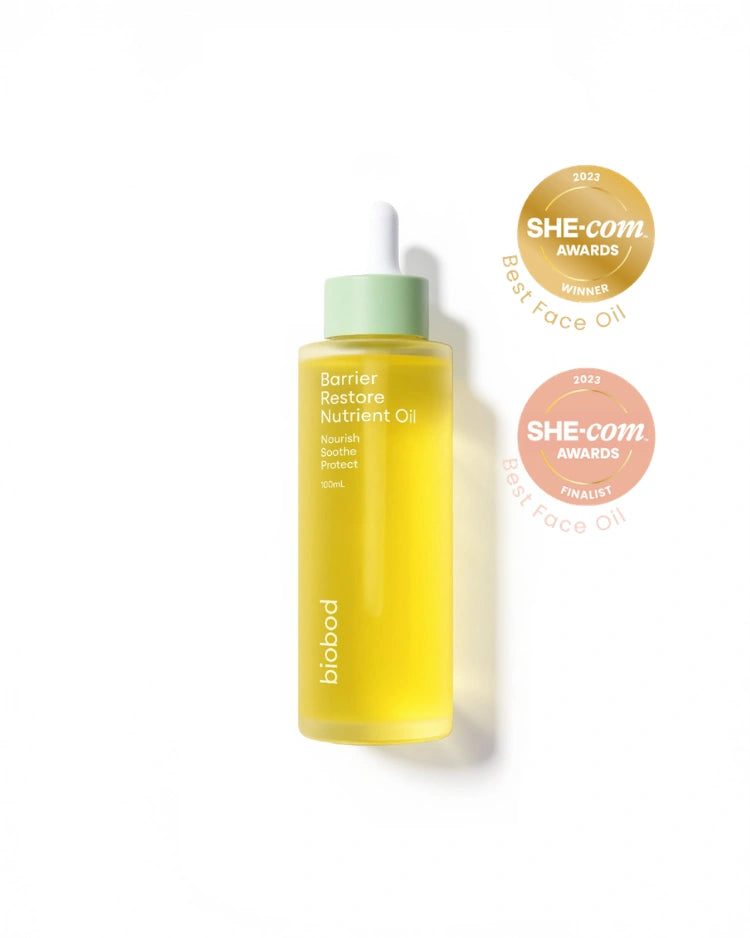
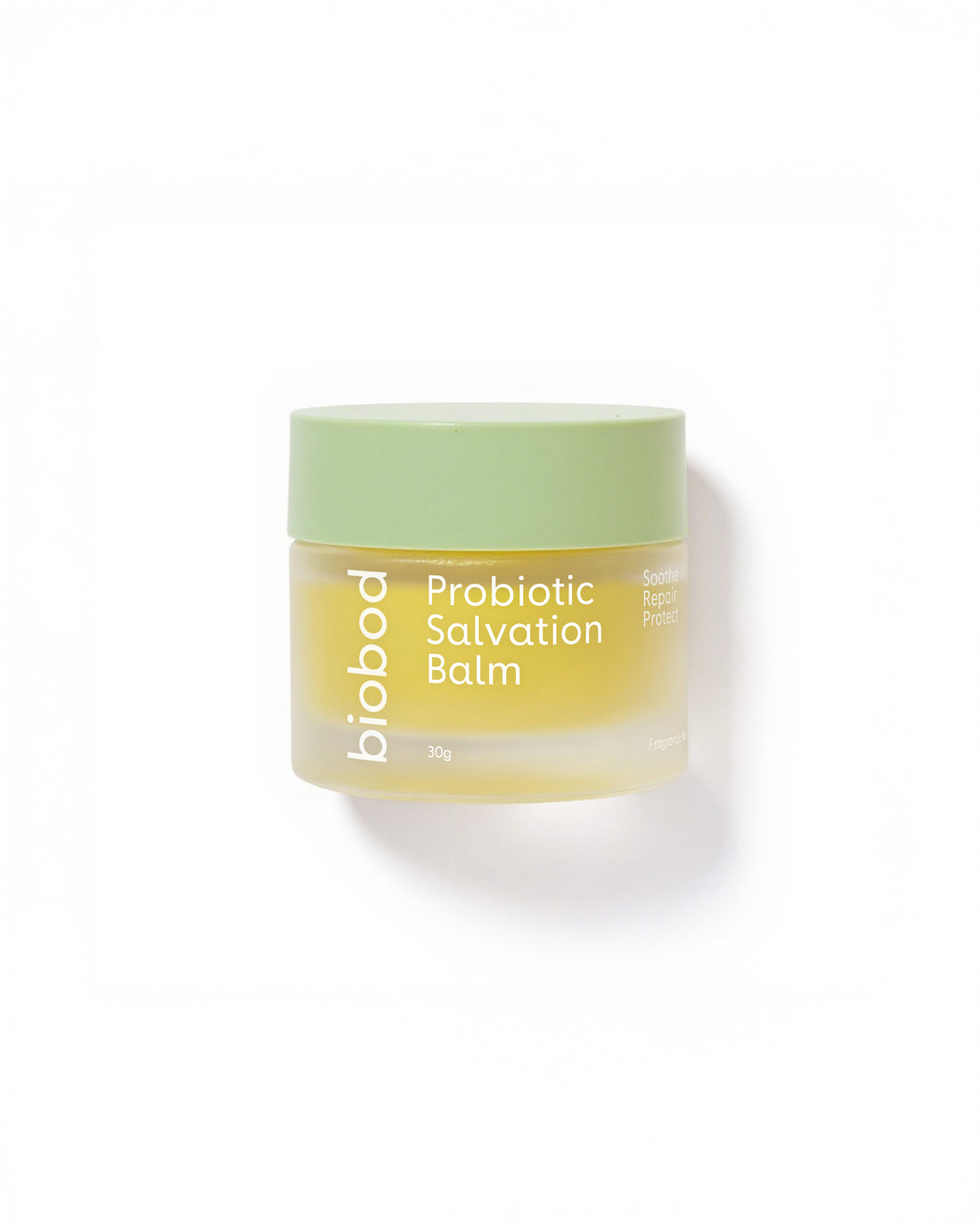
The Skin Reset is designed to calm, hydrate, and restore without relying on aggressive ingredients.

This set focuses on:
- Deep hydration without heaviness
- Lipid replenishment to support the barrier
- Soothing comfort
- Fragrance-free, essential-oil-free formulations
While suitable for pregnancy, it is always recommended to check with your healthcare provider before use.
How Consistent Use Improves Overall Skin Health
Consistency is what allows the skin barrier to recover and strengthen. Over time, gentle hydration and nourishment help:
- Reduce redness
- Improve skin comfort and resilience
- Decrease sensitivity and flare-ups
- Support long-term skin health
Instead of cycling through harsh treatments, a stable routine allows the skin to regulate itself.

Is simple skincare better during pregnancy?
Yes. Simple, gentle skincare routines are better during pregnancy because they reduce irritation, support the skin barrier, and minimise exposure to potentially disruptive ingredients.
Understanding skincare ingredients to avoid while pregnant empowers you to protect your skin during a time of change. Avoiding harsh actives, fragrance, and barrier-disrupting ingredients creates space for the skin to heal and strengthen.
Always consult your doctor or healthcare provider before introducing new products during pregnancy. Skin health is personal, and being informed is often the most powerful approach.