
Winter Skin Care for Dry Skin: How to Hydrate, Repair and Protect Your Skin
Winter skin care for dry skin requires a completely different approach to your usual routine. As temperatures drop and the air becomes drier, your skin loses moisture more quickly, leaving it feeling tight, flaky and more sensitive than usual.
What worked in summer often no longer feels enough. Your skin may suddenly feel uncomfortable, reactive, or prone to redness. This is not your skin failing, it is your environment changing.
The goal during winter is not just hydration, it is protection and repair. When your skin barrier is supported properly, your skin holds onto moisture better and becomes less reactive to seasonal changes.
What is the best winter skin care for dry skin?
- Use a gentle, non-stripping cleanser
- Layer hydration with barrier-supporting ingredients
- Nourish with oils to lock in moisture
- Avoid harsh exfoliation
- Keep your routine simple and consistent
Your 3 steps to glowing winter skin:

Why skin becomes dry in winter
Winter air contains less humidity, which means your skin loses water more easily. At the same time, indoor heating removes moisture from the air, further drying out the skin.
This combination weakens the skin barrier, making it harder for your skin to retain hydration.
As a result, you may notice:
- Tightness after cleansing
- Flaking or rough texture
- Increased sensitivity
- Redness or irritation
To understand this more deeply, read why your skin gets dry in winter.
Who this winter routine is for
- Dry or dehydrated skin
- Sensitive or reactive skin
- Skin that becomes tight in colder weather
- Those experiencing seasonal flaking or redness
If your skin feels different in winter, this routine is designed to bring it back into balance.
The ideal winter skincare routine step by step
Step 1: Cleanse gently
Cleansing should remove impurities without stripping the skin. Many cleansers disrupt the skin barrier, which can worsen dryness.
Choose a cleanser that leaves your skin feeling soft and comfortable, not tight.
Using lukewarm water instead of hot water also helps protect the skin.
Step 2: Hydrate deeply
Hydration replenishes water in the skin and reduces that tight, uncomfortable feeling. In winter, this step becomes essential.
Look for ingredients that attract and hold moisture in the skin, helping to restore hydration levels.
Layering hydration allows the skin to absorb moisture more effectively.
Step 3: Nourish and protect
This is where winter routines often make the biggest difference. Nourishing products help seal in hydration and strengthen the skin barrier.
Without this step, hydration can evaporate quickly, leaving the skin feeling dry again.
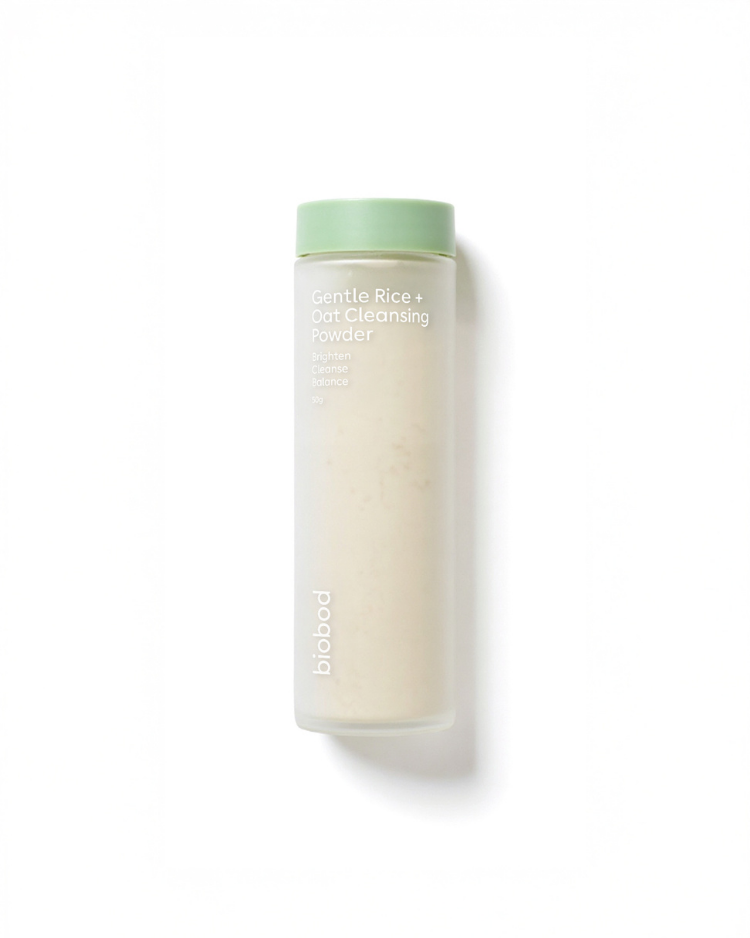
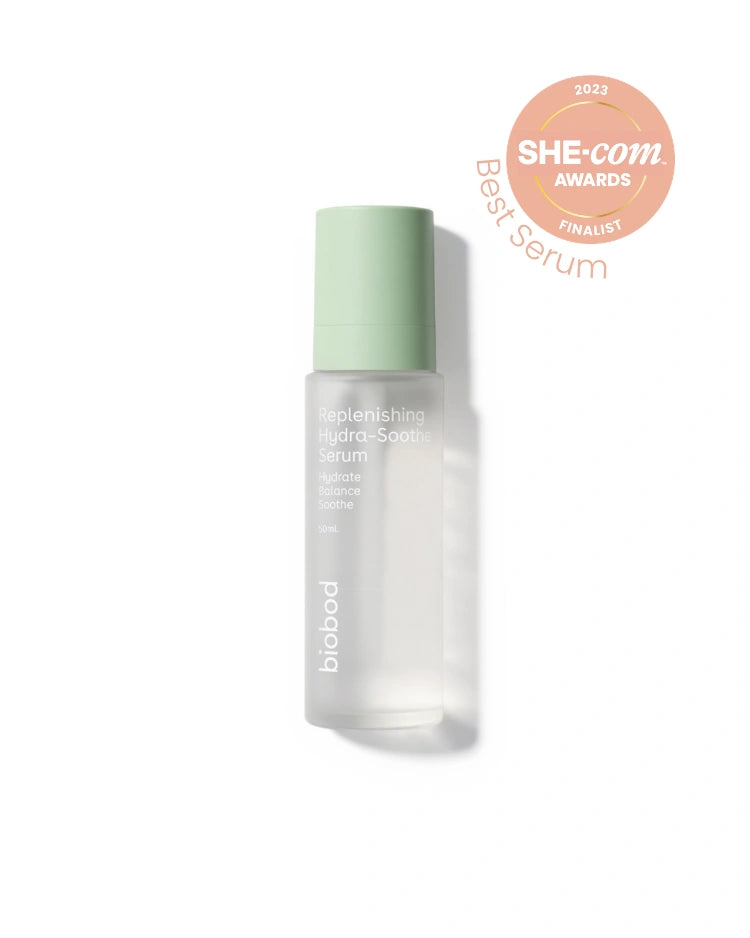
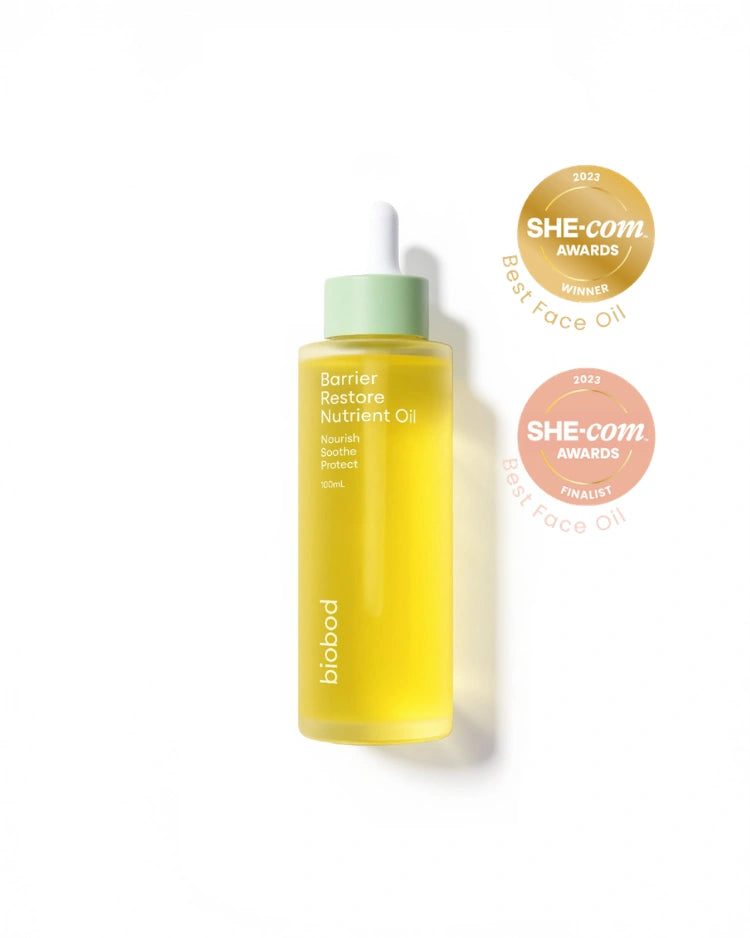
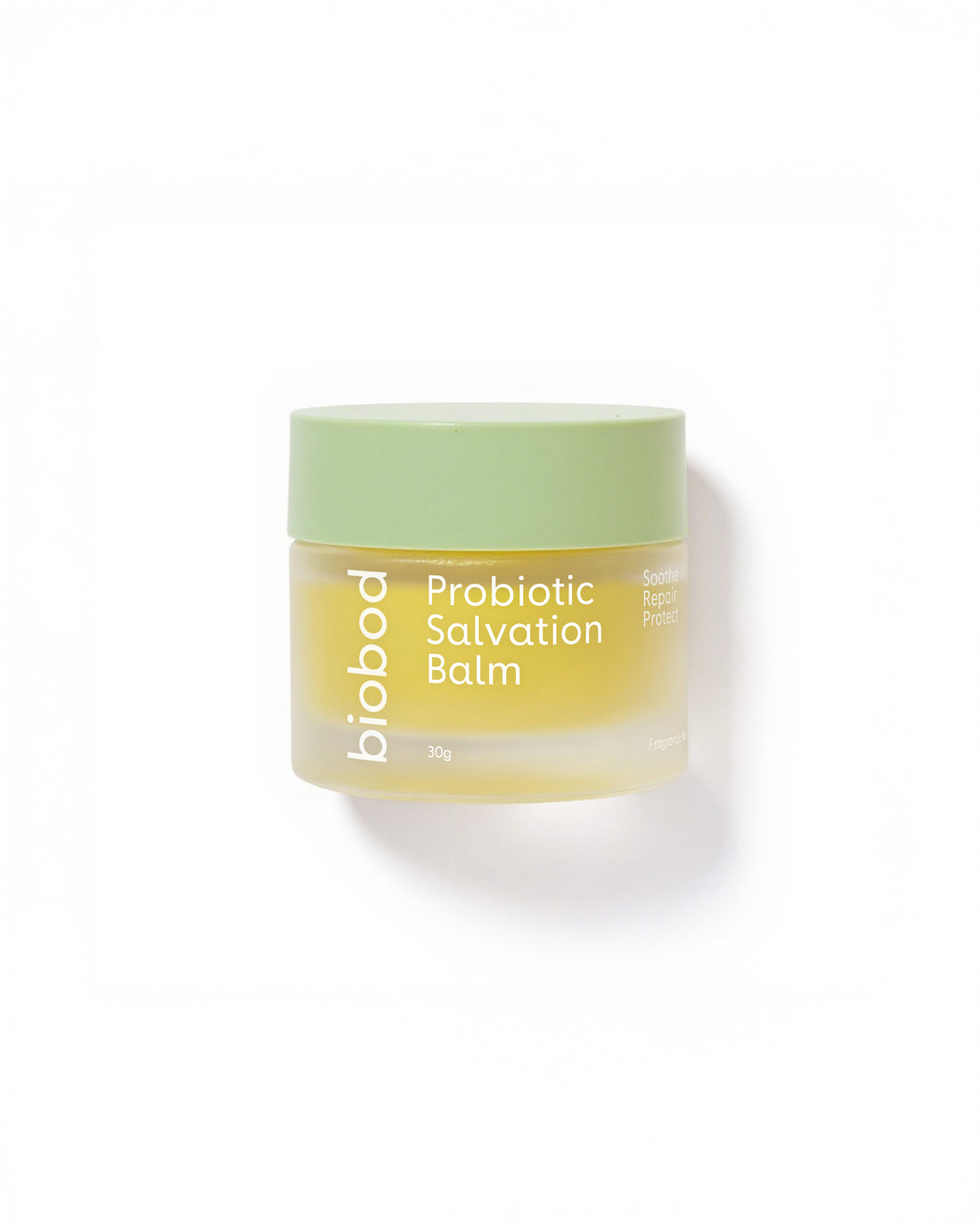
The Skin Reset System: Brighten, Hydrate & Nourish is designed to support this exact process by gently cleansing, hydrating and nourishing the skin in a balanced way.
AM vs PM winter skincare routine
Morning routine
- Gentle cleanse or rinse
- Hydrating layer
- Nourishing product to protect the skin
In the morning, the focus is protection. Your skin is preparing to face environmental stress.
Evening routine
- Gentle cleanse
- Hydration
- Barrier-supporting nourishment
At night, your skin repairs itself. Supporting this process helps restore balance and reduce dryness.
Best ingredients for dry skin in winter
- Hyaluronic acid to draw moisture into the skin
- Squalane for lightweight hydration
- Omega-rich oils to strengthen the barrier
- Panthenol to soothe irritation
These ingredients work best when used together, creating a balanced approach to hydration and protection.
Learn more in best ingredients for dry skin in winter.
How to hydrate dry skin in winter properly
Hydration is not just about applying one product. It is about layering and supporting the skin barrier.
Applying hydration first, followed by nourishing products, helps lock in moisture and prevent water loss.
This creates a more stable environment where the skin can repair itself.
Explore this in more detail in how to hydrate dry skin in winter.
Common winter skin care mistakes
- Over-exfoliating
- Using harsh cleansers
- Skipping moisturiser
- Not adjusting your routine seasonally
Many people continue using their summer routine, which often lacks the nourishment needed in winter.
To avoid this, read winter skin care mistakes to avoid.
How long does it take to repair dry winter skin?
With a consistent routine, you may start to notice improvements within a few days. Skin may feel softer and more comfortable.
However, true barrier repair takes longer, typically between two to four weeks.
The key is consistency. Gentle routines create long-term results.
Daily habits that support your skin in winter
- Avoid hot showers
- Use lukewarm water
- Stay hydrated
- Protect your skin from cold wind
Small daily habits can make a noticeable difference over time.
A barrier-first approach to winter skin
The most effective winter skin care for dry skin focuses on protecting the skin barrier. When your barrier is strong, your skin retains moisture more effectively and becomes less reactive.
Rather than chasing hydration alone, supporting your skin’s natural structure leads to long-term results.
This is where your skin begins to feel comfortable again, not just temporarily hydrated, but truly balanced.
Frequently asked questions
What is the best winter skincare routine for dry skin?
A routine that includes gentle cleansing, hydration and barrier support is the most effective approach.
Why does skin get dry in winter?
Cold air and indoor heating reduce moisture in the skin, leading to dryness and sensitivity.
How can I stop my skin from drying out in winter?
Use hydrating and nourishing products consistently and avoid harsh ingredients.
Should I exfoliate in winter?
Exfoliation should be gentle and less frequent to avoid damaging the skin barrier.