
Best Ingredients for Dry Skin in Winter (What Actually Hydrates)
The best ingredients for dry skin in winter are those that hydrate deeply, strengthen the skin barrier and prevent moisture loss. As the weather becomes colder and drier, your skin needs more than just lightweight hydration. It needs support, protection and nourishment.
Many people find that their usual skincare stops working in winter. Skin feels tighter, more sensitive and prone to flaking. This is not just about dryness, it is about a weakened skin barrier struggling to retain moisture.
Choosing the right ingredients can completely change how your skin feels during winter. Instead of constantly chasing hydration, you begin to support your skin so it can hold onto moisture naturally.
What are the best ingredients for dry skin in winter?
- Hyaluronic acid to draw moisture into the skin
- Squalane for lightweight hydration and barrier support
- Omega-rich oils to replenish essential lipids
- Panthenol to soothe and repair
- Glycerin to maintain hydration levels
Why winter skin needs different ingredients
Winter conditions create the perfect environment for dry skin. Cold air contains less humidity, and indoor heating removes moisture from the air, leaving your skin exposed to constant dehydration.
This weakens the skin barrier, making it easier for water to escape and harder for the skin to stay hydrated.
As a result, the skin becomes more sensitive, reactive and prone to irritation.
To support your skin properly, your routine needs to shift from simple hydration to barrier repair.
For a full routine, explore winter skin care for dry skin.
Hyaluronic acid: attracting moisture
Hyaluronic acid is one of the most well-known hydrating ingredients. It works by drawing water into the skin, helping to increase hydration levels.
In winter, this helps reduce tightness and improve skin comfort.
However, hyaluronic acid works best when paired with barrier-supporting ingredients. Without protection, moisture can evaporate quickly in dry conditions.
Squalane: lightweight and effective hydration
Squalane is a biocompatible oil that mimics the skin’s natural lipids. It absorbs easily and provides hydration without feeling heavy.
For winter skin, squalane helps:
- Maintain hydration
- Reduce dryness and tightness
- Support the skin barrier
Its lightweight nature makes it suitable for all skin types, including sensitive and acne-prone skin.
Omega-rich oils: rebuilding the barrier
Omega fatty acids are essential for a healthy skin barrier. When these are depleted, the skin becomes dry, irritated and more prone to moisture loss.
Omega-rich oils help replenish these lipids, strengthening the barrier and improving resilience.
Over time, this leads to smoother, more comfortable skin that is less reactive to environmental stress.
Panthenol: calming and repairing
Panthenol, also known as provitamin B5, is known for its soothing and healing properties.
It helps reduce irritation, support repair and improve hydration levels.
This makes it particularly beneficial for skin that feels dry, tight or inflamed during winter.
Glycerin: maintaining hydration
Glycerin is a humectant that attracts water into the skin and helps maintain hydration levels.
It works well alongside other hydrating ingredients, creating a more balanced approach to moisture retention.
Why combining ingredients works best
No single ingredient can fully support winter skin on its own. The most effective approach combines hydration, nourishment and barrier support.
Hydrating ingredients bring moisture into the skin, while nourishing ingredients help lock it in.
This layered approach creates a stable environment where the skin can repair itself.
How to use these ingredients in your routine
Step 1: Cleanse gently
Start with a cleanser that maintains the skin barrier and does not strip natural oils.
Step 2: Apply hydration
Use hydrating ingredients such as hyaluronic acid or glycerin to replenish moisture.
Step 3: Nourish and protect
Apply barrier-supporting ingredients such as squalane or omega-rich oils to lock in hydration.
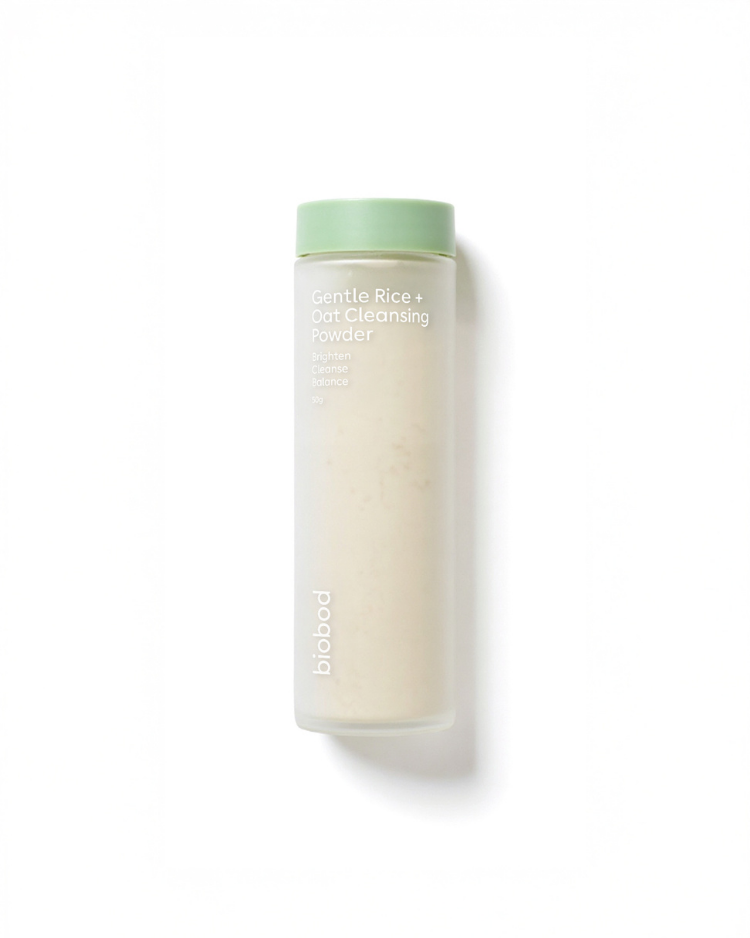
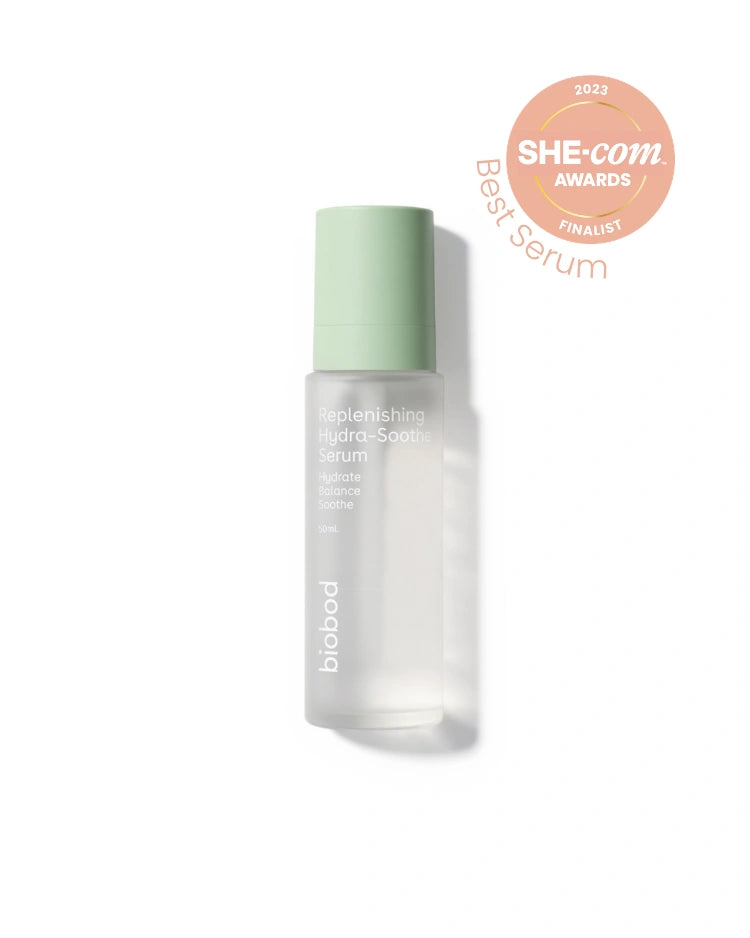
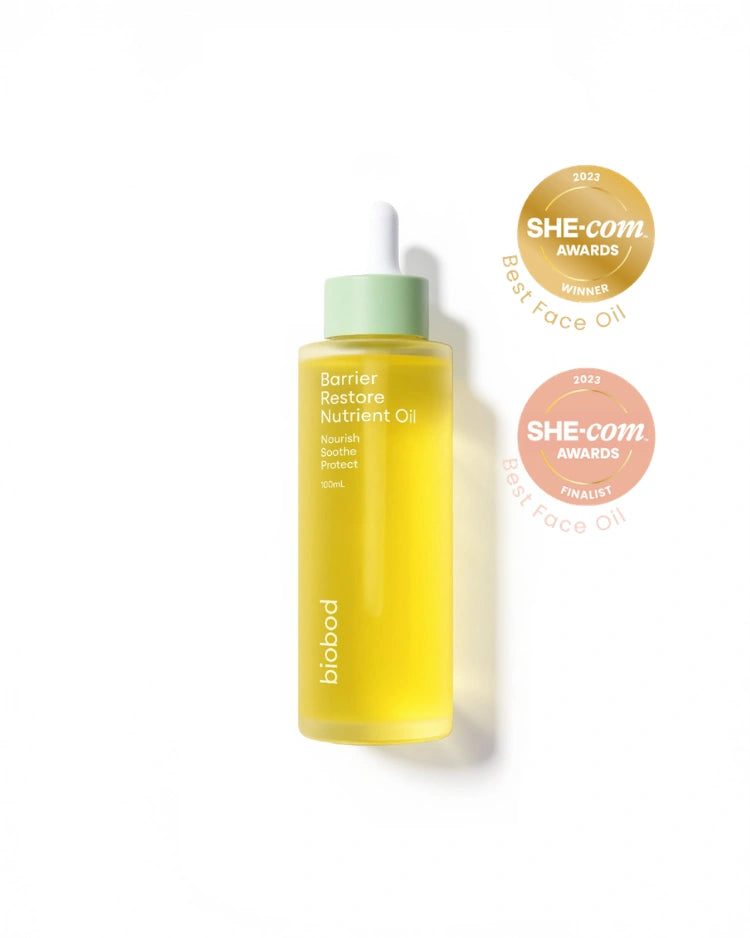
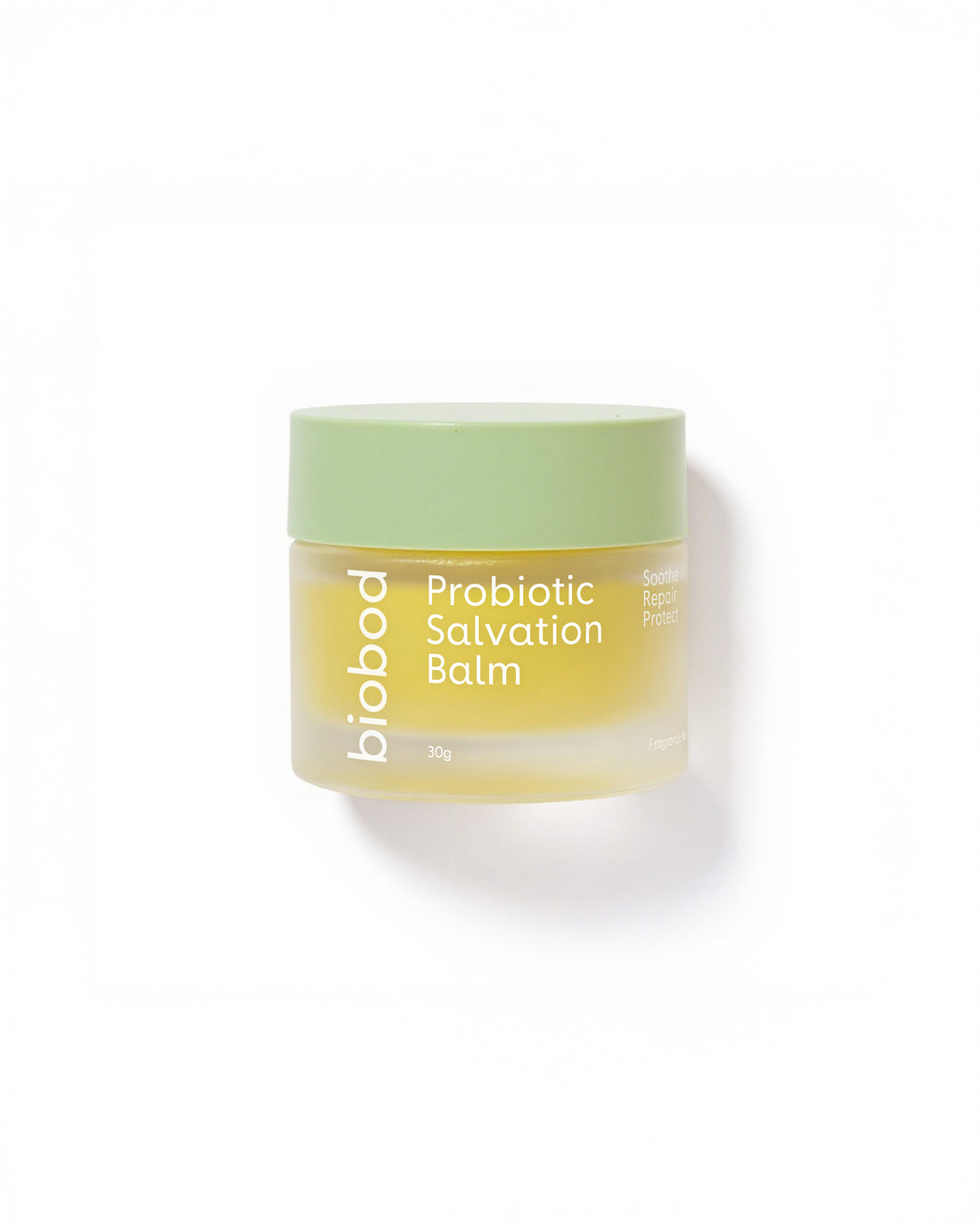
The Skin Reset System: Brighten, Hydrate & Nourish brings these steps together in a simple, effective routine designed for dry, sensitive skin.

Ingredients to avoid in winter
Some ingredients can worsen dryness and damage the skin barrier.
- Harsh exfoliating acids
- Alcohol-based products
- Overly foaming cleansers
- Fragrance
Avoiding these helps reduce irritation and maintain skin balance.
How long does it take for ingredients to work?
Hydrating ingredients can improve skin comfort quickly, often within days. However, repairing the skin barrier takes longer.
With consistent use, you may notice stronger, more resilient skin within two to four weeks.
Common mistakes when choosing ingredients
- Using lightweight products that are not enough for winter
- Over-exfoliating dry skin
- Switching products too frequently
- Not layering hydration and nourishment correctly
Focusing on consistency and balance leads to better results.
How to hydrate dry skin properly in winter
Hydration is most effective when layered and supported by the skin barrier.
Applying hydrating ingredients first, followed by nourishing products, helps retain moisture and prevent evaporation.
Learn more in how to hydrate dry skin in winter.
Why your skin still feels dry
If your skin still feels dry despite using hydrating products, the issue is likely barrier-related.
Without a strong barrier, moisture cannot stay in the skin.
This is why combining hydration with barrier support is essential.
A balanced approach to winter skincare
The best ingredients for dry skin in winter work together to hydrate, nourish and protect.
Rather than relying on one product, a balanced routine supports the skin’s natural function.
This leads to skin that feels softer, more comfortable and more resilient over time.
Frequently asked questions
What ingredients are best for dry skin in winter?
Hyaluronic acid, squalane, omega-rich oils, panthenol and glycerin are among the most effective ingredients.
What ingredients should you avoid in winter?
Harsh exfoliants, alcohol and overly stripping cleansers can worsen dryness.
How do you hydrate dry skin properly?
Layer hydrating ingredients first, followed by nourishing products that lock in moisture.
How long does it take to repair dry skin?
Skin may feel better within days, but full barrier repair typically takes a few weeks.