
Best Ingredients for Rosacea-Prone Skin: What Actually Calms Redness
The best ingredients for rosacea-prone skin are those that calm inflammation, support the skin barrier and reduce sensitivity over time. When your skin is reactive, even small changes in your routine can either soothe or trigger it, which is why choosing the right ingredients matters more than using more products.
Rosacea is not simply a surface concern. It is deeply connected to the skin barrier, the microbiome and the way the skin responds to external stress. Understanding which ingredients support this process can completely change how your skin behaves.
What are the best ingredients for rosacea-prone skin?
- Centella asiatica to calm inflammation and support healing
- Prebiotics and postbiotics to balance the skin microbiome
- Squalane for lightweight, non-irritating hydration
- Omega-rich oils to strengthen the skin barrier
- Panthenol to soothe and reduce sensitivity
Why ingredients matter more for rosacea
With rosacea, the skin is more reactive than usual. This means ingredients that might work well for other skin types can cause irritation or flare-ups.
The skin barrier in rosacea-prone skin is often weakened. This allows moisture to escape while irritants penetrate more easily, leading to redness, discomfort and inflammation.
The right ingredients help rebuild this barrier, calm the immune response in the skin and restore balance over time.
If you’re looking for a full routine built around these principles, explore our guide to the best rosacea skin care regimen.
Centella asiatica: the calming essential
Centella asiatica is one of the most effective ingredients for calming inflamed, reactive skin. It has been widely studied for its ability to reduce redness and support skin healing.
For rosacea-prone skin, centella helps:
- Reduce visible redness
- Calm inflammation
- Support barrier repair
Its soothing nature makes it ideal for daily use, especially during flare-ups when the skin feels more reactive than usual.
Find it in:

Prebiotics and postbiotics: supporting the microbiome
The skin microbiome plays a significant role in rosacea. When this ecosystem becomes unbalanced, the skin becomes more prone to inflammation and sensitivity.
Prebiotics and postbiotics help restore balance by supporting beneficial bacteria on the skin.
This creates a healthier environment where the skin is less reactive and better able to defend itself against triggers.
This is a key part of Biobod’s barrier-first philosophy, focusing on long-term skin health rather than temporary fixes.
Squalane: lightweight hydration without irritation
Squalane is one of the most well-tolerated ingredients for sensitive skin. It mimics the skin’s natural oils, allowing it to absorb easily without clogging pores or causing irritation.
For rosacea-prone skin, squalane helps:
- Maintain hydration
- Reduce dryness and tightness
- Support the skin barrier
Its lightweight texture makes it suitable even for those who are prone to congestion.
Find it in:

Omega-rich oils: rebuilding the skin barrier
Fatty acids such as omega-3 and omega-6 are essential for maintaining a strong skin barrier. When these are depleted, the skin becomes dry, irritated and more reactive.
Omega-rich oils help replenish these lipids, strengthening the barrier and reducing moisture loss.
Over time, this leads to improved resilience and fewer flare-ups.
Panthenol: soothing and repairing
Panthenol, also known as provitamin B5, is known for its calming and healing properties.
It helps:
- Reduce irritation
- Support skin repair
- Improve hydration
This makes it particularly beneficial for skin that feels compromised or inflamed.
Ingredients to avoid for rosacea-prone skin
Just as important as what you use is what you avoid. Certain ingredients can worsen rosacea symptoms and trigger flare-ups.
- Fragrance and essential oils
- Alcohol-based formulations
- Strong exfoliating acids
- High-strength retinoids
These ingredients can disrupt the skin barrier and increase inflammation, making symptoms worse over time.
Why less is more with rosacea
One of the most common mistakes is overloading the skin with too many products. Even beneficial ingredients can become overwhelming when layered excessively.
A simplified routine allows the skin to stabilise and respond more positively.
This is why barrier-first routines are so effective. They focus on giving the skin what it needs without adding unnecessary stress.
How to build a routine using these ingredients
The best way to use these ingredients is to incorporate them into a simple, structured routine.
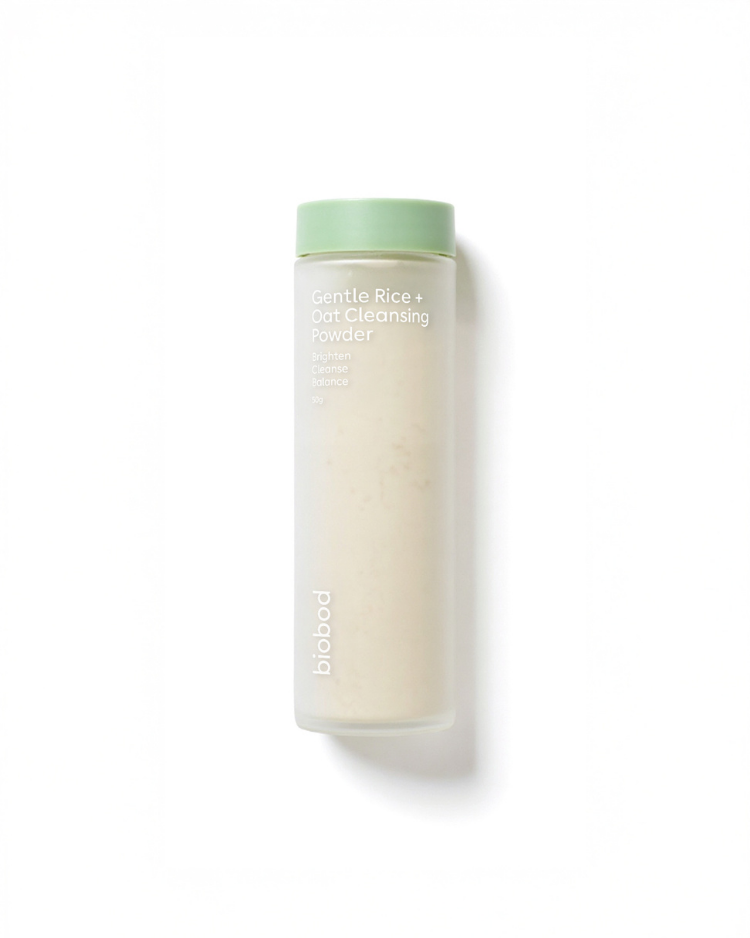
Cleanse
Use a gentle cleanser that maintains the skin barrier.
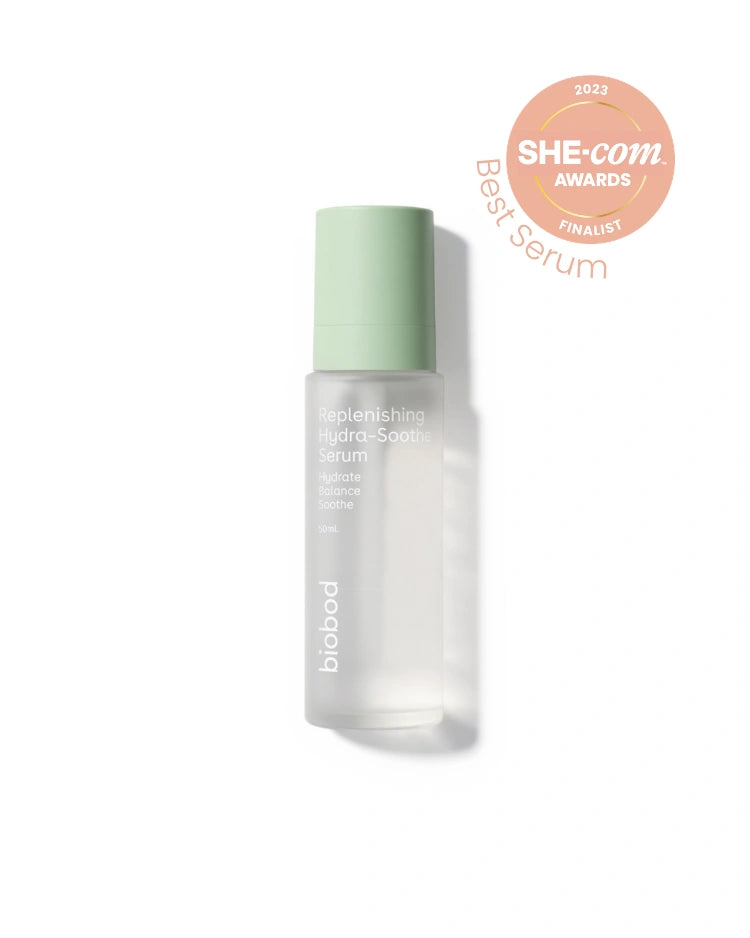
Hydrate
Apply a hydrating product with calming and microbiome-supporting ingredients.
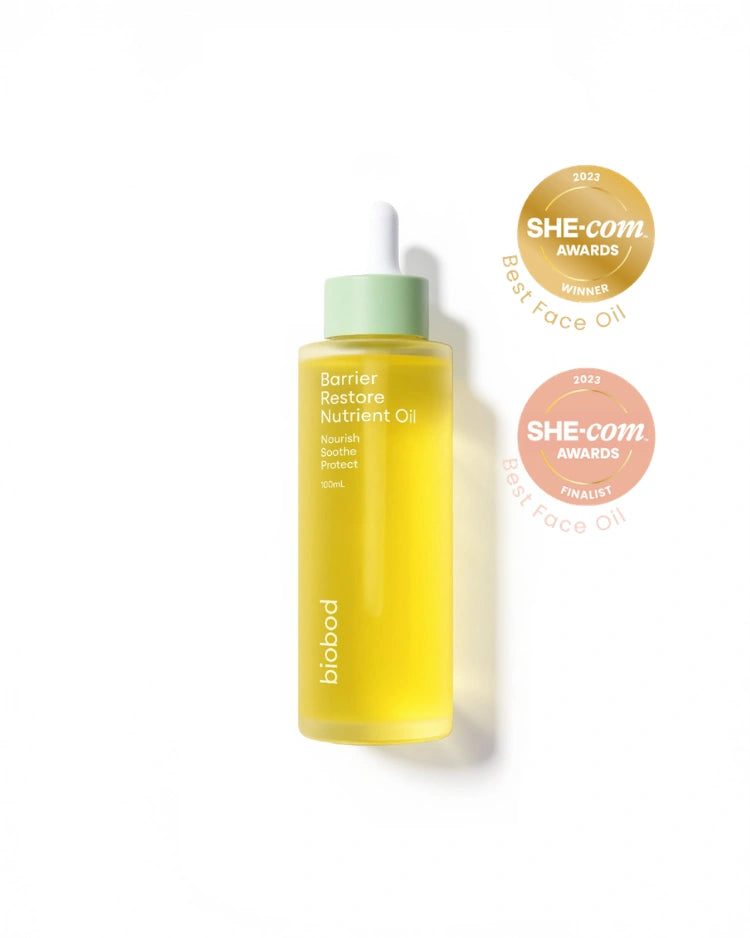
Nourish
Use oils or lipid-rich products to seal in hydration and strengthen the barrier.
For an easy way to follow this approach, the Skin Reset System: Brighten, Hydrate & Nourish combines these steps into one simple routine designed for sensitive, rosacea-prone skin.

How long does it take for ingredients to work?
Results are not instant, but they are meaningful over time. Many people notice improvements in comfort and reduced redness within a few weeks.
Full barrier repair typically takes four to eight weeks, depending on the condition of your skin.
Consistency is key. Using the right ingredients regularly allows the skin to rebuild and stabilise.
Common mistakes when choosing ingredients
- Choosing trending ingredients instead of suitable ones
- Using strong actives too early
- Switching products too frequently
- Ignoring the importance of hydration
Focusing on what your skin needs, rather than what is popular, leads to better long-term results.
Understanding your skin’s triggers
Even the best ingredients cannot fully counteract strong triggers. Lifestyle, environment and diet can all influence rosacea.
To learn more about this, read what triggers rosacea.
A balanced approach to calming rosacea
The most effective approach is one that combines calming, hydrating and barrier-supporting ingredients.
This allows the skin to function more normally, reducing sensitivity and improving overall comfort.
Rather than trying to eliminate rosacea completely, the goal is to create an environment where the skin feels supported and less reactive.
This is where real change happens, not overnight, but steadily and consistently.
Frequently asked questions
What ingredients are best for rosacea-prone skin?
Ingredients like centella asiatica, squalane, omega-rich oils, and microbiome-supporting actives help calm inflammation and strengthen the skin barrier.
What ingredients should you avoid with rosacea?
Avoid fragrance, alcohol, harsh exfoliants and strong actives that can irritate the skin.
Can ingredients alone improve rosacea?
Yes, the right ingredients used consistently can reduce redness and improve skin resilience over time.
How long does it take to see results?
Most people notice improvements within a few weeks, with full results developing over several weeks of consistent use.