
Acne is one of the most misunderstood skin conditions, and finding acne prone skin products that actually work can feel overwhelming. Most advice treats acne as a surface problem when, in reality, it’s deeply connected to barrier health, inflammation, and the skin microbiome.
At Biobod, we take a microbiome-first approach to acne-prone skin, because when the skin’s foundations are supported, breakouts are often easier to manage.
Here are ten things almost everyone with acne eventually learns, often after years of trial and error.
1. The more you strip your skin, the oilier it often becomes
Harsh cleansers, foaming surfactants, and alcohol-heavy treatments can leave skin feeling squeaky clean, but that tight feeling is a sign of barrier stress.
When the barrier is compromised, the skin compensates by producing more oil to protect itself. That excess oil can then mix with dead skin cells and worsen congestion.
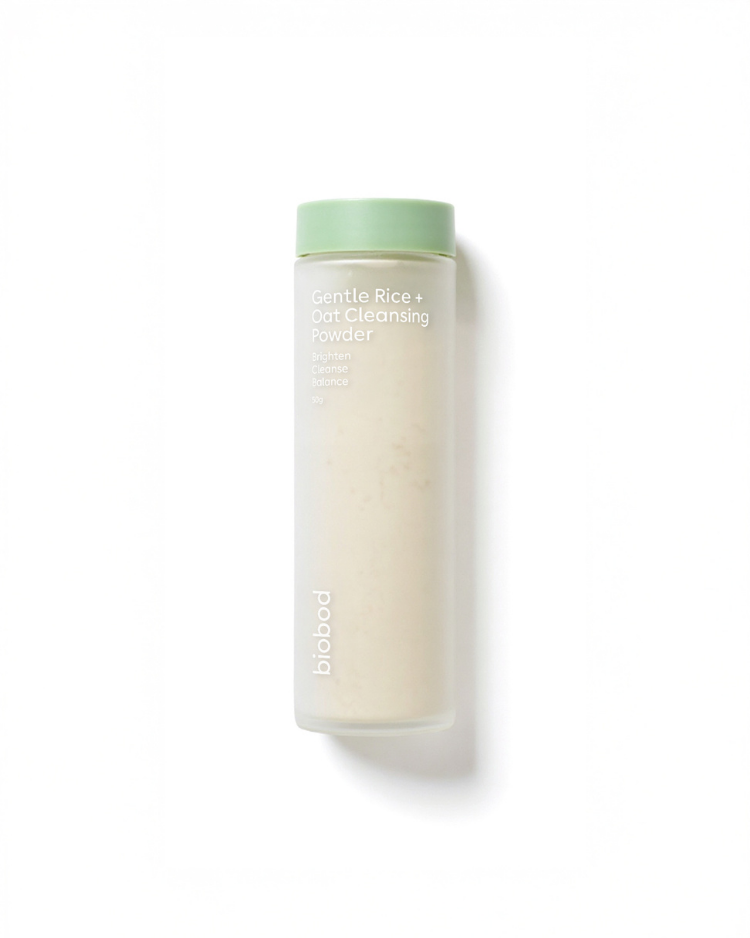
This is why Biobod focuses on gentle, waterless cleansing. Our cleansers clean effectively without stripping the skin or killing beneficial bacteria that help regulate oil and inflammation.
Oily skin isn’t always the problem.
Barrier damage often is.
2. Not all oils are bad for acne, the type matters
Avoiding oils entirely is outdated advice for acne-prone skin.
What actually matters is comedogenicity, which refers to how likely an ingredient is to clog pores. Some oils are heavy and occlusive. Others are lightweight and closely resemble the skin’s own natural oils.
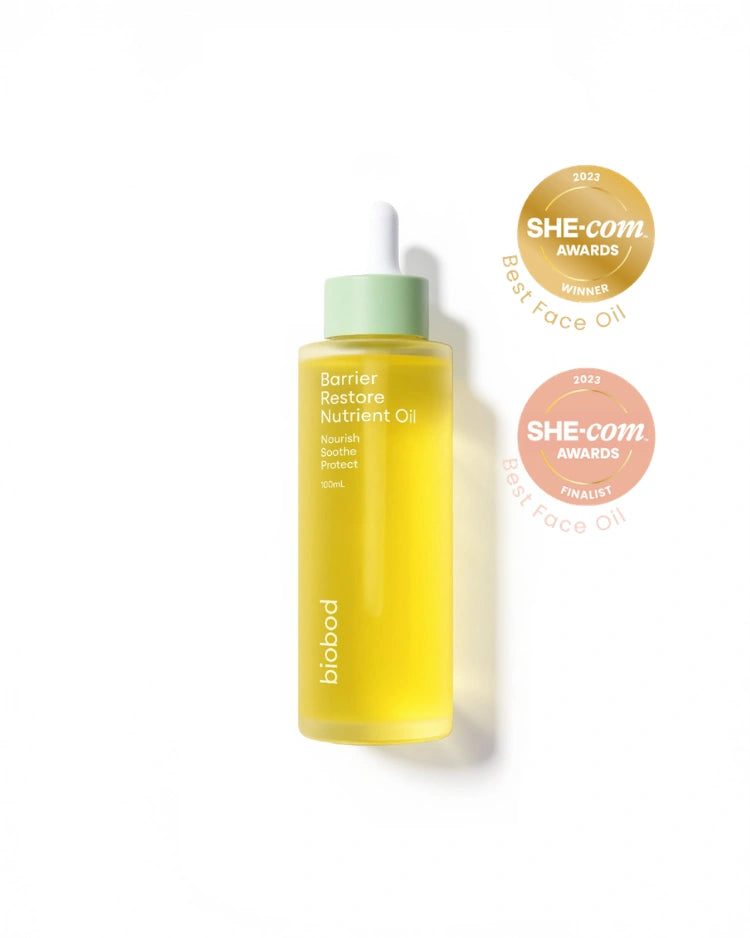
Our Barrier Restore Nutrient Oil is completely non-comedogenic and formulated to support the skin barrier without clogging pores. Oils like squalane and jojoba mimic components of human sebum and can help regulate oil production rather than overwhelm it.

More oil doesn’t automatically mean more acne.
3. Redness isn’t always the acne itself
What looks like active acne isn’t always an active breakout.
Often, visible redness is inflammation rather than the acne lesion itself. Inflammation can linger long after a spot has healed, especially when the skin is dehydrated or the microbiome is disrupted.
This is where aggressive spot treatments often backfire. Treating inflamed skin as if it’s purely bacterial can worsen irritation and delay healing.
Sometimes calming the skin is the fastest way to improve how acne looks.
4. Acne-prone skin can still be dry
Many people are surprised to learn that acne-prone skin is often dehydrated.
Dry, dehydrated skin doesn’t shed dead skin cells efficiently. This buildup can clog pores and make acne harder to manage. Tightness, flaking, and sensitivity can exist alongside breakouts.
Hydration and acne care are not opposites. They’re deeply connected.
5. If you’re on acne medication, your skincare needs change
Prescription acne medications are designed to reduce oil and increase cell turnover. They work, but they also remove moisture and can disrupt the skin barrier.
If you’re using acne medication, you often don’t need more “acne products”. You need skincare that
- rehydrates the skin
- supports barrier repair
- calms inflammation
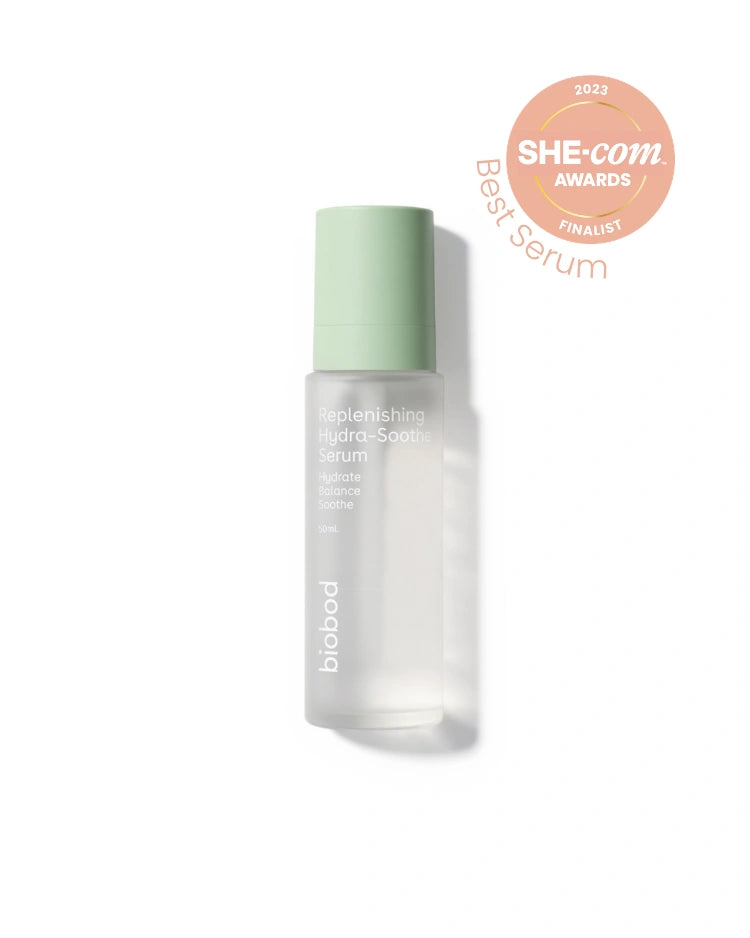
This is where Replenishing Hydra-Soothe Serum plays an important role.
Hydra-Soothe is a weightless, oil-free hydration serum designed to act like a drink of water for inflamed, sensitive skin. It helps take the ouch out of acne by reducing visible redness, replenishing hydration, and supporting skin recovery without clogging pores.
6. Inflammation is a major driver of acne
Inflammation plays a key role in many types of acne, especially adult, hormonal, and stress-related breakouts.
Inflammation can stem from many sources, including diet, stress, environment, medication, and even skincare. Identifying the root cause of inflammation and minimising it can greatly support the healing process.
Hydra-Soothe is formulated specifically to support inflamed and reactive skin. It includes calming ingredients derived from Tangerine and Centella Asiatica to help relieve discomfort and support skin repair.

Because it’s oil-free, it works beautifully on acne-prone skin that needs hydration without heaviness.
7. Not all acne is the same
One of the reasons acne can be so frustrating is that it’s not one condition with one solution.
Some breakouts are driven mainly by inflammation. Others are linked to congestion, hormones, or a compromised skin barrier. Treating all acne the same way often leads to over-treatment in some areas and under-treatment in others.
A more holistic approach focuses on understanding what the skin is reacting to first, then restoring balance before reaching for stronger actives.
For example:
- Red, inflamed acne often improves when inflammation is calmed and hydration is restored
- Congested acne is commonly linked to dehydration and irregular shedding
- Hormonal acne benefits from barrier support rather than aggressive drying
- Barrier-damaged skin improves when routines are simplified
Across all types, one thing remains consistent. Skin that is hydrated, calm, and supported tends to break out less.
This is why Biobod takes a microbiome-first approach. When the microbiome, barrier, and inflammatory response are supported, acne becomes easier to manage over time.
8. Your pillow slip and towel matter more than you think
Pillow slips and face towels collect oil, sweat, bacteria, hair products, and skincare residue.
Helpful habits for acne-prone skin
- change pillow slips 2–3 times a week
- use a fresh face towel daily or let your face air-dry
- avoid sharing towels
Small changes can make a noticeable difference.
9. Supplements can support acne-prone skin from the inside
Skincare is only part of the picture. If your diet is lacking, supplements can help fill the gaps.
Two supplements commonly supportive for acne-prone skin are
- Omega-3 fatty acids which help regulate inflammation
- Zinc which supports immune function and wound healing
They’re not a cure, but for some people they reduce the severity or frequency of breakouts over time.
Always speak to your healthcare provider before starting new supplements.
10. Food sensitivities are individual and worth testing properly
There’s no universal acne diet.
Some people react to specific foods, particularly dairy. An exclusion diet, where one food group is removed temporarily and then reintroduced, is the most reliable way to identify personal triggers.
Diet isn’t the sole cause of acne, but it can influence inflammation, which affects how acne presents and heals.
Highly refined sugar and ultra-processed foods can increase inflammatory signals in the body. For some people, this shows up as more frequent or more inflamed breakouts, especially during periods of stress or poor sleep.
What often helps is shifting the balance toward anti-inflammatory foods such as:
- omega-3 rich foods like salmon, chia, flaxseed, and walnuts
- colourful vegetables and berries
- whole carbohydrates like oats, quinoa, and sweet potato
- healthy fats such as olive oil, avocado, nuts, and seeds
Supporting inflammation internally works best alongside gentle, microbiome-first skincare.
Acne isn’t about punishment or stripping skin into submission. It’s about balance.
- Supporting the microbiome
- Rebuilding the skin barrier
- Calming inflammation
- Hydrating without clogging
This is the foundation of The Biome Advantage™.
The key is to stop asking
“How do I dry this out?”
And start asking
“How can I support my skin?”