
Last updated: October 2026 · Estimated reading time: 12 minutes
By Natalie, Founder of biobod
Your skin stings after a new serum. Your cleanser leaves you tight. A moisturiser you have used for years suddenly feels hot.
Most of the time, the cause is not one dramatic ingredient. It is a handful of common skin irritants, used often enough that your skin stops coping.
This guide covers the irritants that turn up most often in skincare, the names they hide behind on a label, how to tell irritation from an allergy, and what to do when your skin is already irritated. If your skin reacts easily, start with our guide to understanding sensitive skin.
Key takeaways
- A skin irritant is anything that disrupts the skin's outer layer and causes stinging, redness, dryness or tightness.
- Anyone can react to an irritant. An allergic reaction only happens in people who have become sensitised to a specific ingredient.
- Fragrance, including essential oils, is one of the most common causes of reactions to cosmetics.
- Many irritants hide behind technical label names, so learning a few INCI names goes a long way.
- Irritation is often cumulative. A routine can be the problem even when every product seems fine on its own.
- When skin is irritated, strip back to a gentle cleanser and a simple moisturising step, then reintroduce products one at a time.
- If irritation is severe, spreading or does not settle, see your GP or a dermatologist.
Table of contents
- What are skin irritants?
- Skin irritation vs an allergic reaction
- What are the most common skin irritants in skincare?
- Common skin irritants at a glance: label names and swaps
- The 8 common skin irritants, explained
- What does irritated skin look like?
- How do skin irritants affect the skin barrier?
- What to do if skincare is irritating your skin
- Is there a treatment for irritated or reactive skin?
- How to avoid common skin irritants when you shop
- A simple low-irritation routine
- How biobod formulates to minimise irritants
- Recommended biobod products
- FAQs
- References
What are skin irritants?
A skin irritant is an ingredient, product or habit that directly disrupts the skin's outer layer, the stratum corneum. When that layer is disturbed, skin loses water more easily and becomes more reactive, which shows up as stinging, redness, tightness, dryness or itch.
Irritation does not need an immune response. That is why anyone can experience it, and why skin that is already dry or stressed tends to react first.
Irritants in skincare usually fall into three groups:
- Ingredients such as fragrance, essential oils, alcohol denat and some preservatives.
- Strength and frequency, such as exfoliating acids or retinoids used too often or at too high a strength.
- Habits, such as over-cleansing, hot water, rough scrubbing and constantly switching products.
You will often see the phrase "chemical skin irritants". Every ingredient is technically a chemical, including water and plant oils, so it is more useful to ask whether a specific ingredient is likely to irritate than whether it is synthetic or natural.
Skin irritation vs an allergic reaction
The two can look similar, but they work differently. Knowing which one you are dealing with changes what you do next.
| Irritation | Allergic reaction | |
|---|---|---|
| What happens | An ingredient or habit directly disrupts the skin's outer layer. | The immune system has become sensitised to a specific ingredient. |
| Who reacts | Anyone, especially when skin is already dry or stressed. | Only people sensitised to that ingredient. |
| Timing | Often within minutes to hours, or builds gradually with repeated use. | Often delayed by a day or more after contact. |
| Amount | Strength and frequency matter. More product, more often, means more irritation. | Even a small amount can trigger a reaction once sensitised. |
| Next step | Remove or reduce the likely trigger and simplify your routine. | Identify the ingredient with your GP or a dermatologist, who may suggest patch testing. |
What are the most common skin irritants in skincare?
These are the irritants that come up most often in skincare formulas and routines:
- Fragrance, listed as parfum, fragrance or aroma.
- Essential oils, such as lavender, citrus, peppermint, eucalyptus and tea tree.
- Alcohol denat and other drying, volatile alcohols.
- Harsh surfactants, such as sodium lauryl sulphate (SLS).
- Exfoliating acids such as glycolic, lactic and salicylic acid, when overused.
- Certain preservatives, such as methylisothiazolinone (MI) and formaldehyde releasers.
- Retinoids and stacked actives used without recovery time.
- Gritty scrubs and DIY ingredients, such as walnut shell, lemon juice and baking soda.
Not every person will react to every item on this list. But if your skin is reactive, these are the first places to look.
Common skin irritants at a glance: label names and swaps
Many irritants appear under their technical (INCI) names. Use this table when you turn a product over.
| Irritant | What to look for on the label | Why it can irritate | Gentler choice |
|---|---|---|---|
| Fragrance | Parfum, fragrance, aroma, plus fragrance allergens such as limonene, linalool, citronellol, geraniol | A blend of many compounds and a leading cause of reactions to cosmetics | Products labelled fragrance-free, not just "unscented" |
| Essential oils | Lavandula angustifolia oil, Citrus limon peel oil, Mentha piperita oil, Eucalyptus globulus oil, Melaleuca alternifolia (tea tree) oil | Concentrated aromatic compounds; some citrus oils increase sensitivity to sunlight | Essential oil-free formulas |
| Drying alcohols | Alcohol denat., SD alcohol, ethanol, isopropyl alcohol near the top of the list | Evaporates fast and can strip skin lipids, increasing water loss | Formulas without volatile alcohols; fatty alcohols are a different ingredient |
| Harsh surfactants | Sodium lauryl sulphate (SLS), ammonium lauryl sulphate, high-foam cleansers | Removes protective lipids along with dirt, leaving skin tight | Mild, low-foam or waterless cleansers |
| Exfoliating acids | Glycolic acid, lactic acid, salicylic acid, "resurfacing", "peel" | Frequent use wears down the outer layer of skin | Exfoliate less often, and only when skin feels comfortable |
| Certain preservatives | Methylisothiazolinone (MI), methylchloroisothiazolinone (MCI), DMDM hydantoin, imidazolidinyl urea, diazolidinyl urea, quaternium-15 | Well-documented sensitisers for some people | Brands that explain their preservation system, or waterless formats |
| Stacked actives | Retinol, retinal, ascorbic acid (vitamin C), acids and high-strength niacinamide used together | Each may be fine alone, but together they can overwhelm skin | One active at a time, with rest nights |
| Scrubs and DIY | Walnut shell, apricot kernel, sugar scrubs, lemon juice, baking soda, apple cider vinegar | Friction and extreme pH can disrupt the skin surface | Leave DIY ingredients out of your facial routine |
The 8 common skin irritants, explained
1. Fragrance
Fragrance is one of the most common causes of reactions to cosmetic products. A single "parfum" can contain dozens of compounds, and many of them are recognised fragrance allergens. The EU has expanded the list of fragrance allergens that must be named individually on cosmetic labels, which is why you may now see ingredients such as limonene or linalool listed separately.
Reactions to fragrance can appear the first time you use a product, or only after weeks or months of repeated use.
Be careful with label wording. "Unscented" can mean a masking fragrance has been added to cover the smell of raw ingredients. "Fragrance-free" is the term to look for. Read more in our guide to fragrance-free skincare for sensitive skin.
2. Essential oils
Essential oils are natural, but they are not automatically gentle. They are concentrated plant compounds, and many contain the same fragrance allergens found in synthetic perfume.
Lavender, citrus, peppermint, eucalyptus and tea tree oils are among the most common culprits for reactive skin. Some citrus oils can also make skin more sensitive to sunlight.
A product described as "naturally fragranced" or "no artificial fragrance" may still contain essential oils. For a deeper look, see are essential oils good for skin?
Green flag
Clearly labelled fragrance-free and essential oil-free.
Proceed carefully
Unscented, naturally fragranced, aromatic botanical blend or scented with essential oils.
3. Alcohol denat and drying alcohols
Alcohol denat (denatured alcohol) gives products a light, fast-drying feel. It evaporates quickly and can take some of the skin's natural lipids with it, increasing water loss. With repeated use, skin may feel tight, dry and more reactive.
Myth: Any alcohol in skincare is bad for sensitive skin.
Fact: Fatty alcohols such as cetyl, cetearyl and stearyl alcohol are waxy, moisturising ingredients that are generally well tolerated. The drying alcohols are the volatile ones, such as alcohol denat. See our guides to alcohol in skincare and fatty alcohols.
Benzyl alcohol is a separate case again. It is used as a preservative and is also a listed fragrance allergen. Learn more about benzyl alcohol in skincare.
4. Harsh surfactants and over-cleansing
Surfactants are the ingredients that let a cleanser lift oil and dirt. Strong ones, such as sodium lauryl sulphate, are effective but can also remove the lipids that help your skin hold water. Sodium lauryl sulphate is so reliably irritating that researchers use it to deliberately disrupt the skin barrier in studies.
Signs your cleanser is too strong:
- skin feels tight or "squeaky clean" after washing
- redness or flushing straight after cleansing
- dryness or flaking a few hours later
- moisturiser stings when it goes on
Cleansing twice a day with hot water can have the same effect, even with a gentle product. Read our guide on how to cleanse sensitive skin.
5. Exfoliating acids, when overused
Glycolic, lactic and salicylic acids loosen the bonds between surface skin cells. Used occasionally, that can leave skin smoother. Used too often, or in combination with other exfoliants, they wear down the outer layer faster than it can recover.
Rough or dull skin is often a sign of dryness, not a need for more exfoliation. If your skin already feels uncomfortable, pause exfoliating until it settles. When you are ready to reintroduce acids, our skin cycling schedule shows how to do it gradually.
6. Certain preservatives
Preservatives are not the enemy. Any product that contains water needs protection from bacteria, yeast and mould.
But some preservatives are more likely to cause problems than others. Methylisothiazolinone (MI) became such a common cause of allergic reactions that the EU banned it from leave-on cosmetics in 2017. Methylchloroisothiazolinone (MCI) and formaldehyde-releasing preservatives such as DMDM hydantoin and quaternium-15 are also well-known sensitisers.
Waterless formats such as balms, oils and powder cleansers do not need the same preservation system as water-based creams, which can make them a useful option for people who react to preservatives. Our guide to paraben-free skincare explains how preservatives are chosen.
7. Retinoids and stacked actives
Retinol, vitamin C, exfoliating acids and high-strength niacinamide can each be useful. Layer them together, every night, and your skin may not get time to recover.
Signs your routine is overloaded:
- tingling that lasts longer than a few seconds
- redness that does not fade
- a simple moisturiser suddenly stings
- skin feels sensitive to water or wind
If a product you have used for months has started to sting, read why is my skincare suddenly irritating my skin?
8. Gritty scrubs and DIY ingredients
Scrubs made with crushed shells, kernels or sugar rely on friction, which can cause small breaks in the skin surface. DIY ingredients such as lemon juice, baking soda and apple cider vinegar sit far outside the skin's natural pH and can be surprisingly harsh.
Natural does not mean gentle. If you want to exfoliate, a well-formulated product used sparingly is a safer choice than a kitchen ingredient.
What does irritated skin look like?
Irritated skin is skin that feels or looks uncomfortable after contact with an ingredient, product or habit. On the face, it commonly shows up as:
- stinging, burning or heat when you apply products
- redness or blotchiness
- tightness, dryness or flaking
- itchiness
- a rough or bumpy texture
- feeling like everything irritates your skin
Irritation can be subtle. Some people notice warmth after applying products, or that skin becomes more reactive to water, wind or temperature changes, rather than an obvious reaction.
Often linked to your routine
Mild stinging, tightness or redness that started after a new product or a busier routine, and eases when you simplify.
See your GP or a dermatologist
Swelling, blistering, weeping, spreading redness, severe itch, or skin that does not settle after you stop using products.
How do skin irritants affect the skin barrier?
Your skin barrier is made of skin cells held together by lipids such as ceramides, cholesterol and fatty acids. It keeps water in and helps keep irritants out.
Irritants disturb that structure. They strip lipids, increase water loss and make it easier for the next ingredient to cause a reaction. That is why irritation tends to snowball: skin that has been irritated once becomes more reactive to products it previously tolerated.
Breaking the cycle is less about adding a new product and more about removing what is stressing the skin. Learn more about how to tell healthy skin from stressed skin.
What to do if skincare is irritating your skin
If your skin is irritated from skincare, the most useful thing you can do is give it less to deal with.
- Stop the likely culprit. Pause any product you introduced recently, and any exfoliants, retinoids or acids.
- Strip back your routine. Use a gentle, fragrance-free cleanser and a simple hydrating and moisturising step. That is it for now.
- Cleanse gently. Use lukewarm water, your fingertips and a soft cloth. Skip scrubs, brushes and hot showers on the face.
- Soothe and hydrate. Choose fragrance-free products with comforting ingredients such as glycerin, squalane, oat and plant lipids.
- Give it time. Keep your routine consistent until skin feels comfortable again before adding anything new.
- Reintroduce one product at a time. Wait at least a week between additions so you can see what your skin tolerates.
For more detail, see ingredients to avoid when your skin is already irritated and our guide to calming skincare for irritated skin.
Is there a treatment for irritated or reactive skin?
Skincare is not a medical treatment. If your skin is persistently red, inflamed, itchy or reactive, a GP or dermatologist can assess what is going on and recommend appropriate treatment.
What skincare can do is avoid adding to the problem. A gentle, fragrance-free routine that supports hydration and comfort gives skin the best conditions to settle, while removing common irritants takes away the triggers that keep it stressed.
How to avoid common skin irritants when you shop
Use this quick checklist before you buy:
- Is it labelled fragrance-free, not just unscented?
- Is it essential oil-free?
- Is alcohol denat absent, or at least low on the ingredient list?
- Does the cleanser avoid sodium lauryl sulphate?
- Does it skip MI, MCI and formaldehyde-releasing preservatives?
- Does it contain anything you have reacted to before?
- Can you introduce it on its own, or is a trial size available?
For a broader list, see our guide to skincare ingredients to avoid.
A simple low-irritation routine
A routine for reactive skin does not need ten steps. It needs a few products that do their job without adding stress.
- Cleanse with a gentle, non-stripping cleanser.
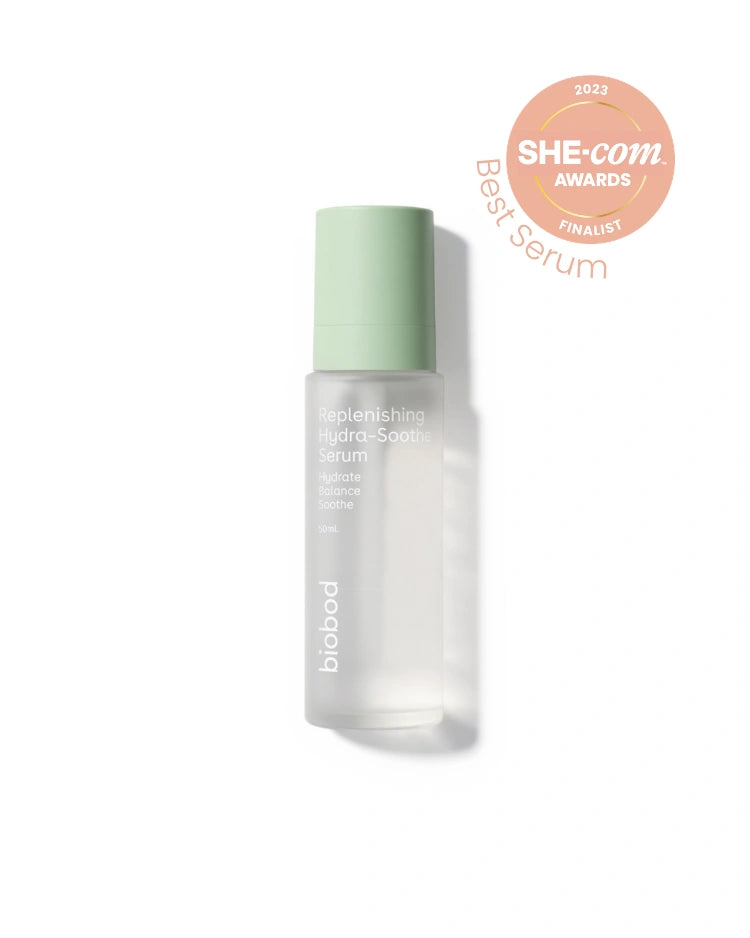
- Hydrate with a fragrance-free serum.
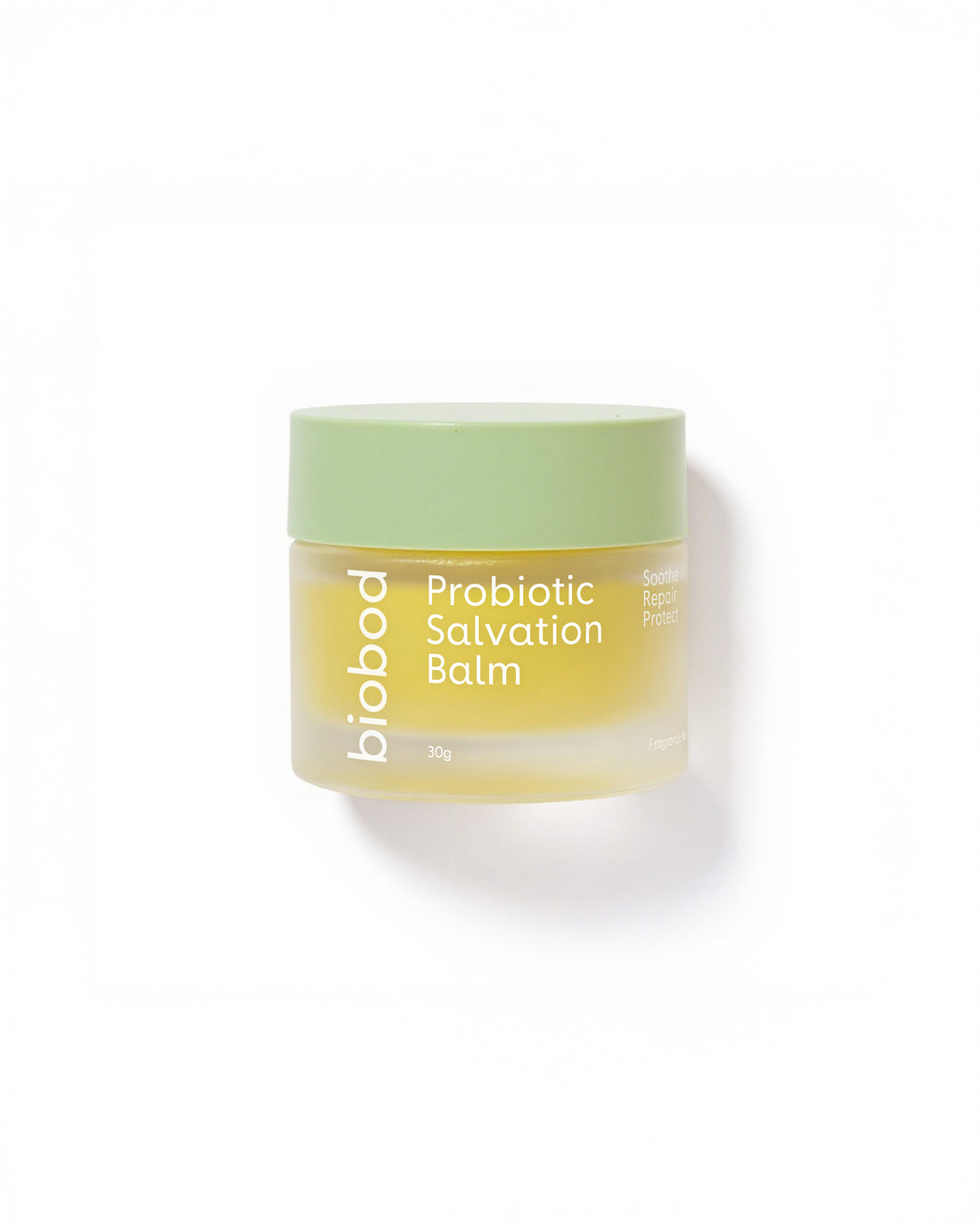
- Support the barrier with an oil, balm or moisturiser.
- Protect with a broad-spectrum sunscreen during the day. Cancer Council Australia recommends SPF30 or higher. If your sunscreen stings, try a fragrance-free formula and patch test first.
Fewer products means fewer variables, and it is far easier to spot a trigger. Read more in how to build a minimalist skincare routine.
How biobod formulates to minimise irritants
biobod was created for sensitive skin, so avoiding common irritants is the starting point, not an afterthought.
- Fragrance-free and essential oil-free. No parfum, no essential oils, no aromatic blends.
- Ingredient screening. Every ingredient is screened against the EWG Skin Deep database and selected for a low hazard score.
- Allergen-conscious formulation. Formulas are separately reviewed for common allergens and potential irritants, because a low-hazard ingredient can still be a poor match for reactive skin.
- Gentle cleansing. Waterless and low-foam cleansers designed to cleanse without leaving skin tight.
- Microbiome-conscious. Formulas designed to care for skin without unnecessarily stripping it. Learn more about the skin microbiome.
If you would like to start gently, the Discovery Set lets you try the range in smaller sizes, one product at a time.
Recommended biobod products
Start gently
Discovery Set

Best for: Trying a fragrance-free routine without committing to full sizes.
Trial sizes of the cleansing powder, serum, oil and balm, so you can introduce one step at a time.
Explore the Discovery SetNon-stripping cleanse
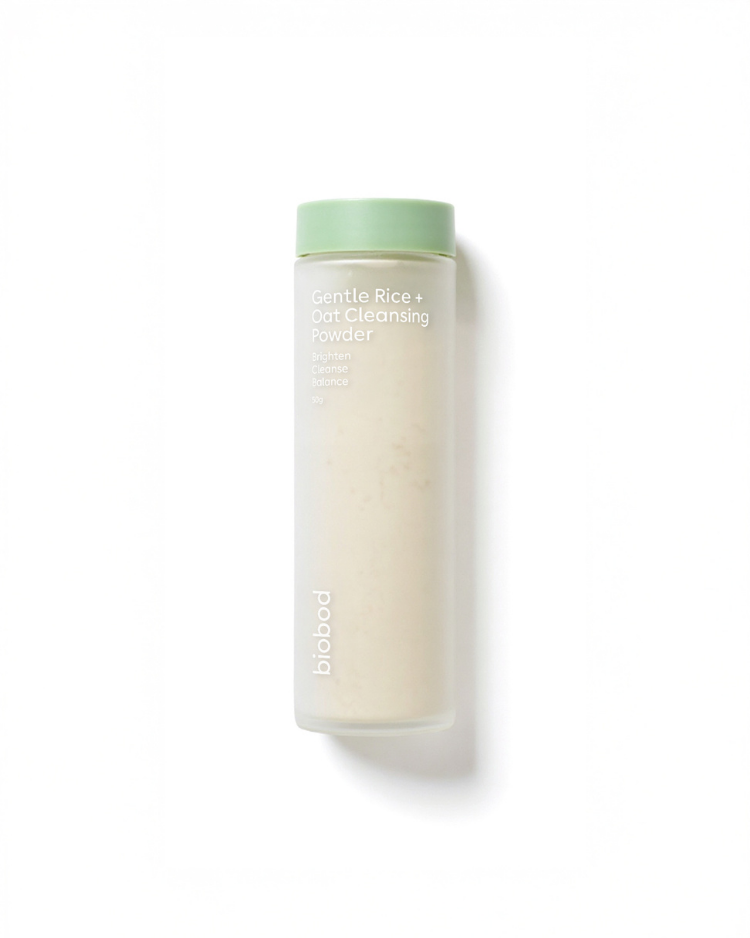
Gentle Rice + Oat Cleansing Powder

Best for: Skin that feels tight after foaming cleansers.
A waterless, fragrance-free powder you activate with water, so you control the texture each time.
Explore the Cleansing PowderBarrier support
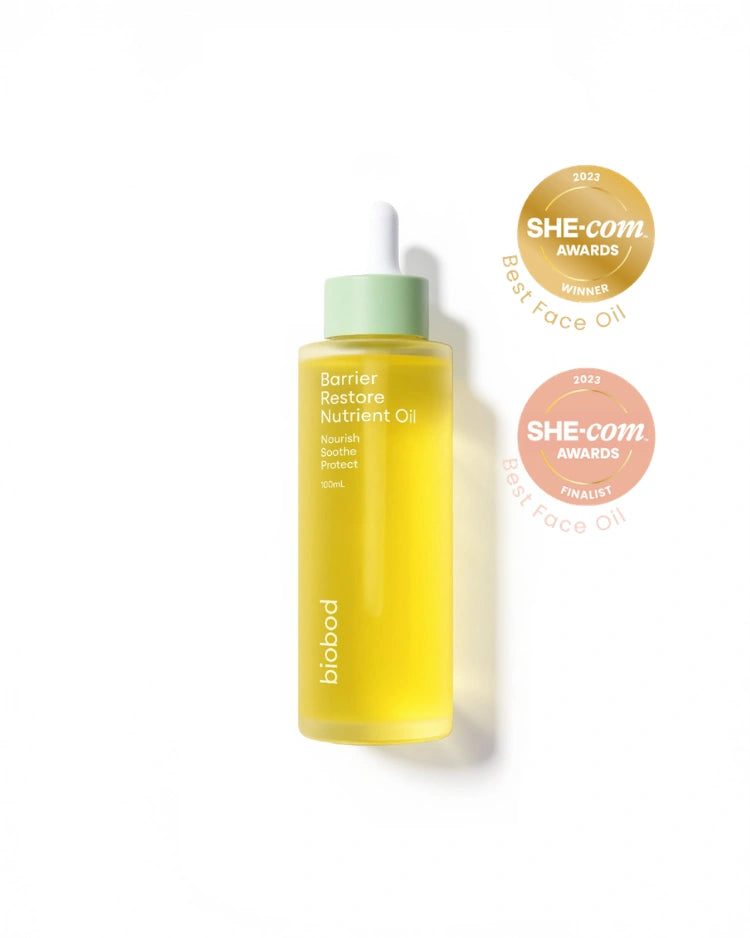
Barrier Restore Nutrient Oil

Best for: Dry, tight skin that needs comfort and nourishment.
A fragrance-free, essential oil-free face oil that helps seal in hydration and support the skin barrier.
Explore the Nutrient OilRelated reading
- Why Is My Skincare Suddenly Irritating My Skin?
- Ingredients to Avoid When Your Skin Is Already Irritated From Actives
- Best Calming Skincare for Irritated, Over-Actived Skin in Australia
- How to Build a Minimalist Skincare Routine
- Skincare Ingredients to Avoid
- Fragrance-Free Skincare for Sensitive Skin
- Alcohol in Skincare
- Sensitive Skin 101
FAQs
What are the most common skin irritants?
In skincare, the most common skin irritants are fragrance, essential oils, alcohol denat, harsh surfactants such as sodium lauryl sulphate, overused exfoliating acids, certain preservatives such as methylisothiazolinone, retinoids and other actives layered together, and gritty scrubs or DIY ingredients such as lemon juice and baking soda.
What are some examples of skin irritants on an ingredient list?
Look for parfum or fragrance, limonene, linalool, essential oils such as Lavandula angustifolia oil, alcohol denat, sodium lauryl sulphate, glycolic acid, methylisothiazolinone, methylchloroisothiazolinone and formaldehyde releasers such as DMDM hydantoin.
What are chemical skin irritants?
The term usually refers to synthetic ingredients that commonly irritate skin, such as sodium lauryl sulphate, alcohol denat, methylisothiazolinone and synthetic fragrance. But natural ingredients such as essential oils and lemon juice can be just as irritating, so judge each ingredient on how likely it is to irritate rather than whether it is synthetic.
What is the difference between skin irritation and an allergic reaction?
Irritation happens when an ingredient or habit directly disrupts the skin's outer layer, and anyone can experience it. An allergic reaction involves the immune system and only happens in people who have become sensitised to a specific ingredient. Allergic reactions are often delayed by a day or more. A GP or dermatologist can help identify an allergy.
What should I do if my skin is irritated from skincare?
Stop any new products and actives, strip back to a gentle fragrance-free cleanser and a simple moisturising step, and avoid scrubs and hot water. Once skin feels comfortable again, reintroduce products one at a time. If irritation is severe or does not settle, see your GP or a dermatologist.
Can natural skincare ingredients irritate skin?
Yes. Essential oils, citrus extracts, lemon juice and baking soda are natural but can irritate reactive skin. Natural and gentle are not the same thing, so check the full ingredient list rather than relying on a "natural" claim.
Is all alcohol in skincare an irritant?
No. Drying, volatile alcohols such as alcohol denat can strip skin lipids. Fatty alcohols such as cetyl, cetearyl and stearyl alcohol are moisturising ingredients that are generally well tolerated.
What skincare is best for irritated skin?
A short routine of fragrance-free, essential oil-free products: a gentle non-stripping cleanser, a hydrating serum, and an oil, balm or moisturiser to support the barrier. Add sunscreen during the day and leave out exfoliants and strong actives until skin feels comfortable.
Most skin irritation is not caused by one bad product. It is caused by too many triggers at once.
Take a few away, keep your routine simple, and give your skin the time it needs to settle.
Start with fewer variables: Explore the Discovery Set, Gentle Rice + Oat Cleansing Powder or Barrier Restore Nutrient Oil.
References
- Review on perfume and present status of its associated allergens. Journal of Cosmetic Dermatology, 2021.
- Commission Regulation (EU) 2023/1545 on the labelling of fragrance allergens in cosmetic products.
- Commission Regulation (EU) 2016/1198 amending Annex V to Regulation (EC) No 1223/2009 (methylisothiazolinone).
- Cancer Council Australia. Sunscreen basics.
This article is general information only and is not medical advice. If you have persistent, severe or unusual skin concerns, see your GP or a dermatologist. biobod screens ingredients against information in the EWG Skin Deep database as part of its own formulation process. This does not imply that EWG has certified or endorsed biobod or its finished products.