
Shea butter is one of the most effective natural ingredients for restoring dry, sensitive skin, supporting the skin barrier, and reducing inflammation. Rich in essential fatty acids and skin-replenishing compounds, it works in harmony with the skin rather than sitting heavily on top, making it especially valuable for reactive, compromised, or ageing skin.
While it has long been known as a deeply nourishing moisturiser, the real benefits of shea butter go far beyond hydration. When used correctly, it can help strengthen the skin barrier, calm breakouts linked to irritation, and improve overall skin resilience.
What are the benefits of shea butter for skin?
- Deeply hydrates and prevents moisture loss
- Strengthens and supports the skin barrier
- Calms redness and inflammation
- Rich in vitamins A and E for skin repair
- Softens rough texture and improves elasticity
- Supports healing of dry or compromised skin
- Suitable for sensitive and reactive skin types
What is shea butter and why does it work?
Shea butter is a natural fat extracted from the nuts of the shea tree. What makes it so effective is its unique composition of fatty acids and bioactive compounds that closely mimic the skin’s own lipid structure.
It contains high levels of oleic, stearic, and linoleic acids, which are essential for maintaining a healthy skin barrier. These lipids help reinforce the outer layer of the skin, preventing moisture loss while protecting against environmental stressors.
In addition to fatty acids, shea butter contains naturally occurring antioxidants and anti-inflammatory compounds that support skin repair. This combination is what allows it to both nourish and calm the skin at the same time.
Why shea butter works so well for sensitive skin
Sensitive skin is often a sign of a weakened skin barrier. When the barrier is compromised, the skin loses water more easily and becomes more reactive to external triggers.
Shea butter helps restore this balance by replenishing essential lipids and sealing in hydration. Rather than acting as a temporary fix, it supports the skin’s natural ability to protect itself.
This is why it is often well tolerated by those who struggle with redness, dryness, or irritation. Instead of overstimulating the skin, it focuses on calming and restoring.
For those experiencing sensitivity from over-exfoliation or active-heavy routines, shea butter can help bring the skin back to a more stable, resilient state.
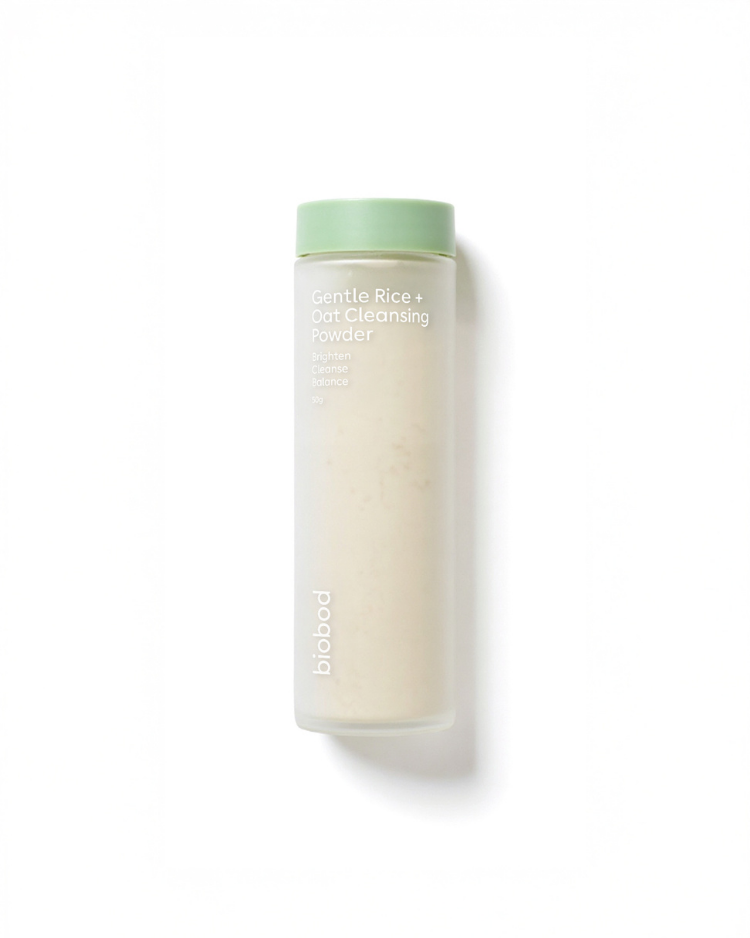
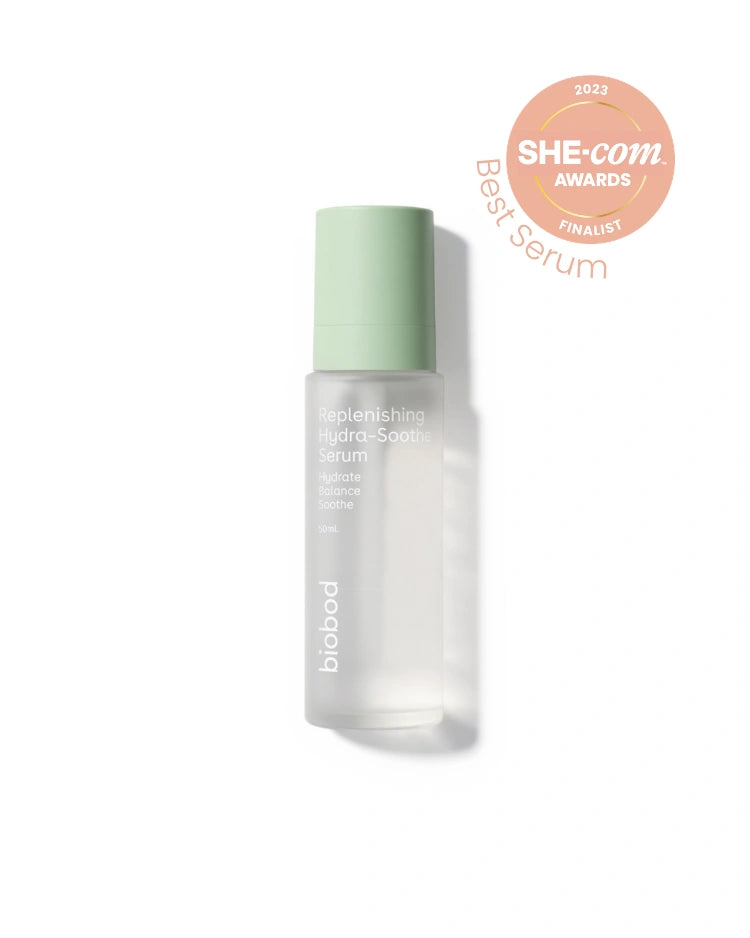
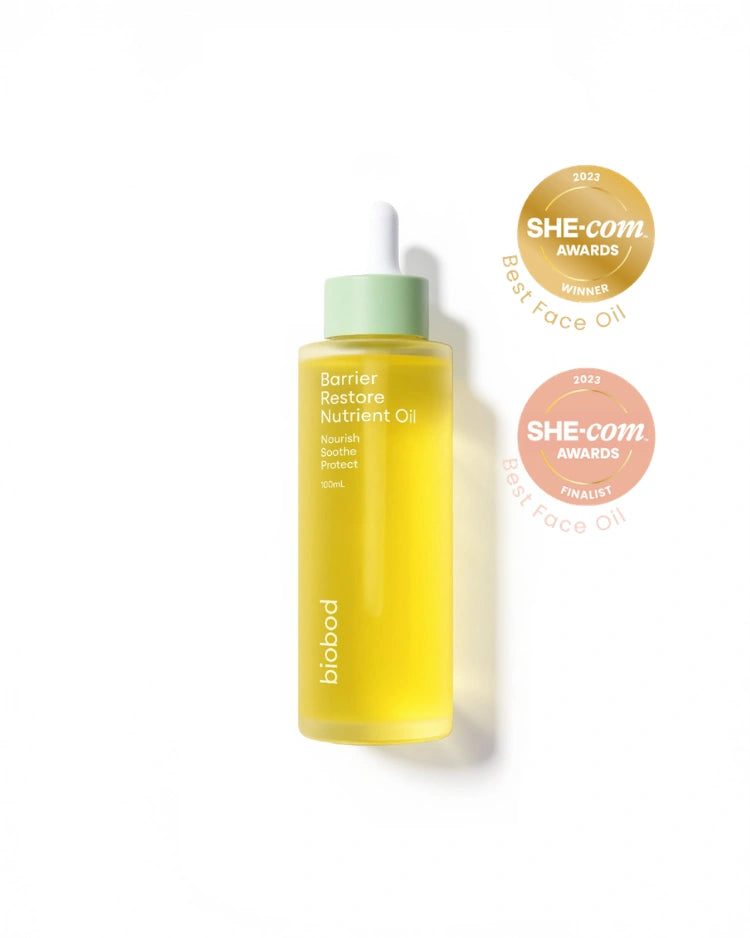
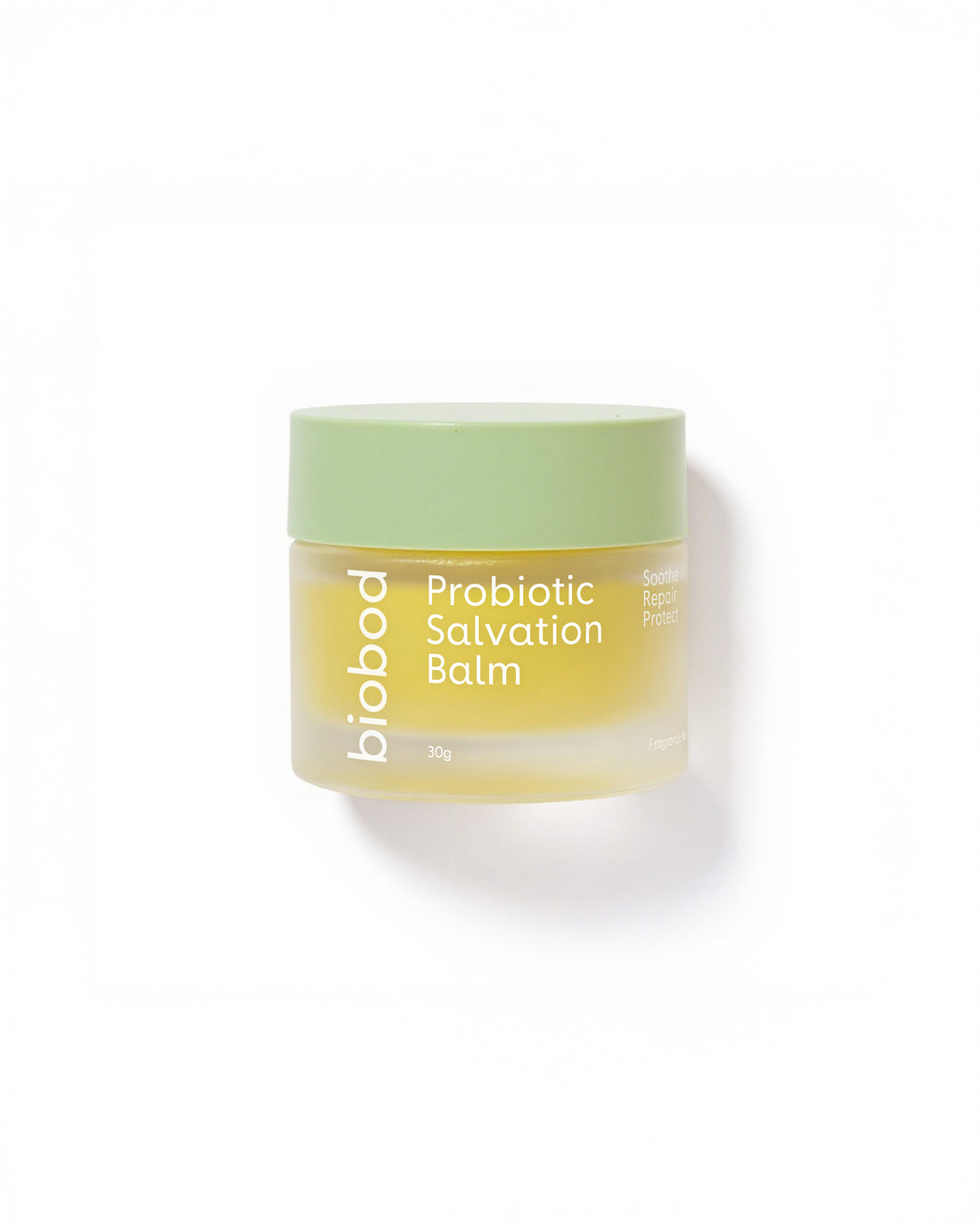
Find it in:

Is shea butter good for acne-prone skin?
Shea butter can be beneficial for acne-prone skin, particularly when breakouts are linked to dehydration or barrier damage rather than excess oil alone.
While it is often assumed that oils and butters worsen acne, the reality is more nuanced. Acne is frequently driven by inflammation, irritation, and an impaired barrier. In these cases, nourishing ingredients like shea butter can actually help reduce breakouts by calming the skin and supporting repair.
That said, shea butter is moderately comedogenic, meaning it may not suit everyone. For some skin types, especially those prone to congestion, it can feel too heavy if overused.
The key is how it is used. Applying small amounts, focusing on dry or irritated areas, and pairing it with lightweight, non-comedogenic ingredients can make a significant difference.
For those who find pure shea butter too rich, formulations that combine lighter oils such as squalane with barrier-supporting ingredients can offer similar benefits with a more breathable finish.
How to use shea butter for acne
Using shea butter correctly is essential, particularly for acne-prone skin.
Start with a clean, balanced base
Always apply shea butter after cleansing and hydrating the skin. Applying it to dry skin without hydration underneath can limit its effectiveness.
Use a small amount
A little goes a long way. Using too much can create unnecessary heaviness, especially for combination or oily skin types.
Focus on targeted areas
Instead of applying it across the entire face, use it on areas that feel dry, irritated, or compromised.
Layer correctly
Shea butter works best as the final step in your routine, sealing in hydration from serums or lightweight moisturisers.
Can you use shea butter around the eyes?
The eye area is one of the first places to show signs of dehydration and fatigue. Shea butter’s rich texture makes it effective for softening fine lines and restoring comfort to dry, delicate skin.
Its anti-inflammatory properties can also help calm puffiness and sensitivity, particularly when the skin is stressed.
However, less is more. Using too much product around the eyes can lead to heaviness or milia in some cases. A small amount pressed gently into the skin is enough to deliver results.
For those who prefer a lighter feel, eye products that combine humectants with lightweight oils may provide hydration without the richness of pure shea butter.
How to use shea butter in your skincare routine
Shea butter is most effective when used as part of a balanced routine that focuses on hydration, barrier support, and gentle care.
For dry or dehydrated skin
Apply as the final step in your evening routine to lock in moisture. Pair with hydrating serums to maximise results.
For sensitive or reactive skin
Use consistently in small amounts to support barrier repair and reduce irritation over time.
For acne-prone skin
Apply sparingly and avoid overuse. Focus on areas that need extra support rather than the entire face.
For mature skin
Use to improve softness, elasticity, and overall skin comfort. It pairs well with antioxidant-rich products for added support.
Shea butter vs other moisturising ingredients
Understanding how shea butter compares to other ingredients can help you build a more effective routine.
Humectants such as glycerin and sodium hyaluronate draw water into the skin, increasing hydration levels. However, without an occlusive ingredient, that moisture can evaporate.
Shea butter acts as an occlusive, sealing in hydration and preventing water loss. This is what makes it so effective for dry or compromised skin.
Lightweight oils like squalane provide nourishment without heaviness, making them ideal for those who want barrier support without a rich texture.
The most effective formulations combine these elements, delivering hydration, nourishment, and protection in a balanced way.
Who should use shea butter?
- Dry or dehydrated skin types
- Sensitive or reactive skin
- Skin experiencing barrier damage
- Mature skin needing extra nourishment
- Those recovering from over-exfoliation or irritation
When shea butter may not be suitable
While shea butter is beneficial for many, it may not suit every skin type.
Those with very oily or congestion-prone skin may find it too rich, particularly if used in large amounts. In these cases, lighter alternatives may provide similar benefits without the weight.
It is also important to consider how it is formulated. Pure shea butter behaves differently from products that blend it with other ingredients.
A more balanced approach to barrier repair
While pure shea butter can support the skin, modern formulations often deliver more balanced results by combining multiple barrier-supporting ingredients.
Biocompatible oils, antioxidants, and calming plant extracts work together to hydrate, nourish, and protect without overwhelming the skin.
This approach aligns more closely with how the skin naturally functions, focusing on restoration rather than excess.
For sensitive or acne-prone skin, this balance is often what makes the biggest difference.
Frequently asked questions
Is shea butter good for acne?
Shea butter can help calm inflammation and support the skin barrier, which may improve acne caused by irritation or dryness. However, it may not suit very oily skin types.
Can shea butter clog pores?
Shea butter is moderately comedogenic, meaning it may clog pores for some people. Using small amounts or lighter formulations can help reduce this risk.
Can you use shea butter every day?
Yes, shea butter can be used daily, particularly for dry or sensitive skin. It is best applied as the final step in your routine.
Is shea butter safe for sensitive skin?
Shea butter is generally well tolerated and suitable for sensitive skin due to its calming and barrier-supporting properties.
Can you use shea butter under the eyes?
Yes, a small amount can be used under the eyes to hydrate and soften fine lines. Apply sparingly to avoid heaviness.
What is the best way to use shea butter for acne?
Use a small amount as the final step in your routine, focusing on dry or irritated areas rather than applying heavily across the entire face.