
Last updated: October 2026 · Estimated reading time: 9 minutes
By Natalie, Founder of biobod
Centella asiatica is everywhere right now. You will find it in Korean toners, "cica" creams, sheet masks and calming serums, usually with a promise to make skin feel instantly better.
So what does centella asiatica do in skincare? Is it worth the attention, or is it simply this year's hero ingredient?
The short answer: centella is one of the gentlest, most useful botanicals you can put on sensitive skin. It will not transform your skin overnight. What it does well is help skin feel calm, comfortable and hydrated, which is exactly what reactive skin tends to need most.
This guide explains how centella asiatica in skincare works: what it is, what it does, which skin types suit it and how to get the most from it in a simple routine.
Key takeaways
- Centella asiatica is a leafy plant also known as gotu kola, tiger grass and, in K-beauty, cica.
- Its key compounds are asiaticoside, madecassoside, asiatic acid and madecassic acid.
- In skincare, centella helps soothe skin, calm the look of redness and support hydration.
- It suits most skin types, especially sensitive, dry and dehydrated-feeling skin.
- It is gentle enough to use every day, morning and night.
- The complete formula matters more than centella alone. Look for fragrance-free formulas with supporting humectants.
- Centella is a cosmetic ingredient. Persistent or unusual skin concerns should always be checked by a GP or dermatologist.
Table of contents
- What is centella asiatica?
- What does centella asiatica do in skincare?
- Is centella asiatica good for your skin?
- What skin type is centella good for?
- Centella, the skin barrier and the microbiome
- How to use centella asiatica
- What to look for in a centella product
- Centella in biobod's Replenishing Hydra-Soothe Serum
- Recommended biobod products
- FAQs
What is centella asiatica?
Centella asiatica is a small, leafy plant that grows in damp, shady parts of Asia, Africa and the Pacific. It has a long history of use in Asian botanical traditions, and today centella asiatica for skincare is one of the most widely used plant extracts in formulas designed for sensitive skin.
Its reputation comes from a group of naturally occurring compounds called triterpenes. The four you will hear about most are:
- Asiaticoside
- Madecassoside
- Asiatic acid
- Madecassic acid
Centella extracts also contain flavonoids and phenolic compounds with antioxidant properties. Together, these compounds are why centella is valued as a soothing, skin-friendly ingredient rather than a stimulating one.
Is centella asiatica the same as cica?
Essentially, yes. "Cica" is a K-beauty shorthand for centella asiatica, and the plant is also called gotu kola and tiger grass. A product labelled cica may contain whole centella extract or a purified compound such as madecassoside, so it is always worth checking the ingredient list.
Do Koreans use centella?
Yes. Centella is a staple of Korean skincare, where it features in toners, essences, serums and creams designed to keep skin feeling calm and comfortable. Much of its global popularity grew from K-beauty, although the ingredient is now used by brands all over the world, including here in Australia.
What does centella asiatica do in skincare?
Centella asiatica helps skin feel calmer, more comfortable and better hydrated. In a well-formulated product, it can:
- Soothe skin that feels tight, warm or uncomfortable
- Calm the look of redness caused by everyday stressors such as weather, over-cleansing or a crowded routine
- Support hydration, particularly when paired with humectants such as glycerin and hyaluronic acid
- Support a comfortable skin barrier, helping skin hold on to moisture
- Provide antioxidant support from its naturally occurring plant compounds
Research on cosmetic formulations reflects this. In one study of creams and emulsions containing centella extract, volunteers saw improved skin hydration and reduced water loss from the skin over several weeks of use (Ratz-Łyko et al., 2016).
Myth: Centella is a quick fix that changes your skin in a day.
Fact: Centella is a supportive ingredient. You may notice skin feels more comfortable straight away, but its real value comes from consistent use inside a gentle routine.
Is centella asiatica good for your skin?
For most people, yes. Centella is considered one of the more gentle botanical ingredients in skincare, which is why it appears so often in formulas designed for sensitive and reactive skin.
That said, no ingredient suits everyone. Any plant extract can occasionally cause a reaction in a particular person, and the rest of the formula matters too. A centella cream that also contains fragrance or essential oils may not feel soothing at all on reactive skin.
If you are trying a new centella product:
- patch test on a small area first
- introduce one new product at a time
- use it consistently before judging it
- stop if significant irritation develops
What skin type is centella good for?
Centella suits almost every skin type because it soothes and hydrates without stripping or stimulating the skin. Here is how it fits different skin types:
| Skin type | Why centella suits it | Pair it with |
|---|---|---|
| Sensitive or reactive | Soothing and gentle, with no need for exfoliation or strong actives | A fragrance-free, non-stripping cleanser |
| Dehydrated | Supports hydration and helps skin hold on to moisture | Humectants such as glycerin, sodium PCA and hyaluronic acid |
| Dry | Helps skin feel comfortable rather than tight | A nourishing face oil or balm to seal in moisture |
| Oily or combination | Lightweight, oil-free centella serums hydrate without heaviness | A light layer of a non-comedogenic oil where needed |
| Mature | Hydration and comfort become more important as skin changes | Lipid-rich oils and a simple, consistent routine |
Green flag
Centella in a fragrance-free, essential oil-free formula alongside humectants and skin-friendly lipids.
Proceed carefully
Centella listed near the end of a long ingredient list that also includes fragrance, essential oils or several exfoliating acids.
Centella, the skin barrier and the microbiome
When skin feels sensitive, the issue is often a barrier that is struggling to hold on to moisture. Water escapes more easily, skin feels tight, and everyday products start to sting.
Centella fits well here because it helps skin feel calm while supporting hydration, so the barrier can stay comfortable. If you want to understand the barrier in more depth, read what is the skin barrier and how you can protect it.
The barrier is also home to the skin microbiome, the community of microorganisms living on your skin's surface. Harsh cleansing and over-complicated routines can upset the conditions this community relies on.
That is why centella works especially well in microbiome-friendly formulas. Paired with prebiotics such as inulin and postbiotics such as lactic acid, a soothing botanical becomes part of a routine that cares for the whole skin environment rather than stripping it. Learn more in the skin microbiome explained.
How to use centella asiatica
Centella is gentle enough to use every day, morning and night. For the best experience:
- Cleanse with a gentle, non-stripping cleanser.
- Apply your centella serum to slightly damp skin, so humectants have water to draw on.
- Seal with a face oil or balm to help keep hydration in.
- Protect with a suitable sunscreen during the day.
Centella pairs comfortably with most ingredients, including hyaluronic acid. If you use stronger actives such as retinoids or exfoliating acids, introduce them gradually and avoid layering several at once on sensitive skin.
What to look for in a centella product
Centella on the front of the box does not tell you how much is in the formula or what it is paired with. Before you buy, check:
- The ingredient list. Look for Centella Asiatica Extract, Centella Asiatica Leaf Extract, or purified compounds such as Madecassoside or Asiaticoside.
- Fragrance. Choose formulas that are genuinely fragrance-free and essential oil-free.
- Supporting ingredients. Humectants, soothing botanicals and microbiome-friendly ingredients help centella do its job.
- Texture. A lightweight serum layers easily under oils and balms and suits more skin types than a heavy cream.
- Trial sizes. A smaller size lets you see how your skin responds before committing.
We go deeper on choosing a centella product in centella beauty products: fad or skin transforming?
Centella in biobod's Replenishing Hydra-Soothe Serum
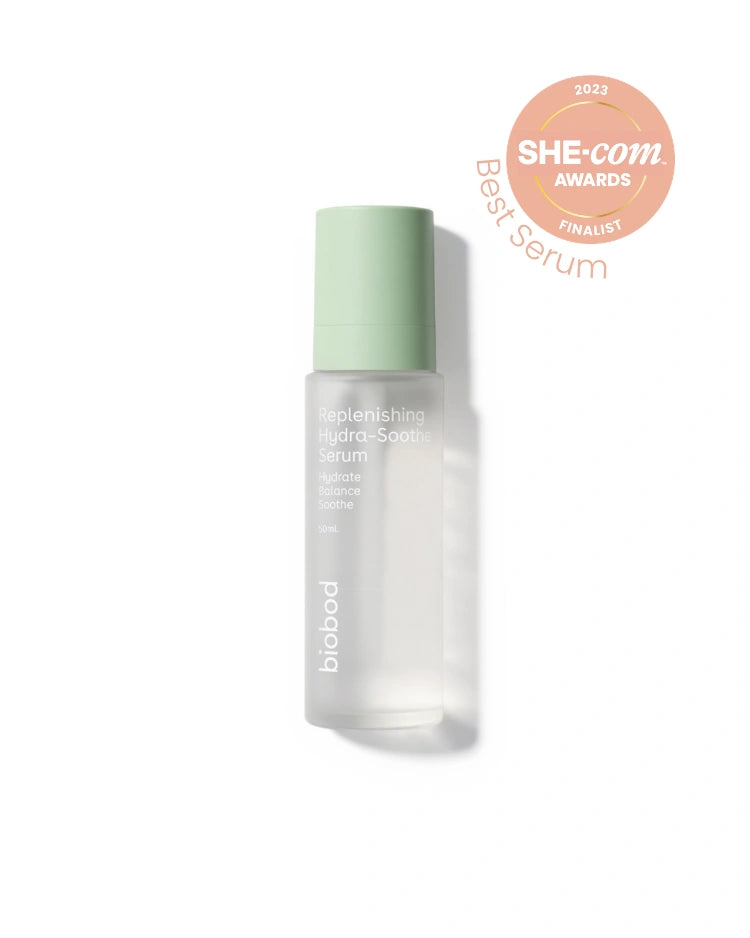
Our Replenishing Hydra-Soothe Serum was created for sensitive, reactive skin that needs hydration without heaviness. It is weightless, oil-free and fragrance-free, and centella is one of its key soothing ingredients.
The serum uses Redumatte ASC-Ⅱ®, a highly purified centella asiatica extract, alongside tangerine-derived Calmnerv CR-GL® and a carefully chosen supporting cast:
| Ingredient | Role in the formula |
|---|---|
| Centella asiatica extract | Soothes skin and helps calm the look of redness |
| Sodium hyaluronate and sodium PCA | Humectants that draw water into the skin |
| Glycerin and betaine | Help skin stay hydrated and supple |
| Inulin (prebiotic) and lactic acid (postbiotic) | Support a balanced skin microbiome |
| Aloe, green tea and allantoin | Additional soothing, comforting botanicals |
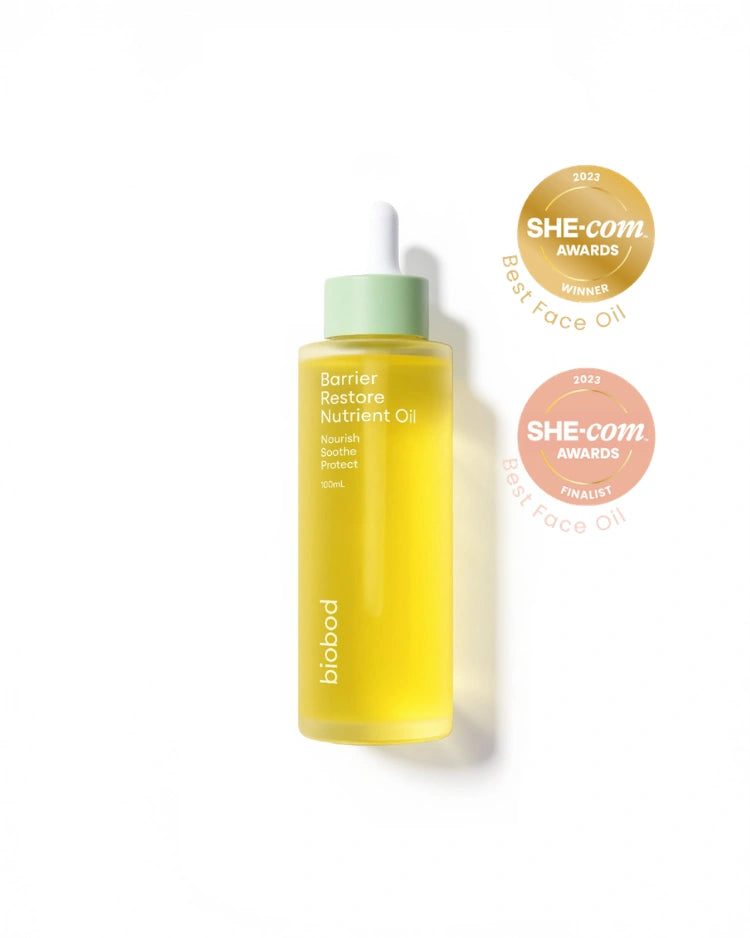
Use it morning and night as a base layer on damp skin, then follow with Barrier Restore Nutrient Oil to seal in hydration. Curious about the other soothing ingredients? Read about allantoin and the best humectants for skin.
Recommended biobod products
Centella hydration
Replenishing Hydra-Soothe Serum

Best for: Dehydrated, tight or reactive-feeling skin.
A weightless, oil-free serum with centella, hyaluronic acid and pre and postbiotics.
Explore the Hydra-Soothe SerumSeal it in
Barrier Restore Nutrient Oil

Best for: Layering over your serum to help keep hydration in.
A nourishing face oil that completes the serum-then-oil routine.
Explore the Nutrient OilStart gently
Discovery Set

Best for: Trying the serum and the full routine before committing to full sizes.
Trial sizes of our cleanser, serum, oil and balm in one low-risk introduction.
Explore the Discovery SetRelated reading
- Centella Beauty Products: Fad or Skin Transforming?
- Serum for Redness and Irritated Skin
- Hydrating Serum with Hyaluronic Acid
- The Best Humectants for Skin
- Sensitive Skin vs Sensitised Skin
- How to Soothe Irritated Skin on Your Face
- The Skin Microbiome Explained
FAQs
Is centella asiatica good for your skin?
For most people, yes. Centella is a gentle, soothing botanical that helps skin feel calm, comfortable and hydrated. As with any ingredient, patch test first and check the rest of the formula for fragrance or essential oils.
What does centella asiatica do to the face?
On the face, centella helps soothe skin, calm the look of redness and support hydration. It also helps keep the skin barrier feeling comfortable, especially when paired with humectants and a face oil or balm.
What skin type is centella good for?
Centella suits almost all skin types, including sensitive, dry, dehydrated, oily, combination and mature skin. Choose the texture that suits you: lightweight serums work well for oily and combination skin, while dry skin benefits from following with an oil or balm.
Can I use centella asiatica every day?
Yes. Centella is gentle enough for daily use, morning and night. Apply it to clean, slightly damp skin and follow with an oil or balm.
Is centella good for dehydrated skin?
Yes. Centella supports hydration and helps skin hold on to moisture, particularly when it is combined with humectants such as glycerin, sodium PCA and hyaluronic acid.
Do dermatologists recommend centella?
Centella is widely used in skincare formulated for sensitive skin and is generally considered gentle. Every skin is different, so if you have a specific skin concern, ask your dermatologist whether centella suits your routine.
Is centella asiatica the same as cica?
Yes. Cica is a K-beauty name for centella asiatica, which is also known as gotu kola and tiger grass. Some cica products use a purified compound such as madecassoside rather than whole plant extract.
Give your skin a calmer starting point: Try centella in our Replenishing Hydra-Soothe Serum, or start with the Discovery Set to experience the full routine in trial sizes.
References
- Bylka W, Znajdek-Awiżeń P, Studzińska-Sroka E, Brzezińska M. Centella asiatica in cosmetology. Postępy Dermatologii i Alergologii. 2013;30(1):46–49.
- Ratz-Łyko A, Arct J, Pytkowska K. Moisturizing and antiinflammatory properties of cosmetic formulations containing Centella asiatica extract. Indian Journal of Pharmaceutical Sciences. 2016;78(1):27–33.
This article is general information about cosmetic skincare and is not medical advice. If you have a persistent or unusual skin concern, please speak with your GP or a dermatologist.