
Rosacea Skincare Routine for Beginners: What to Use and What to Avoid
A rosacea skincare routine for beginners should feel simple, calming and supportive from the very first step. When your skin is prone to redness, flushing and irritation, the goal is not to experiment, it is to create a routine that helps your skin feel safe again.
Rosacea-prone skin is often misunderstood. It is not just sensitive skin, it is skin with a compromised barrier and a heightened inflammatory response. This means even well-intentioned products can trigger flare-ups if they are not chosen carefully.
The good news is that with the right routine, your skin can become calmer, stronger and far less reactive over time.
What is the best rosacea skincare routine for beginners?
- Cleanse gently without stripping the skin
- Hydrate using calming, barrier-supporting ingredients
- Nourish with lightweight oils to protect the skin
- Avoid harsh actives and over-exfoliation
- Keep your routine simple and consistent
Who this routine is for
- Skin that flushes easily or feels hot
- Persistent redness across cheeks or nose
- Skin that stings or reacts to products
- Dry, tight or easily irritated skin
If this sounds like your skin, this routine is designed to help restore balance rather than push your skin further out of sync.
Why rosacea skin needs a gentle approach
Rosacea is closely linked to a weakened skin barrier. When this barrier is compromised, moisture escapes more easily and irritants penetrate deeper into the skin.
This leads to inflammation, redness and the cycle of flare-ups many people experience.
Rather than treating rosacea aggressively, the focus should be on restoring the skin’s natural defence system. Once the barrier is supported, the skin becomes more resilient and less reactive.
If you’re new to rosacea, it can help to understand the condition more deeply — start with what rosacea is and what causes it.
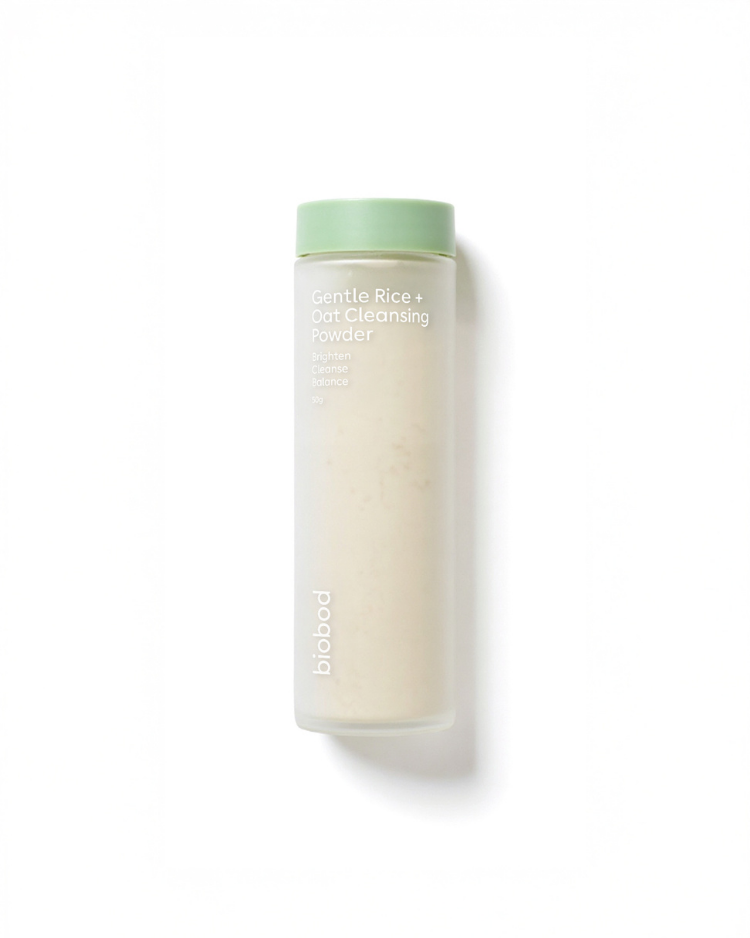
Step 1: Cleanse gently without stripping
Cleansing should feel soothing, not harsh. Many traditional cleansers remove too much oil from the skin, leaving it dry and vulnerable.
For rosacea-prone skin, this can trigger irritation and increase redness.
Look for cleansers that:
- Do not foam aggressively
- Do not leave the skin tight or dry
- Support the skin barrier
Using lukewarm water instead of hot water also makes a noticeable difference.
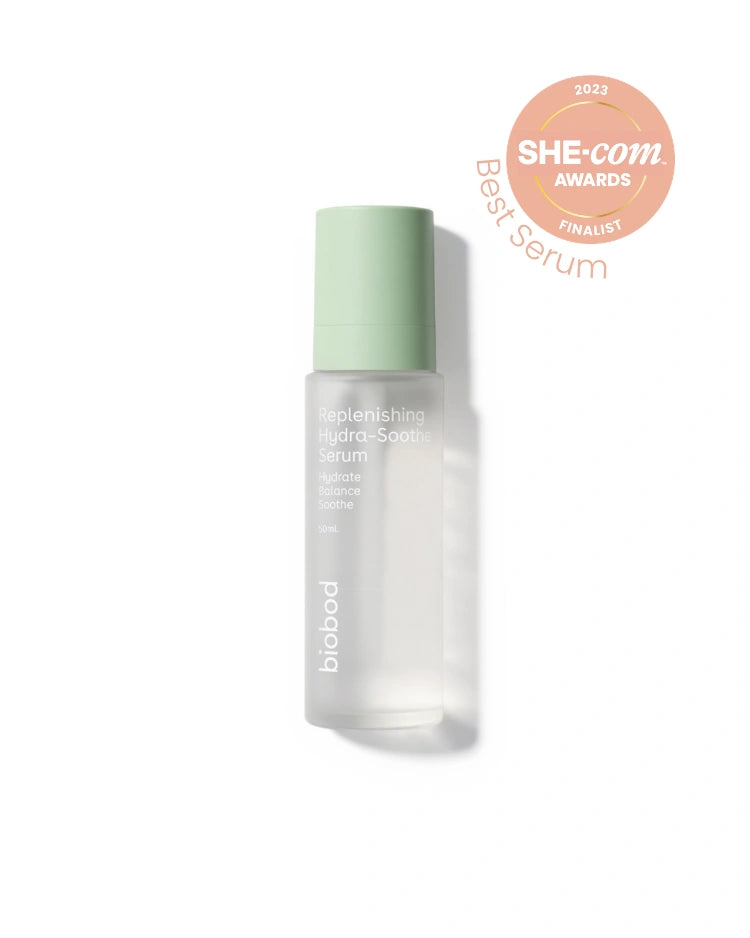
Step 2: Hydrate and calm the skin
Hydration is one of the most important steps in any rosacea skincare routine. When the skin is properly hydrated, it is less likely to become irritated or inflamed.
Calming ingredients help reduce redness and support healing, especially when the skin barrier has been compromised.
This step is where many routines go wrong. Without proper hydration, the skin cannot repair itself effectively.
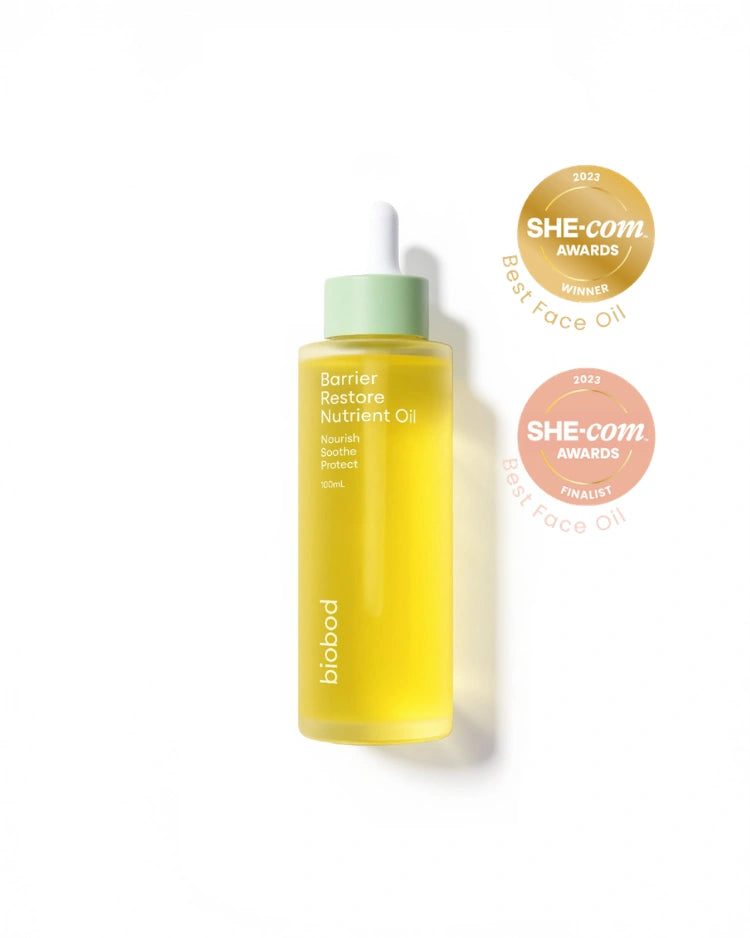
Step 3: Nourish and strengthen the barrier
Nourishing the skin with lipid-rich ingredients helps seal in hydration and reinforce the skin barrier.
This reduces transepidermal water loss and protects the skin from environmental triggers.
Over time, this step helps the skin become more stable and less reactive.
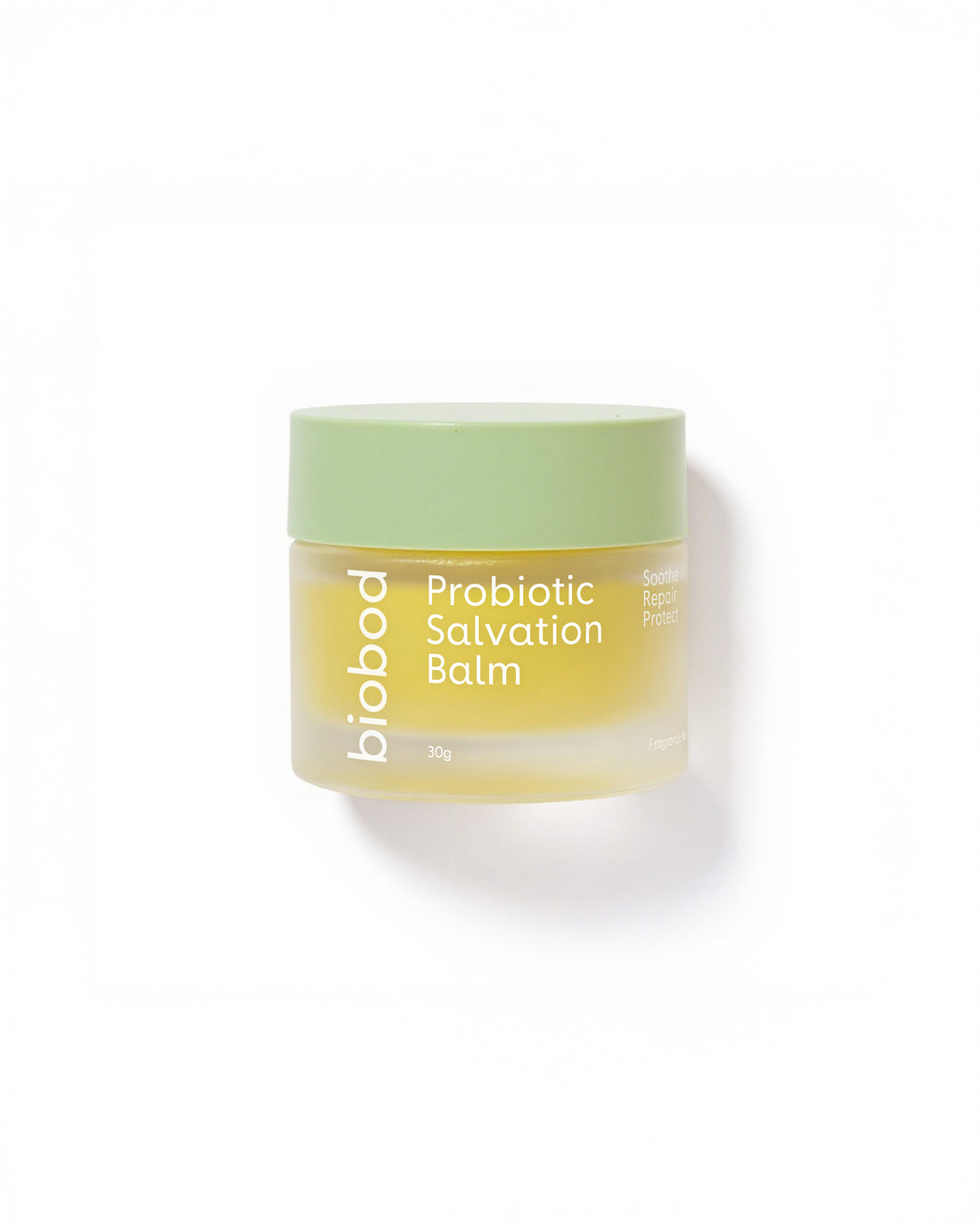
If you want a simple way to follow this structure, the Skin Reset System: Brighten, Hydrate & Nourish brings these steps together in a gentle, barrier-first routine designed for sensitive skin.

What to avoid if you have rosacea
Knowing what to avoid is just as important as knowing what to use.
- Fragrance and essential oils
- Strong exfoliating acids
- Alcohol-based products
- Over-layering too many products
These can weaken the skin barrier and trigger flare-ups.
Over-exfoliation is one of the most common triggers — here’s how to exfoliate sensitive, rosacea-prone skin safely.
Common mistakes beginners make
- Trying too many products at once
- Switching routines too frequently
- Using strong actives too early
- Ignoring hydration
Consistency and simplicity are far more effective than constantly changing products.
How long does it take to calm rosacea?
With a consistent routine, many people begin to notice improvements within a few weeks. Redness may soften, and the skin may feel more comfortable.
However, true barrier repair takes time, often between four to eight weeks depending on your skin.
The key is consistency. Gentle routines work gradually, but they create lasting results.
Daily habits that support your skin
Skincare is only one part of managing rosacea. Everyday habits can also influence how your skin behaves.
- Avoid hot water and steam
- Limit exposure to extreme temperatures
- Manage stress where possible
- Be mindful of triggering foods
To better understand triggers, read how to manage rosacea and skin redness.
Is rosacea the same as acne?
Rosacea and acne can appear similar, but they require different approaches. Treating rosacea like acne can often make symptoms worse.
If you’re unsure, learn the difference between acne rosacea vs acne vulgaris.
Building confidence in your routine
The best rosacea skincare routine is one you can follow consistently without your skin reacting.
When your skin feels supported, it becomes calmer, stronger and more resilient.
Rather than chasing quick fixes, focus on long-term balance. This is where real change happens.
If you’re ready to go deeper, explore our full guide to the best rosacea skin care regimen.
Frequently asked questions
What is the best rosacea skincare routine for beginners?
A simple routine with gentle cleansing, hydration and barrier support is the most effective approach for beginners.
Can rosacea improve with skincare?
Yes, consistent use of calming, barrier-supporting products can reduce redness and improve skin resilience.
Should you exfoliate rosacea-prone skin?
Exfoliation should be minimal and gentle, especially during flare-ups.
Is a simple routine better for rosacea?
Yes, simple routines reduce the risk of irritation and help the skin recover more effectively.