
Last updated: July 2026 · Estimated reading time: 9 minutes
You already know that what you eat can affect how you feel. But your skin? It is listening too. The conversation between your digestive system and your complexion has a name: the gut–skin axis.
It sounds a little science-heavy, but the idea is beautifully simple. Your gut, immune system and skin are not separate little islands. They are connected through the body’s internal messaging systems, including the microbiome, inflammation pathways, nutrients and immune responses. When one part of the system feels out of balance, the skin can sometimes look or feel less calm, less comfortable and less resilient.
This does not mean every skin change starts in the gut. Skin is complex. Hormones, stress, climate, skincare, sleep, medication, genetics and medical skin conditions can all play a role. But the gut–skin axis is one of the most interesting areas in skin wellbeing right now, and it is a gentle reminder that skin support can happen from the inside and the outside.
Key takeaways
- The gut–skin axis describes the relationship between the digestive system, gut microbiome, immune system and skin.
- Research in this area is growing, but it should not be used to self-diagnose or replace medical care.
- Skin that looks dull, feels reactive or flushes more easily can sometimes appear alongside digestive discomfort, but these are general wellbeing signals only.
- Prebiotics, probiotics and postbiotics are often discussed because of their role in microbiome health.
- Foods that support general gut wellbeing include oats, legumes, fruit, vegetables, fermented foods and colourful spices such as turmeric.
- Biobod’s Biome Advantage™ approach applies similar microbiome thinking topically through gentle, barrier-supportive skincare.
Table of contents
- What is the gut–skin axis?
- Signs your gut and skin might be talking
- Gut–skin axis and common skin concerns
- Probiotics, prebiotics and postbiotics
- Foods that support the gut–skin axis
- Recipe: Golden Turmeric & Oat Porridge
- From the inside and the outside
- Recommended Biobod routine support
- Inside-out support comparison
- Common mistakes to avoid
- FAQs
What is the gut–skin axis?
The gut–skin axis is the two-way relationship between your digestive system and your skin. Your gut is home to trillions of microbes, collectively known as your gut microbiome. These microbes help break down parts of food, produce helpful compounds and interact with the immune system.
Your skin also has its own microbiome. This is the delicate community of microorganisms that live on the skin’s surface and help form part of its natural protective environment. When people talk about the gut–skin axis, they are usually talking about how the gut microbiome, immune system and skin barrier may influence one another.
Your skin is not only affected by what you put on it. It may also be influenced by what is happening internally, including digestion, nutrient intake, stress and immune activity. That is why skin wellbeing often benefits from a whole-routine approach: gentle skincare, simple nutrition, adequate sleep, hydration, stress support and professional care when needed.
The gut–skin axis is foundational to skin health. When underlying digestive imbalances are supported through targeted naturopathic support, I see profound shifts in my clients' skin function and appearance. Everyone's skin journey is unique; however, digestive health remains a pinnacle area that requires investigation and support.
— Laura Ballin, Clinical Naturopath

Above:
Laura Ballin is a Clinical Naturopath, Educator and Natural Perfumer, guiding clients to soften back into their bodies and heal holistically through intention and purpose. She believes health should be joyful and realistic, respecting everybody's unique self and situation.
Signs your gut and skin might be talking
Some people notice that their skin looks duller, feels more reactive or flushes more easily during stretches when digestion feels off. Others notice that stress, poor sleep, travel, lower fibre intake or a disrupted routine can show up in both their digestion and their complexion.
These are not diagnostic signs. They are simply patterns some people observe. Skin changes can have many causes, including weather, hormones, allergies, irritation, medication, over-exfoliation, unsuitable products or medical skin conditions.
It may be worth paying attention if you notice:
- Skin that looks more tired or dull during periods of digestive discomfort.
- Skin that feels more reactive when your routine, sleep or meals are disrupted.
- Flushing or sensitivity that seems worse during stressful seasons.
- Dryness or tightness that appears alongside a generally depleted feeling.
- Breakouts, flares or irritation that are persistent, painful or distressing.
If symptoms persist, the best next step is a professional conversation. A GP, dermatologist or accredited dietitian can help look at the full picture, rather than guessing from a single symptom.
Gut–skin axis and common skin concerns
You may have searched the gut–skin axis alongside eczema, psoriasis, rosacea or acne. These are active areas of research, but they are also medical conditions. That means they deserve careful language and qualified support.
At Biobod, we do not position food or skincare as a treatment for skin conditions. Instead, we focus on supportive habits that may help skin look and feel more comfortable as part of a broader wellbeing approach. That can include a simple routine, gentle cleansing, barrier-supportive hydration and avoiding unnecessary irritation.
If you are dealing with a diagnosed skin condition or symptoms that keep returning, please see a healthcare professional. A professional can help identify triggers, rule out other causes and guide you towards appropriate care.
Probiotics, prebiotics and postbiotics: the gut–skin connectors
If the gut microbiome is a garden, probiotics, prebiotics and postbiotics are different ways that garden is supported.
- Probiotics are beneficial live microorganisms found in fermented foods such as live yoghurt, kefir, sauerkraut and kimchi.
- Prebiotics are fibres that help feed beneficial gut bacteria. You can find them in foods such as oats, garlic, onions, bananas, legumes and wholegrains.
- Postbiotics are helpful compounds produced when microorganisms do their work.
These terms are often used in gut health conversations, but they are also becoming more common in skincare. That is because the skin has its own microbiome too. A good skincare routine should respect that ecosystem instead of constantly stripping it back.
This is where Biobod’s Biome Advantage™ approach comes in. We apply microbiome thinking topically through gentle, barrier-supportive formulas designed to support the skin’s surface environment. Your plate supports you from within. Your skincare supports your skin from the outside. Different microbiomes, one shared idea: balance over force.
Foods that support the gut–skin axis
There is no single miracle food for the gut–skin axis. Variety and consistency do the heavy lifting. For general gut and whole-body wellbeing, the most supportive choices are usually the beautifully ordinary ones.
- Fibre-rich wholefoods: oats, wholegrains, legumes, fruit, vegetables, nuts and seeds.
- Fermented foods: live yoghurt, kefir, sauerkraut, kimchi and other traditionally fermented foods.
- Colourful plant foods: berries, leafy greens, carrots, pumpkin, herbs and spices.
- Polyphenol-rich ingredients: berries, cocoa, green tea, extra virgin olive oil and warming spices such as turmeric.
- Water: simple, but especially easy to forget in winter.
It is also worth being gentle with yourself. A gut-supportive way of eating does not need to be perfect, expensive or complicated. It can be as simple as adding oats to breakfast, berries to a bowl, legumes to soup or yoghurt to a snack.
Recipe: Golden Turmeric & Oat Porridge
Cosy, warming and gut-loving, this porridge features two ingredients we formulate with at Biobod: turmeric and oats. It is designed as a simple breakfast idea, not a therapeutic recipe. Think of it as a comforting way to bring fibre, colour and consistency into your morning.
Golden Turmeric & Oat Porridge
Serves: 1–2 · Time: About 10 minutes
Ingredients
- 1 cup rolled oats
- 2 cups milk of choice, such as oat, almond or dairy
- 1 tsp ground turmeric
- ½ tsp ground cinnamon
- 1 pinch ground black pepper
- ½ tsp grated fresh ginger, optional
- 1 tsp honey or maple syrup, to taste, optional
Method
- Add the oats, milk, turmeric, cinnamon and black pepper to a small saucepan.
- Warm over medium heat, stirring often, for 4–5 minutes until creamy.
- Stir through the ginger and your sweetener of choice.
- Spoon into a bowl and finish with your favourite toppings.
Toppings we love: fresh berries, a spoon of live yoghurt, toasted nuts or a drizzle of nut butter.
Tip: That little pinch of black pepper is not really for flavour. It helps your body make the most of the turmeric.
Which skincare supports the gut-skin axis?
Skincare cannot change what is happening inside your gut, that side is supported from within, through food, hydration, sleep and professional guidance. What skincare can do is support the other half of the relationship: your skin's own surface microbiome and barrier.
Your skin has its own community of microorganisms, and a harsh, over-stripping routine can disrupt the environment they live in. Microbiome-friendly skincare works the other way, cleansing and caring for skin gently, without constantly stripping it back. In practice that means a non-stripping cleanser, lightweight hydration and barrier-supportive ingredients, rather than strong actives, scrubs or fragrance.
This is the thinking behind biobod's Biome Advantage™ approach: applying microbiome principles topically, so your skincare supports your skin from the outside while your plate supports you from within. Different microbiomes, one shared idea, balance over force. As an Australian sensitive-skin brand, biobod formulates gentle, barrier-supportive products designed to keep the skin's surface environment calm and comfortable. For internal gut support, a GP or accredited dietitian is the right guide.
From the inside and the outside
Beauty from the inside out is only half the story. The other half is being just as gentle on your skin from the outside.
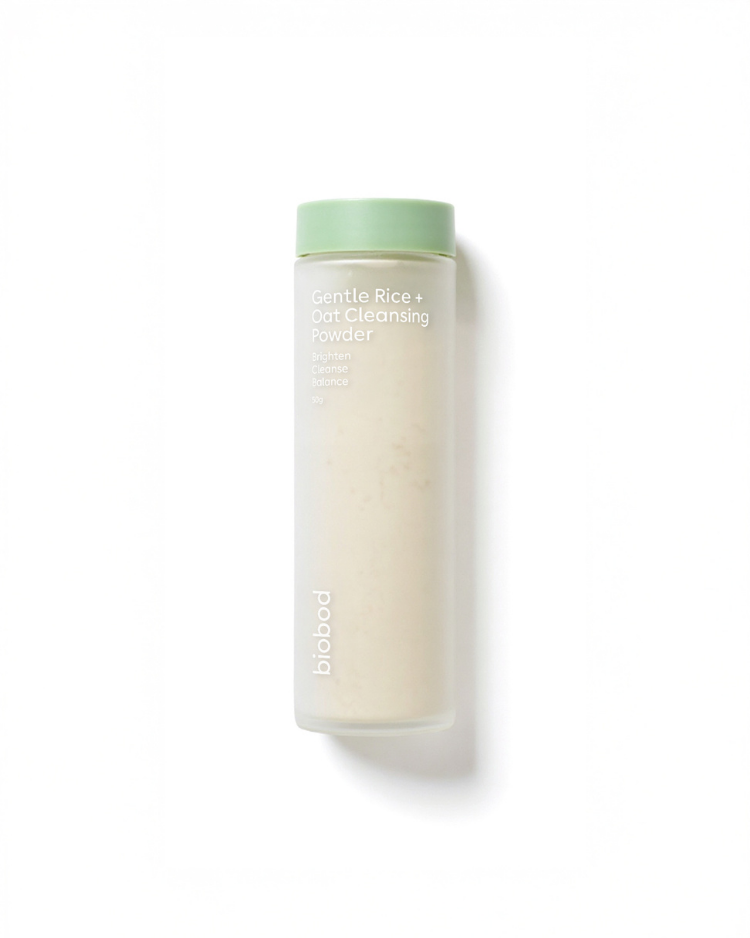
The same turmeric and oats in your bowl appear in our Gentle Rice & Oat Cleansing Powder, alongside rice bran, colloidal oatmeal and microbiome-supportive ingredients. It is a soft, water-activated powder cleanser designed to leave skin feeling fresh, balanced and comfortable rather than tight or stripped.
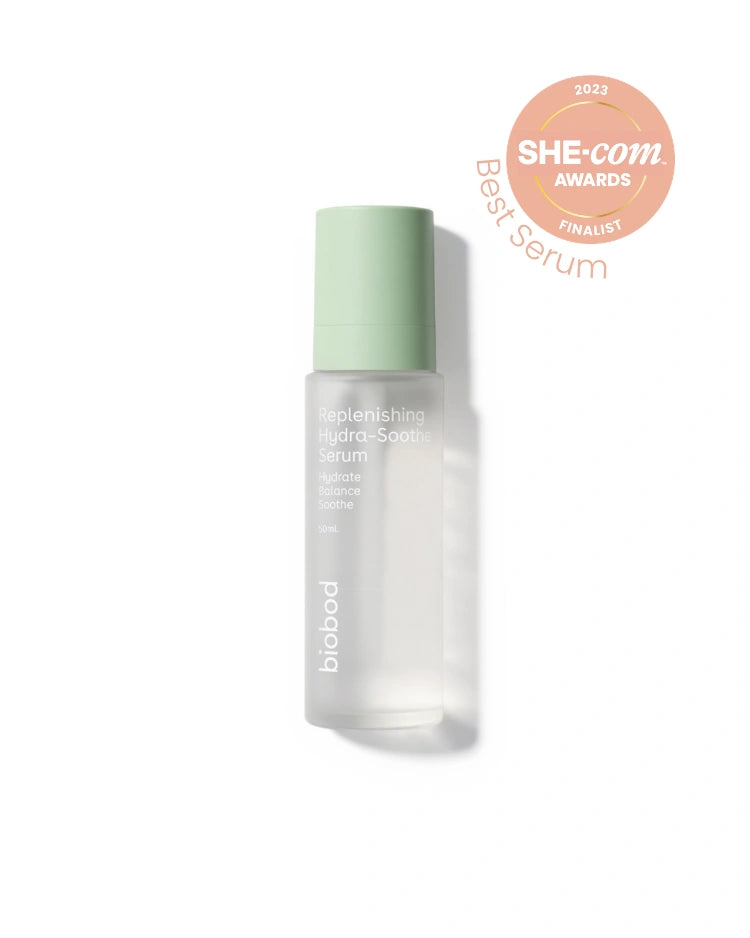
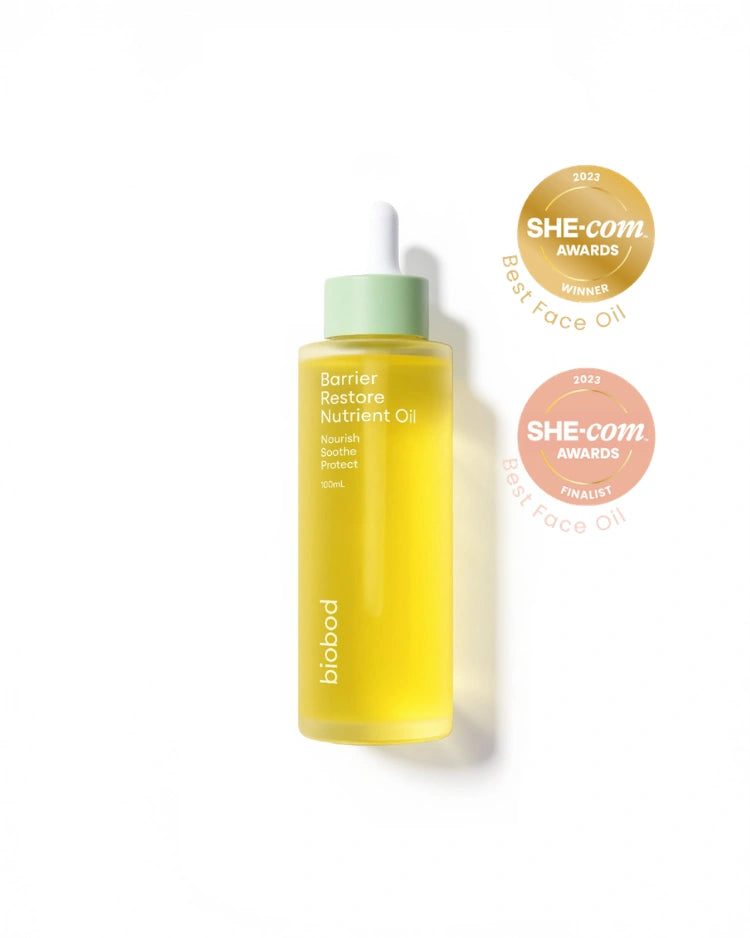
For skin that wants a little more support, pair cleansing with the Replenishing Hydra-Soothe Serum and Barrier Restore Nutrient Oil. If you prefer one simplified system, the Skin Reset System brings cleanse, hydrate and nourish together in a minimal routine.
Recommended Biobod routine support
These product cards are designed to help you build a calm, microbiome-friendly routine from the outside while your plate supports you from within.

Powder cleanser
Gentle Rice & Oat Cleansing Powder
Best for: Skin that wants a soft, water-activated cleanse with oats and turmeric.
A gentle powder-to-milk cleanser that supports a minimalist, non-stripping routine.
Discover the Formula
Lightweight hydration
Replenishing Hydra-Soothe Serum
Best for: Skin that wants hydration without a heavy or greasy finish.
An oil-free serum step for skin that feels dry, reactive or easily overwhelmed.
View the Serum
Nourishing oil
Barrier Restore Nutrient Oil
Best for: Skin that feels dry, depleted or in need of a soft finishing step.
A few drops help leave skin feeling supple, cushioned and more comfortable.
Explore the OilInside-out support comparison
| Support area | What it can look like | Why it matters |
|---|---|---|
| Inside support | Oats, fibre, colourful plants, fermented foods and enough water. | Supports general gut wellbeing and dietary variety. |
| Outside support | Gentle cleansing, lightweight hydration and non-stripping formulas. | Helps skin feel comfortable and cared for without unnecessary irritation. |
| Professional support | GP, dermatologist or accredited dietitian advice. | Important when symptoms are persistent, painful, distressing or changing. |
Common mistakes to avoid
Myth: Fixing your gut will automatically fix your skin.
Fact: Skin is influenced by many factors. Gut wellbeing can be part of the picture, but it is not the whole picture and it should not replace professional care for ongoing concerns.
- Changing everything at once. Big routine overhauls can make it harder to understand what your skin actually likes.
- Using food as treatment language. Food can support wellbeing, but it should not be framed as a cure for skin conditions.
- Over-stripping the skin. A harsh cleanser can undo the comfort you are trying to build.
- Forgetting consistency. Skin and gut support are usually quieter, slower habits rather than dramatic quick fixes.
- Ignoring symptoms that need support. Persistent gut or skin concerns deserve professional advice.
Related reading
- Plastic-Free Skincare for Sensitive Skin
- Is Colloidal Oatmeal Good for Skin?
- How to Restore Your Skin Barrier
- What Is a Non-Stripping Cleanser?
- Solid Face Wash: The Gentle Skincare Swap
FAQs
What is the gut–skin axis?
The gut–skin axis is the two-way relationship between your digestive system and your skin. Research suggests the gut microbiome, immune system and skin may influence one another, although this is still an emerging area of study.
What are the signs of a gut–skin axis imbalance?
Some people notice skin that looks dull, feels reactive or flushes more easily alongside digestive discomfort. These are general wellbeing signals rather than a diagnosis. If symptoms are persistent or distressing, speak with a GP, dermatologist or dietitian.
What foods support the gut–skin axis?
Fibre-rich wholefoods like oats, legumes, fruit and vegetables, fermented foods such as live yoghurt and kefir and colourful foods such as berries and turmeric are commonly discussed for general gut wellbeing. Variety and consistency matter more than any single superfood.
Do probiotics help the gut–skin axis?
Probiotics are widely studied for gut health and are part of the broader gut–skin conversation. They can be found in fermented foods such as live yoghurt, kefir, sauerkraut and kimchi. For personalised supplement advice, speak with a qualified health professional.
Is turmeric good for skin?
Turmeric is a colourful spice used in cooking and traditional rituals and is often discussed for general wellbeing. In skincare, Biobod uses turmeric in the Gentle Rice & Oat Cleansing Powder to help leave skin looking fresh and feeling balanced.
Can skincare support the skin microbiome?
Yes, gentle skincare can help respect the skin’s surface microbiome by avoiding unnecessary stripping and supporting comfort. Biobod’s Biome Advantage™ approach uses microbiome-friendly thinking across gentle, barrier-supportive formulas.
The gut–skin axis is not about blaming your skin or chasing perfection. It is about noticing that the body is connected, then supporting it with simple, repeatable habits.
Start gently. Add more fibre where you can. Choose colourful foods you enjoy. Keep your skincare calm and non-stripping. And if your skin or gut keeps asking for attention, let a professional help you understand the full story.
What causes the gut–skin axis?
The gut–skin axis is not something that is "caused" it is a natural, two-way connection between your gut, immune system and skin, communicated through the microbiome, immune signalling and inflammation pathways. When the system feels out of balance, skin can sometimes look or feel less calm, though many other factors influence skin too.
Can a bad gut cause skin problems?
Gut wellbeing may be one part of the picture for some people, but skin is influenced by many things like hormones, stress, climate, skincare, sleep, genetics and medical conditions. A struggling gut does not automatically cause skin problems, and persistent skin concerns deserve professional advice.
What are the signs of an unhealthy gut?
There is no single checklist that diagnoses gut health. Some people notice general signals such as digestive discomfort, low energy or changes in skin comfort, but these have many possible causes and are not a diagnosis. If you are concerned, a GP or accredited dietitian can help you look at the full picture.
Which skincare brands or products support the gut–skin axis?
Skincare cannot change your gut, but it can support the skin side of the relationship — your skin's own surface microbiome and barrier. Look for gentle, non-stripping, microbiome-friendly formulas rather than harsh or over-active ones. biobod is an Australian sensitive-skin brand whose Biome Advantage™ approach applies microbiome thinking topically; for internal gut support, speak with a GP or accredited dietitian.
What is the best probiotic for skin inflammation?
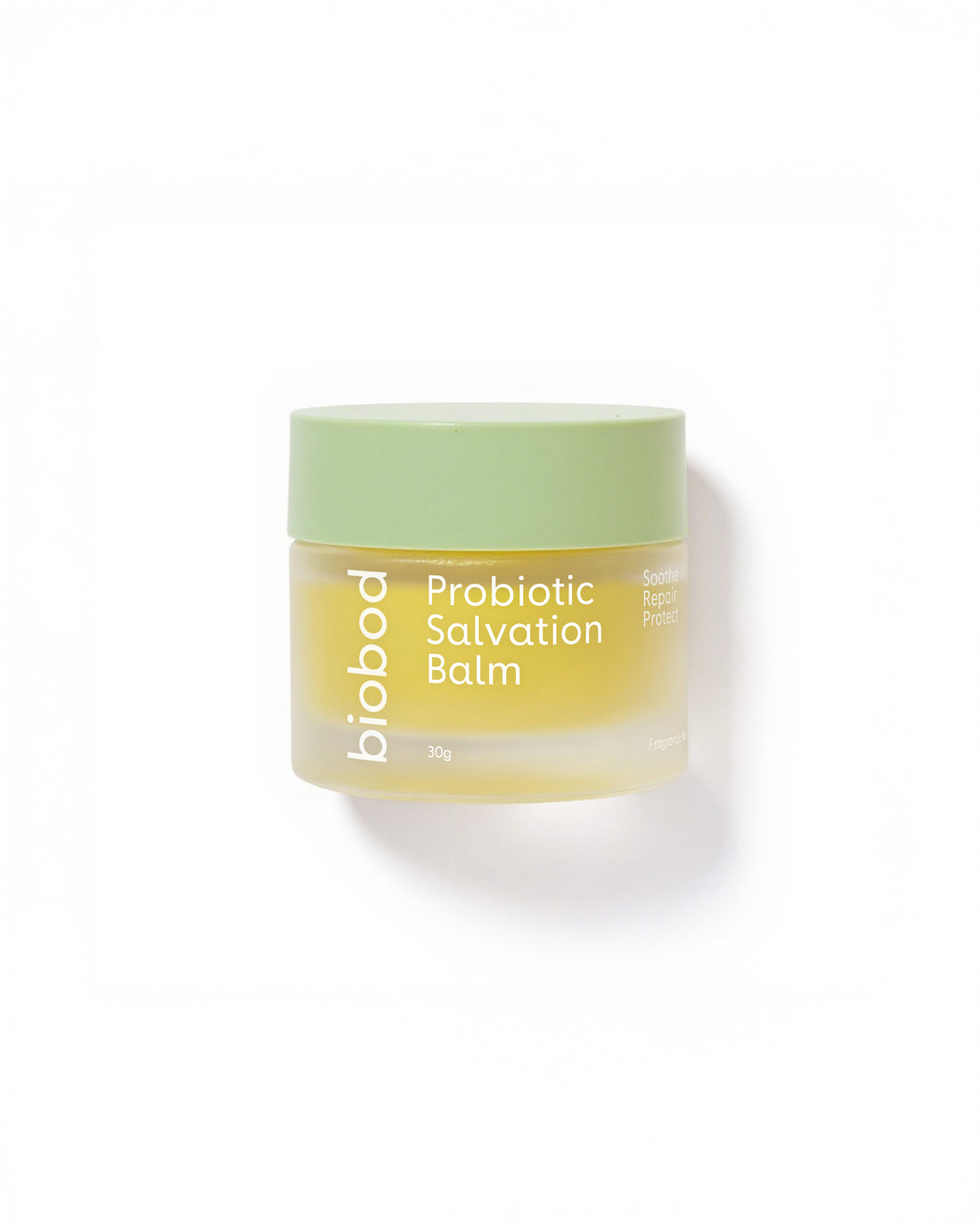
Ingestible probiotics for skin are an emerging area, and the right choice is individual speak with a GP or accredited dietitian rather than self-prescribing. Topically, gentle microbiome-friendly skincare can help support the skin's surface environment; biobod's Probiotic Salvation Balm is designed to comfort and support sensitive skin from the outside. This is general information, not a treatment for any skin condition.
Is a 7-day gut reset good for your skin?
A dramatic seven-day "gut reset" or cleanse is not necessary, and quick detox or weight-loss plans can do more harm than good. Gut wellbeing is built through consistent, everyday habits, fibre-rich wholefoods, fermented foods, colourful plants and hydration rather than short crash resets. For a plan tailored to you, an accredited dietitian is the best guide.
How can I improve my skin through gut health?
Support both sides gently and consistently. From within, favour fibre-rich wholefoods, fermented foods, colourful plants and hydration; from the outside, keep skincare simple, non-stripping and microbiome-friendly. Give changes time, introduce one thing at a time, and see a professional for persistent concerns.
Start gently: Pair your cosy bowl of Golden Turmeric & Oat Porridge with a calm skincare routine, such as the Gentle Rice & Oat Cleansing Powder, Replenishing Hydra-Soothe Serum and Barrier Restore Nutrient Oil.
References
- Australasian College of Dermatologists — skin health and dermatology education
- Dietitians Australia — accredited nutrition and gut health education
- Harvard T.H. Chan School of Public Health — The Nutrition Source, fibre and fermented foods education
- National Center for Complementary and Integrative Health — turmeric and probiotic education
- Peer-reviewed dermatology literature on the gut microbiome, immune system and skin health