
Last updated: July 2026 · Estimated reading time: 9 minutes
Plastic Free July does not have to mean throwing out your entire bathroom cabinet, buying a whole new routine or chasing perfect sustainability overnight. In fact, the swaps that actually last are usually the quiet ones. The ones that fit into your life, feel good on your skin and do not make your bathroom routine more complicated than it needs to be.
If you have sensitive-feeling skin, that matters even more. A low-waste routine should never ask your skin to tolerate a harsh formula just because the packaging looks better. The goal is not perfection. The goal is thoughtful reduction: fewer disposable items, fewer half-used products, fewer bottles where a simpler format could do the job and fewer steps your skin did not ask for.
So, for Plastic Free July, we are keeping things calm, practical and skin-first. These five low-waste skincare swaps are simple enough to start now and easy enough to keep using long after July ends.
Key takeaways
- Plastic Free July skincare does not need to be perfect to be worthwhile.
- The most sustainable skincare swaps are usually the ones that become easy habits.
- Sensitive-feeling skin still needs gentle, fragrance-free and non-stripping formulas where possible.
- Bars, powders, reusable accessories and longer-lasting formats can help reduce packaging waste.
- A smaller skincare routine can be one of the most overlooked low-waste swaps.
- Start with one product category first, especially cleansing, then build from there.
Table of contents
- What is Plastic Free July skincare?
- Why small swaps stick better than perfect routines
- Swap 1: Choose a soap-free cleansing bar
- Swap 2: Try a water-activated powder cleanser
- Swap 3: Replace disposable cotton pads
- Swap 4: Choose larger, longer-lasting formats
- Swap 5: Simplify your skincare shelf
- Recommended Biobod low-waste swaps
- Low-waste skincare swap comparison
- Plastic Free July bathroom checklist
- Common mistakes to avoid
- FAQs
What is Plastic Free July skincare?
Plastic Free July skincare is about looking at your everyday beauty and bathroom habits and asking where unnecessary plastic can be reduced. It might mean swapping a bottled cleanser for a solid bar, choosing a dry powder format, replacing single-use cotton pads or simply buying fewer products in the first place.
It does not mean every item in your bathroom needs to be plastic-free by the end of the month. Most of us already have products sitting on the shelf, and the most responsible thing is often to finish what you own before replacing it. Low-waste skincare is not about panic-buying new things because they look sustainable. It is about making slower, more considered choices as products run out.
For sensitive skin, this distinction matters. A product can look eco-friendly and still be too fragranced, too stripping or too harsh. A low-waste product should still respect the skin barrier, support comfort and fit into a routine you can use consistently.
Why small swaps stick better than perfect routines
Big lifestyle overhauls can feel inspiring for about five minutes, then exhausting by day three. That is why small swaps tend to work better. They are easier to remember, easier to repeat and less likely to overwhelm your skin or your budget.
A low-waste skincare swap should pass three tests:
- It should be easy to use. If it takes too much effort, it probably will not last.
- It should suit your skin. If your skin feels tight, itchy or irritated, it is not the right swap for you.
- It should replace something you already use. The best swaps reduce waste without adding another unnecessary step.
This is why cleansing is often the best place to start. Most people cleanse daily, cleanser packaging adds up over time and there are now low-waste formats that feel genuinely beautiful to use.
Swap 1: Choose a soap-free cleansing bar
A cleansing bar is one of the easiest low-waste skincare swaps because it removes the need for a plastic cleanser bottle. But not all bars are the same.
Traditional soap can be too alkaline for some facial skin and may leave sensitive skin feeling tight or dry. A soap-free cleansing bar is different. It is designed to cleanse without the same stripped, squeaky finish.
For Plastic Free July, look for a cleansing bar that is:
- soap-free
- fragrance-free where possible
- pH-balanced where appropriate
- suitable for face and body if you want one product to do more
- easy to store dry between uses
The goal is not to make cleansing feel harsher in the name of sustainability. The goal is to choose a format that reduces packaging while still leaving your skin feeling calm, fresh and comfortable.
Swap 2: Try a water-activated powder cleanser
Powder cleansers are a clever low-waste format because they are dry until you activate them. Instead of shipping a product that is mostly water, a powder cleanser lets you add the water yourself at the sink.
This can make the format lighter, longer lasting and more flexible. You can use a little more water for a softer milk texture, or less water for a slightly richer paste. For skin that likes simplicity, this can be a lovely way to cleanse without adding a complicated step.
The key is activation. Powder cleansers are not meant to be rubbed dry onto the skin. Wet your hands first, add a small amount of powder, then work it with a few extra drops of water until it softens before massaging gently over damp skin.
A good powder cleanser should feel soft, not scratchy. It should rinse cleanly and leave skin feeling balanced rather than tight.
Swap 3: Replace disposable cotton pads
Single-use cotton pads are easy to forget about because they feel small. But if you use them every day, they add up quickly. Reusable rounds are a simple swap for removing makeup, applying toner or tidying up little skincare moments without reaching for a disposable pad each time.
Choose rounds that can be washed easily and stored somewhere convenient. If the care routine feels too fiddly, you are less likely to keep using them. A mesh wash bag can make the whole process easier because the rounds can go straight into the laundry without disappearing into the washing machine.
For sensitive skin, softness matters. Avoid dragging or scrubbing, especially around the eyes. Let your cleanser or remover do the work, then use gentle pressure rather than friction.
Swap 4: Choose larger, longer-lasting formats
Low-waste skincare is not only about plastic-free packaging. Sometimes the lower-waste choice is a product that lasts longer, reduces repeat purchases and helps you avoid running through small bottles too quickly.
For example, a generous facial oil size can be more practical than buying several smaller bottles over the same period. A concentrated powder cleanser can also last well because you only activate what you need each time.
This swap is especially useful if you already know your skin loves a product. Once you have patch tested and used it comfortably, choosing the longer-lasting format can reduce bathroom clutter and packaging turnover.
The only rule: do not buy bigger just because it is bigger. Choose larger formats for products you genuinely use consistently.
Swap 5: Simplify your skincare shelf
The most overlooked low-waste skincare swap is not a product. It is using fewer products.
A crowded routine often means more packaging, more decision fatigue and more chances for sensitive skin to feel overwhelmed. Simplifying your shelf can reduce waste and make your routine easier to maintain.
A calm routine might look like this:
- Cleanse with a gentle bar or powder cleanser.
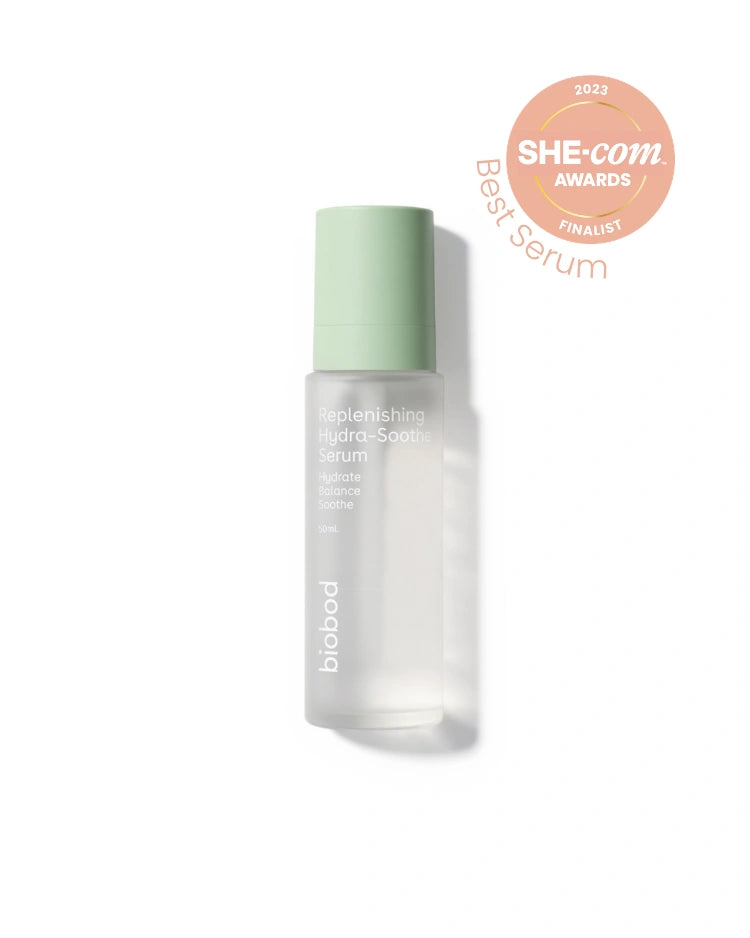
- Hydrate with a lightweight serum if your skin feels thirsty.
- Nourish with a few drops of oil if your skin feels dry or depleted.
- Protect with sunscreen during the day.
You do not need a shelf full of actives for your skincare to be valid. For many sensitive-skin routines, simple and consistent is better than busy and reactive.
Recommended Biobod low-waste swaps
These product cards are designed to help you choose a first Plastic Free July swap that feels realistic, gentle and easy to keep using.

Soap-free cleanser
Calming Balance Cleanse Bar
Best for: Replacing a bottled cleanser with a soap-free bar.
A low-waste cleansing swap for skin that prefers simple, fragrance-free cleansing.
Explore the Cleanse Bar
Waterless cleanser
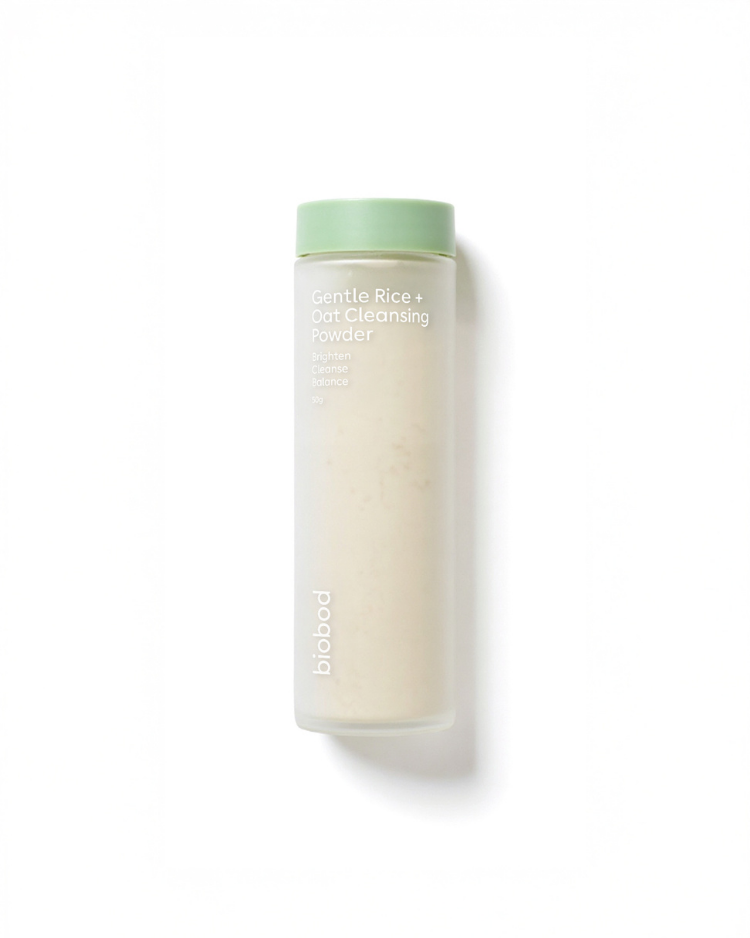
Gentle Rice & Oat Cleansing Powder
Best for: A soft powder-to-milk cleanse activated fresh with water.
A dry format that lets you control texture and amount each time you cleanse.
Discover the Formula
Reusable accessory
Organic Reusable Cosmetic Remover Rounds
Best for: Replacing single-use cotton pads and makeup wipes.
A simple bathroom swap that supports lower-waste daily habits.
View the Rounds
Longer-lasting format
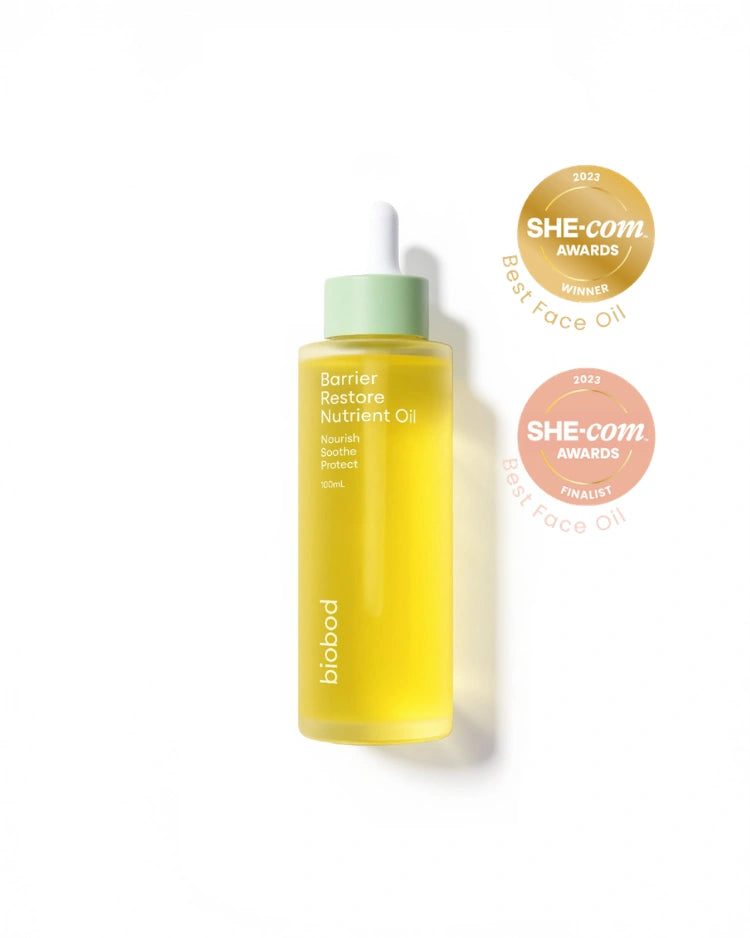
Barrier Restore Nutrient Oil
Best for: Skin that feels dry, depleted or in need of a soft finishing step.
A generous 100ml format that helps reduce repeat bottle turnover over time.
Explore the OilLow-waste skincare swap comparison
| Swap | What it replaces | Why it can stick | Sensitive skin note |
|---|---|---|---|
| Soap-free cleansing bar | Bottled cleanser | Simple daily swap with less packaging. | Choose soap-free and fragrance-free where possible. |
| Powder cleanser | Water-heavy cleanser formats | You activate only what you need. | Activate fully with water before massaging. |
| Reusable rounds | Disposable cotton pads or wipes | Wash and reuse through the week. | Use gentle pressure, not scrubbing. |
| Larger formats | Multiple smaller bottles | Reduces repeat purchases for products you already love. | Only size up once you know the formula suits you. |
| Simpler routine | Overfilled skincare shelf | Less clutter, less waste and less decision fatigue. | Often better for reactive-feeling skin. |
Plastic Free July bathroom checklist
Use this as a gentle audit rather than a guilt list. You do not need to do every step in one month.
- Finish what you already own before replacing it.
- Choose one product category to improve first.
- Swap disposable cotton pads for reusable rounds.
- Try a soap-free cleansing bar when your bottled cleanser runs out.
- Try a powder cleanser if you like customising texture at the sink.
- Store bars somewhere dry so they last longer.
- Patch test new products before using them all over your face.
- Avoid buying extra products just because they are labelled sustainable.
- Keep your routine small enough to repeat.
Common mistakes to avoid
Myth: A skincare product is better for your skin just because it is plastic-free.
Fact: Packaging matters, but formula comfort matters too. Sensitive-feeling skin still needs gentle, well-considered products that do not leave it feeling stripped, tight or irritated.
- Throwing everything out. The lowest-waste option is usually to use up what you already have.
- Changing your whole routine at once. This can overwhelm sensitive skin and make reactions harder to understand.
- Choosing traditional soap for the face without checking the formula. Soap-free and pH-balanced options are usually a gentler place to start.
- Buying sustainable-looking products you do not need. Overconsumption is still overconsumption, even when the packaging is prettier.
- Ignoring how the product feels. If your skin feels uncomfortable, it is not the right sustainable swap for you.
Related reading
- Plastic-Free Skincare in Australia: An Honest Guide
- Plastic-Free Skincare for Sensitive Skin
- Waterless Skincare Australia
- Waterless Skincare Routine
- Solid Face Wash: The Gentle Skincare Swap
- Zero Waste Face Wash
FAQs
What are the easiest Plastic Free July skincare swaps?
The easiest swaps are usually a soap-free cleansing bar, a powder cleanser, reusable cotton rounds, longer-lasting product sizes and a simplified routine. Start with one swap rather than changing everything at once.
Is low-waste skincare suitable for sensitive skin?
Yes, it can be suitable when the formula is gentle, fragrance-free where possible and designed not to leave skin feeling stripped. Packaging format alone does not determine whether a product will suit sensitive skin.
Is a cleansing bar better than bottled cleanser?
A cleansing bar can be a lower-waste alternative because it removes the need for a bottle. For sensitive skin, choose a soap-free and pH-balanced bar where possible rather than assuming every bar will be gentle.
What is a powder cleanser?
A powder cleanser is a dry cleanser activated with water at the sink. It can be a low-waste option because you add the water yourself and only use the amount you need each time.
How can I reduce plastic in my bathroom?
Start by finishing what you own, then replace one product at a time with a lower-waste option. Focus on daily-use items first, such as cleanser, cotton pads and products you repurchase often.
Do I need a completely plastic-free routine?
No. A completely plastic-free routine is not realistic or necessary for everyone. A routine that reduces unnecessary plastic while still suiting your skin is more sustainable than one you abandon after a week.
Plastic Free July is not a test. It is an invitation to notice what you use, what your skin actually needs and where small changes could feel surprisingly easy.
Start with one swap. Keep the rest of your routine familiar. Choose formulas your skin enjoys. That is how low-waste skincare becomes something you keep doing, not just something you try for a month.
Start gently: Begin with one low-waste swap, such as the Calming Balance Cleanse Bar, Gentle Rice & Oat Cleansing Powder or Organic Reusable Cosmetic Remover Rounds. Small swaps are the ones that stick.
References
- Plastic Free July Foundation — plastic reduction education
- Australian Packaging Covenant Organisation — packaging consumption and recovery data
- Australian Government Department of Climate Change, Energy, the Environment and Water — plastics and packaging information
- Australasian College of Dermatologists — sensitive skin and skin health education