
If you’ve ever woken up after a late night and noticed new breakouts, you’re not imagining it.
Your skin doesn’t just rest when you sleep. It actively repairs, renews and restores balance. When that process is disrupted, your skin can become more reactive, congested and inflamed.
Does lack of sleep cause acne?
Yes, lack of sleep can contribute to acne.
It does this by increasing inflammation, disrupting your circadian rhythm, elevating stress hormones and weakening your skin barrier. Together, these changes make your skin more prone to clogged pores, excess oil production and breakouts.
Sleep isn’t just beauty rest, beauty sleep is real. It’s a critical part of your skin’s healing cycle.
Why do I get pimples when I sleep late?
When you stay up late, your body moves out of its natural rhythm. This is where the connection between circadian rhythm and skin becomes important.
What is your circadian rhythm?
Your circadian rhythm is your body’s internal clock. It controls sleep cycles, hormone release and even how your skin functions across the day and night.
At night, your skin shifts into repair mode:
- Cell turnover increases
- Collagen production peaks
- Damage from the day is repaired
- Hydration balance is restored
When you delay sleep, this repair window shortens or becomes less effective.
What happens when this rhythm is disrupted?
When your circadian rhythm is thrown off:
- Cortisol levels rise (your stress hormone)
- Oil production can increase
- Inflammation becomes more active
- Skin barrier repair slows down
This creates the perfect environment for acne to form.
So if you’ve ever wondered, why do I get pimples when I sleep late, it often comes back to this imbalance.
Can lack of sleep cause acne on the forehead?
Yes, it can.
Forehead breakouts are commonly linked to stress, hormones and excess oil production. When you’re sleep deprived:
- Cortisol increases
- Sebum (oil) production rises
- Pores become more easily clogged
The forehead, being part of the T-zone, is especially sensitive to these shifts.
This is why many people notice breakouts appearing across the forehead after periods of poor sleep or stress.
The link between circadian rhythm and skin health
Your skin follows a daily rhythm just like the rest of your body.
During the day:
Your skin focuses on protection
- Defending against UV, pollution and environmental stress
- Producing antioxidants
- Regulating oil production
At night:
Your skin focuses on repair
- Rebuilding the barrier
- Increasing blood flow
- Repairing micro damage
- Supporting microbiome balance
When sleep is cut short, this repair phase is incomplete.
Over time, this can lead to:
- Dullness
- Sensitivity
- Dehydration
- Breakouts
This is where circadian rhythm and health issues begin to overlap. Skin is often one of the first places you notice it.
How sleep deprivation affects your skin barrier
Your skin barrier is your first line of defence. It keeps moisture in and irritants out.
When you don’t sleep enough:
- Barrier repair slows down
- Water loss increases
- Skin becomes more reactive
- Inflammation rises
A weakened barrier makes acne worse, not just because of oil, but because your skin becomes more sensitive to bacteria, products and environmental triggers.
If your skin suddenly feels:
- Tight
- Red
- Reactive
- Congested
…it may not be your products. It may be your sleep.
The role of cortisol in acne
Cortisol is often called the stress hormone. It plays a key role in how your skin responds to lack of sleep.
When cortisol is elevated:
- Oil glands become more active
- Inflammation increases
- Healing slows down
This combination can lead to:
- More frequent breakouts
- Slower recovery from acne
- Increased redness and irritation
Even a few nights of poor sleep can shift your cortisol levels enough to impact your skin.
Sleep, inflammation and acne
Acne is not just about clogged pores. It’s also an inflammatory condition.
When you’re sleep deprived:
- Your body produces more inflammatory markers
- Your immune response becomes less balanced
- Skin becomes more reactive
This can make existing acne worse and trigger new breakouts.
Supporting your skin means calming inflammation from the inside out, not just treating the surface.
How to support your skin when sleep isn’t perfect
Life happens. Late nights, stress, busy seasons. It’s not about perfection, it’s about support.
Here’s how you can gently bring your skin back into balance.
1. Keep your routine simple and consistent
Overloading your skin when it’s already stressed can make things worse.
Focus on:
- Gentle cleansing
- Hydration
- Barrier support
2. Prioritise barrier repair
Your skin needs support to recover.
Look for products that:
- Strengthen the microbiome
- Lock in hydration
- Calm inflammation
3. Avoid harsh actives during flare-ups
When your skin is tired, it’s more reactive.
Reduce:
- Strong exfoliants
- Overuse of actives
- Stripping cleansers
4. Support your circadian rhythm where you can
Even small changes help:
- Going to bed at a consistent time
- Reducing blue light at night
- Creating a calming evening ritual
A gentle reset for tired, breakout-prone skin
When your skin feels out of balance, sometimes it needs a reset rather than more correction.
The Skin Reset System is designed exactly for a gentle reset for tired, acne prone skin
A simple three-step ritual that works with your skin, not against it.

What’s inside:
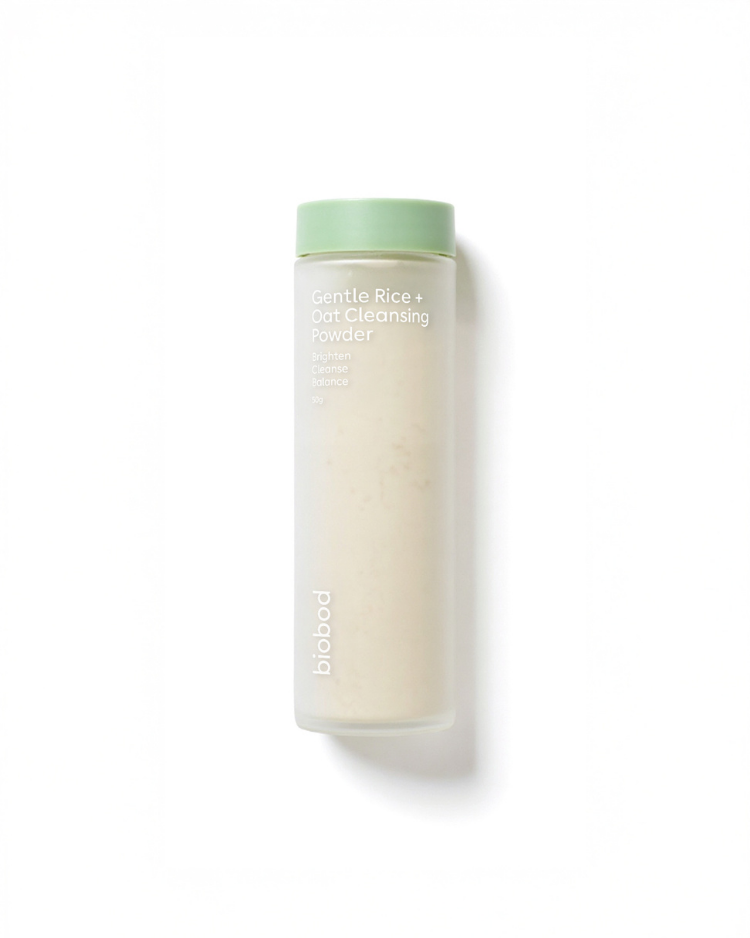
Gentle Rice + Oat Cleansing Powder
Brightens and balances while cleansing without stripping. Ideal when your skin feels reactive or congested.
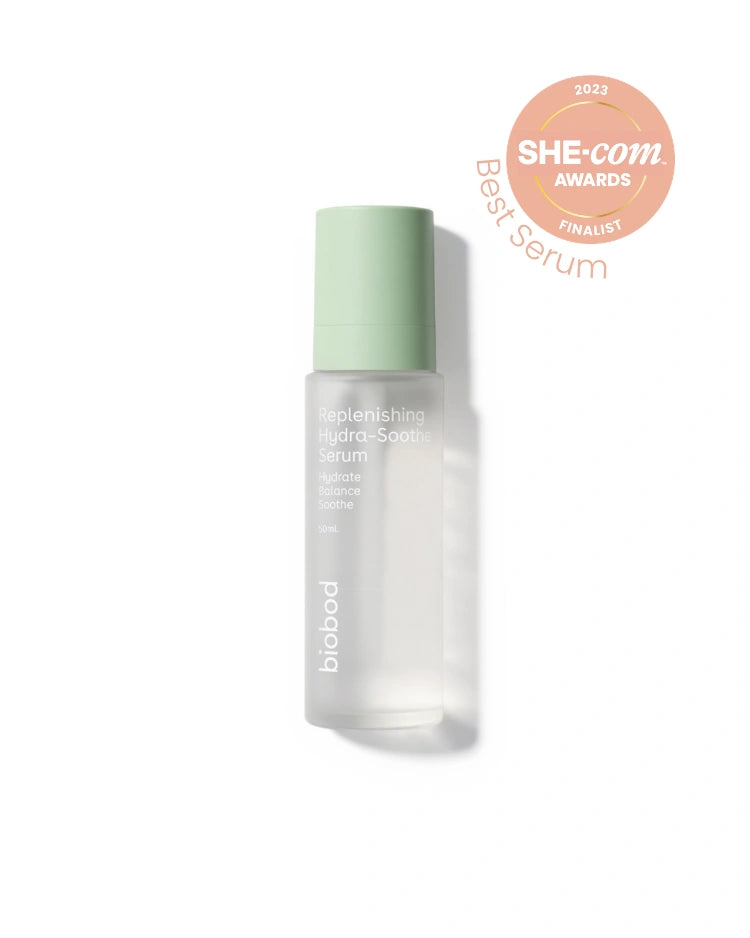
Replenishing Hydra-Soothe Serum
Weightless hydration that calms, soothes and supports plump, balanced skin.
Barrier Restore Nutrient Oil
Locks in moisture, strengthens the barrier and delivers essential omegas and antioxidants.
Together, this system supports:
- Microbiome balance
- Barrier repair
- Reduced inflammation
When your skin is asking for rest
Sometimes breakouts are not just about what you put on your skin, but what your body is asking for.
Sleep is one of the most powerful, overlooked parts of your skincare routine.
If your skin has been:
- Breaking out unexpectedly
- Feeling more sensitive
- Looking dull or tired
…it may be time to look beyond products and support your internal rhythm too.
So, does lack of sleep cause acne?
Not directly on its own, but it plays a powerful role.
By disrupting your circadian rhythm, increasing stress hormones and weakening your skin barrier, poor sleep creates the conditions where acne is more likely to form.
The good news is your skin is incredibly responsive.
With rest, gentle care and the right support, it can return to balance.
Does lack of sleep cause acne?
Yes. Lack of sleep can increase inflammation, disrupt hormones and weaken the skin barrier, making breakouts more likely.
Why do I get pimples when I sleep late?
Sleeping late disrupts your circadian rhythm, increasing cortisol and oil production, which can lead to clogged pores and acne.
Can lack of sleep cause acne on the forehead?
Yes. The forehead is prone to oil production, and sleep deprivation can increase sebum and stress hormones, triggering breakouts.
How does circadian rhythm affect skin?
Your circadian rhythm controls when your skin protects and when it repairs. Poor sleep disrupts this cycle, reducing overnight repair and increasing inflammation.
Can improving sleep reduce acne?
Better sleep supports hormone balance, reduces inflammation and strengthens the skin barrier, which can help reduce acne over time.