
Quick Answer: What Is the Best Way to Hydrate Skin?
The best way to hydrate skin is by applying a water-based serum to damp skin, followed by an oil or moisturiser to seal it in. Hydration comes from water-binding ingredients like hyaluronic acid, not oils alone. Correct layering and consistency are key to long-lasting, calm, hydrated skin.
What Is Dehydrated Skin?
Dehydrated skin is skin that lacks water, not oil. It can affect all skin types, including oily and acne-prone skin. You might notice tightness, dullness, fine lines, or increased sensitivity.
Unlike dry skin, which is a skin type, dehydration is a temporary condition. With the right approach, it can be restored quickly and gently.
Why Your Skin Is Still Dehydrated
Many people follow a full skincare routine and still experience dehydration. This usually comes down to technique rather than product choice.
- Applying skincare to dry skin instead of damp skin
- Using oils too early in the routine
- Over-exfoliating and weakening the skin barrier
- Ignoring the skin’s microbiome
If your skin feels tight or uncomfortable even after moisturising, it’s likely missing water, not oil.
Read more here: dry vs dehydrated skin.
The Correct Way to Hydrate Skin (Step-by-Step)
Step 1: Start With Damp Skin
Hydration begins with water. Slightly damp skin allows humectants to draw moisture deeper into the skin instead of sitting on the surface.
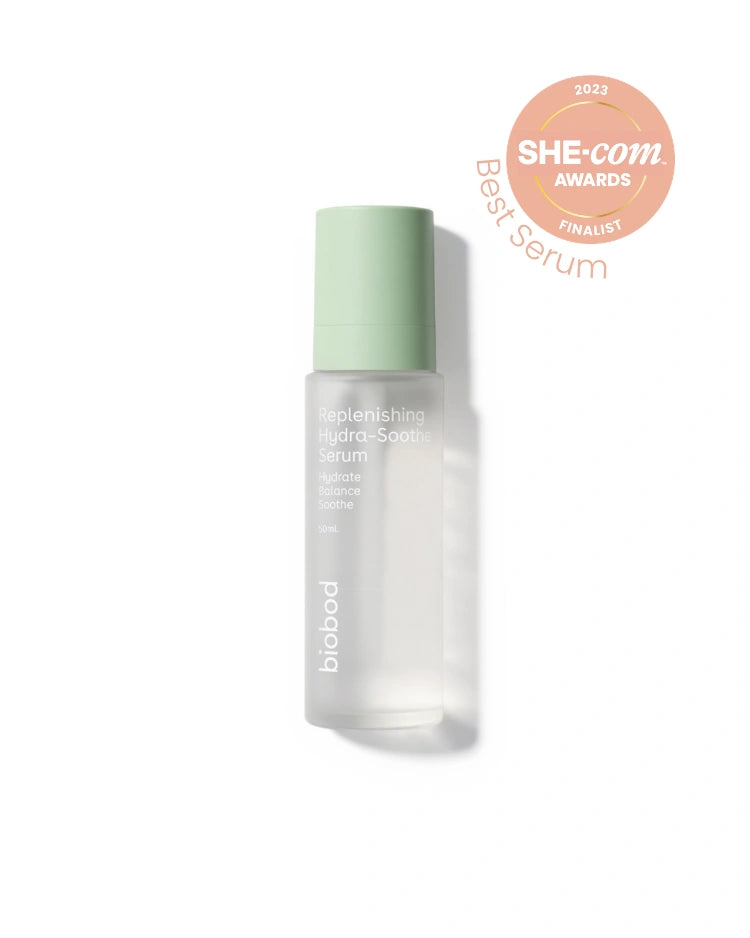
Step 2: Apply a Water-Based Serum
This is where real hydration happens. A lightweight, water-based formula delivers hydration directly into the skin.
Using a hydrating serum for sensitive skin helps replenish water levels while calming irritation and supporting overall balance.

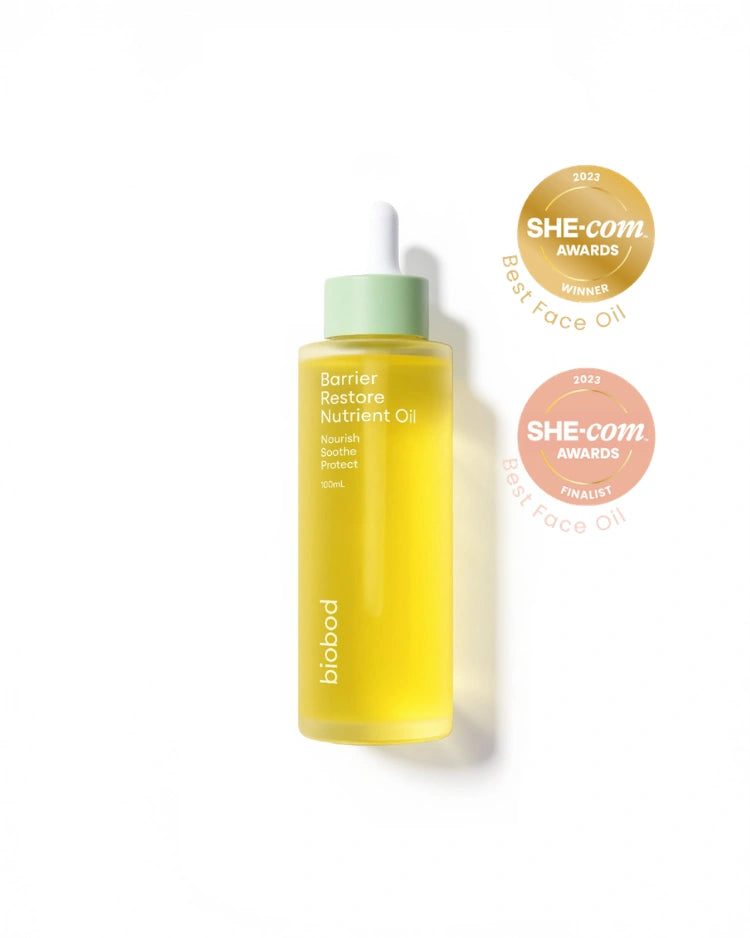
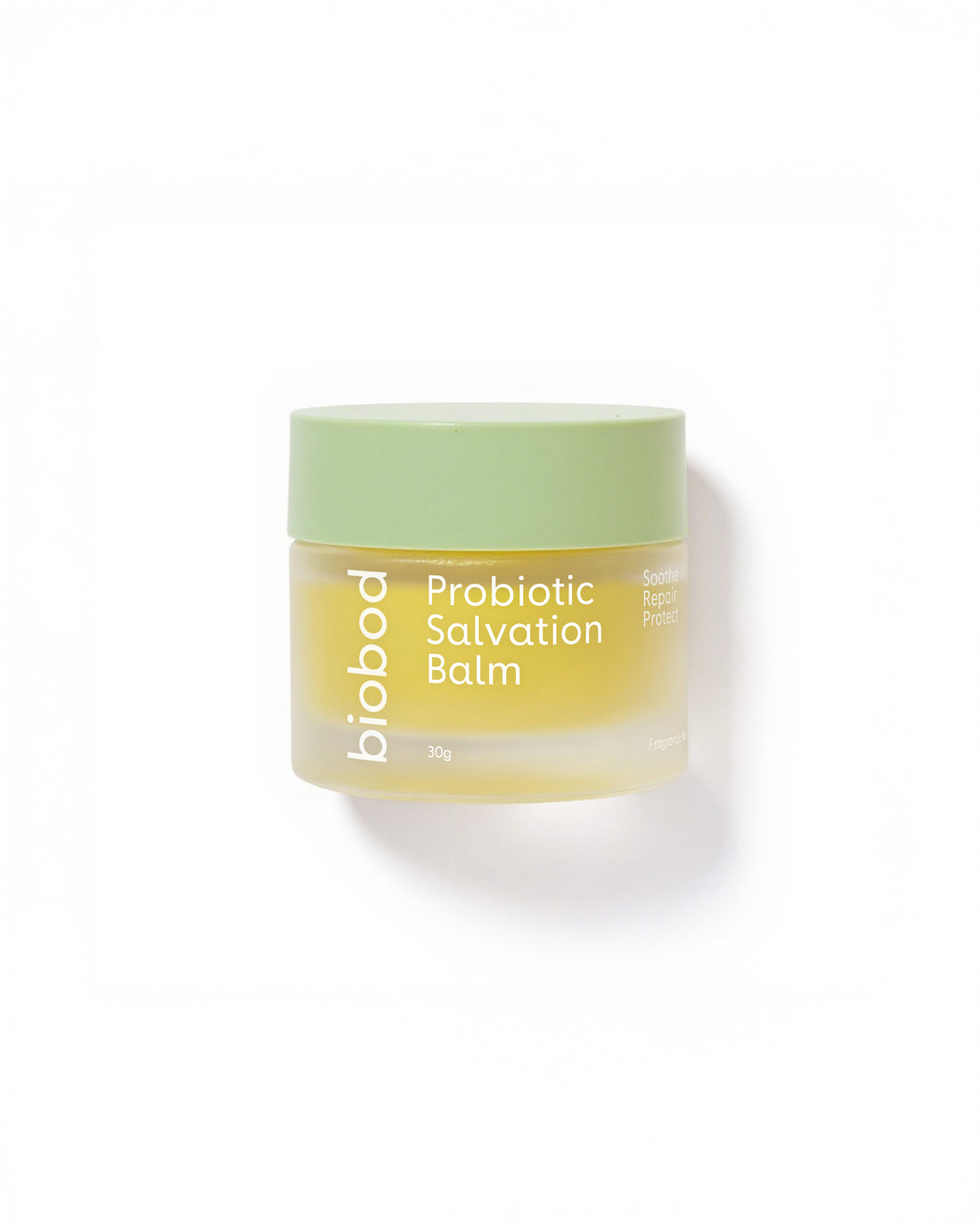
Step 3: Seal With an Oil or Moisturiser
Once hydration is in, it needs to be sealed. Oils and moisturisers act as a protective layer to prevent water loss throughout the day or night.
Seal it in with:

Why Hydration Comes Before Oils
Oils do not hydrate the skin. Instead, they lock in hydration that is already present.
If applied too early, oils can prevent water-based ingredients from penetrating properly. This is why hydration should always come first.
Learn more here: oil-free skincare benefits.
The Role of the Skin Barrier in Hydration
Your skin barrier is responsible for holding moisture in and protecting against external stress. When it’s compromised, hydration escapes more easily, leaving skin dry, sensitive, and reactive.
Supporting your barrier is essential for maintaining long-term hydration.
Read more: skin barrier repair.
How the Skin Microbiome Affects Hydration
Your skin is home to beneficial bacteria that help regulate balance and resilience. When disrupted, the skin becomes more prone to dehydration and irritation.
Supporting this ecosystem helps your skin stay calm, strong, and hydrated.
Explore further: skin microbiome explained.
Best Ingredients for Hydrating Sensitive Skin
- Hyaluronic Acid – draws water into the skin
- Sodium PCA – mimics natural hydration factors
- Glycerin – deeply hydrates and softens
- Centella Asiatica – calms and supports repair
- Aloe Vera – soothes irritation
- Green Tea – supports recovery and reduces stress
Hydration Routine by Skin Type
For Sensitive Skin
Focus on gentle, fragrance-free formulas that hydrate while calming the skin. Avoid overloading with actives.
For Oily Skin
Hydration is still essential. Lightweight, oil-free formulas help balance oil production without clogging pores.
For Dry Skin
Combine hydration with nourishing oils to both replenish water and support the skin barrier.
For Combination Skin
Use hydration across the entire face, adjusting oil or moisturiser based on different areas.
AM vs PM Hydration Routine
Morning Routine
- Cleanse
- Apply hydrating serum to damp skin
- Seal with moisturiser or oil
- Apply SPF
Night Routine
- Cleanse
- Apply hydrating serum
- Seal with oil to support overnight repair
Common Hydration Mistakes to Avoid
- Skipping hydration and relying only on oils
- Applying products to dry skin
- Over-exfoliating
- Using too many active ingredients at once
- Not sealing hydration properly
Hydration Myths That Are Holding You Back
Myth: Oils hydrate the skin
Oils seal hydration but do not provide it.
Myth: Oily skin doesn’t need hydration
All skin types need water. Dehydration can actually increase oil production.
Myth: More products mean better hydration
Technique matters more than the number of products used.
How to Tell If Your Skin Is Properly Hydrated
- Skin feels comfortable and balanced
- Texture appears smooth
- Fine lines are softened
- Redness is reduced
- Skin looks naturally radiant
Hydration Is a Technique, Not a Product
Healthy skin isn’t about using more. It’s about using what you have in the right way.
By focusing on hydration first, supporting your barrier, and respecting your skin’s natural balance, you create long-term skin health that feels calm, resilient, and radiant.
FAQs
How do I know if my skin is dehydrated?
Dehydrated skin often feels tight, looks dull, and may show fine lines. It can also feel sensitive or reactive.
Can oily skin be dehydrated?
Yes. Oily skin can lack water while still producing excess oil as a response.
Should I apply serum on wet or dry skin?
Serum should be applied to damp skin to maximise hydration and absorption.
What is the best hydrating serum for sensitive skin?
The best option is a lightweight, water-based formula with hydrating and soothing ingredients that support the skin barrier and microbiome.