
Last updated 26 September 2026 · 6 minute read
By Natalie, Founder of biobod
Rubbing alcohol is made to disinfect, not to cleanse facial skin. It dissolves the natural oils that help your skin barrier hold water, which can leave your face tight, flaky and more easily irritated. It may feel "squeaky clean" in the moment, but a gentle, non-stripping cleanser is a far kinder way to deep clean. Keep rubbing alcohol for first aid and cleaning tools.
Key takeaways
- Rubbing alcohol is usually isopropyl alcohol. Methylated spirits is denatured ethanol. Both are drying alcohols.
- They strip the oils your skin barrier relies on to hold water, which can leave skin dry, tight and reactive.
- Wiping pimples with alcohol dries the surface but does not address what causes breakouts.
- Alcohol swabs have a place in first aid and for cleaning tools, not in a daily skincare routine.
- If you have over-dried your skin, pause strong products, cleanse gently, then hydrate and seal.
Table of contents
- Can you clean your face with rubbing alcohol?
- What does rubbing alcohol do to your face?
- Isopropyl alcohol vs ethanol vs methylated spirits
- Does alcohol help pimples?
- When alcohol swabs do make sense
- Gentler ways to deep clean your skin
- Over-dried your skin? How to bring it back to comfort
- FAQs
Can you clean your face with rubbing alcohol?
You can, but it is not a good idea. Rubbing alcohol is designed to kill germs on surfaces and on intact skin before an injection or a finger-prick test. It is not formulated to lift makeup, sunscreen, oil and daily grime in a way that respects your skin.
That instant tight, squeaky feeling after swiping alcohol across your face is not a sign of clean skin. It is a sign the oils that keep your skin comfortable have been stripped away.
What does rubbing alcohol do to your face?
Your skin's outer layer is held together by a mix of natural oils and fats that help it hold on to water. Rubbing alcohol is a strong solvent that dissolves those oils, then evaporates quickly.
Used on your face, especially more than once, it can lead to:
- A tight, dry, stretched feeling
- Flaking or rough patches
- Stinging when you apply your usual products afterwards
- Redness and sensitivity that shows up more easily
Sensitive, dry, eczema-prone and rosacea-prone skin is usually the first to react. If your skin is broken, cracked or persistently inflamed, speak with your GP, pharmacist or a dermatologist.
Isopropyl alcohol vs ethanol vs methylated spirits
These are the alcohols people most often reach for at home. On facial skin, they all behave in a similar, drying way.
| Name | Where you find it | On your face |
|---|---|---|
| Isopropyl alcohol (rubbing alcohol) | Alcohol swabs, first aid kits, cleaning sprays | Very drying; avoid |
| Ethanol (ethyl alcohol) | Hand sanitiser, some toners and gels | Drying, especially high on an ingredient list |
| Methylated spirits (metho) | Hardware and household cleaning | Not made for skin; do not use on your face |
| Alcohol denat. | Skincare ingredient lists | Drying; watch for it in the first five ingredients |
Pure ethanol on the skin behaves much like rubbing alcohol. It evaporates fast and takes moisture with it. For more on how these compare with the gentler alcohols in skincare, read our guide to alcohol denat.
Does alcohol help pimples?
Dabbing alcohol on a pimple can make the surface look drier for a few hours, which is why it is a common home trick. But breakouts are driven by what happens inside the pore: oil, dead skin cells, bacteria and inflammation. Alcohol on the surface does not address those.
What it can do is dry and irritate the skin around the spot, and irritated skin often looks redder and more noticeable. Breakout-prone skin usually does better with gentle cleansing, lightweight oil-free hydration and patience.
If you have persistent, painful or widespread acne, see your pharmacist, GP or a dermatologist. There are effective options they can talk you through.
When alcohol swabs do make sense
Rubbing alcohol is useful, just not as skincare. Keep it for:
- Cleaning intact skin before an injection or finger-prick test, as directed
- Wiping tweezers, nail clippers and other tools
- Cleaning your phone screen, which touches your face all day
- Hand sanitiser when soap and water are not available
For cuts, grazes and broken skin, follow first aid guidance or ask your pharmacist.
Caution
Hand sanitiser on your face is the same idea as rubbing alcohol. If you have used it on your face, rinse with lukewarm water and follow with a hydrating serum and oil.
Gentler ways to deep clean your skin
A deep clean does not need to strip. What most skin wants is to have makeup, sunscreen, excess oil and daily buildup lifted away, while its own protective oils stay put.
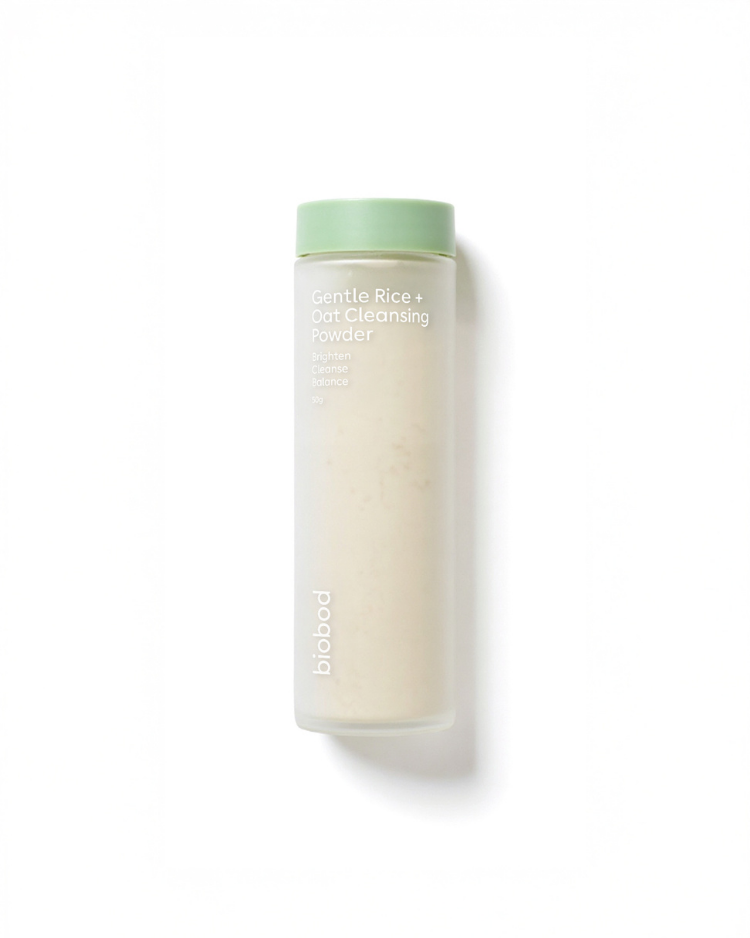
- Use a non-stripping cleanser. Our Gentle Rice + Oat Cleansing Powder activates with water in your palms. It is formulated without drying alcohols, fragrance or essential oils.
- Massage, then rinse. Spend 30 to 60 seconds massaging your cleanser over damp skin, then rinse with lukewarm water, not hot.
- Double cleanse at night if you wear sunscreen or makeup. Loosen them first with a face oil, then follow with your cleanser.
- Keep your tools clean. Wash reusable cleansing rounds, pillowcases and face cloths regularly. This is a better job for your rubbing alcohol than your face.
Green flag
If your skin feels soft and comfortable after cleansing, not tight or squeaky, your cleanser is doing its job without stripping.
Over-dried your skin? How to bring it back to comfort
If alcohol has left your skin tight, flaky or stinging, give it a simple, gentle routine for a week or two:
- Pause the strong stuff. Step back from exfoliating acids, scrubs, retinoids and alcohol-based toners.
- Cleanse gently, once or twice a day. Lukewarm water and a non-stripping cleanser.
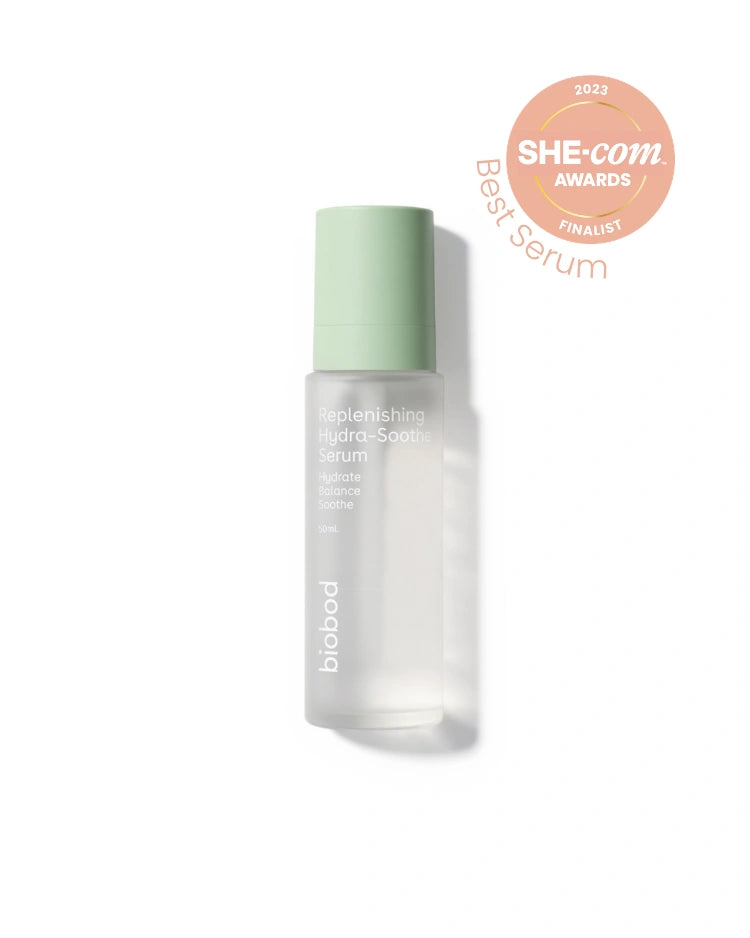
- Hydrate on damp skin. Our Replenishing Hydra-Soothe Serum uses glycerin, hyaluronic acid and sodium PCA to draw water into the skin.
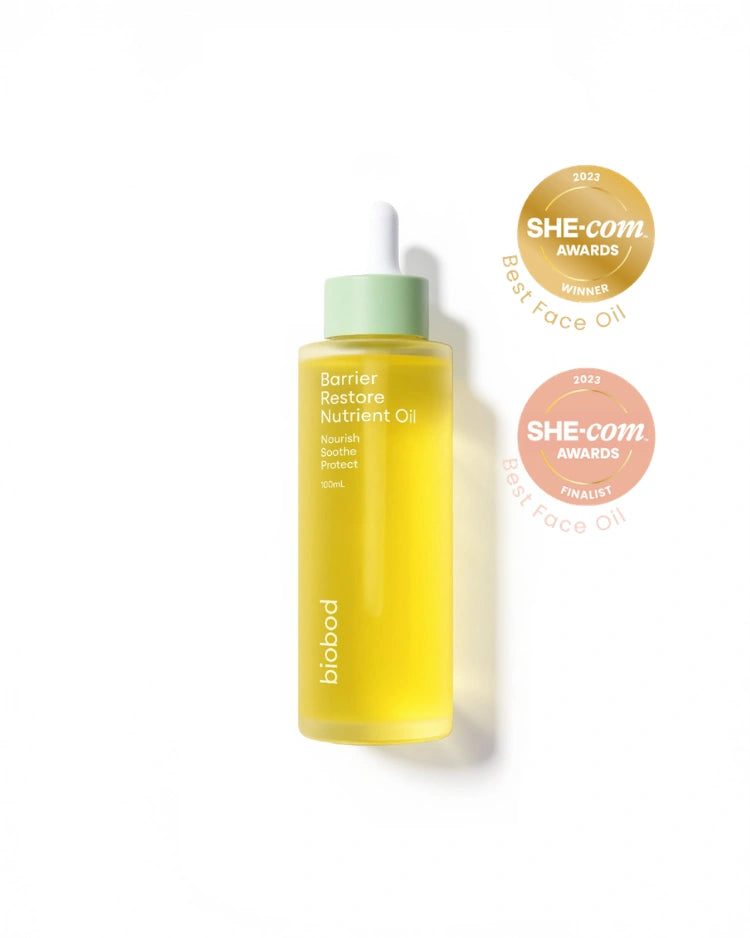
- Seal it in. Follow with a few drops of Barrier Restore Nutrient Oil to help hold that hydration in.
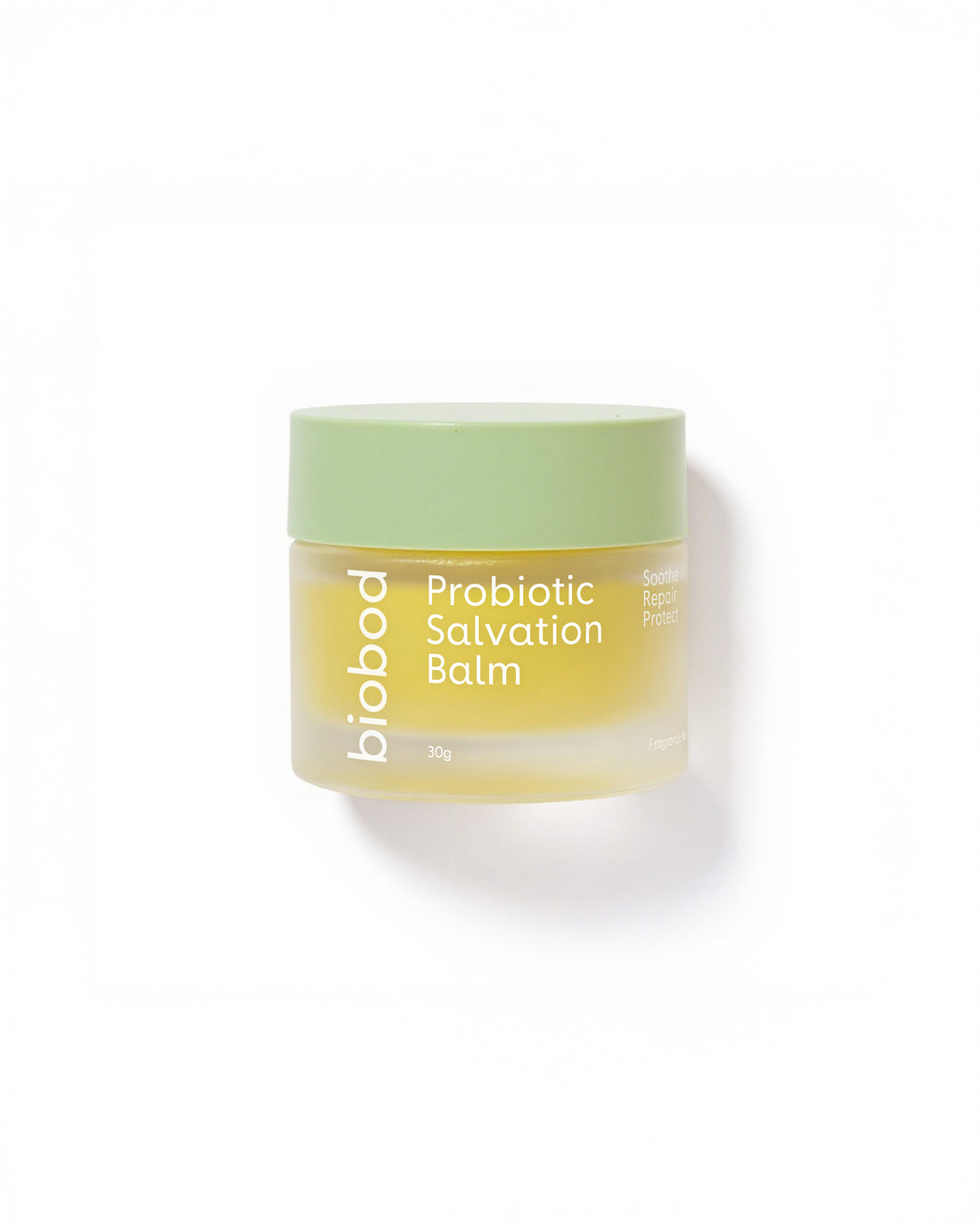
- Soothe rough patches. A thin layer of Probiotic Salvation Balm over very dry areas.
If your skin is not settling after a couple of weeks, or it is cracked, weeping or very inflamed, see your GP or a dermatologist.
Recommended biobod products

Gentle Rice + Oat Cleansing Powder
A water-activated deep clean without drying alcohols.
Shop the cleanser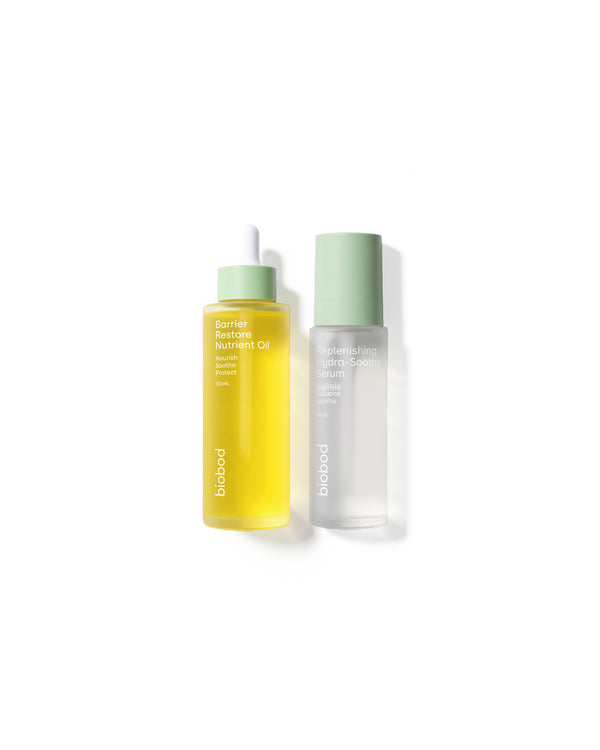
Glow Set: Hydrate & Nourish
Serum and oil to bring over-dried skin back to comfort.
Shop the Glow Set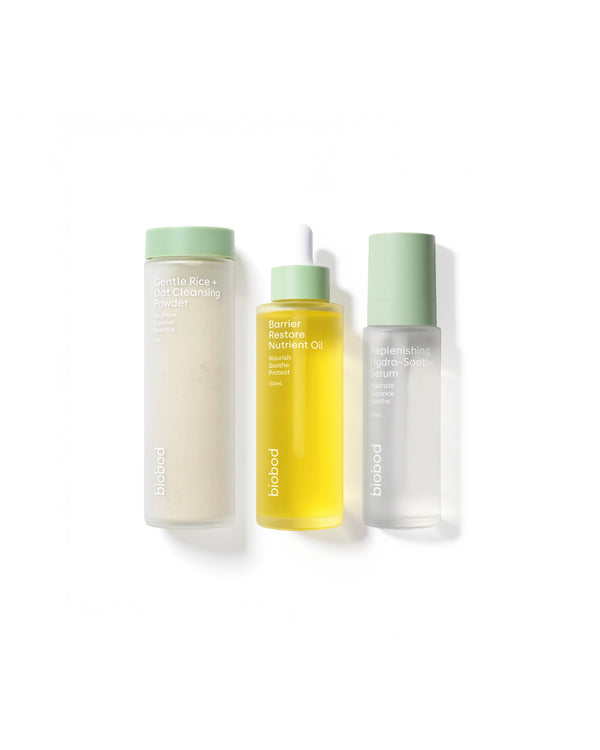
Related reading
- Alcohol in skincare: which alcohols dry your skin and which ones help it
- Alcohol denat in skincare: what it means and when to avoid it
- Alcohol-free skincare in Australia: what it really means
- Natural probiotics for skin: the benefits
- 10 skincare ingredients to avoid for sensitive skin
FAQs
Is rubbing alcohol bad for your face?
Yes, as a cleanser. Rubbing alcohol strips the natural oils that help your skin barrier hold water, which can leave skin tight, flaky and more easily irritated. Use a gentle, non-stripping cleanser on your face instead.
Is pure ethanol safe on skin?
Ethanol is widely used in hand sanitisers and some skincare, but pure or high-strength ethanol is very drying. It is not a good choice for cleansing or treating facial skin.
Is rubbing alcohol good for oily skin?
It removes surface oil for a short time, but it does not change how much oil your skin makes and can leave skin tight and irritated. Oily skin usually does better with gentle cleansing and lightweight, oil-free hydration.
Can I put rubbing alcohol on a pimple?
It is best not to. It can dry and irritate the skin around the spot without addressing what causes the breakout. For persistent or painful acne, speak with your pharmacist, GP or a dermatologist.
Can I use hand sanitiser on my face?
Hand sanitiser is high in alcohol and made for hands, so it is likely to dry out facial skin. If it gets on your face, rinse with lukewarm water and follow with a hydrating serum and face oil.
A deep clean that doesn't strip
Our Gentle Rice + Oat Cleansing Powder is a dry powder you activate with water in your palms. No drying alcohols, fragrance or essential oils. Backed by our 30-day Happiness Guarantee.
Shop the Cleansing Powder