
Last updated: September 2026 · Estimated reading time: 7 minutes
By Natalie, Founder of biobod
Maybe your moisturiser feels heavy. Maybe it stings. Maybe you have simply noticed that your skin feels better on the nights you skip it and use a few drops of oil instead.
So the question is fair: can a face oil do the job of a moisturiser?
For many people, yes. But there is one condition that decides whether the swap leaves your skin soft and comfortable or quietly tight underneath. This guide explains that condition, who the swap suits and how to make the change without upsetting your skin.
Key takeaways
- A face oil can replace a moisturiser when it is paired with a hydrating step.
- Oil applied to dry skin has little water to hold in, so skin may still feel tight.
- The simplest swap is a water-based serum on damp skin, followed by a few drops of oil.
- If you are not ready to replace your moisturiser, you can add oil over it instead.
- Make one change at a time and give your skin around two weeks before judging the result.
- For sensitive skin, choose a serum and oil that are both fragrance-free and essential oil-free.
Table of contents
- Can you use face oil instead of moisturiser?
- Why you need to hydrate first
- Who the swap suits
- Should you use face oil or moisturiser?
- Can you combine face oil with your current moisturiser?
- How to switch from moisturiser to face oil
- If your skin feels tight, greasy or congested
- Using face oil instead of moisturiser on sensitive skin
- Recommended biobod products
- FAQs
Can you use face oil instead of moisturiser?
Yes. A face oil can take the place of a moisturiser in your routine, provided something else supplies the hydration.
A moisturiser does two jobs at once. It adds water to the skin through humectants such as glycerin and hyaluronic acid, and it holds that water in with oils and waxes. A face oil only does the second job.
That is why the most reliable swap is not oil alone, but a hydrating serum followed by oil. The serum hydrates. The oil nourishes and helps hold that hydration in. For a full comparison of how the two products are built, read face oil vs moisturiser: what's the difference?
Why you need to hydrate first
Think of your skin's outer layer as needing two things to feel comfortable: water, and the lipids that help keep that water from escaping.
If you apply oil to completely dry skin, you are supplying lipids without much water underneath. Your skin may feel soft on the surface but still tight, especially a few hours later or in dry, air-conditioned rooms.
Hydrate first and the picture changes. Oil pressed over a freshly applied serum spreads more easily, feels lighter and helps your skin hold on to the water you have just added.
Myth: Skin needs a cream to be properly moisturised.
Fact: Skin needs hydration and lipids. A cream is one way to supply both. A water-based serum followed by a face oil is another, and it lets you adjust each part separately.
Our guide to how to retain moisture in skin naturally explains this hydrate-then-seal approach in more detail.
Who the swap suits
Replacing a moisturiser with a serum and oil can work well if:
- your moisturiser feels heavy but your skin still feels tight by the afternoon
- you want to adjust your routine through the seasons without buying a new cream each time
- your skin does not get along with some emulsifiers or preservatives found in creams
- you prefer a shorter ingredient list in each product
- you like the feel of an oil and would rather use one product you enjoy than two you tolerate
It may not suit you if you strongly prefer the cushioned feel of a cream, or if a health professional has recommended a specific moisturiser for you. In that case, keep it, and see the section on combining below.
Should you use face oil or moisturiser?
| If this sounds like you | Consider |
|---|---|
| My moisturiser keeps my skin comfortable all day | Keep it. There is no need to change a routine that works. |
| My moisturiser feels heavy but my skin still feels tight | Swap to a hydrating serum plus face oil. |
| My skin feels dry only in winter or air-conditioning | Add a few drops of oil over your moisturiser on those days, or switch to serum plus oil and adjust the drops. |
| My skin reacts to many creams | Try a fragrance-free serum and waterless oil, introduced one at a time. |
| I want the fewest steps possible | A single moisturiser may suit you better. |
Can you combine face oil with your current moisturiser?
Yes, and it is a gentle way to find out how your skin responds to an oil before replacing anything.
- Layer it: apply your moisturiser, then press two or three drops of oil over the top as your last step before sunscreen.
- Mix it: blend one or two drops of oil into your moisturiser in your palm before applying.
If you find the oil is doing most of the work, that is often the moment to try swapping your moisturiser for a hydrating serum. Not sure you need an oil at all? Start with do I need a face oil if I already use moisturiser?
How to switch from moisturiser to face oil
Change one thing at a time so you can tell what is working.
- Weeks 1 to 2: add the oil. Keep your moisturiser and add a few drops of a fragrance-free face oil over it at night. Notice how your skin feels in the morning.
- Weeks 3 to 4: swap the cream for a serum at night. Cleanse, apply a water-based serum to damp skin, then press in the oil. Keep your moisturiser in the morning if you like.
- From week 5: use serum and oil morning and night. Follow with sunscreen in the morning.
Throughout, keep your cleanser gentle. A non-stripping cleanser makes it much easier for any routine to keep your skin comfortable.
In the morning, mineral sunscreen is always the final step. Cancer Council Australia recommends an SPF50 or SPF50+, broad-spectrum, water-resistant sunscreen whenever UV levels are 3 or above.
If your skin feels tight, greasy or congested
Most issues come down to the balance between the two steps, which is easy to adjust.
| What you notice | What to try |
|---|---|
| Skin feels tight a few hours later | Apply serum to damper skin, use a little more serum, or add one more drop of oil. |
| Skin feels greasy or shiny | Use fewer drops and press, rather than rub, the oil in. Try oil at night only. |
| Makeup or sunscreen pills | Give the oil a few minutes to settle before sunscreen and use a lighter amount in the morning. |
| Skin feels congested | Check the oil is made with low-comedogenic ingredients and is free from fragrance and essential oils. |
| Stinging, redness or itching | Stop the new product. If irritation persists, speak with your GP or a dermatologist. |
If breakouts are your main concern, our guide to non-comedogenic oil for breakout-prone skin explains which oils to look for.
Using face oil instead of moisturiser on sensitive skin
For sensitive skin, the format matters less than what is in the bottle. Many face oils are scented with essential oils such as lavender, citrus or rose, which can be a problem for reactive skin even when the base oils are gentle.
When choosing a serum and oil to replace your moisturiser, look for:
- fragrance-free and essential oil-free formulas
- a water-based serum with humectants such as hyaluronic acid, sodium PCA or glycerin
- an oil built on skin-compatible lipids such as squalane
- low-comedogenic oils
- a brand that explains how it screens ingredients
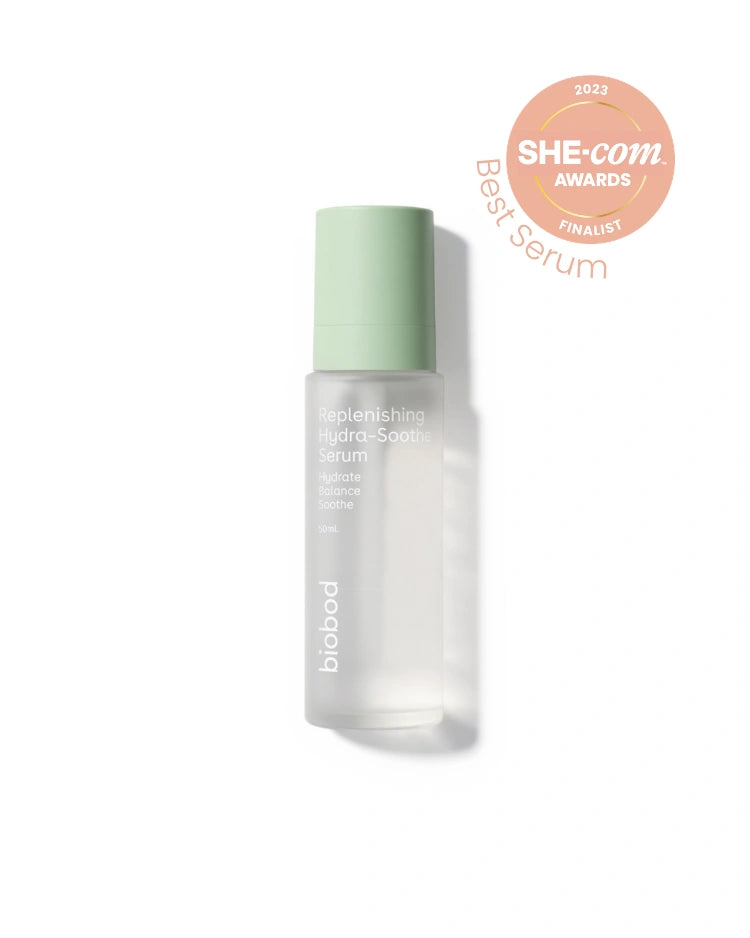
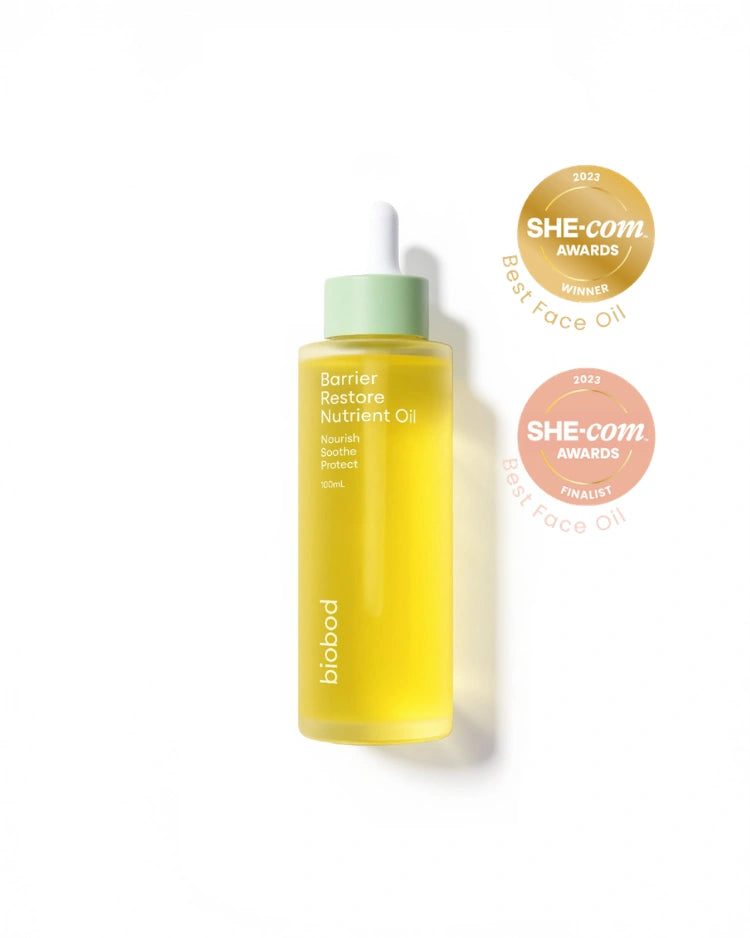
This is exactly how biobod's routine works, because we do not make a moisturiser. The Replenishing Hydra-Soothe Serum is a weightless, oil-free serum with hyaluronic acid, sodium PCA, glycerin, centella, aloe and green tea. The Barrier Restore Nutrient Oil is a waterless blend led by plant-derived squalane, with jojoba, hemp seed, meadowfoam and oat kernel oils, vitamin E and totarol. Both are fragrance-free and essential oil-free, and every ingredient in the oil has a comedogenic rating of 0 to 1.
Together, they are sold as the Glow Set: Hydrate & Nourish. If you would rather try them first, the Discovery Set includes trial sizes of both.
Recommended biobod products
Your moisturiser swap
Glow Set: Hydrate & Nourish

Best for: Replacing a moisturiser with a serum and oil routine.
The full-size serum and oil together: hydrate first, then nourish and help seal it in.
Explore the Glow SetNourish and seal
Barrier Restore Nutrient Oil

Best for: Adding over your moisturiser first, or pairing with a hydrating serum.
A waterless, fragrance-free and essential oil-free blend of squalane and plant oils.
Explore the OilTry before you switch
Discovery Set

Best for: Testing the serum and oil before committing to full sizes.
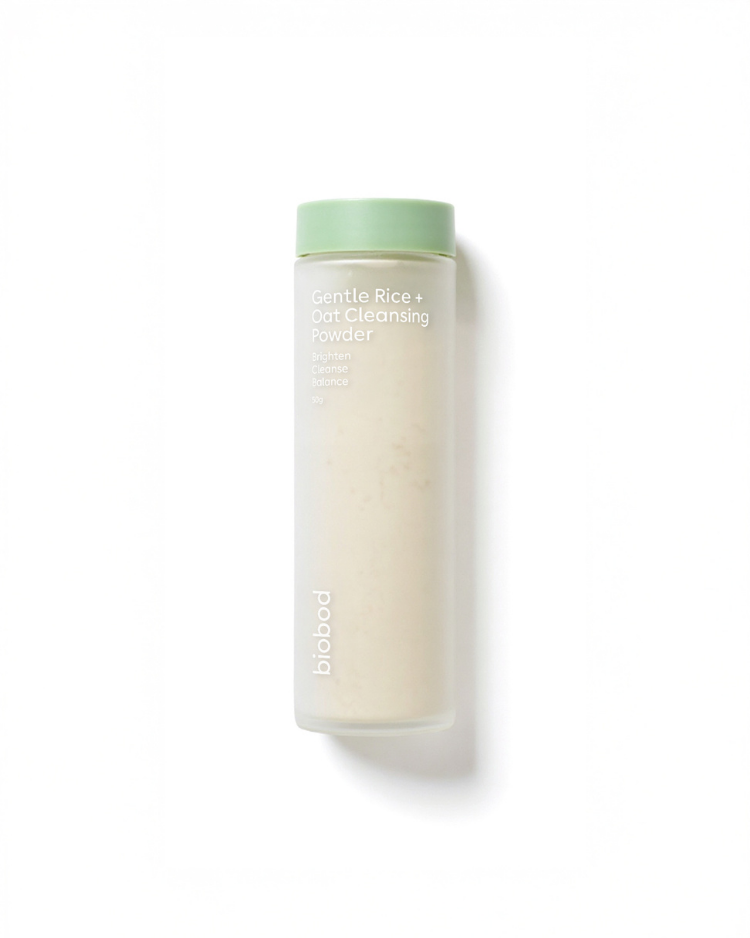
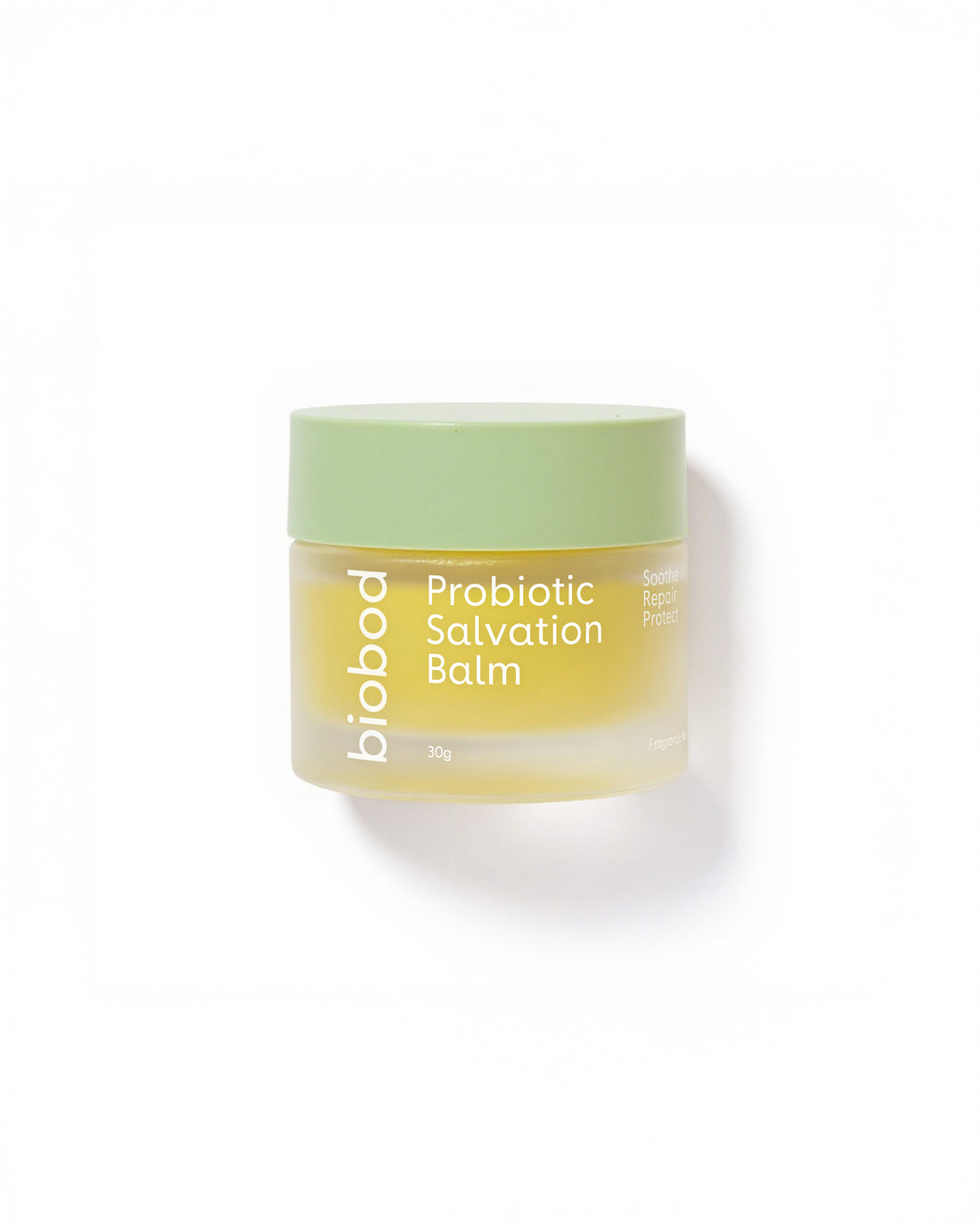
Trial sizes of our cleanser, serum, oil and balm, for a low-risk start.
Explore the Discovery SetRelated reading
- Do I Need a Face Oil If I Already Use Moisturiser?
- Face Oil vs Moisturiser: What's the Difference?
- How to Retain Moisture in Skin Naturally
- A Serum for Your Skin Barrier
- Barrier Repair Face Oil: Why Your Skin Needs This Blend
- Dry Patches on Your Face: A Sensitive Skin Guide
FAQs
Can I use face oil instead of moisturiser?
Yes, as long as you hydrate first. Face oil contains no water, so pair it with a water-based serum applied to damp skin. The serum hydrates and the oil nourishes and helps hold that hydration in, covering what a moisturiser does.
Should I use face oil or moisturiser?
If your moisturiser keeps your skin comfortable all day, keep it. If it feels heavy but your skin still feels tight, or you react to many creams, a hydrating serum followed by a fragrance-free face oil may suit you better.
Can I combine face oil with my current moisturiser?
Yes. Apply your moisturiser, then press two or three drops of face oil over the top, or mix a drop of oil into your moisturiser in your palm. This is a gentle way to see how your skin responds to an oil.
What happens if I put face oil on dry skin?
Oil on completely dry skin has little water to hold in, so skin can feel soft on the surface but still tight underneath. For best results, apply face oil to damp skin or over a water-based serum.
Can I use face oil instead of moisturiser on sensitive skin?
Yes, if both the oil and your hydrating serum are fragrance-free and essential oil-free. Introduce one new product at a time, patch test first and stop if you notice stinging or redness.
How long should I give my skin when switching from moisturiser to face oil?
Make one change at a time and give each change around two weeks before deciding whether it suits you. Adjust the amount of serum and oil as you go.
You do not need a cream to keep your skin comfortable. You need hydration, and something to help hold it in.
A serum and oil can do both, with the flexibility to change the balance whenever your skin asks for it.
Make the swap: Explore the Glow Set: Hydrate & Nourish, or start smaller with the Discovery Set, which includes trial sizes of the serum and oil.