
Last updated: 5 September 2026 · Estimated reading time: 8 minutes
By Natalie, Founder of biobod
"Damaged skin" gets used to describe almost anything that is not behaving: a dry patch, a dull day, a sunburn, a stinging reaction. But these are not all the same thing, and telling them apart changes what your skin needs.
This guide walks through healthy skin vs damaged skin, how damaged skin differs from dry, dehydrated, sun-damaged and dull skin, why skin becomes damaged in the first place, and how to support it gently. If you are still working out where your own skin sits, start with the signs of healthy skin, then come back here.
Healthy skin vs damaged skin
- "Damaged skin" most often means a compromised skin barrier, skin that feels tight, reacts easily and struggles to hold hydration.
- Dry, dehydrated, sun-damaged and dull skin are different states with different causes; they are not interchangeable with "damaged".
- Healthy skin can become damaged through over-exfoliation, harsh actives, over-cleansing, sun exposure and environmental stress.
- Skin is resilient, a compromised barrier often feels more comfortable once you remove what is aggravating it and focus on gentle support.
- New, changing or persistent skin concerns should be checked by a GP or dermatologist rather than self-managed.
Table of contents
- What is the difference between healthy skin and damaged skin?
- Healthy skin vs dry skin: what is the difference?
- Healthy skin vs sun-damaged skin
- Healthy skin vs dull skin
- How can healthy skin become damaged?
- Can damaged skin recover?
- Recommended biobod products
- Related reading
- FAQs
What is the difference between healthy skin and damaged skin?
The clearest difference is how skin feels and how it copes. Healthy skin is comfortable, even-toned and resilient — it holds onto hydration and settles quickly after heat, cold or a new product. Damaged skin usually means the skin barrier is under strain: it feels tight or stingy, flushes and reacts easily, loses moisture and can look flaky, red or dull. Here is a side-by-side:
| Sign | Healthy skin | Damaged (barrier-compromised) skin |
|---|---|---|
| Comfort | Calm and comfortable | Tight, stinging, burning or itchy |
| Reactivity | Tolerates a gentle routine | Flushes, stings or reacts to products it used to accept |
| Hydration | Holds moisture, stays plump | Loses moisture quickly, feels parched by midday |
| Texture | Smooth and supple | Flaky, rough or peeling |
| Tone | Reasonably even | Persistent redness or blotchiness |
| Radiance | Soft, natural glow | Flat, tired or dull |
| Recovery | Settles quickly after stress | Stays red or reactive for longer |
One important point: the word "damaged" covers several different states. Not every rough or dull patch means a compromised barrier. The next sections tease those apart.
Healthy skin vs dry skin: what is the difference?
Dry skin and damaged skin are often confused, but they are not the same. Dry skin is a skin type that produces less oil; dehydrated skin is temporarily short on water; damaged skin has a compromised barrier. Skin can be dry and still be healthy, as long as it is comfortable and well cared for. The table below sorts out the states that all get called "damaged":
| Skin state | What it is | Tell-tale sign |
|---|---|---|
| Healthy | Comfortable, resilient, balanced for its type | Settles quickly, low reactivity |
| Dry (skin type) | Naturally produces less oil | Feels tight, can flake, but not necessarily reactive |
| Dehydrated | Temporarily short on water (any skin type) | Looks dull, feels tight, fine lines more visible |
| Damaged (barrier) | Compromised barrier under strain | Stinging, redness, reacts to gentle products |
| Sun-exposed | Affected by cumulative UV exposure | Uneven tone, rough patches, visible sun spots |
| Dull | Lacking radiance, often from dehydration or buildup | Flat, tired appearance without obvious discomfort |
The practical takeaway: match your response to the state. Dry and dehydrated skin usually want more hydration and richer moisture. A compromised barrier wants fewer actives and gentler support.
Healthy skin vs sun-damaged skin
Sun-damaged skin is skin affected by cumulative ultraviolet (UV) exposure over time. Compared with healthy skin, it can look less even in tone, feel rougher and show sun spots or pigmentation. In Australia, where UV levels are high, sun protection is the single most impactful habit for keeping skin looking healthy long term. The Cancer Council recommends broad-spectrum SPF 30 or higher as part of daily sun protection for Australians.
Choose a broad-spectrum mineral SPF you will wear daily, and pair it with the other sun-protection measures the Cancer Council advises. Skincare cannot undo UV damage, but daily protection helps prevent further change. If you notice a new, changing or unusual spot, have it checked by your GP or a dermatologist rather than treating it as a skincare issue.
Healthy skin vs dull skin
Dullness is one of the most common complaints, and it rarely means skin is damaged. More often it comes from dehydration, a build-up of dead surface cells, poor sleep or simply a compromised barrier scattering light unevenly. Healthy skin reflects light more evenly, which reads as a soft, natural glow.
The fix for dullness is usually gentler than people expect: consistent hydration, a simple routine and barrier support tend to bring back radiance more reliably than aggressive exfoliation, which can tip skin from dull into genuinely reactive. We cover this in more depth in our guide to a healthy glow.
How can healthy skin become damaged?
Most barrier damage is accidental and habit-driven rather than the result of one dramatic event. The usual culprits:
- Over-exfoliation. Daily scrubs, acids and grainy cleansers strip the surface faster than it can recover.
- Too many actives at once. Layering strong vitamin C, retinoids and acids can overwhelm the barrier.
- Over-cleansing. Harsh, high-pH or foaming cleansers that leave skin squeaky and tight.
- Sun exposure. Cumulative UV without daily protection.
- Environmental stress. Wind, heat, cold, air-conditioning and long hot showers.
- Doing too much, too fast. Changing the whole routine at once, so skin never stabilises.
The pattern behind most of these is over-doing it. If you recognise a few of them, the good news is they are within your control. If you are prone to reactivity, our guide to sensitive skin is a useful companion.
Can damaged skin recover?
Skin is remarkably resilient. When you remove what is aggravating it and give it consistent, gentle support, a compromised barrier usually feels more comfortable over time. There is no overnight fix, and how long it takes depends on the cause and how long it has been going on but the direction of travel is almost always toward comfort if you stop overloading the skin.
A simple way to support skin that is showing signs of stress:
- Pare the routine back. Pause exfoliants and strong actives while skin settles.
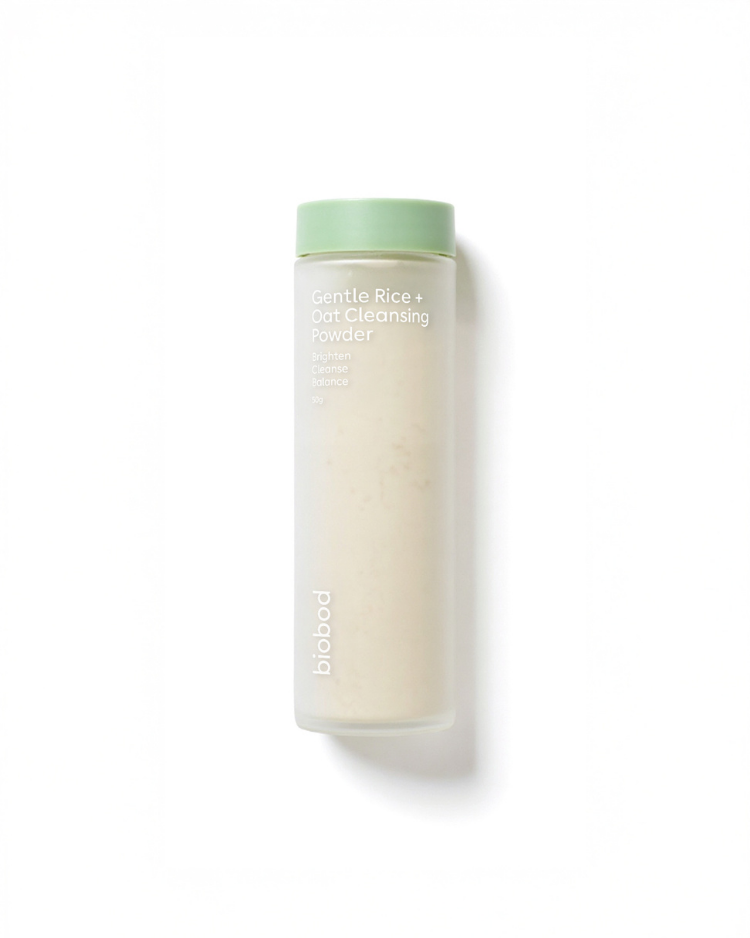
- Cleanse gently. Swap harsh or foaming cleansers for something non-stripping.
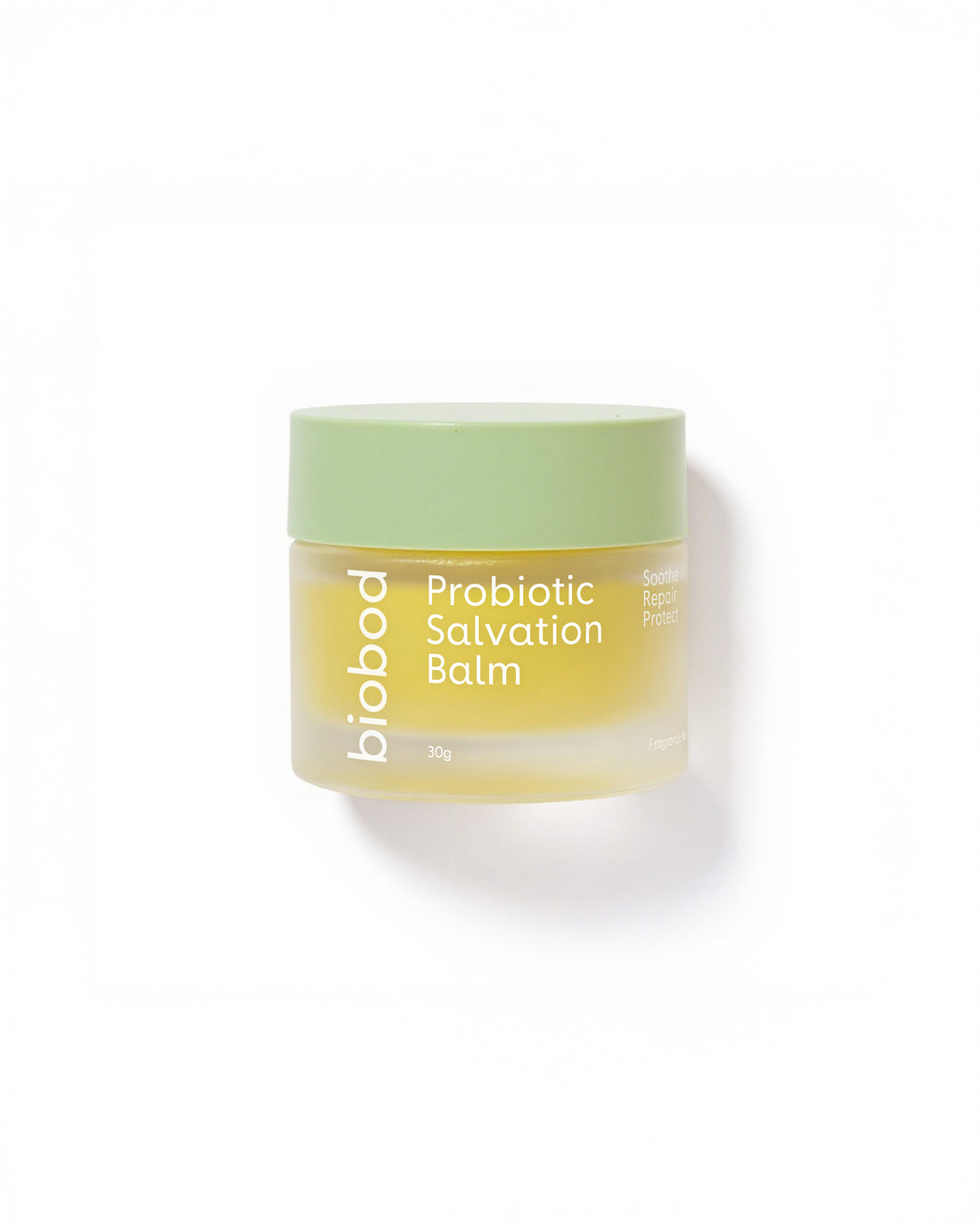
- Focus on hydration and barrier support. A hydrating serum plus a nourishing oil or balm to help skin feel more comfortable and seal in moisture.
- Protect during the day. Daily broad-spectrum SPF so skin is not fighting fresh UV.
- Give it time. Reintroduce actives slowly, one at a time, only once skin feels calm again. You can read more on how biobod formulas can help restore a damaged barrier's sense of comfort.
If your skin is severely inflamed, painful, weeping or not settling with gentler care, that is a signal to see a GP or dermatologist rather than persevering with skincare alone.
Recommended biobod products
Barrier support
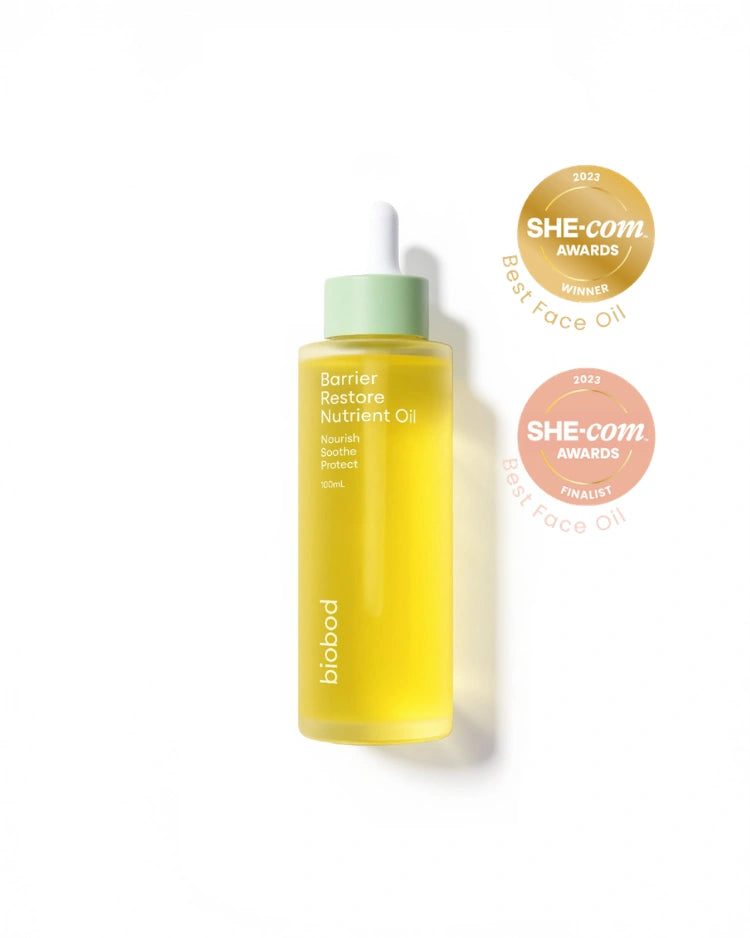
Barrier Restore Nutrient Oil

Best for: Skin that feels tight, stressed or in need of extra comfort.
A nourishing facial oil to help seal in hydration and keep skin feeling calm and supple.
Explore the Nutrient OilLightweight hydration
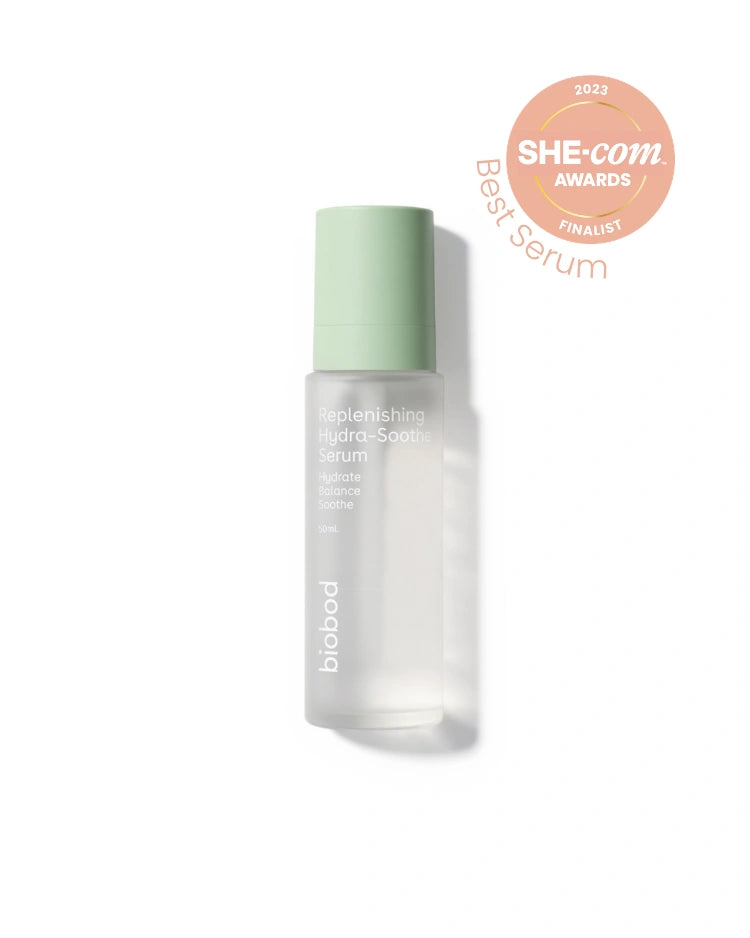
Replenishing Hydra-Soothe Serum

Best for: Dehydrated, tight or dull-looking skin that needs moisture.
A weightless, oil-free serum designed to replenish moisture without unnecessary fragrance.
Explore the Hydra-Soothe SerumGentle reset
Skin Reset System

Best for: Simplifying back to a gentle cleanse, hydrate and nourish routine.
A pared-back trio to cleanse, hydrate and nourish while skin settles.
Explore the Skin Reset SystemRelated reading
- How to Get Healthy Skin: The Complete Guide
- What Does Healthy Skin Look Like? Signs of Healthy Skin
- What Is the Skin Barrier and How You Can Protect It
- Restoring a Damaged Skin Barrier
- How to Hydrate Skin Properly
FAQs
What is the difference between healthy and damaged skin?
Healthy skin is comfortable, even-toned and resilient, and it holds onto hydration. Damaged skin usually means the barrier is compromised it feels tight or stingy, reacts easily, loses moisture and can look red, flaky or dull.
Is dry skin the same as damaged skin?
No. Dry skin is a skin type that produces less oil, and it can still be perfectly healthy if it is comfortable. Damaged skin has a compromised barrier and tends to sting, flush or react to products it used to tolerate.
What does sun-damaged skin look like?
Sun-damaged skin, from cumulative UV exposure, can look uneven in tone, feel rougher and show sun spots or pigmentation. Daily mineral sunscreen helps prevent further change, and any new or changing spot should be checked by a doctor.
How can healthy skin become damaged?
Most often through over-doing it: over-exfoliation, too many strong actives at once, harsh or over-cleansing, cumulative sun exposure and environmental stress like wind, heat and long hot showers.
Can damaged skin recover?
Skin is resilient. When you remove what is aggravating it and give it consistent, gentle support, a compromised barrier usually feels more comfortable over time. There is no overnight fix, and persistent or severe concerns should be seen by a professional.
How long does it take for skin to look healthier again?
It varies with the cause and how long it has been going on. Many people notice skin feels more comfortable within a couple of weeks of simplifying their routine, with visible changes in tone and texture building over several weeks.
Supporting stressed skin? Start gentle: Explore the Barrier Restore Nutrient Oil, Replenishing Hydra-Soothe Serum or the Skin Reset System.
References
- Cancer Council Australia — daily sun protection guidance and broad-spectrum SPF 30+ recommendation.
- Peer-reviewed dermatological literature on skin barrier function and transepidermal water loss.