
Postpartum skin issues can feel like a surprise, even if you expected the sleepless nights and the emotional rollercoaster. One day your skin is glowing, the next it is dry, reactive, breaking out, flushed, itchy, or suddenly not tolerating products you have used for years.
If this is you, you are not imagining it and you are not doing anything wrong. Postpartum skin changes are common because the months after birth involve major hormonal shifts, higher stress, less sleep, and a whole new nervous system baseline. Your skin is simply responding to a new internal environment.
At Biobod, we care for skin in a way that supports its foundations, the barrier, the microbiome, and the inflammatory response. That matters postpartum because the goal is not to chase perfection. It is to calm the skin, rebuild resilience, and make your routine feel simple again.
What are postpartum skin issues
Postpartum skin issues are changes in the skin that can happen after giving birth, including dryness, dehydration, sensitivity, redness, breakouts, pigmentation, itching, and flare-ups of eczema or rosacea. They are often linked to hormonal shifts, stress, sleep deprivation, and barrier disruption.
Why postpartum skin changes happen
Postpartum skin is not just about skincare. It is biology.
After birth, hormones like estrogen and progesterone drop quickly. Cortisol can run higher, sleep is disrupted, and the nervous system is often in a state of alert. Breastfeeding can also influence hydration and the way the body distributes nutrients. All of this impacts the barrier and the microbiome, the two systems that help skin stay calm.
When these systems are stressed, your skin can become reactive, dry, inflamed, or congested.
The most common postpartum skin issues
1. Dryness and dehydration
Postpartum dryness can feel like tightness, flaking, rough texture, or makeup sitting oddly on the skin. Dehydration can look like dullness, fine lines that appear suddenly, and skin that feels dry but also gets oily in patches.
This is a barrier issue first and a hydration issue second.
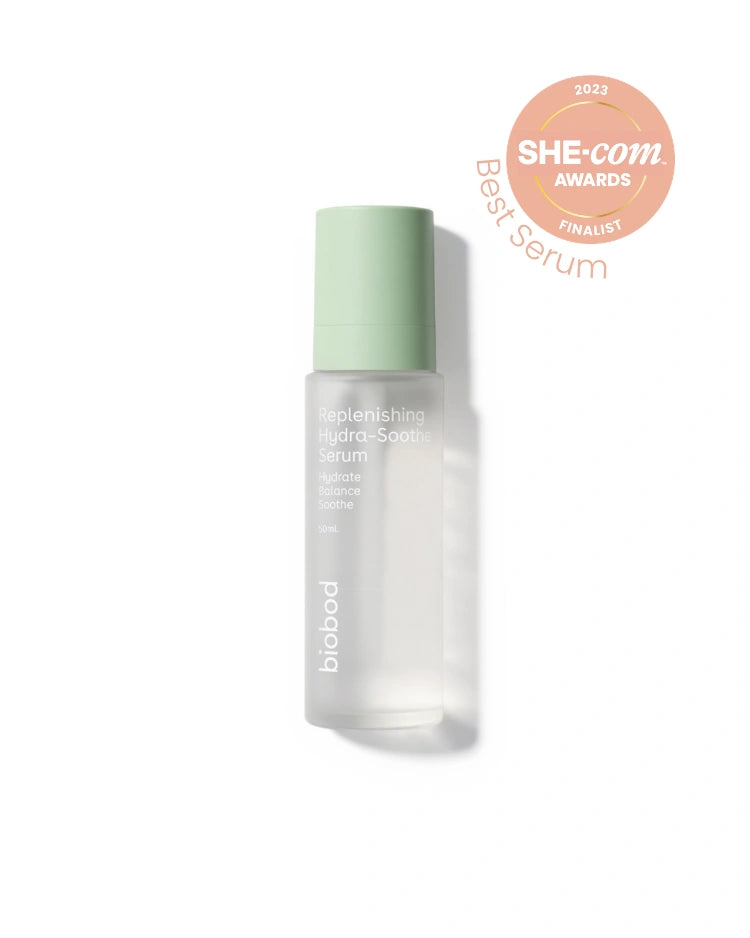
The Replenishing Hydra-Soothe Serum is your first support step because it hydrates while calming reactivity. Glycerin, sodium PCA, and sodium hyaluronate pull in water. Betaine, allantoin, Centella Asiatica, aloe and green tea help settle visible stress. Inulin prebiotic and lactic acid postbiotic support the microbiome so hydration actually holds.

2. Sudden sensitivity and stinging
Many women notice postpartum skin sensitivity even if they never had it before. Products may sting. Water may feel irritating. You might react to fragrance, actives, heat, or sweat more than usual.
This often happens when the barrier is compromised and nerve endings are more exposed.
A gentle cleanser becomes non negotiable. The Calming Balance Cleanse Bar is a soap free soap bar designed to cleanse without stripping. It uses mild surfactants, glycerin, oats, shea butter, Centella and licorice root plus a postbiotic to help calm and support skin after cleansing.

3. Postpartum breakouts and congestion
Hormonal shifts can trigger acne-like breakouts, especially around the jawline, chin, and cheeks. You might also experience tiny bumps, clogged pores, or inflamed pimples that linger longer than they used to.
This is where many people reach for harsh actives, but postpartum skin usually responds better to calming and balancing first.
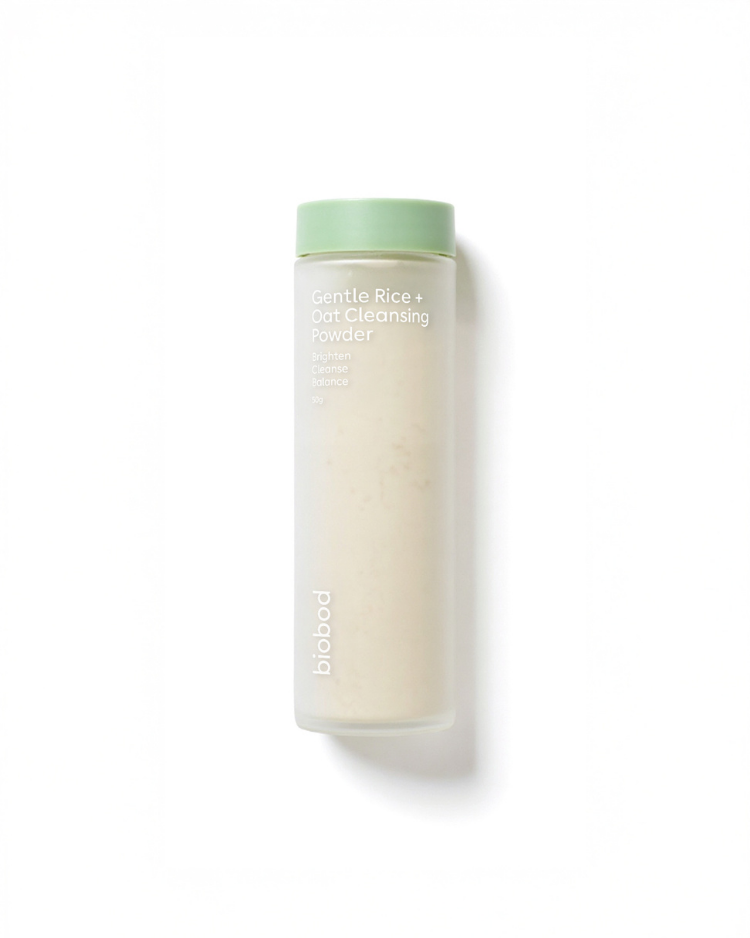
The Gentle Rice & Oat Cleansing Powder is a beautiful option here because it cleanses and gently refines without aggressive exfoliation. Oat kernel flour, rice bran and soft clays lift buildup, while inulin prebiotic and lactic acid postbiotic help support a calmer microbiome environment. It is the kind of exfoliation that respects sensitive skin.

Shop here: Gentle Rice & Oat Cleansing Powder
4. Redness, flushing and heaty skin
Postpartum skin can flush easily from stress, temperature changes, hormonal swings, or a barrier that cannot regulate inflammation well.
This is where routine simplicity matters. The more calm your routine, the more calm the skin can become.
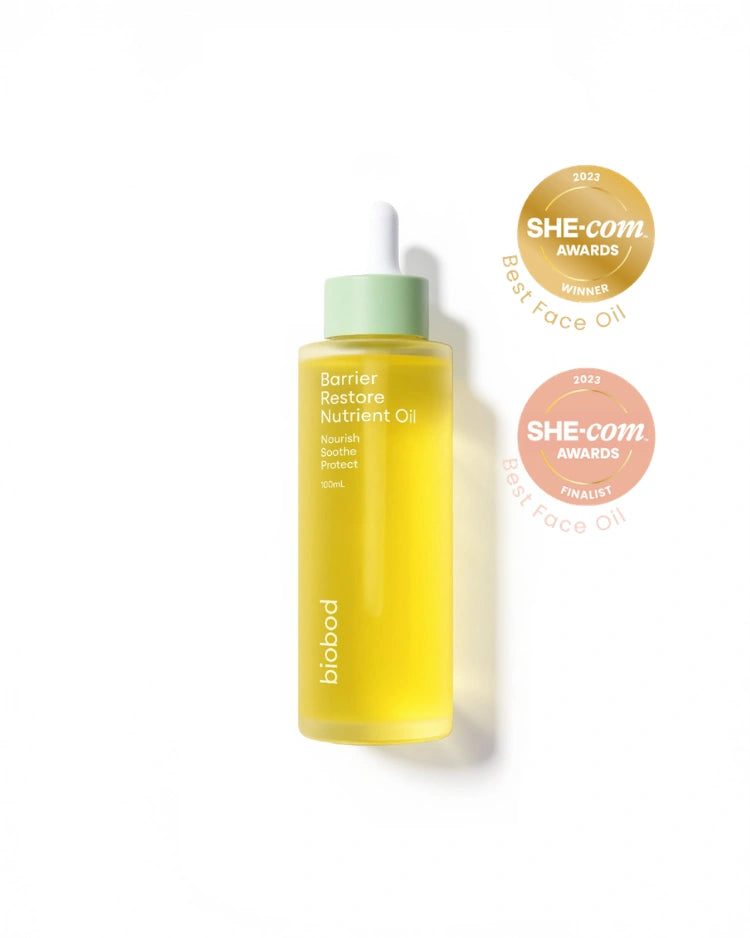
The hydration and calming botanicals in Replenishing Hydra-Soothe Serum pair perfectly with lipid support from Barrier Restore Nutrient Oil to reduce water loss and strengthen tolerance.

Shop here: Barrier Restore Nutrient
5. Rough texture and that dull tired look
Sleep loss shows up on the skin. Circulation changes, inflammation rises, and the skin can look flat, tired, and textured.
This is where a barrier-supportive glow approach works better than intense actives.
The Barrier Restore Nutrient Oil uses plant-based squalane and a blend of skin-loving oils to mimic what the skin naturally needs to feel soft and elastic. Think of it as replenishing what stress and hormones can deplete. It is also a beautiful buffer for skin that is reacting easily.
A simple postpartum routine for sensitive, reactive, changing skin
A simple postpartum routine includes gentle cleansing, daily hydration, lipid replenishment, and targeted repair. Avoid fragrance and harsh actives, patch test new products, and prioritise consistent barrier support.

Shop here: Skin Reset System
Step 1 cleanse without stripping
Choose one cleanser and stick with it.
Option A, daily calm
-
Calming Balance Cleanse Bar as a soap free soap bar for gentle cleansing and barrier support
Option B, when you want gentle refining too
-
Gentle Rice & Oat Cleansing Powder for a soft cleanse that also helps with congestion and dullness without stressing the skin
If your skin is extremely reactive, cleanse once daily at night and rinse with lukewarm water in the morning.
Step 2 hydrate and calm every single day
Postpartum skin loves hydration that also reduces inflammation.
Use Replenishing Hydra-Soothe Serum morning and night. This is where you get the calming benefits of Centella and aloe, the hydration pull of humectants, and microbiome support from prebiotics and postbiotics.
For anyone struggling with stinging, apply to slightly damp skin and keep the layer light. Consistency is the win here.
Step 3 lock it in with skin-identical lipids
If your skin feels dry, tight, or easily inflamed, sealing hydration with lipids can change everything.
Press in a few drops of Barrier Restore Nutrient Oil after your serum. Squalane, jojoba, hemp, grape seed and meadowfoam support the skin’s lipid barrier, reducing water loss and improving comfort.
This can be your night step, or both morning and night if your skin is very dry.
Step 4 targeted repair for you and baby
The postpartum season comes with dry patches, irritated areas, chafing, friction, and skin that needs a little extra protection.
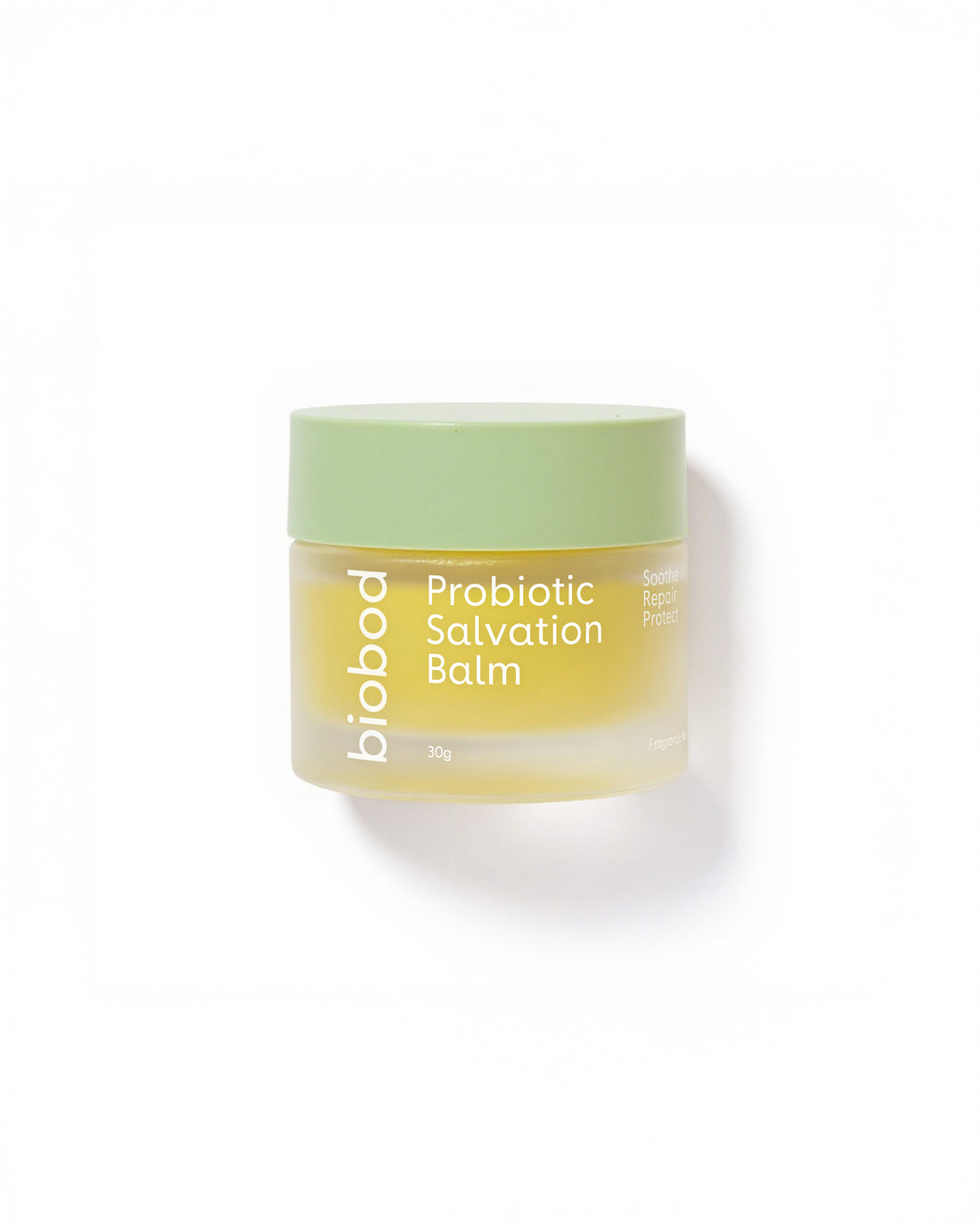
The Probiotic Salvation Balm is your multipurpose support step. It can be used on areas of compromised skin, dryness, wind burn, cracked skin, or barrier stress. It is also one of those rare products that can be a household staple, because many parents use it in small amounts for baby dry patches too.
Because every baby is different, keep it simple:
- patch test first
- avoid applying to broken or weeping skin
- if a rash persists, check in with your GP or maternal health nurse

Shop here: Probiotic Salvation Balm
What ingredients should you avoid postpartum
If you are postpartum, breastfeeding, or your skin is reactive, avoid products that commonly irritate or overload the barrier such as fragrance, essential oils, harsh exfoliants, and strong active routines. Always read the ingredient list and check with your healthcare provider if unsure.
Biobod is made without aluminium, salicylic acid, DEA, DHA, formaldehyde, urea, hydroquinone, parabens, fragrance, essential oils, retinoids, thioglycolic acid, toluene, triclosan and oxybenzone.
When to see a doctor for postpartum skin issues
See a healthcare professional if
- your skin is cracked, weeping, or appears infected
- redness is spreading or hot to the touch
- you have severe itch, swelling, or hives
- acne is painful, cystic, or scarring
- you suspect eczema, dermatitis, or rosacea that needs medical support
- you feel unsure, overwhelmed, or symptoms are escalating
You deserve support and you do not have to guess.
Postpartum skin issues are common, real, and deeply connected to what your body is moving through. Your skin is not failing. It is adapting.
A gentle consistent routine that supports the barrier and microbiome can help your skin feel calm again, often faster than you expect.
If you want the simplest place to start
- cleanse gently with the Calming Balance Cleanse Bar or Gentle Rice & Oat Cleansing Powder
- hydrate daily with Replenishing Hydra-Soothe Serum
- nourish and protect with Barrier Restore Nutrient Oil
- repair anything stressed with Probiotic Salvation Balm for you and for baby dry patches when appropriate
A quick note on safety and medical advice
This article is general information only and is not medical advice. If you are unsure, if symptoms are worsening, or if you suspect an infection, allergy, eczema flare, rosacea, or hormonal condition, please see a qualified medical professional.
Yes, the entire Biobod range is safe to use during pregnancy and breastfeeding. If you have any concerns, we always recommend speaking to your healthcare provider.
We also recommend reading the full ingredient list and patch testing if your skin is highly reactive.
For reference, our range is free from aluminium, salicylic acid, diethanolamine (DEA), dihydroxyacetone (DHA), formaldehyde, urea, hydroquinone, parabens, fragrance, essential oils, retinoids, thioglycolic acid, toluene, triclosan and oxybenzone.