
Quick Answer: What Is the Best Serum for Redness?
The best serum for redness is a lightweight, water-based formula that hydrates while calming irritation. Look for ingredients like centella asiatica, aloe vera, green tea, and hyaluronic acid, and avoid heavy oils or harsh actives that can worsen sensitivity.
Why Skin Becomes Red and Irritated
Redness is your skin’s way of telling you something is out of balance. It’s not something to fight, but something to understand.
In most cases, redness is linked to three core issues: dehydration, barrier damage, and microbiome imbalance.
When these systems are disrupted, your skin becomes more reactive, more sensitive, and more prone to visible redness.
Common Causes of Redness
- Over-exfoliation
- Using too many active ingredients
- Harsh or stripping cleansers
- Sun exposure
- Environmental stress
- Dehydration
If your skin suddenly feels reactive or uncomfortable, it’s often a sign your barrier needs support.
Learn more here: skin barrier repair.
Different Types of Redness
Dehydration-Related Redness
This type of redness often comes with tightness and dullness. When skin lacks water, it becomes more reactive and prone to irritation.
Barrier Damage Redness
This appears as persistent irritation, sensitivity, and sometimes stinging. It’s often caused by overuse of actives or harsh products.
Environmentally Triggered Redness
Sun, wind, and pollution can all stress the skin, leading to temporary or ongoing redness.
Understanding the type of redness helps you choose the right approach.
How Hydration Helps Reduce Redness
Hydration is one of the most effective ways to calm irritated skin.
When skin is properly hydrated, it becomes more flexible, less reactive, and better able to repair itself.
Applying a hydrating serum for sensitive skin to damp skin helps restore water levels while soothing irritation.
Learn the full method here: how to hydrate skin properly.

Best Ingredients for Redness and Irritated Skin (And Why They Work)
Centella Asiatica
Centella is known for its ability to calm inflammation and support skin repair. It helps reduce visible redness while strengthening the skin barrier over time.
Aloe Vera
Aloe provides immediate soothing relief. It cools the skin, reduces discomfort, and delivers lightweight hydration without clogging pores.
Green Tea
Rich in antioxidants, green tea helps protect the skin from environmental stress while calming inflammation.
Hyaluronic Acid
This powerful humectant draws water into the skin, improving hydration and reducing tightness, which often contributes to redness.
Sodium PCA
A natural component of the skin’s hydration system, sodium PCA helps maintain moisture balance and improve skin comfort.
Glycerin
Glycerin attracts water into the skin and helps maintain hydration levels, supporting overall skin resilience.
Allantoin
Known for its soothing properties, allantoin helps calm irritation and support skin recovery.
Prebiotics and Postbiotics
These ingredients help support the skin’s microbiome, reducing sensitivity and improving long-term balance.
Learn more here: skin microbiome explained.
Ingredients to Avoid If Your Skin Is Red or Irritated
Fragrance and Essential Oils
These can be sensitising, especially for already reactive skin, and may trigger further irritation.
Strong Exfoliating Acids (AHAs/BHAs)
While beneficial in some routines, overuse can weaken the skin barrier and increase redness.
Alcohol (Denatured Alcohol)
Can be drying and stripping, making already sensitive skin more reactive.
Heavy Oils in Early Steps
Applying heavy oils before hydration can trap heat and prevent water-based ingredients from penetrating effectively.
Overly Complex Formulas
Too many active ingredients can overwhelm the skin and disrupt its natural balance.
When your skin is irritated, simplicity is key.
How to Build a Routine for Redness-Prone Skin
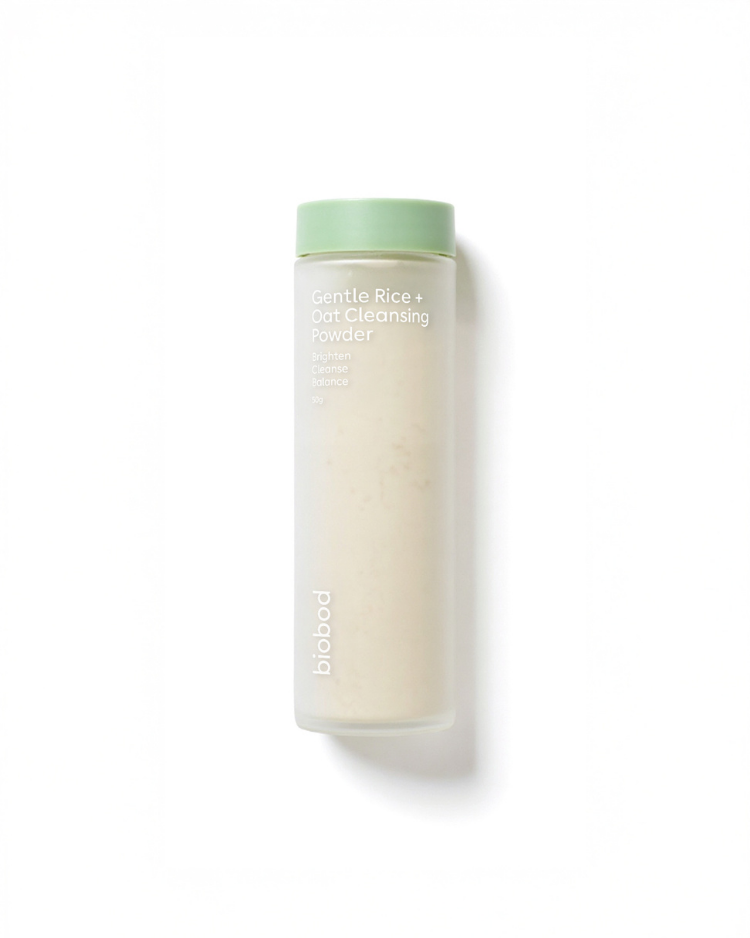
Step 1: Gentle Cleanse
Use a non-stripping cleanser that respects your skin’s natural balance. Like our:

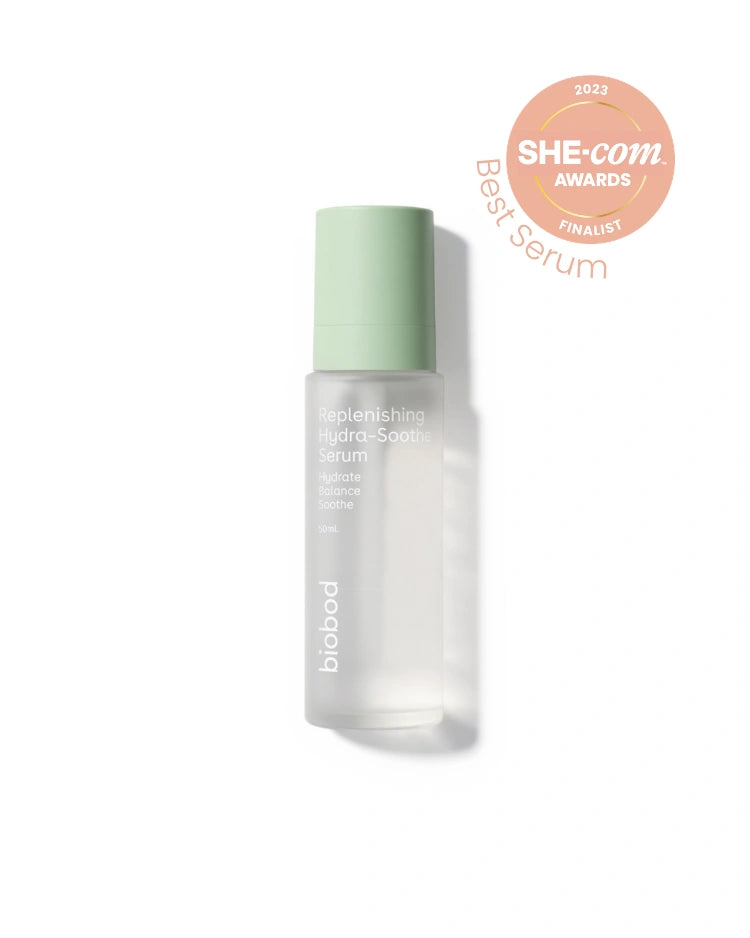
Step 2: Hydrate
Apply a lightweight hydrating serum to damp skin to calm irritation and restore hydration.
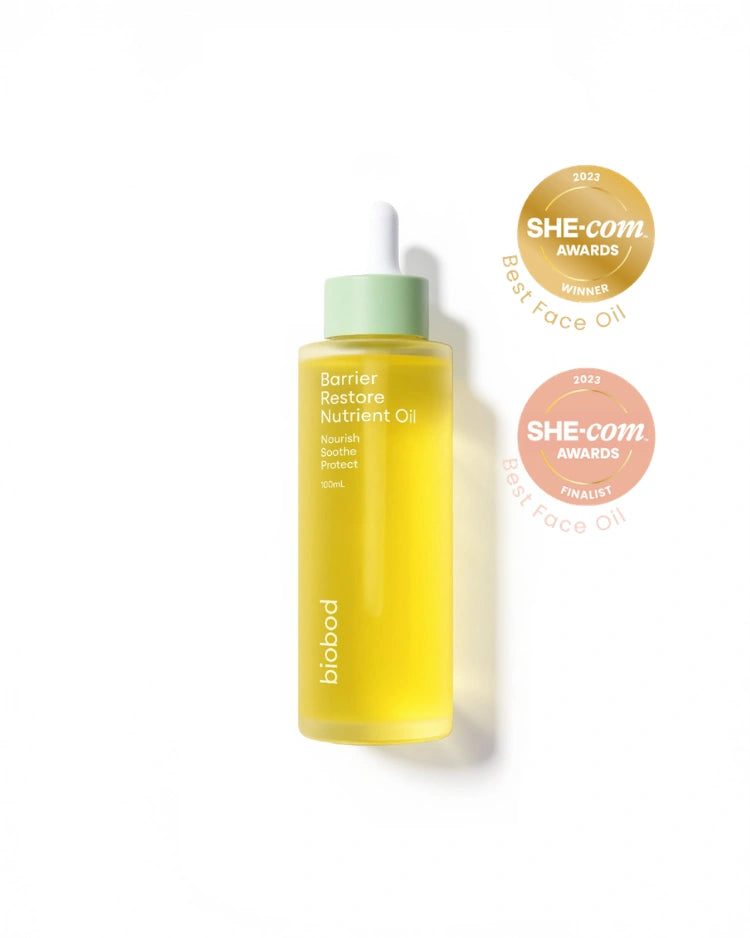
Step 3: Seal
Follow with a nourishing oil to protect the skin and prevent moisture loss.
Explore our Barrier Restore Nutrient Oil.
Step 4: Keep It Consistent
Consistency allows your skin to stabilise and rebuild over time.
Lightweight Serums Work Better for Redness
Heavy formulas can trap heat and overwhelm sensitive skin. Lightweight, water-based serums allow the skin to breathe while delivering hydration where it’s needed.
This makes them ideal for calming redness and supporting recovery.
The Role of the Microbiome in Redness
A disrupted microbiome can increase inflammation and sensitivity.
Supporting this ecosystem helps reduce redness and improve resilience over time.
Explore more: skin microbiome explained.
Common Mistakes That Make Redness Worse
- Using too many active ingredients
- Skipping hydration
- Over-cleansing
- Changing products too frequently
- Ignoring early signs of irritation
How Long Does It Take to Calm Redness?
With the right routine, you may notice improvements within a few days, with more significant results over 2–4 weeks.
Long-term consistency is what creates lasting results.
Redness Myths That Are Holding You Back
Myth: You need strong actives to fix redness
In most cases, redness improves with calming and hydrating products, not stronger actives.
Myth: Oils alone will fix irritated skin
Oils seal hydration but do not provide it. Hydration must come first.
Myth: Sensitive skin should avoid all ingredients
It’s not about avoiding everything, but choosing ingredients that support rather than disrupt your skin.
How to Tell If Your Skin Is Improving
- Redness becomes less visible
- Skin feels more comfortable
- Reactivity decreases
- Texture improves
- Skin looks calmer and more even
Final Thoughts: Calm Skin Starts With Balance
Redness is not something to fight aggressively. It’s something to support gently.
When you focus on hydration, barrier repair, and microbiome balance, your skin naturally begins to calm, strengthen, and restore itself.
FAQs
What serum is best for redness?
A lightweight, water-based serum with soothing and hydrating ingredients is best for redness.
Can dehydration cause redness?
Yes. Dehydrated skin is more reactive and prone to redness.
How do I calm irritated skin fast?
Use gentle, hydrating products and avoid harsh ingredients.
Is hyaluronic acid good for redness?
Yes. It helps hydrate the skin and reduce tightness, improving comfort.