
Shea butter for acne is often misunderstood. While many assume it will clog pores and worsen breakouts, the reality is more nuanced. For some skin types, especially those dealing with dryness, irritation, or a compromised barrier, shea butter can actually help reduce breakouts rather than cause them.
The key lies in understanding what your acne is really driven by, and how ingredients like shea butter interact with your skin.
Shea butter for acne is often misunderstood. While many assume it will clog pores and worsen breakouts, the reality is more nuanced. For some skin types, especially those dealing with dryness, irritation, or a compromised barrier, shea butter can actually help reduce breakouts rather than cause them.
If you're new to this ingredient, it helps to first understand its full role in skin health — read our guide on the benefits of shea butter for skin.
Is shea butter good for acne?
Shea butter can be beneficial for acne-prone skin, particularly when breakouts are linked to dehydration, inflammation, or barrier damage.
- Helps calm inflammation and redness
- Supports repair of a weakened skin barrier
- Prevents over-drying caused by harsh treatments
- Can reduce irritation-related breakouts
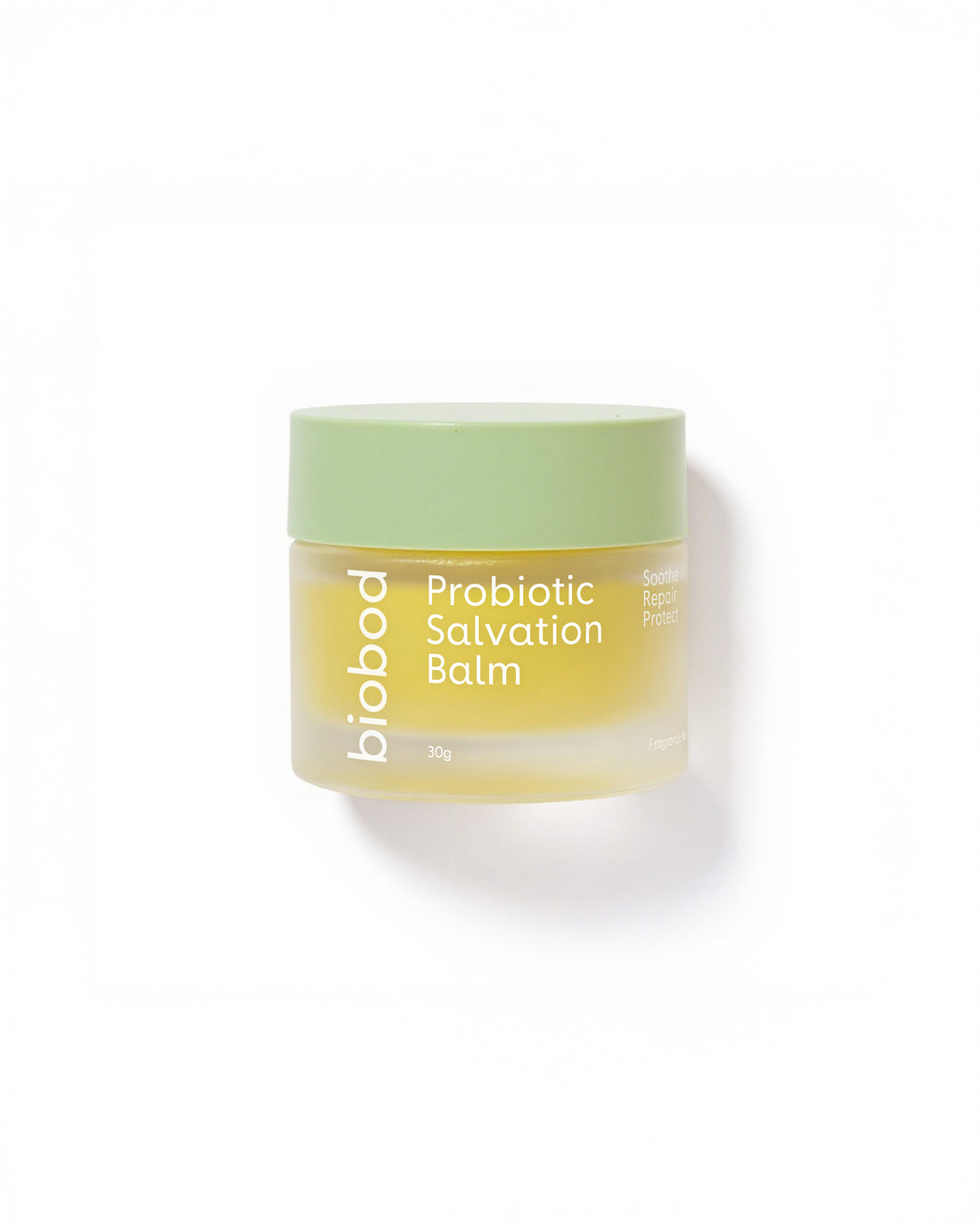
However, it is not suitable for everyone. Shea butter is moderately comedogenic, meaning it may clog pores for some individuals, especially if used in excess or on already congested skin.
Why acne is not just about oil
One of the biggest misconceptions around acne is that it is purely caused by excess oil. In reality, many breakouts are driven by inflammation, irritation, and an impaired skin barrier.
Over-cleansing, harsh exfoliants, and stripping products can weaken the skin, leading to increased sensitivity and more frequent breakouts.
In these cases, adding back nourishing, barrier-supporting ingredients like shea butter can help rebalance the skin and reduce flare-ups over time.
Does shea butter clog pores?
Shea butter has a moderate comedogenic rating, which means it has the potential to clog pores for some people but not all.
Whether it causes breakouts depends on several factors:
- Your skin type (oily vs dry vs combination)
- How much you apply
- What other products you are using
- The overall condition of your skin barrier
For dry or sensitive acne-prone skin, it is often well tolerated. For very oily or congestion-prone skin, it may feel too heavy.
When shea butter can help acne
When your skin is dehydrated
Dehydrated skin can overproduce oil to compensate, leading to clogged pores. Shea butter helps prevent moisture loss, supporting balance.
When your barrier is compromised
If your skin feels tight, irritated, or reactive, it is likely your barrier needs support. Shea butter helps reinforce this barrier, reducing inflammation-driven breakouts.
When using strong actives
Ingredients like exfoliating acids or acne treatments can dry out the skin. Shea butter can help buffer this effect when used correctly.
When shea butter may make acne worse
If your skin is very oily or congested
Heavier textures may sit on the skin and contribute to congestion if your skin is already producing excess oil.
If you are using too much
Applying large amounts can overwhelm the skin and increase the likelihood of clogged pores.
If it is used incorrectly
Applying shea butter to dry, unhydrated skin or layering it improperly can reduce its effectiveness and lead to imbalance.
How to use shea butter for acne-prone skin
Apply after hydration
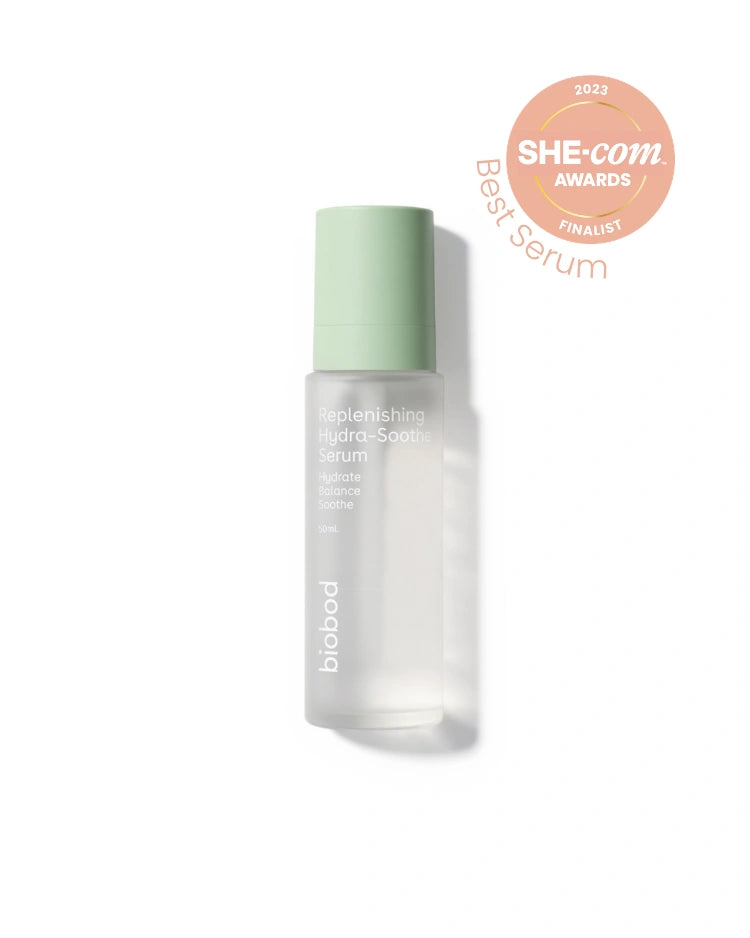
Always use shea butter after applying a hydrating product such as a serum. It works by sealing in moisture, not replacing it.
Use a small amount
Start with a pea-sized amount and adjust based on how your skin responds.
Focus on targeted areas
Apply to dry, irritated, or inflamed areas rather than the entire face if you are prone to congestion.
Use at night
Evening application allows the skin to repair overnight without interference from environmental factors.
Find it in:

Better alternatives for acne-prone skin
If shea butter feels too heavy for your skin, lighter ingredients may offer similar benefits without the weight.
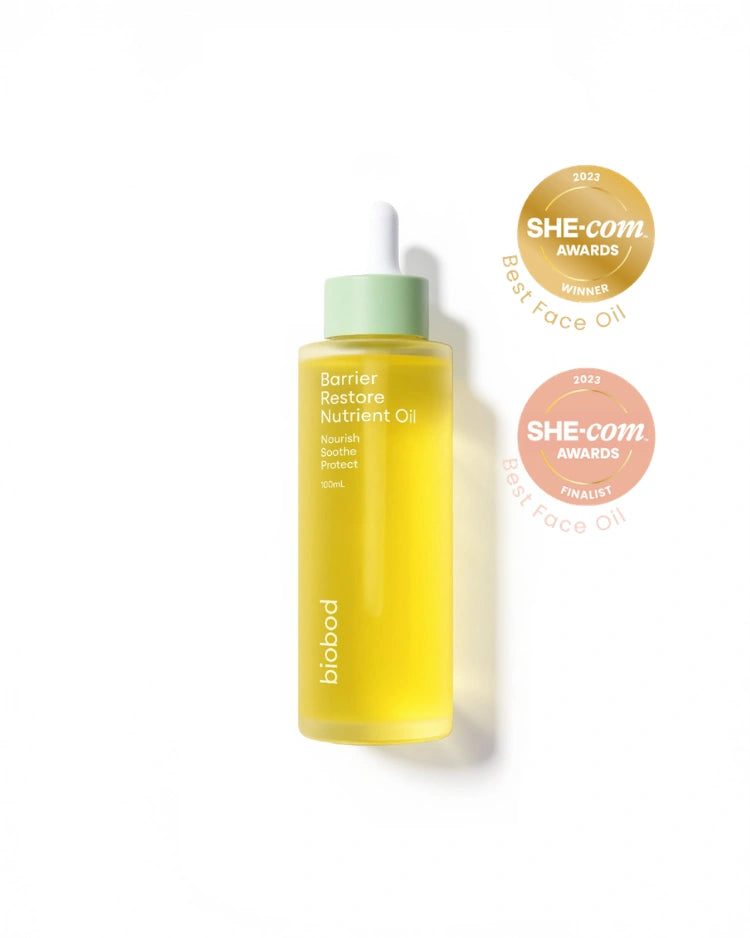
Ingredients like squalane and omega-rich plant oils provide barrier support while remaining breathable and non-comedogenic.
These alternatives can help maintain hydration and reduce irritation without contributing to congestion.
Find it in:

A balanced approach to acne-prone skin
Rather than focusing on removing oil completely, a more effective approach is to support the skin barrier and reduce inflammation.
When the skin is balanced, it is less likely to overproduce oil or react with breakouts.
This is where gentle, barrier-supporting routines make the biggest difference, especially for sensitive or reactive skin types.
If you are unsure whether shea butter is right for your skin, starting with lighter formulations or incorporating it gradually can help you assess how your skin responds.
Frequently asked questions
Is shea butter safe for acne-prone skin?
Yes, for some skin types. It can help calm inflammation and support the skin barrier, but may not suit very oily or congested skin.
Can shea butter clog pores?
It can for some people, especially if used in excess. Using small amounts and applying correctly can reduce this risk.
Should I use shea butter if I have acne?
If your acne is linked to dryness or irritation, it may help. If your skin is very oily, lighter alternatives may be better.
How often should I use shea butter for acne?
Start with once daily, preferably at night, and adjust based on your skin’s response.
What is better than shea butter for acne?
Lighter oils such as squalane or formulations designed for acne-prone skin may provide similar benefits with less risk of congestion.