
Last updated: September 2026 · Estimated reading time: 8 minutes
By Natalie, Founder of biobod
Once your skin has settled down and you're ready to bring actives back, the question isn't just "which one first." It's "on which nights, and how far apart."
That's what skin cycling solves. It's a simple rotation that gives each active its own night, with recovery nights built in between, so your skin never processes more than one strong ingredient at a time.
This guide assumes your skin is already back to a comfortable, settled baseline. If you're still working out whether your skin has recovered enough to start, our guide to how long skin takes to recover from too many actives covers the signs to look for first.
A skin cycling schedule for reintroducing actives after irritation typically spreads exfoliating acids, retinol and recovery nights across a four-night rotation: one night for acid, one for retinol, and two nights of hydration-only recovery in between. Start with the lowest-strength version of each active, keep every other step in your routine simple, and stay on the rotation for at least two to three weeks before considering more frequent use.
Key takeaways
- Skin cycling spaces out actives so your skin only processes one strong ingredient at a time.
- A basic four-night rotation: acid night, retinol night, recovery night, recovery night, repeat.
- Start with the lowest-strength version of each active and the shortest reasonable application time.
- Recovery nights aren't optional. They're where your barrier actually does its repair work.
- Slow down or step back to the rotation's recovery-only version at the first sign of stinging or redness.
Table of contents
- What skin cycling actually is
- The four-night schedule
- What strength to start at
- What to do on recovery nights
- How to adjust if your skin reacts
- Recommended biobod products
- FAQs
What skin cycling actually is
Skin cycling is a rotation-based approach to using actives: instead of applying retinol and acids every night, you give each one its own dedicated night and space recovery nights in between.
For skin that's recently recovered from irritation, this matters more than usual. Your barrier has just proven it can be overwhelmed by too much, too often. A cycling schedule builds in the recovery time your skin needs to actually tolerate actives long-term, rather than repeating the pattern that caused the irritation in the first place.
This is a tactical schedule, not a full reintroduction philosophy. For the broader signs your skin is ready and the general one-product-at-a-time approach, see our guide to recovery timelines from over-actived skin.
The four-night schedule
A simple, well-tolerated starting rotation looks like this:
- Night 1: Exfoliating acid. A low-strength AHA or BHA, applied once.
- Night 2: Retinol. A low-strength retinol, applied once.
- Night 3: Recovery. No actives. Hydration and barrier-supportive care only.
- Night 4: Recovery. No actives. Same as night 3.
Repeat the cycle from night 1. That gives your skin two full recovery nights between any two actives, and means you're never using more than one active on any given night.
If even this feels like too much once you try it, that's useful information, not a failure. Stretch the recovery block out further, for example acid, recovery, recovery, retinol, recovery, recovery, before tightening the rotation back up.
What strength to start at
The rotation only works if each individual step is genuinely gentle. A few guidelines for restarting:
- Choose the lowest available strength of both your acid and your retinol, even if you tolerated something stronger before your skin flared up.
- Apply a thinner layer than you think you need. You can always increase the amount over future weeks.
- Don't layer additional actives on top, such as vitamin C on an acid night. One active per night is the whole point.
- Keep everything else in your routine simple on active nights: a gentle cleanser and a basic moisturiser is enough.
Think of the first two to three weeks on the rotation as a reintroduction test, not your long-term routine. You can build from here once your skin proves it's tolerating this level well.
What to do on recovery nights
Recovery nights aren't a gap in your routine. They're doing real work.
- Cleanse gently, without any exfoliating or foaming cleanser that could compound the actives from the night before.
- Hydrate with a simple serum, ideally one without added actives.
- Support your barrier with a moisturising step that helps your skin hold onto that hydration.
- Skip anything "active" entirely, including exfoliating tools, even a gentle one.
If your skin still feels tight, stings, or looks flushed on a recovery night, that's a sign to stay on recovery-only care for longer before returning to the rotation.
How to adjust if your skin reacts
A cycling schedule is a starting point, not a fixed rule. Adjust based on what your skin tells you:
- Mild tightness or occasional redness: stay on the same rotation, but confirm you're using the lowest strength and a thin layer.
- Stinging or persistent redness after an active night: drop that active from the rotation for a week and add an extra recovery night in its place.
- Reaction that doesn't settle within a day or two: pause both actives entirely and go back to a simple, active-free routine until your skin is fully comfortable again.
- Severe, painful or worsening reactions: this isn't something to schedule around. Speak with a healthcare professional.
There's no prize for cycling faster than your skin can handle. A slower rotation that your skin actually tolerates beats a faster one that puts you back where you started.
Recommended biobod products
|
Skin Reset System
A structured system to support your skin through reintroducing actives. Shop now |
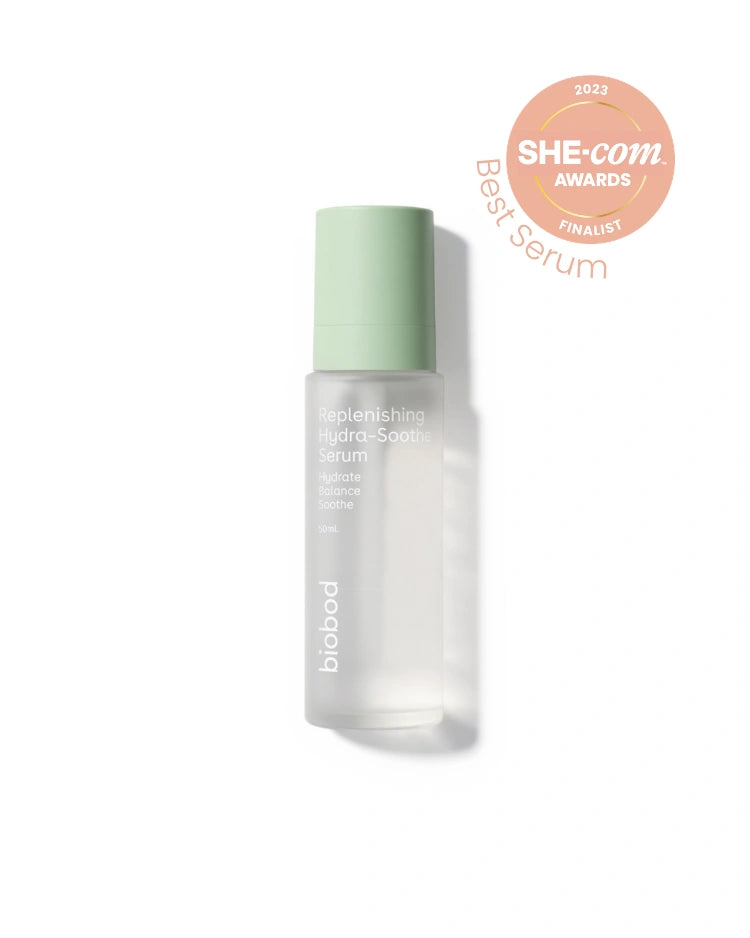
Replenishing Hydra-Soothe Serum
A simple hydrating step for recovery nights. Shop now |
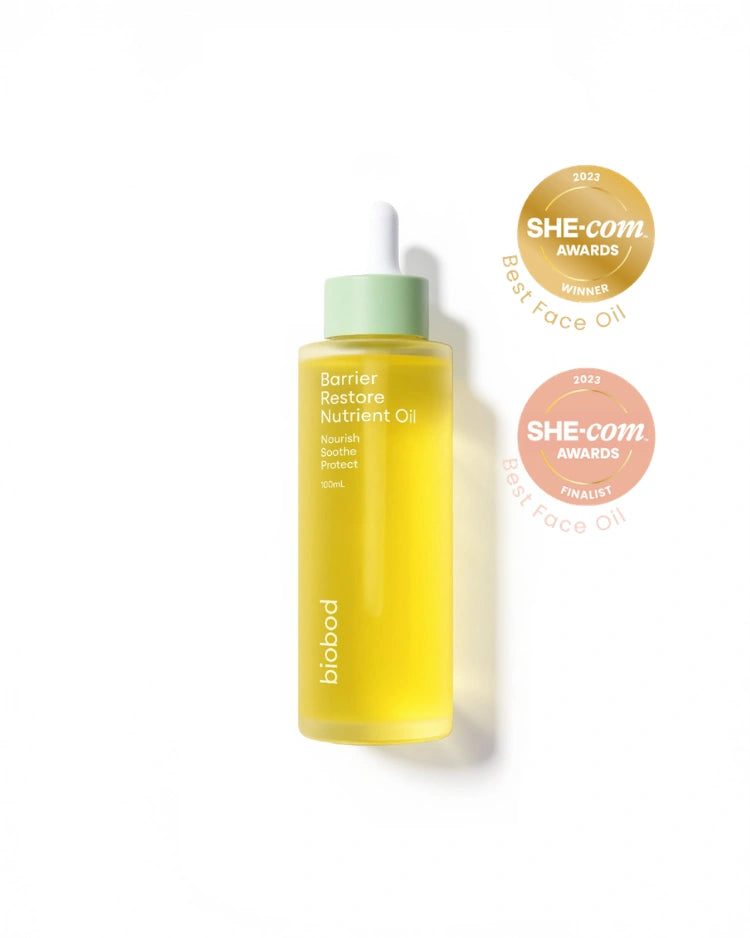
Barrier Restore Nutrient Oil
A barrier-supportive seal-in step for recovery nights. Shop now |


Related reading
- Skin Irritated From Too Many Actives? How to Calm It Down
- How Long Does Skin Take to Recover From Too Many Actives?
- How to Build a Minimalist Skincare Routine (and Stop Overloading Your Skin)
- Ingredients to Avoid When Your Skin Is Already Irritated From Actives
FAQs
What is a good skin cycling schedule after irritation?
A simple four-night rotation works well: one night for a low-strength exfoliating acid, one night for a low-strength retinol, then two recovery nights with hydration and barrier support only, before repeating.
How do I reintroduce active ingredients safely after irritation?
Start with the lowest available strength of each active, apply a thin layer, use only one active per night, and space actives apart with dedicated recovery nights so your skin isn't processing more than one strong ingredient at once.
How long should I stay on a skin cycling routine before increasing frequency?
At least two to three weeks on a gentle rotation, and only once your skin has shown it's comfortable at that level, with no stinging, tightness or ongoing redness.
Can I use retinol and acids on the same night if my skin has recovered?
It's best to keep them on separate nights, especially while your skin is still proving it can tolerate each one individually. Layering both increases the chance of tipping back into irritation.
What should I do on recovery nights in a skin cycling routine?
Keep it simple: a gentle cleanser, a basic hydrating serum and a barrier-supportive moisturiser. No actives, exfoliants or exfoliating tools.
Reintroducing actives and want a simple system to support it?
The Skin Reset System is built to support your skin through exactly this stage, so your recovery nights are doing real work.
Explore the Skin Reset SystemThis article provides general educational information and is not medical advice. If you experience severe, painful, persistent or worsening irritation, speak with a qualified healthcare professional.