
Last updated: September 2026 · Estimated reading time: 8 minutes
By Natalie, Founder of biobod
Your skin is already stinging, tight or flaking, and the last thing you want to do is make it worse by accident.
The problem is that a lot of what's sitting in your bathroom cabinet right now was probably fine on its own. It's the combination, or the fact your barrier is already compromised, that's turned "usually okay" into "actively bothering me."
This guide walks through what to pause while your skin settles, what to look out for on ingredient labels, and what's usually still safe to keep using.
While your skin is irritated from too many actives, pause retinoids, exfoliating acids, vitamin C treatments, physical scrubs and peels. Also watch for fragrance, essential oils, denatured alcohol and harsh sulphates, which can bother skin even when they weren't the original trigger. Gentle cleansing, simple hydration and sunscreen can usually stay in your routine if your skin tolerates them.
Key takeaways
- An ingredient your skin tolerated for months can start bothering it once your barrier is compromised.
- Pause retinoids, AHA/BHA acids, vitamin C treatments, scrubs and peels first.
- Fragrance, essential oils and denatured alcohol are common secondary irritants worth checking for.
- You don't need to strip your routine to nothing. Gentle cleansing, simple hydration and sunscreen usually stay.
- "Free from" claims can be misleading. Check the actual ingredient list, not just the front of the packaging.
- Severe, painful or worsening reactions need a healthcare professional, not a different product.
Table of contents
- Why ingredients you tolerated before can suddenly bother you
- Actives to pause first
- Ingredients that quietly make things worse
- What about retinol burn specifically?
- What's usually still fine to keep
- How to read a label when your skin is reactive
- Recommended biobod products
- FAQs
Editorial note: this guide covers general, cosmetic-level guidance for mild irritation associated with overusing skincare actives. It isn't intended to diagnose or treat an allergic reaction, dermatitis, chemical burn or other medical skin condition. If your skin is significantly swollen, blistered, weeping or getting worse, speak with a doctor or pharmacist. Our guide to skin irritation vs an allergic reaction explains when that line matters.
Why ingredients you tolerated before can suddenly bother you
Your skin barrier is what decides how much of an ingredient actually reaches your living skin cells, and how much stays on the surface where it belongs.
When that barrier is compromised, from over-exfoliation, layering too many actives or simply using your routine too often, ingredients can penetrate more easily and sit against more sensitive tissue than usual. A serum that felt completely fine a month ago can suddenly sting.
This doesn't necessarily mean you've developed a new allergy. It often just means your skin is asking for less, for now.
Actives to pause first
These are the ingredients most likely to be contributing to irritation, and the ones worth pausing while your skin settles:
- Retinoids and retinol. Even a formula your skin has used for months can become uncomfortable once the barrier is compromised.
- AHA exfoliating acids such as glycolic and lactic acid.
- BHA exfoliants such as salicylic acid.
- Vitamin C treatments, particularly higher-strength serums.
- Physical scrubs and exfoliating cleansing brushes.
- Peels and at-home resurfacing treatments.
- Strong brightening or "resurfacing" treatment serums, especially if you're layering more than one.
The goal isn't to swear off these ingredients forever. It's to give your skin a break while it recovers. Our guide to how long skin takes to recover from too many actives covers what to look for before bringing any of these back.
Ingredients that quietly make things worse
It's not just the obvious actives. A few ingredients tend to fly under the radar while contributing to ongoing irritation:
- Fragrance, including "natural" fragrance and essential oils, is one of the most common skincare irritants.
- Denatured alcohol (often listed as alcohol denat.), particularly high on an ingredient list, can be drying for already-compromised skin.
- Harsh sulphates in foaming cleansers, which can strip protective lipids.
- Some chemical preservatives, including certain formaldehyde-releasers, which can be sensitising for reactive skin.
- Menthol, peppermint and other cooling agents, which can feel soothing initially but may irritate compromised skin.
For a fuller ingredient-by-ingredient breakdown, see our guide to common skin irritants in skincare.
What about retinol burn specifically?
If your irritation followed ramping up retinol too quickly, the same general approach applies, with a couple of extra things worth pausing:
- The retinol itself, obviously, until your skin feels comfortable again.
- Any exfoliating acids used alongside it, since the combination is often what tips skin over the edge.
- Vitamin C in the same routine, which can increase sensitivity when paired with retinol.
- Anything with a "tingling" or "activating" sensation marketed as a sign it's "working."
Discomfort isn't a measure of effectiveness. Persistent stinging or burning is a reason to pause and simplify, not push through.
What's usually still fine to keep
You don't need to strip your routine down to nothing. Depending on how your skin tolerates it, these can usually stay:
- A gentle, low-foaming cleanser without sulphates or fragrance.
- Simple humectants like glycerin or hyaluronic acid, if your skin isn't stinging when they're applied.
- Skin-identical lipids such as squalane, which tend to be well tolerated even by reactive skin.
- Sunscreen. This isn't the moment to skip sun protection, though a simpler mineral formula may be more comfortable than a heavily fragranced one.
If something in this list stings when you apply it, that's useful information. Stop it too, and simplify further.
How to read a label when your skin is reactive
A few habits that make label-reading easier while you're troubleshooting:
- Ignore front-of-pack claims. "Gentle", "soothing" and "for sensitive skin" aren't regulated terms. Check the actual ingredient list.
- Look for fragrance and parfum, which can hide a mix of dozens of individual fragrance compounds.
- Check where alcohol sits on the list. Higher up generally means a higher concentration.
- Count your actives across your whole routine, not just within one product. Your skin experiences the combined total.
- When in doubt, patch test on a small area before applying anything new to your whole face.
Recommended biobod products
|
Calming Balance Cleanse Bar
Fragrance-free, sulphate-free cleansing. Shop now |
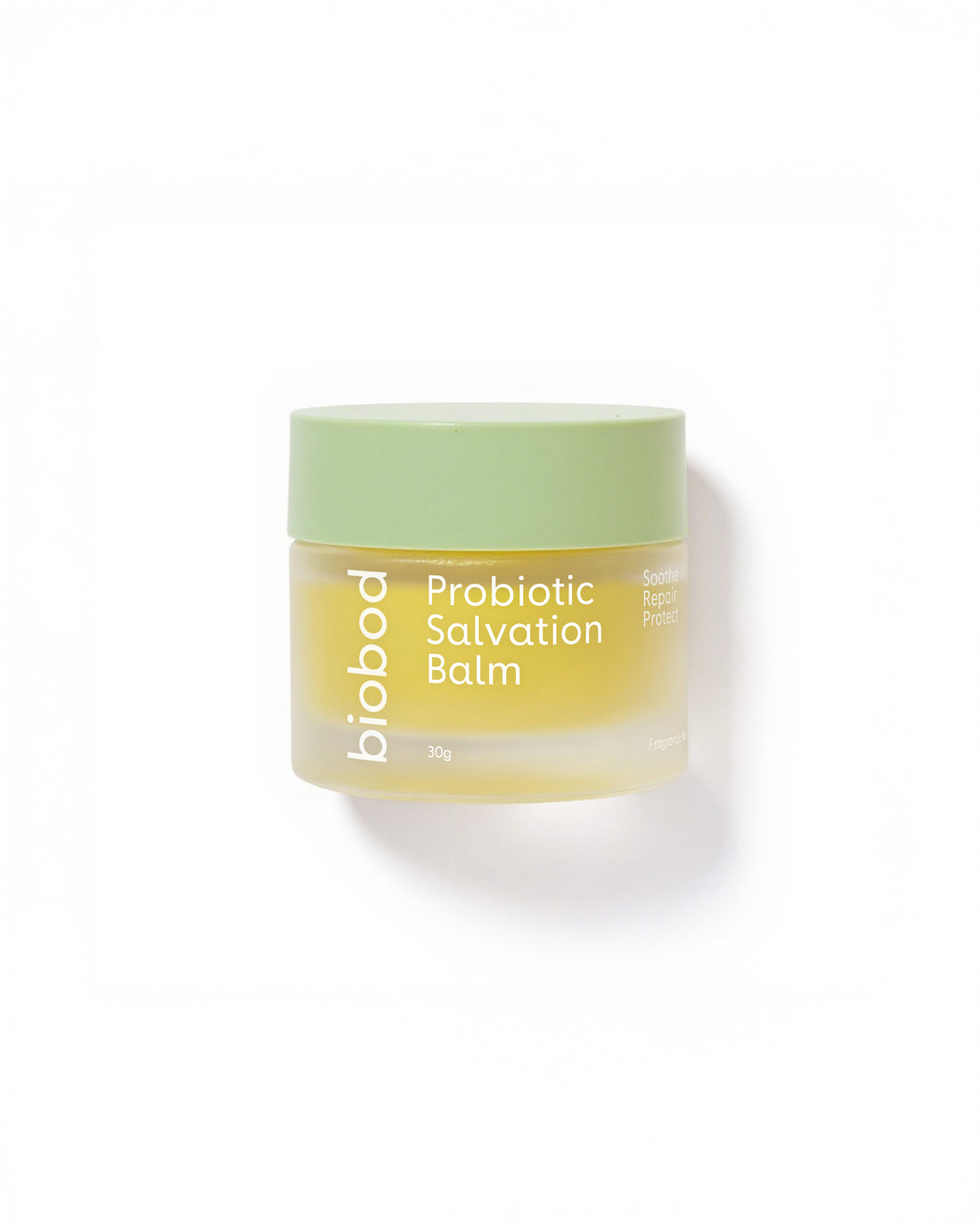
Probiotic Salvation Balm
A simple, barrier-supportive step to fall back on. Shop now |
Discovery Set
Trial sizes to rebuild your routine slowly. Shop now |


Related reading
- Skin Irritated From Too Many Actives? How to Calm It Down
- How Long Does Skin Take to Recover From Too Many Actives?
- Is Your Skin Irritated or Are You Having an Allergic Reaction to Skincare?
- Common Skin Irritants in Skincare
- Best Calming Skincare for Irritated Skin in Australia
FAQs
What ingredients should I avoid if my skin is irritated from too many actives?
Pause retinoids, AHA/BHA exfoliating acids, vitamin C treatments, physical scrubs and peels. Also watch for fragrance, essential oils and denatured alcohol, which can worsen irritation even if they weren't the original cause.
What products should I avoid with retinol burn?
Avoid the retinol itself along with exfoliating acids, vitamin C and any other "activating" treatments in the same routine until your skin feels comfortable again. Persistent stinging or burning isn't a sign a product is working.
Can I still use hyaluronic acid or basic hydrating serums?
Usually, if your skin tolerates them without stinging. Simple humectants and hydrating serums with a short ingredient list tend to be better tolerated than treatment serums layered with multiple actives.
Is fragrance-free the same as unscented?
No. "Unscented" products can still contain masking fragrance to cover other ingredient smells. "Fragrance-free" generally means no fragrance ingredients have been added at all, which is the safer option for reactive skin.
Should I stop using sunscreen while my skin is irritated?
No. Sun protection is still important. If your usual sunscreen is uncomfortable, a simpler mineral formula may sit better on reactive skin than a heavily fragranced chemical one.
Not sure what to use while you wait it out?
The Discovery Set lets you try biobod's fragrance-free, barrier-supportive essentials in trial sizes, so you can rebuild your routine slowly and see what your skin actually tolerates.
Explore the Discovery SetThis article provides general educational information and is not medical advice. If you experience severe, painful, persistent or worsening irritation, or suspect an allergic reaction, chemical burn or skin condition, speak with a qualified healthcare professional.