
Last updated: September 2026 · Estimated reading time: 8 minutes
By Natalie, Founder of biobod
You’ve stopped the retinol. Put the exfoliating acids away. Simplified your routine. Now comes the question almost everyone asks next:
How long is my skin going to take to recover?
If your skin has become dry, tight, stingy, flaky or suddenly reactive after using too many active skincare ingredients, there isn’t one exact recovery timeline. Mild irritation may begin to settle relatively quickly once the trigger is removed, while a more disrupted skin barrier can take longer to feel comfortable again.
The important thing is not to rush the process.
If you haven’t already, start with our guide to what to do when your skin is irritated from too many actives. This article takes the next step: understanding what recovery can look like, how to tell whether your skin is improving and when it may be ready for more skincare again.
Key takeaways
- There is no single recovery timeline for skin irritated by active skincare.
- The severity of the irritation, products used and your individual skin can all influence how long it takes to settle.
- Removing the trigger is more important than adding lots of new “repair” products.
- Less stinging, tightness, dryness and redness can be useful signs your skin is settling.
- Wait until your basic skincare feels comfortable before considering active ingredients again.
- Reintroduce products one at a time rather than restarting your entire routine.
- Painful, blistered, swollen, weeping or persistent skin reactions should be assessed by a healthcare professional.
Table of contents
- How long does skin take to recover from too many actives?
- What affects your skin recovery time?
- How do you know your skin barrier is recovering?
- Will irritated skin recover on its own?
- What should you do while your skin is recovering?
- What products should you use during recovery?
- When can you start using actives again?
- When should you seek professional advice?
- Recommended biobod products
- FAQs
Editorial note
This guide discusses mild cosmetic irritation and sensitised-feeling skin associated with skincare use. It is not intended to diagnose or treat dermatitis, allergic reactions, chemical burns or other medical skin conditions.
How long does skin take to recover from too many actives?
There is no reliable rule that says your skin barrier will recover in three days, seven days or exactly two weeks.
Skin recovery is individual.
If your skin is mildly irritated because you used an exfoliating acid too frequently or combined several strong products, it may begin to feel more comfortable once those products are removed and your routine is simplified.
If your skin has been repeatedly exposed to an overloaded routine for weeks or months, it may take longer before it feels settled and resilient again.
Instead of asking:
“Has it been long enough?”
A more useful question is:
“How does my skin feel now compared with when I stopped?”
That shift matters because your skin’s behaviour can tell you more than an arbitrary countdown.
What affects how long your skin takes to recover?
Several factors can influence how quickly irritated skin begins feeling comfortable again.
How irritated your skin was to begin with
A little tightness after over-exfoliating once is very different from skin that has been repeatedly exposed to several intensive treatments.
The more reactive your skin feels, the more cautious you should be about rushing back into your previous routine.
Whether you actually removed the trigger
Skin may struggle to settle if you stop one exfoliating serum but continue using an exfoliating cleanser, acid toner and weekly peel.
Look at your routine as a whole.
Your skin experiences the combined effect of everything you apply. It does not know that one product is called a cleanser and another is called a treatment.
How complicated your recovery routine becomes
One of the easiest mistakes to make is replacing an overloaded active routine with an overloaded “barrier repair” routine.
Suddenly you have three calming serums, two moisturisers, a face mist, sleeping mask, facial oil and a new balm.
You are still asking your skin to process a lot of different formulas.
Recovery does not need to become another ten-step routine.
Your individual skin
Skin tolerance varies considerably from person to person.
This is why someone else's seven-day skin reset cannot tell you exactly what your skin will do.
If your skin has always been naturally sensitive, it may also respond differently from skin that has only recently become reactive.
Our guide to sensitive skin vs sensitised skin explains this difference in more detail.
How do you know your skin barrier is recovering?
You do not necessarily need your skin to look perfect before you can recognise progress.
Pay attention to how it feels.
Signs your skin may be settling include:
- Your basic skincare no longer stings when you apply it
- Your face feels less tight after cleansing
- Dry or flaky patches are becoming less noticeable
- Redness appears less persistent
- Your skin feels more comfortable throughout the day
- Products you already tolerate feel comfortable again
- Your skin feels less reactive to normal environmental changes
Myth: Your skin barrier is recovered as soon as the redness disappears.
Fact: Appearance is only part of the picture. Pay attention to comfort, tightness, dryness, stinging and overall reactivity before deciding your skin is ready for active skincare again.
Will irritated skin recover on its own?
Skin has its own natural renewal and barrier-maintenance processes.
When mild cosmetic irritation has been caused by skincare, removing the trigger and avoiding further unnecessary irritation can give the skin a better environment in which to settle.
That does not mean you need to leave your face completely bare.
Gentle cleansing, hydration, moisturising or barrier-supportive products and appropriate sun protection can still form part of a simple routine.
But you do not necessarily need a product marketed as a powerful “skin repair treatment” to force the process along.
If you're worried you've permanently damaged your skin, read can the skin barrier be permanently damaged?.
What should you do while your skin is recovering from too many actives?
The simplest approach is usually the easiest to follow.
1. STOP
Pause the strong actives and products that appear to be irritating your skin.
2. SIMPLIFY
Reduce the number of products in your routine.
3. SOOTHE
Use gentle hydration and barrier-supportive skincare that your skin tolerates.
4. SETTLE
Give your skin consistency rather than changing products every few days.
5. REINTRODUCE
Once your skin feels comfortable again, add products back one at a time.
During this period, avoid the temptation to constantly inspect your skin and change your routine because it has not transformed overnight.
Skin recovery can be gradual.
What skincare should you use while your skin is recovering?
Think essentials rather than treatments.
A simple routine might look like:
- Cleanse gently without scrubbing or over-cleansing.
- Hydrate if your skin comfortably tolerates a simple hydrating serum.
- Support dry or irritated-feeling skin with a moisturising oil or balm.
- Protect your skin with suitable sunscreen during the day.
If almost everything is stinging, simplify further.
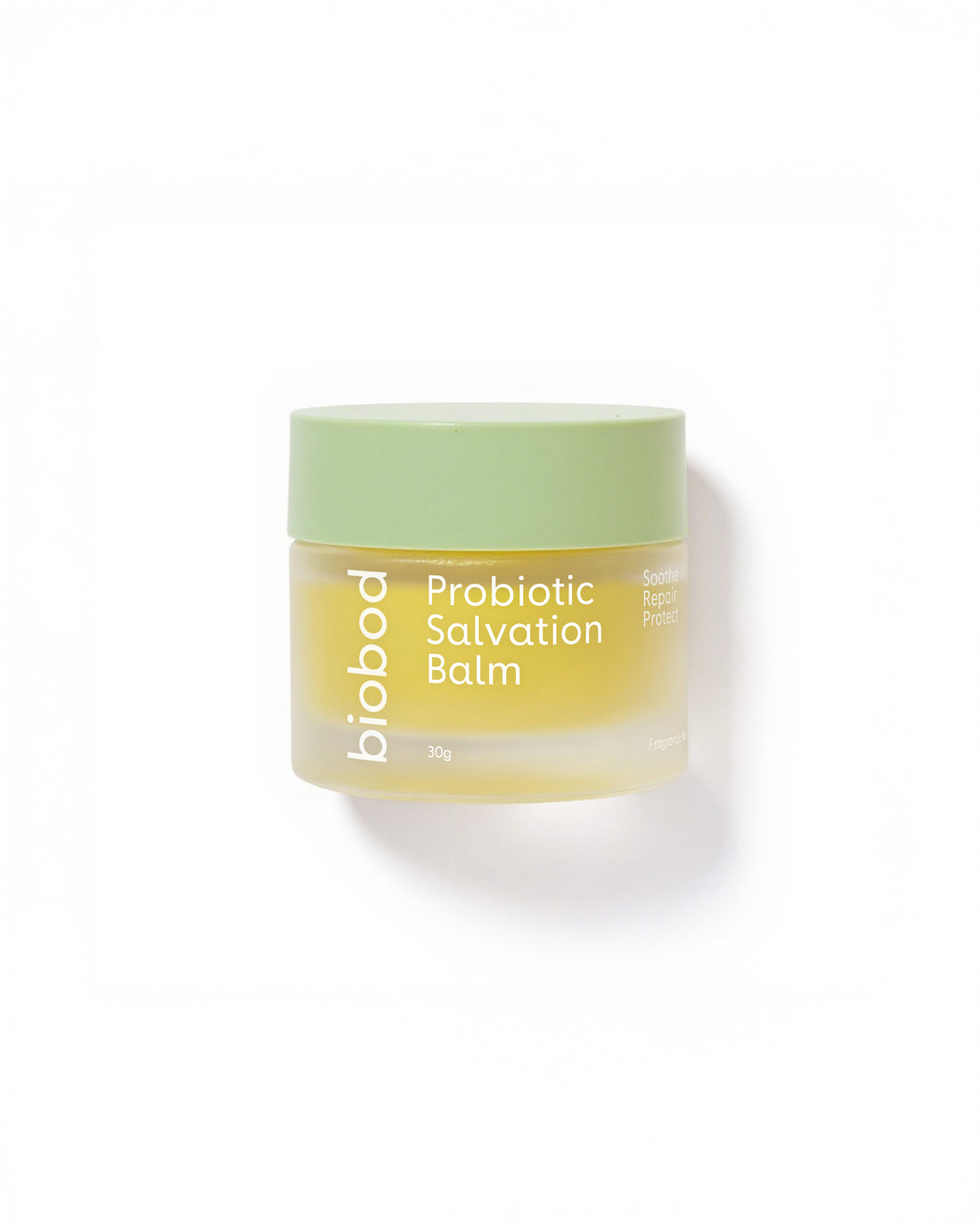
At biobod, our approach when skin is flaring is to start with the Probiotic Salvation Balm as a simple soothing and protective step, then gradually reintroduce the rest of the routine as skin becomes more comfortable.
Can you use a hydrating serum while your skin recovers?
If your skin tolerates it, yes.
Hydration can be helpful when skin feels tight or dehydrated, but this is not the time to assume every serum labelled “soothing” will automatically suit your skin.
If a product stings, makes redness noticeably worse or leaves your skin feeling less comfortable, stop and reassess.
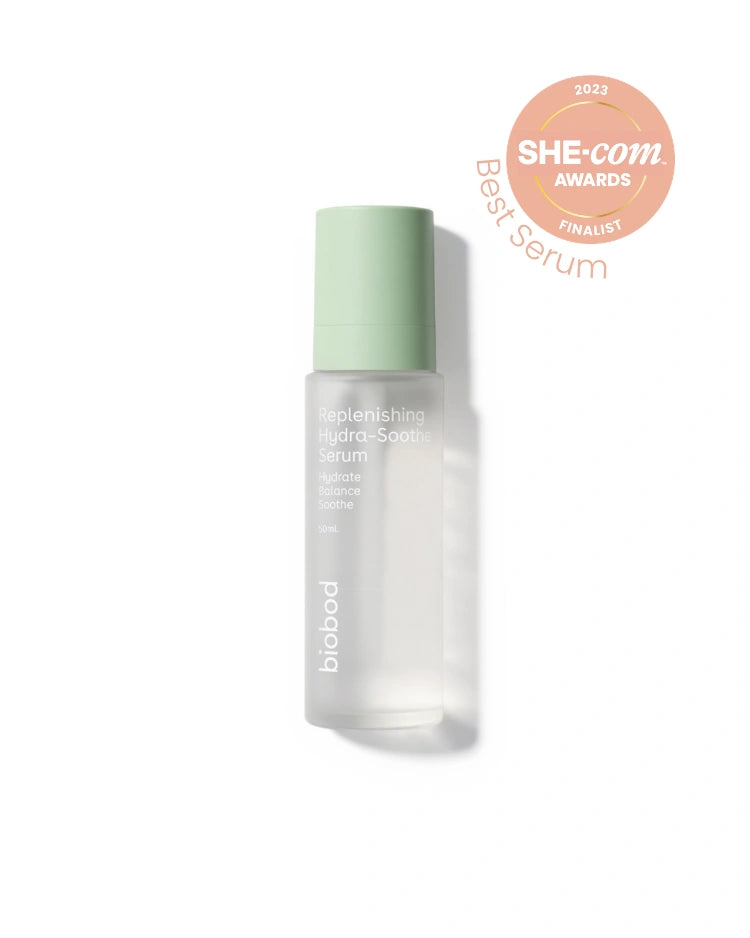
Once skin begins settling, a simple hydrating formula such as the Replenishing Hydra-Soothe Serum can be introduced slowly if it suits your skin.
Should you moisturise an irritated skin barrier?
Skin that feels dry and tight may benefit from products that help reduce moisture loss and support skin comfort.
Depending on what your skin tolerates, this may include humectants, emollients, oils and occlusive ingredients.
The goal is not to find the thickest possible cream.
It is to find a small number of products your skin feels comfortable using consistently.
When can you start using active skincare again?
Do not restart actives simply because a certain number of days has passed.
Consider waiting until:
- Your normal gentle skincare no longer stings
- Your skin does not feel persistently tight
- Obvious flaking has settled
- Your skin feels comfortable with your basic routine
- Redness and reactivity have returned closer to your usual baseline
Then start slowly.
Choose one product to reintroduce.
Do not bring your retinol, exfoliating acid, vitamin C serum and peel back on the same night.
Introducing one product at a time gives you a much clearer idea of what your skin actually tolerates.
And you may discover that your skin is happier without some of the products you were previously using.
What if your skin becomes irritated again?
Take that as information.
If your skin begins stinging, tightening, flaking or becoming increasingly reactive after you reintroduce a particular product, stop and give your skin another break.
You do not need to “push through” irritation to make skincare work.
Repeatedly forcing your skin through discomfort may simply bring you back to where you started.
When should irritated skin be checked by a healthcare professional?
Not every skincare reaction is simply an overloaded skin barrier.
Seek advice from a doctor, pharmacist or other qualified healthcare professional if your skin is:
- very painful
- significantly swollen
- blistered
- weeping or crusting
- extensively peeling
- rapidly worsening
- not improving after the suspected trigger has been removed
You should also seek professional advice if you suspect an allergic reaction, chemical burn, dermatitis or another medical skin condition.
Cosmetic skincare should not be used to self-diagnose or treat these conditions.
Recommended biobod products
If your skin feels overwhelmed, keep the product side of recovery simple. These are the biobod products most relevant to a stripped-back routine.
Start here when skin flares
Probiotic Salvation Balm

Best for: Dry, rough, irritated-feeling or reactive skin.
A rich protective balm that can be used as the first simple step when your usual skincare routine feels like too much.
Discover the Salvation BalmLightweight hydration
Replenishing Hydra-Soothe Serum

Best for: Dehydrated, tight or reactive-feeling skin once it comfortably tolerates hydration.
A lightweight oil-free serum designed to replenish moisture without unnecessary fragrance.
Explore the Hydra-Soothe SerumIntroduce slowly
Discovery Set

Best for: Rebuilding a routine slowly without committing to several full-size products.
A smaller introduction to the biobod routine so products can be introduced gradually and one step at a time.
Explore the Discovery SetRecovery is not a race
When your skin becomes reactive, it is understandable to want to fix it immediately.
But recovery does not necessarily come from finding the next miracle ingredient.
Sometimes it comes from removing the noise.
Fewer products. Less stimulation. More consistency.
Watch how your skin feels rather than watching the calendar. When it feels comfortable again, move forward slowly.
Ready for a simpler routine?
Explore the biobod Skin Reset System for a streamlined cleanse, hydrate and nourish approach.
Related reading
- Skin Irritated From Too Many Actives? How to Calm It Down
- Sensitive Skin vs Sensitised Skin
- Can the Skin Barrier Be Permanently Damaged?
- What Is the Skin Barrier and How Can You Protect It?
- What Is Medical-Grade Lanolin?
FAQs
How long does irritated skin take to heal after using too many actives?
There is no single timeline. Mild cosmetic irritation may begin settling after the triggering products are removed, while more sensitised skin may take longer. Look for improvements in stinging, tightness, dryness, flaking and redness rather than relying on a fixed number of days.
How long does a skincare reaction last?
It depends on what caused the reaction and its severity. Mild irritation from overusing skincare may settle once the trigger is stopped. Persistent, worsening or severe reactions should be assessed by a healthcare professional because not every reaction is simple cosmetic irritation.
Will irritated skin recover on its own?
Skin has natural barrier-maintenance and renewal processes. Removing the source of mild cosmetic irritation and keeping your routine gentle can support the environment skin needs to settle. Severe or persistent symptoms should not simply be left untreated.
How do I know if my skin barrier is recovering?
Signs may include less stinging when applying basic skincare, reduced tightness after cleansing, less flaking and dryness, reduced persistent redness and your skin generally feeling more comfortable.
How long does over-exfoliated skin take to recover?
Recovery varies depending on how frequently the skin was exfoliated, the products used and your individual skin. Rather than restarting exfoliation after an arbitrary number of days, wait until your skin feels comfortable with a simple routine again.
Should I stop all skincare if my skin barrier is irritated?
Not necessarily. A gentle cleanser, simple hydration or moisturising step and suitable daytime sun protection may still be appropriate if your skin tolerates them. The goal is to remove unnecessary stimulation and reduce the number of variables in your routine.
Can I use retinol again after my skin barrier recovers?
If you choose to reintroduce an active cosmetic product, wait until your basic routine feels comfortable and introduce one product at a time. If you use a prescription retinoid or are receiving treatment for a skin condition, follow the advice of your prescribing healthcare professional.
This article provides general educational information and is not medical advice. If you experience severe, painful, persistent or worsening irritation, or suspect an allergic reaction, chemical burn or skin condition, seek advice from a qualified healthcare professional.