
Sulphate free skincare is one of the simplest ways to support sensitive skin, especially if your complexion often feels tight, reactive, dry or easily overwhelmed after cleansing.
For many people, skin issues do not begin with the serum or moisturiser. They begin much earlier, at the cleansing step. If your cleanser is too harsh, it can disrupt the skin barrier, strip away protective lipids and leave your skin more vulnerable to redness, dehydration and irritation. That is why choosing a gentler, sulphate-free approach can make such a visible difference.
Skin thrives when it is supported, not stressed. That is why we do not recommend harsh sulphates in skincare, particularly for sensitive, reactive or barrier-compromised skin. When your routine starts with a cleanser that respects your skin, everything that follows has a better chance of working in harmony.
What is sulphate free skincare?
Sulphate free skincare refers to skincare products, especially cleansers, that do not contain harsh sulphate-based surfactants such as sodium lauryl sulfate. These ingredients are used to create foam and help remove oil, dirt and debris, but they can also strip the skin of the natural oils and lipids it needs to stay calm and resilient. Also known as SLS.
In simple terms, sulphate free skincare cleans without stripping.
That matters because healthy skin is not meant to feel squeaky clean. It is meant to feel balanced, soft and comfortable. When your cleanser leaves your face tight, itchy or shiny in that over-cleansed way, it is often a sign your skin has lost more than just makeup and sunscreen.
Is sodium lauryl sulfate bad?
Sodium lauryl sulfate can be too harsh for many skin types, especially sensitive skin. It is not automatically bad in every context, but in skincare it can be problematic because it may weaken the skin barrier, increase dryness and trigger irritation.
This is why the question is sodium lauryl sulfate bad comes up so often. The more accurate answer is this: sodium lauryl sulfate is often too aggressive for facial skin, particularly if your skin is already dry, reactive, acne-prone or sensitised.
Facial skin is delicate. It does not need the same level of cleansing power used in stronger wash-off products. A foamy cleanse can feel satisfying in the moment, but if it leaves your skin uncomfortable afterwards, that “clean” feeling may actually be a sign of disruption.
Why sulphates can be too much for sensitive skin
Sensitive skin is not weak. It is simply skin that needs a little more care, a little more consistency and a lot less aggression.
Harsh sulphates can be problematic because they do not just lift away dirt and excess oil. They can also remove the very elements your skin depends on to stay healthy, including:
- protective lipids
- part of the skin’s natural moisture balance
- support for a calm, resilient skin barrier
- harmony within the skin microbiome
When this happens, skin may start showing signs of stress such as:
- tightness after washing
- stinging when applying products
- visible redness
- flaky patches
- dehydration
- more reactivity than usual
- breakouts linked to barrier imbalance
If this sounds familiar, your cleanser may be working too hard.
This is especially important for those dealing with rosacea-prone skin, post-acne sensitivity, winter dryness, over-exfoliation or a damaged barrier. In these cases, stripping ingredients can keep skin stuck in a cycle of irritation.
Why sulphate free skincare matters for the skin barrier
Your skin barrier is your frontline defence. It helps keep moisture in and irritants out. When it is functioning well, skin feels comfortable, looks healthier and is better able to tolerate the rest of your routine.
When it is compromised, even simple products can start to sting.
That is why sulphate free skincare matters. A gentle cleanser helps preserve the barrier rather than challenge it. Instead of creating a harsh reset every time you wash your face, sulphate-free cleansing helps maintain the balance your skin is constantly trying to build.
This is also why we often talk about skin health through a whole-system lens at Biobod. Cleansing is not just about removing what is on your face. It is about deciding how much support your skin receives twice a day, every day.
Signs your current cleanser may be too harsh
You do not always need a dramatic reaction to know something is not right. Sometimes the signs are subtle and build slowly over time.
Your cleanser may be too harsh if:
Your skin feels tight straight after washing
Clean skin should feel fresh, not stretched
Your face looks redder after cleansing
This can point to irritation or barrier disruption
You feel the need to layer on moisturiser immediately
That rushed feeling often means your skin is trying to recover water loss
Your skin stings when applying other products
A compromised barrier is often more reactive
Your skin is oily and dehydrated at the same time
Over-cleansing can trigger imbalance, not clarity
Your breakouts seem worse when you use stronger products
Acne-prone skin still needs a healthy barrier to heal well
The myth that more foam means a better cleanse
One of the biggest skincare myths is that more foam means more effectiveness.
In reality, foam is not the goal. Healthy skin is the goal.
Some foaming cleansers can be gentle, but many traditional high-foam formulas rely on harsher surfactants that leave skin feeling stripped. For sensitive skin, that can create a false sense of cleanliness while quietly contributing to irritation, dehydration and barrier stress.
A gentler cleanse may feel different at first. It may feel softer, creamier or less dramatic. But over time, many people notice their skin starts to settle. Less redness. Less tightness. More comfort. Better tolerance overall.
That is the power of working with your skin instead of against it.
Who benefits most from sulphate free skincare?
Sulphate free skincare can benefit almost everyone, but it is especially helpful for people with:
- sensitive skin
- dry or dehydrated skin
- rosacea-prone skin
- eczema-prone skin
- acne-prone skin with a damaged barrier
- over-exfoliated skin
- skin that feels tight or itchy after cleansing
- skin that reacts easily to active ingredients
Even if your skin is oily, harsh stripping is rarely the answer. When skin loses too much moisture, it can become unbalanced and more reactive. Gentle cleansing supports clearer, calmer skin over time.
What to look for instead of harsh sulphates
When choosing sulphate free skincare, look for formulas that do more than simply remove one ingredient. The best cleansers are built to support skin, not just avoid a label claim.
Look for products that prioritise:
- barrier-friendly cleansing
- skin-calming ingredients
- non-stripping formulas
- minimal irritation potential
- microbiome-conscious skincare
- hydration support
- ingredients that leave skin comfortable after use
This is where Biobod’s philosophy is different. We do not believe in the harsh-cleanse-then-repair cycle. We believe in reducing the need for repair by choosing gentler care from the beginning.
That same thinking is echoed in Biobod’s Journal article Sensitive Skin vs Sensitized Skin: How to Tell the Difference. It is a relevant interlink here because many people think they just “have bad skin” when in reality they may be using products that are making their skin more sensitised over time.
A gentle routine matters more than a perfect one
You do not need a 10-step routine to support sensitive skin. Often, the most effective change is simplifying the products you use and removing the ones that are working against you.
A barrier-supportive routine often looks like this:
Step 1: Cleanse gently
Choose a cleanser that removes buildup without stripping your skin
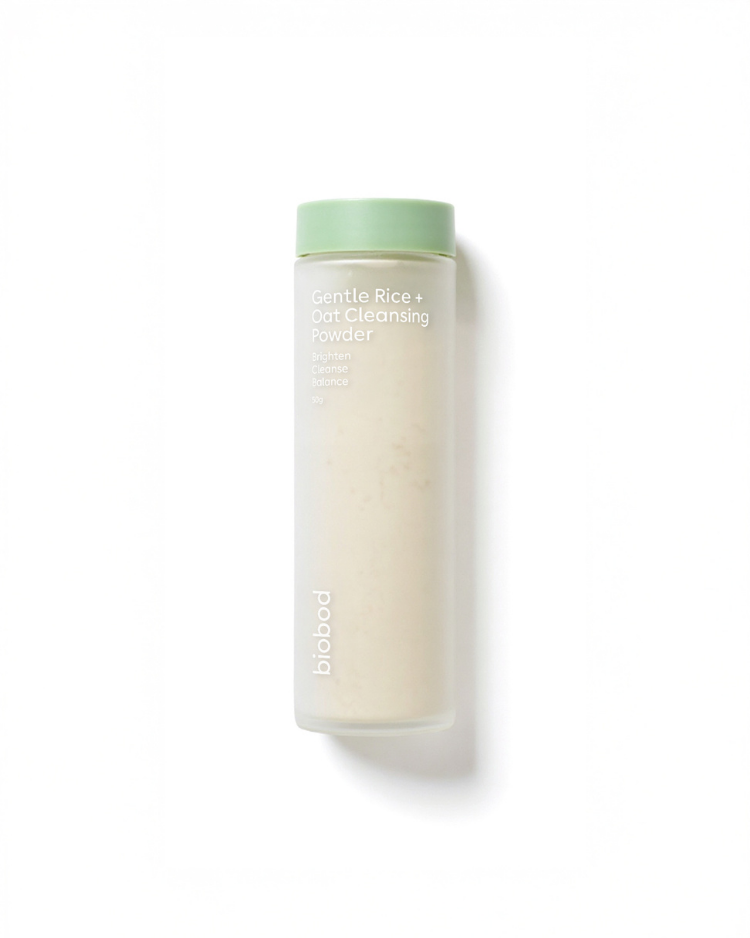
Try our Gentle Rice and Oat Cleansing Powder

Step 2: Hydrate and replenish
Add water-binding and skin-soothing ingredients back into the skin
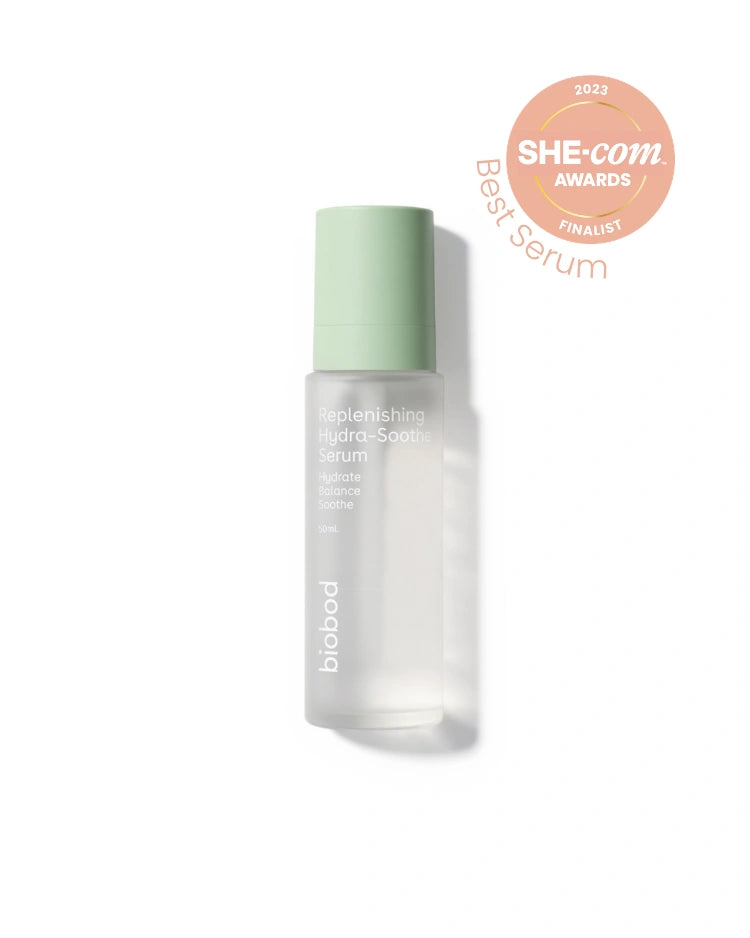
Try our Replenishing Hydra-Soothe Serum

Step 3: Nourish and protect
Support the barrier with lipids and calming, restorative care
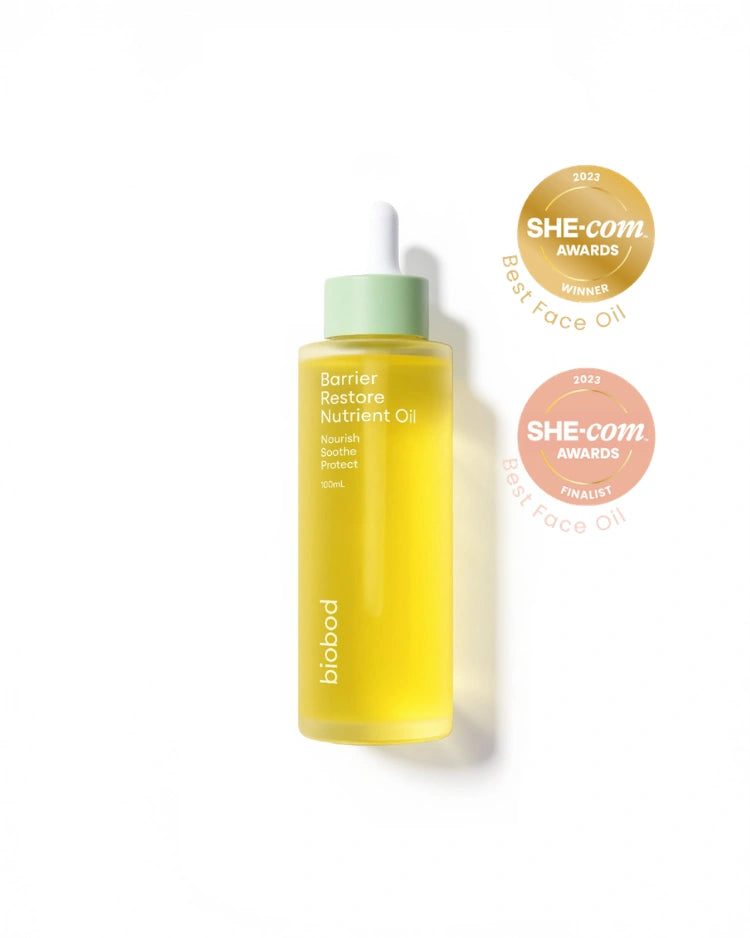
Try our Barrier Restore Nutrient Oil

This is exactly why the our Skin Reset System: Brighten, Hydrate & Nourish is such a beautiful fit for people looking to move towards sulphate free skincare.
Why we recommend the Skin Reset System: Brighten, Hydrate & Nourish
If your skin has been feeling stressed, dry, flat, reactive or simply harder to manage, the Skin Reset System: Brighten, Hydrate & Nourish offers a gentle, supportive place to start.

This system is designed to help skin feel cleaner, calmer and more nourished without the harshness that often comes with traditional foaming routines. Rather than relying on aggressive cleansing agents, it supports skin with a more gentle, microbiome first approach.
If you're searching for sulphate free skincare, this set makes sense because it helps simplify the routine while giving skin exactly what it often needs most:
- a non-stripping cleanse
- replenishing hydration
- nourishing barrier support
It is especially helpful for skin has been through too much. Too many actives. Too many trends. Too many harsh cleansers promising glowing skin while leaving behind irritation.
Instead of pushing skin harder, this system encourages skin to return to balance and heals itself.
The long-term benefits of switching to sulphate free skincare
When you move to sulphate free skincare, the results are often not dramatic overnight. They are better than that. They are steady, supportive and lasting.
Over time, many people notice:
- less tightness after cleansing
- fewer dry patches
- calmer-looking skin
- better tolerance to the rest of their routine
- reduced redness
- more balanced oil production
- a stronger, more comfortable barrier
This is why gentle skincare can be so transformative. It may not shout the loudest, but it often delivers the most sustainable results.
Sulphate free skincare
Sulphate free skincare is not just a trend. For sensitive skin, it is often a smarter and kinder way to cleanse.
If you have ever wondered is sodium lauryl sulfate bad, the answer is that it can absolutely be too harsh for facial skin, especially when your barrier is already under pressure. That is why we do not recommend sulphates in skincare for sensitive, reactive or easily stressed complexions.
Your skin does not need to be stripped to be clean. It needs to be respected.
Choosing gentler cleansing and barrier-supportive products like the Biobod's Skin Reset System: Brighten, Hydrate & Nourish can help your skin feel more comfortable, more resilient and far less reactive over time.
Sometimes the healthiest thing you can do for your skin is not add more. It is remove the harshness and let your skin come back to itself.