
Last updated: August 2026 · Estimated reading time: 8 minutes
Australian summer is beautiful and brutal on reactive skin. Higher UV, heat, humidity, sweat, salt water and air-conditioning all land at once. If your skin runs sensitive, that combination can mean redness, tightness, stinging and unexpected breakouts.
The good news is that a few deliberate summer skincare tips for sensitive skin can help keep your barrier feeling calm and comfortable without a complicated routine.
This guide covers why skin may become more reactive in summer, the simple routine that works in the heat, what to avoid, how to think about sunscreen and how to calm a flare-up if one happens.
Key takeaways
- Heat, UV, sweat, salt water and air-conditioning can all place extra pressure on the skin barrier.
- A simple summer routine should focus on gentle cleansing, lightweight hydration and daily sun protection.
- Heavy creams, aggressive exfoliation and layered active ingredients may feel more irritating in hot weather.
- Fragrance-free formulas can help reduce one common source of sensitivity.
- When skin reacts to heat, cool it gently, remove sweat and sunscreen and pause strong actives.
- Persistent, severe, painful or blistering symptoms should be assessed by a qualified healthcare professional.
Table of contents
- Why is my skin more sensitive in summer?
- What is a good summer skincare routine for sensitive skin?
- Morning summer skincare routine
- Evening summer skincare routine
- What skincare should you avoid in summer?
- How do you choose sunscreen for sensitive skin?
- How do you calm sensitive skin that reacts to heat?
- After a day in the sun
- Common summer skin triggers
- A simple biobod summer kit
- FAQs
Why is my skin more sensitive in summer?
Heat and UV can both place pressure on your skin barrier, the outer layer that helps hold moisture in and irritants out. When the barrier is under strain, water can escape more quickly and your skin may react more easily to things it would normally tolerate.
Add sweat, sunscreen worn throughout the day and the dry blast of air-conditioning, and even resilient skin can start to feel touchy. Sweat may sting already-irritated skin, while repeated cleansing to remove sunscreen and perspiration can leave the face feeling tight if the cleanser is too strong.
If your skin suddenly feels more reactive than usual, you are not imagining it. Learn more in our guide to why skin gets more sensitive in summer, along with the fundamentals in Sensitive Skin 101 and our guide to the skin barrier.
What is a good summer skincare routine for sensitive skin?
The guiding principle for summer is simple: use lighter layers, prioritise hydration and make sun protection non-negotiable.
Your skin does not necessarily need more products because the weather is harsher. It often needs fewer, carefully chosen products that feel comfortable when layered together.
Morning summer skincare routine
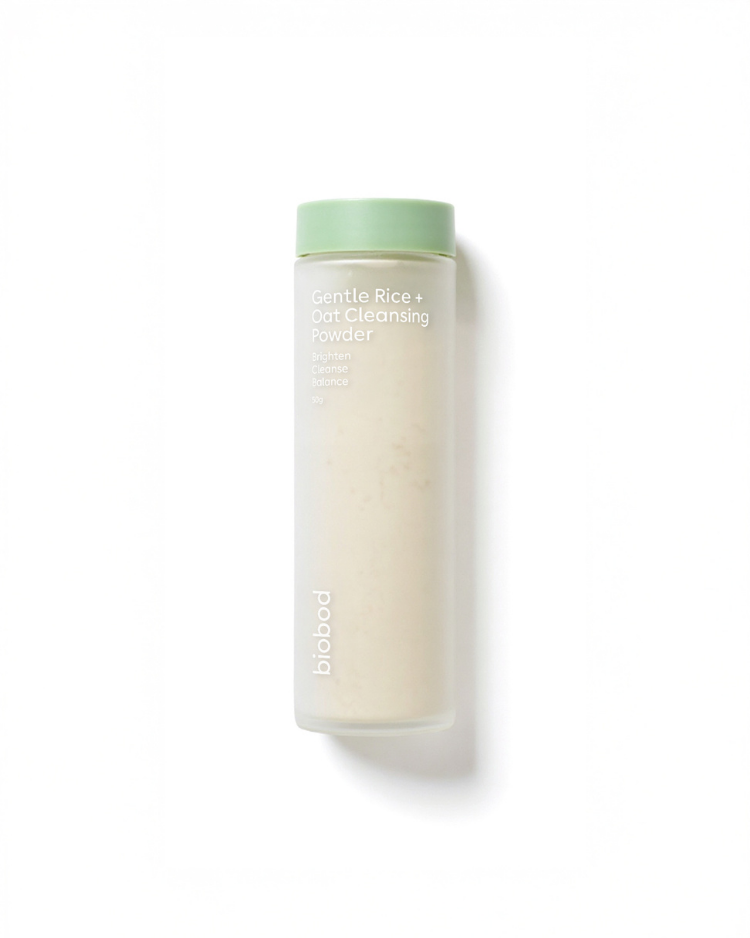
- Cleanse gently. Overnight, your skin may only need a soft reset. Choose a non-stripping cleanser such as the Gentle Rice & Oat Cleansing Powder or the fragrance-free Calming Balance Cleanse Bar.
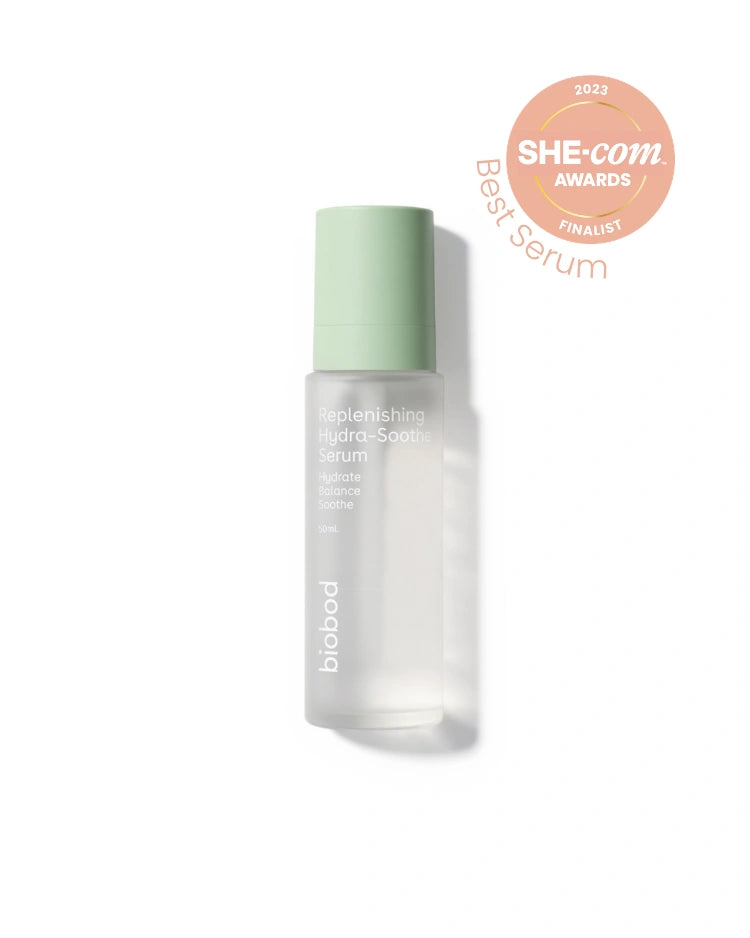
- Hydrate lightly. Summer skin often prefers water-light hydration rather than a heavy cream. The Replenishing Hydra-Soothe Serum is an oil-free, weightless option formulated with hyaluronic acid to replenish moisture without a greasy finish.
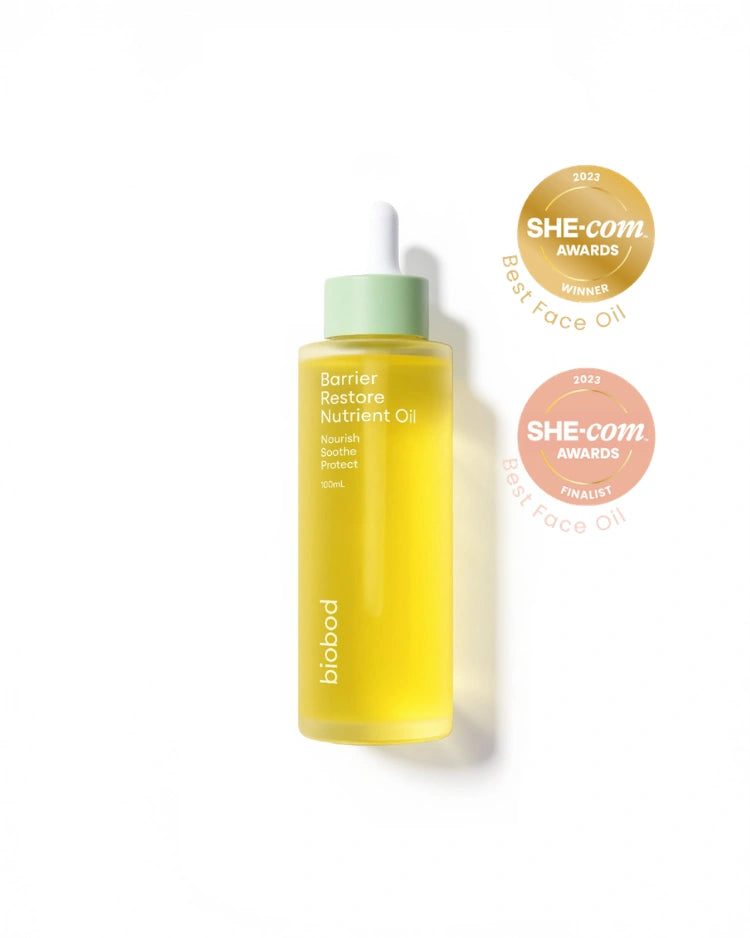
- Seal if needed. If your skin still feels tight, apply a few drops of the non-comedogenic Barrier Restore Nutrient Oil as a light finishing step.
- Apply sunscreen. Finish with a broad-spectrum SPF50+ sunscreen suited to your skin and reapply as directed, especially when outdoors.
Evening summer skincare routine
- Cleanse to remove sunscreen, sweat, makeup and the day.
- Rehydrate with a lightweight serum.
- Soothe any dry or irritated-feeling areas with a supportive balm.
A common question is whether sensitive skin needs the 4-2-4 method or a Japanese-style double cleanse. In summer heat, most reactive skin does not need aggressive multi-step cleansing. One gentle, thorough cleanse may be enough unless you are wearing heavy or water-resistant makeup and sunscreen.
Over-washing can leave the skin feeling drier and more reactive. See the complete step-by-step in our summer skincare routine for sensitive skin.
Sweat and sunscreen mean sensitive skin must be cleansed several times a day.
Fact: Frequent or aggressive cleansing can leave reactive skin feeling tighter and more uncomfortable. Cleanse gently when needed and rinse with cool water after sweating.
What skincare should you avoid in summer?
There is no single list that applies to every skin type, but a few things may be worth easing off when the weather is hot and your skin already feels stressed.
- Heavy, occlusive creams: Rich formulas may trap heat and sweat for some people. Consider lighter hydration during the day.
- Over-exfoliating: Scrubs and frequent acids can make already-reactive skin feel red or uncomfortable.
- Layering strong actives: Combining a potent vitamin C product, exfoliating acids and retinoids in the same routine may overwhelm sensitive skin.
- Fragranced products: Fragrance can be a trigger for some reactive skin and may feel more noticeable when the face is hot or flushed.
- Introducing several new products: If irritation develops, it becomes difficult to identify the cause.
Space active products out, use them less frequently or pause them temporarily when your skin feels reactive. See our complete guides to what skincare to avoid in summer and skincare ingredients to avoid.
How do you choose sunscreen for sensitive skin?
Sunscreen is the most important summer skincare step. In Australia, sunscreens are regulated therapeutic products and must meet applicable standards.
When choosing one for reactive skin:
- Look for a broad-spectrum mineral SPF50 or SPF50+ product that complies with the Australian sunscreen standard.
- Consider a fragrance-free formula to reduce one possible source of stinging or sensitivity.
- Mineral or zinc-based filters are often preferred by very sensitive skin, although many people tolerate modern chemical filters well.
- Patch test a new formula before relying on it for a full day outdoors.
- Apply it generously over your hydrating skincare and follow the label directions for reapplication.
For current sun-safety advice, follow guidance from Cancer Council Australia and the directions on your sunscreen label.
How do you calm sensitive skin that reacts to heat?
If your skin flushes, stings or feels irritated in the heat, focus on cooling, soothing and supporting the barrier rather than adding more active products.
- Cool down. Move out of the heat and rinse with cool, not icy, water.
- Cleanse gently. Remove sweat, sunscreen and environmental residue without scrubbing.
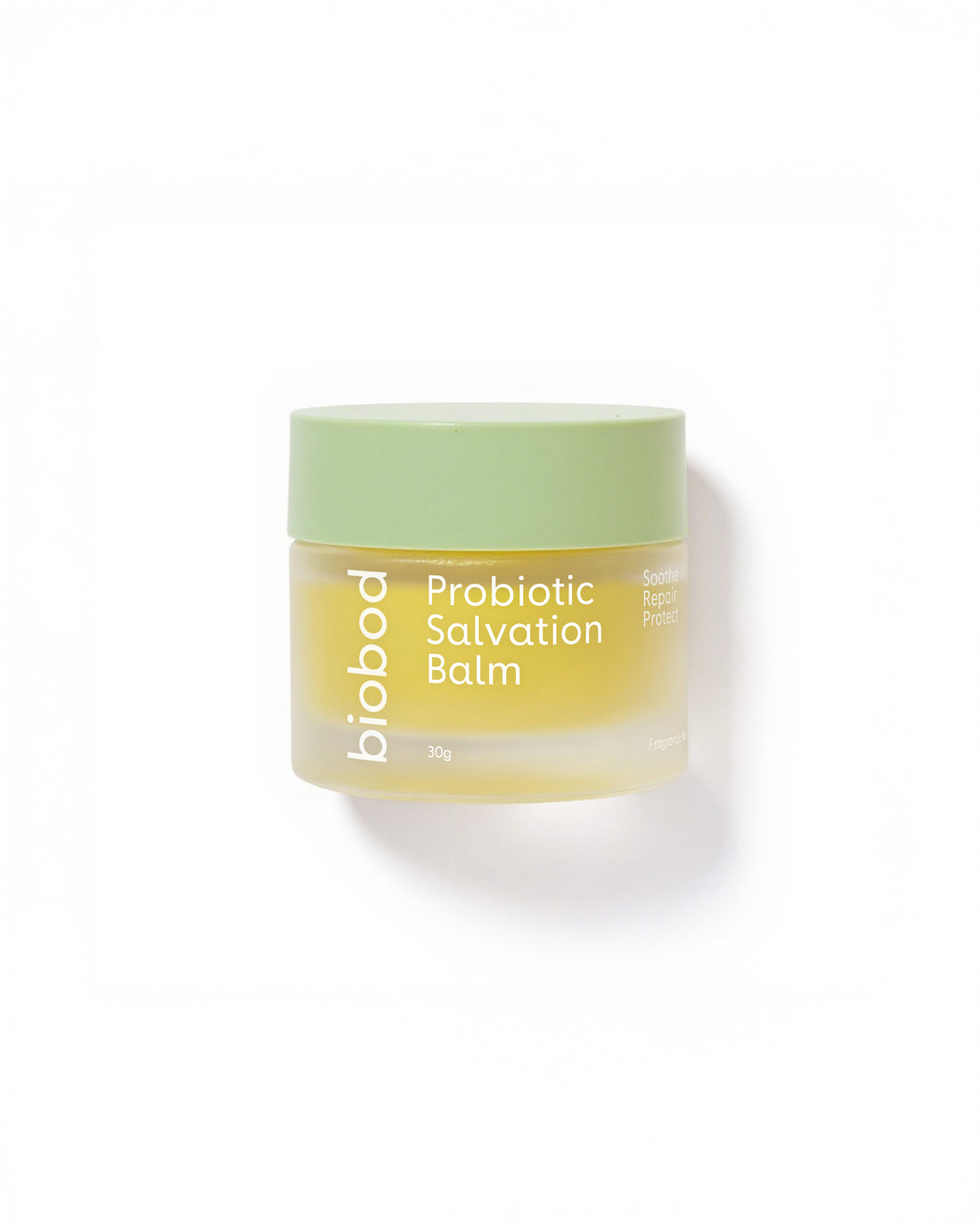
- Soothe. Apply a calming, barrier-supporting balm such as the Probiotic Salvation Balm to areas that feel dry or irritated.
- Rehydrate. Apply a lightweight hydrating serum.
- Pause actives. Give exfoliants, retinoids and other strong products a break until the skin feels settled.
Read more in how to calm a summer flare-up and why skin gets red and irritated.
If redness is severe, painful, persistent or accompanied by swelling, blistering or other concerning symptoms, speak with a pharmacist, GP or dermatologist.
After a day in the sun
Even when you have worn sunscreen, summer skin can benefit from gentle replenishment after time outdoors. Cleanse without stripping, rehydrate and support areas that feel dry or uncomfortable.
Our complete guide is available in after-sun care for sensitive skin.
For severe, painful or blistering sunburn, seek medical advice. Cosmetic after-sun care is intended to support comfort and hydration, not treat a burn.
Common summer skin triggers and what to do
| Summer trigger | How skin may feel | Gentle response |
|---|---|---|
| Heat and humidity | Flushed, hot, congested or itchy | Use lighter layers, cool the skin gently and avoid heavy occlusive products. |
| Sweat | Stinging, saltiness or irritation | Rinse with cool water and pat dry rather than rubbing. |
| Air-conditioning | Tight, dry or dehydrated | Apply lightweight hydration and seal dry areas only if needed. |
| Salt or chlorinated water | Dry, rough or uncomfortable | Rinse after swimming and follow with a gentle hydrating routine. |
| Repeated sunscreen use | Congested, stingy or reactive | Choose fragrance-free sunscreen, patch test and cleanse gently at night. |
| Strong active ingredients | Red, sensitised or flaky | Reduce frequency, avoid stacking and pause during flare-ups. |
A simple biobod summer kit
You do not need ten products. A minimal summer kit for sensitive skin can be a gentle cleanser, a lightweight hydrating serum, an optional barrier-supportive oil, a soothing balm and a broad-spectrum sunscreen from a reputable sunscreen brand.
Gentle cleanse
Gentle Rice & Oat Cleansing Powder

Best for: A soft, water-activated cleanse after sweat, sunscreen and summer days.
A dry powder formula that transforms with water and lets you control the texture at the sink.
Explore the Powder CleanserLightweight hydration
Replenishing Hydra-Soothe Serum

Best for: Dehydrated, tight or reactive-feeling skin that prefers weightless summer layers.
An oil-free hydrating serum formulated to replenish moisture without a heavy or greasy finish.
Explore the Hydra-Soothe SerumTargeted soothing
Probiotic Salvation Balm

Best for: Dry, rough or irritated-feeling areas after heat, wind, swimming or air-conditioning.
A fragrance-free and essential oil-free balm for targeted nourishment and barrier support.
Explore the Salvation BalmTrial the routine
Discovery Set

Best for: Trying the core biobod routine before committing to full-sized products.
A simple way to introduce gentle cleansing, hydration, oil and balm gradually.
Explore the Discovery SetKeep your summer routine simple: Cleanse gently, apply the Replenishing Hydra-Soothe Serum, add a few drops of Barrier Restore Nutrient Oil only when needed and finish your morning routine with broad-spectrum SPF50+ sunscreen.
Related reading
- Why Your Skin Gets More Sensitive in Summer
- Summer Skincare Routine for Sensitive Skin
- What Skincare Should You Avoid in Summer?
- How to Calm a Summer Skin Flare-Up
- After-Sun Care for Sensitive Skin
- Best Summer Skincare Products for Sensitive Skin in Australia
- Sensitive Skin 101
- How to Hydrate Skin Properly
- Why Does My Skin Get Red and Irritated?
FAQs
What is a good summer skincare routine for sensitive skin?
Gently cleanse, apply a lightweight hydrating serum, add a non-comedogenic oil only if your skin still feels tight and finish with broad-spectrum SPF50+ sunscreen in the morning. At night, cleanse, rehydrate and use a soothing balm on dry or irritated-feeling areas.
What skincare should I avoid in summer?
Consider easing off heavy occlusive creams, aggressive exfoliation, stacked active ingredients and fragranced products when your skin feels reactive. Introduce new products gradually so potential triggers are easier to identify.
Why is my skin more sensitive in summer?
Heat and UV can place pressure on the skin barrier, while sweat, salt water, sunscreen and air-conditioning may add further irritation or moisture loss. Together, these factors can leave skin feeling tighter, redder or more reactive.
Are mineral sunscreens better for sensitive skin?
Mineral or zinc-based filters are often preferred by people with very sensitive skin, but many people tolerate modern chemical filters well. Choose a broad-spectrum SPF50 or SPF50+ formula, consider fragrance-free options and patch test before extended wear.
How do I stop my skin reacting to heat?
Move out of the heat, rinse with cool water, cleanse gently, apply lightweight hydration and use a soothing barrier-supportive balm where needed. Pause strong active ingredients until your skin feels settled.
Should I double cleanse every night in summer?
Not necessarily. A single thorough, non-stripping cleanse may be enough for many people. A second cleanse may be useful after heavy or water-resistant makeup and sunscreen, but avoid scrubbing or over-washing reactive skin.
Can I use facial oil in hot weather?
Yes, if your skin needs it. Use only a few drops of a lightweight, non-comedogenic oil and apply it after your hydrating serum. Oily or congestion-prone skin may prefer to reserve facial oil for dry areas or evening use.
Summer skincare for sensitive skin does not need to be complicated. The most useful routine is often the one that feels light, familiar and easy to repeat.
Keep cleansing gentle, hydration consistent and sun protection reliable. When your skin feels overwhelmed, simplify rather than adding more.
Start gently: Explore the Discovery Set, Replenishing Hydra-Soothe Serum or Probiotic Salvation Balm and introduce one product at a time.
This article provides general information only and is not medical advice. If you have a persistent, severe or painful skin concern, seek advice from a qualified healthcare professional.