
Last updated 25 September 2026 · 7 minute read
By Natalie, Founder of biobod
Phenoxyethanol is one of the most widely used preservatives in skincare. It keeps water-based products free from bacteria, yeast and mould. It is used at 1% or less, and the EU's scientific safety committee has assessed it as safe at that level. Most people use it without any issue. A small number of people with very reactive skin find it stings, so a patch test is worthwhile if your skin is easily upset.
Key takeaways
- Phenoxyethanol is a preservative. Its job is to stop microbes growing in products that contain water.
- It is technically an alcohol, but it does not behave like drying alcohols such as alcohol denat.
- The EU caps it at 1% in cosmetics, and its scientific safety committee considers it safe at that level.
- Reactions are uncommon. If your skin is very reactive, patch test first.
- Preservative-free is not automatically safer. A water-based product with no protection can grow microbes.
Table of contents
- What is phenoxyethanol?
- Is phenoxyethanol an alcohol?
- Why is phenoxyethanol in so many skincare products?
- Is phenoxyethanol safe? What regulators say
- Can phenoxyethanol irritate sensitive skin?
- Phenoxyethanol vs parabens
- How else can skincare be preserved?
- Should you avoid phenoxyethanol?
- How we keep biobod products fresh
- FAQs
What is phenoxyethanol?
Phenoxyethanol is a clear, slightly oily liquid used to preserve cosmetics. You will find it in serums, creams, cleansers, sunscreens, makeup and baby wipes. The version used in skincare is made in a lab, which keeps its purity and quality consistent.
It works against a broad range of bacteria and is often paired with a second ingredient, such as ethylhexylglycerin or a glycol, to cover yeast and mould as well.
Is phenoxyethanol an alcohol?
Chemically, yes. Phenoxyethanol is a glycol ether that contains an alcohol group, which is why it appears in conversations about alcohol in skincare. But it behaves nothing like the drying alcohols that give alcohol its bad reputation.
Drying alcohols like alcohol denat can make up a large share of a formula and evaporate quickly off the skin. Phenoxyethanol is used in tiny amounts, typically 1% or less, and its job is preservation, not a quick-dry finish.
If you want the full picture of which alcohols dry skin and which do not, read our guide to alcohol in skincare.
Why is phenoxyethanol in so many skincare products?
Any product that contains water is a potential home for bacteria, yeast and mould, especially once it is opened and fingers go in and out of the jar. A good preservative system protects the product, and your skin, for the whole time you are using it.
Phenoxyethanol became popular because it:
- Works at low concentrations
- Stays stable across a wide range of formulas and pH levels
- Has no noticeable scent
- Became a common choice for brands moving away from parabens
Is phenoxyethanol safe? What regulators say
Phenoxyethanol is one of the most studied cosmetic preservatives. In the EU, it is permitted in cosmetics at a maximum of 1%. The EU's Scientific Committee on Consumer Safety reviewed it in 2016 and concluded it is safe at that level for all consumers.
It is also widely used in cosmetics sold in Australia. Cosmetic ingredients here are regulated through the Australian Industrial Chemicals Introduction Scheme (AICIS), and cosmetic labels must list every ingredient so you can see exactly what you are using.
Phenoxyethanol listed near the end of an ingredient list is normal. Because ingredients under 1% can be listed in any order at the end, that is exactly where you would expect a preservative to sit.
Can phenoxyethanol irritate sensitive skin?
It can, but it is uncommon. Given how many products contain it, true allergic reactions to phenoxyethanol are considered rare.
What some people with very reactive skin do notice is mild stinging, particularly when:
- Their skin barrier is already stressed from over-exfoliating or strong actives
- They are layering several products that all contain it
- They apply products close to the eyes
If a product consistently stings, feels hot or leaves redness, stop using it. If a reaction is severe or does not settle, see your GP, pharmacist or a dermatologist.
How to patch test a new product
- Apply a small amount to a discreet area, such as the side of your neck or just below your jawline.
- Repeat once or twice a day for several days.
- If you see no redness, itching or stinging, introduce it to your face slowly.
- Add one new product at a time, so you know what your skin is responding to.
Phenoxyethanol vs parabens
Both are preservatives, and both are permitted in cosmetics at regulated levels. Phenoxyethanol became far more common as many brands and shoppers chose to move away from parabens.
| Phenoxyethanol | Parabens | |
|---|---|---|
| What it is | A glycol ether preservative | A family of preservatives (methylparaben, propylparaben and others) |
| Main strength | Bacteria, often paired for yeast and mould | Yeast, mould and bacteria |
| Typical use level | 1% or less | Well under 1% |
| How it appears on labels | Phenoxyethanol | Any ingredient ending in "-paraben" |
How else can skincare be preserved?
Phenoxyethanol is not the only option. Formulators can also keep products fresh with:
- Multifunctional glycols. Ingredients like 1,2-hexanediol, caprylyl glycol and pentylene glycol hydrate the skin and help protect a formula from microbes at the same time.
- Organic acids and their salts. Sodium benzoate and potassium sorbate are common examples, and they work best in more acidic formulas.
- Waterless formulas. Oils, balms and powders contain no water, which makes it much harder for microbes to grow. Antioxidants like vitamin E help keep the oils themselves fresh.
- Protective packaging. Pumps, droppers and airless bottles reduce how often fingers and air reach the product.
Should you avoid phenoxyethanol?
For most people, no. It is a well-studied, low-dose preservative that helps keep skincare safe to use.
It makes sense to look for phenoxyethanol-free options if you have had a confirmed reaction to it, if you notice stinging from products that contain it, or if your skin is extremely reactive and you prefer to keep your routine as simple as possible. In those cases, choosing products preserved another way is a reasonable personal choice.
How we keep biobod products fresh
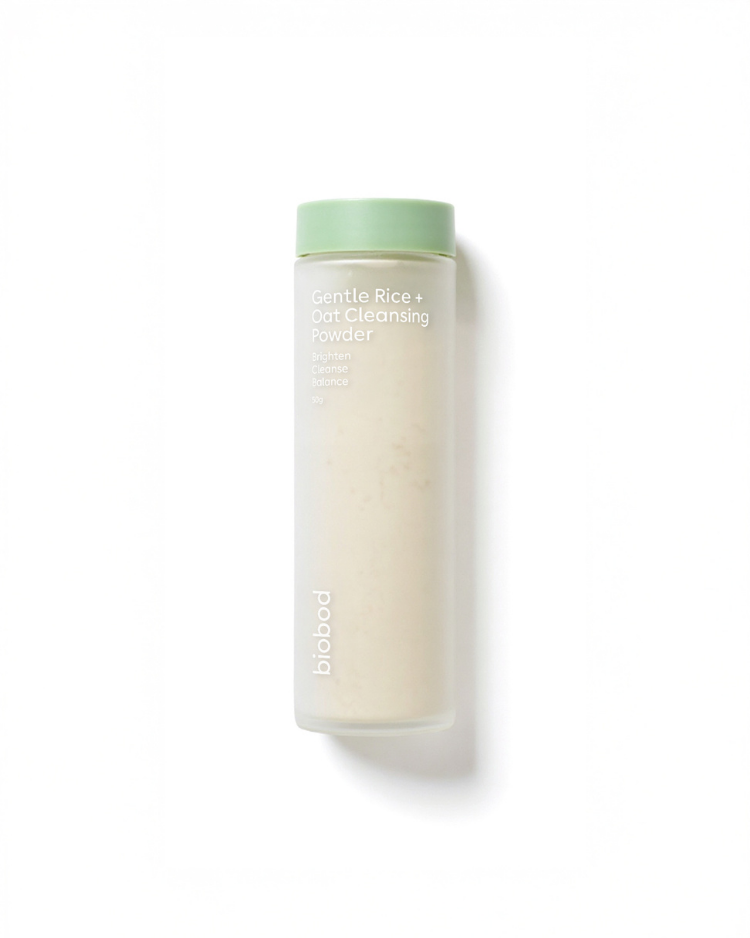
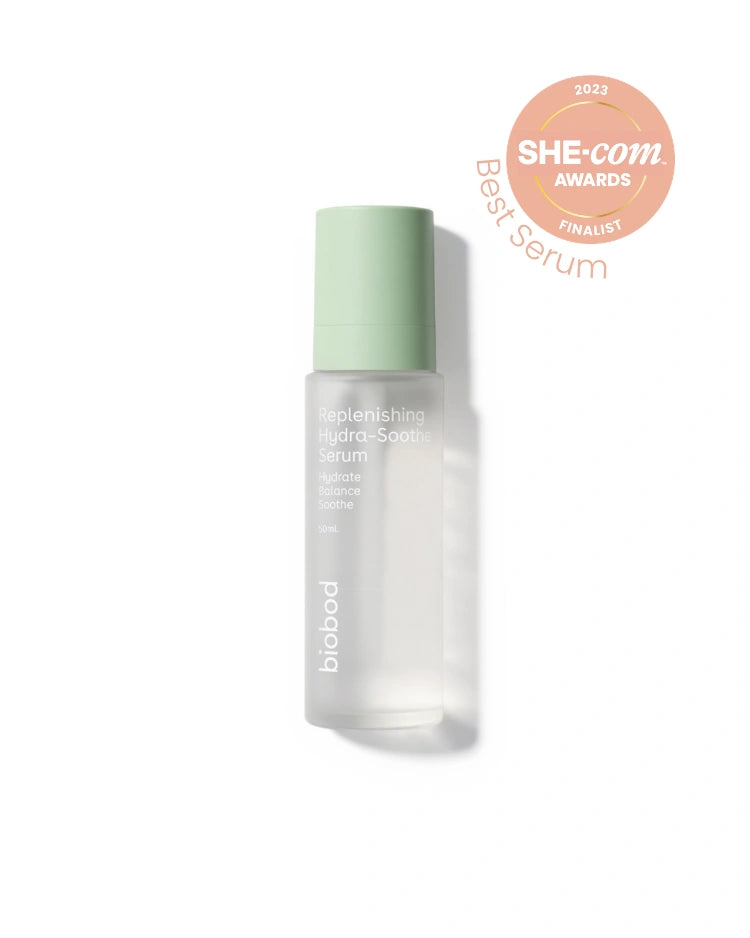
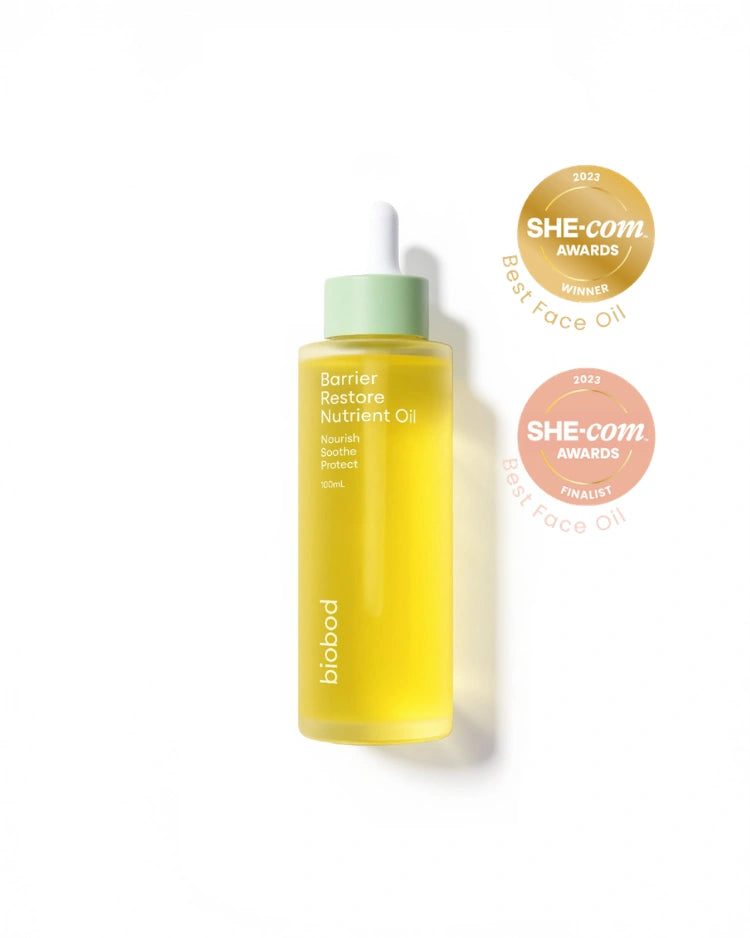
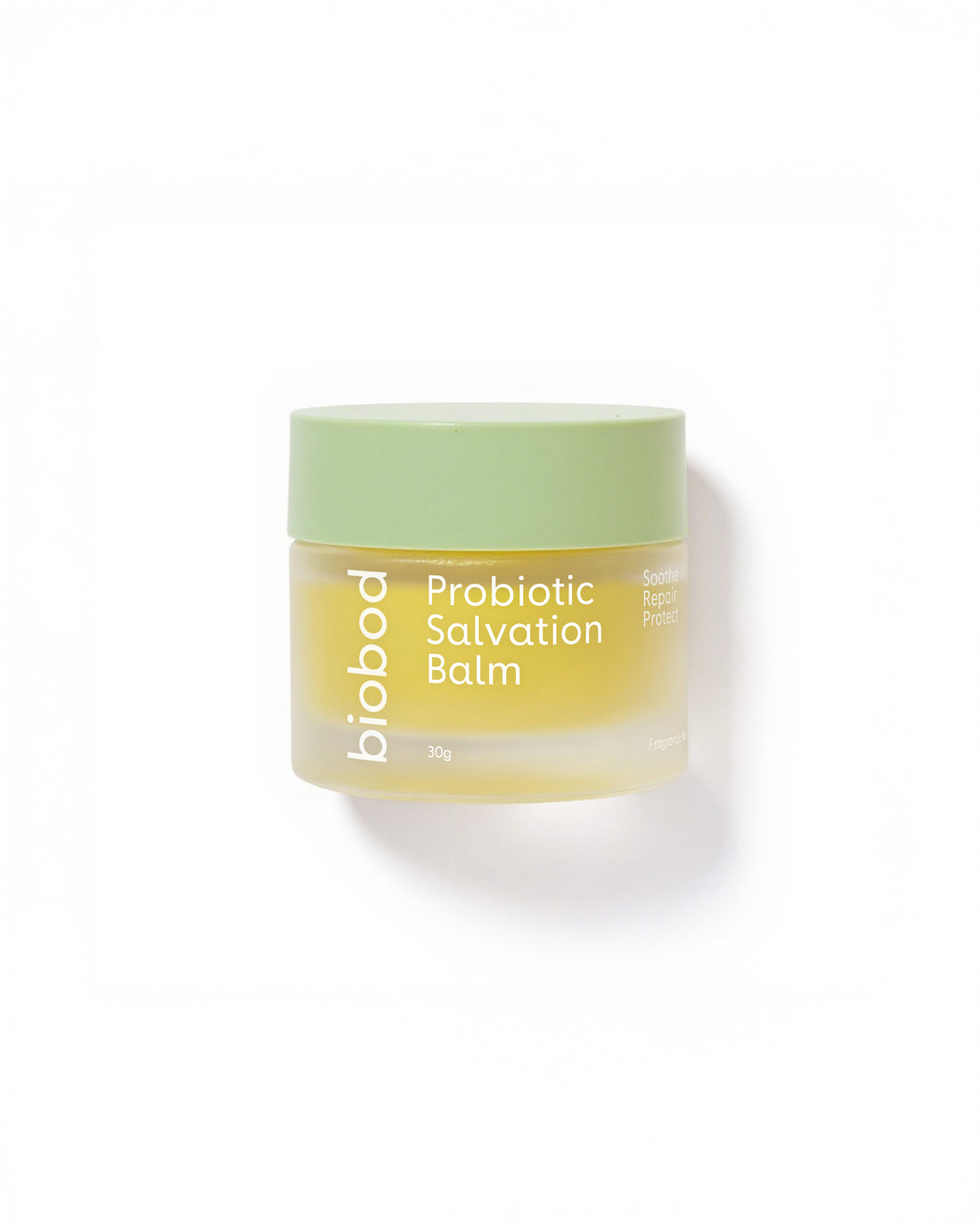
We created biobod for the most sensitive skin, so we chose to formulate without phenoxyethanol. Our Gentle Rice + Oat Cleansing Powder, Replenishing Hydra-Soothe Serum, Barrier Restore Nutrient Oil and Probiotic Salvation Balm do not contain it. Here is how each one stays fresh:
- Replenishing Hydra-Soothe Serum is our only water-based product in this routine. It uses multifunctional glycols (1,2-hexanediol, caprylyl glycol and pentylene glycol) that support hydration and help keep the formula fresh.
- Barrier Restore Nutrient Oil and Probiotic Salvation Balm are waterless. They contain antioxidants, vitamin E and totarol, to help protect the oils from oxidation.
- Gentle Rice + Oat Cleansing Powder is a dry powder that you activate with water in your hands, so the product in the jar stays dry.
All four are fragrance free, essential oil free and made in Australia.
Recommended biobod products
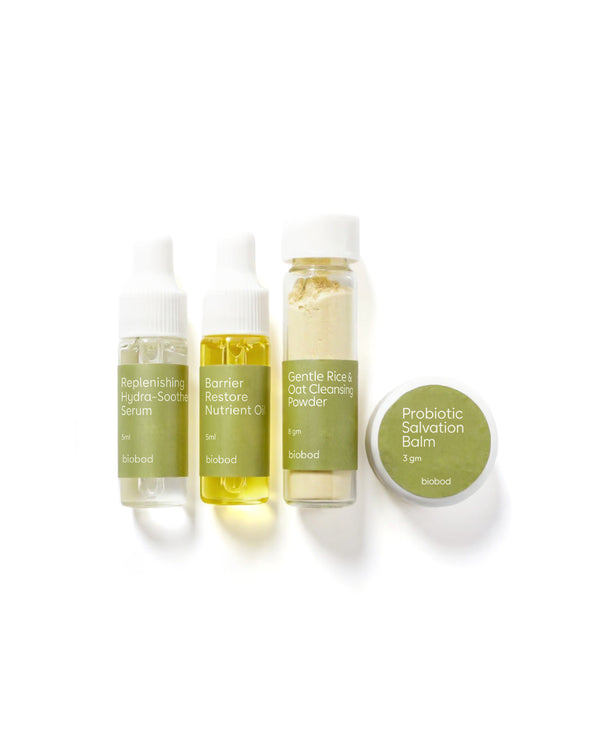
Discovery Set
Trial sizes of all four phenoxyethanol-free steps, so you can patch test one at a time.
Try it for $25
Replenishing Hydra-Soothe Serum
Oil-free hydration that soothes, kept fresh with multifunctional glycols.
Shop the serum
Barrier Restore Nutrient Oil
A waterless blend of plant squalane and omega-rich oils to support your barrier.
Shop the oilRelated reading
- Alcohol in skincare: which alcohols dry your skin and which ones help it
- 10 skincare ingredients to avoid for sensitive skin
- The clean beauty ingredient checklist
- The best hydrating serum for dry, sensitive skin
- Our ingredient glossary
FAQs
What percentage of phenoxyethanol is safe?
The EU permits phenoxyethanol at up to 1% in cosmetics, and its Scientific Committee on Consumer Safety has concluded it is safe at that level. Most products use 1% or less.
Is phenoxyethanol natural?
The phenoxyethanol used in skincare is made in a lab. That keeps its purity and quality consistent from batch to batch.
Is phenoxyethanol banned?
No. Phenoxyethanol is permitted in cosmetics in Australia and the EU. In the EU it is restricted to a maximum of 1%.
Is phenoxyethanol drying like alcohol?
No. Although it is chemically an alcohol, it is used in tiny amounts to preserve products. It does not have the drying, fast-evaporating effect of alcohol denat or ethanol.
Do biobod products contain phenoxyethanol?
No. Our Cleansing Powder, Hydra-Soothe Serum, Nutrient Oil and Probiotic Balm are formulated without phenoxyethanol. The serum stays fresh with multifunctional glycols, the oil and balm are waterless, and the cleanser is a dry powder.
Want a routine without phenoxyethanol?
Our $25 Discovery Set gives you trial sizes of all four steps, so you can patch test and introduce one product at a time. Backed by our 30-day Happiness Guarantee.
Shop the Discovery Set