
Best Rosacea Skin Care Regimen: Calm, Repair and Strengthen Sensitive Skin
The best rosacea skin care regimen is not about doing more, it is about doing less, more gently and more intentionally. When your skin is prone to redness, flushing and sensitivity, every product and step needs to support the skin barrier rather than challenge it.
Rosacea is a condition rooted in inflammation and barrier dysfunction, which means the goal of your routine should always be to calm, protect and restore. Once the skin feels safe again, it begins to behave differently. Redness softens, flare-ups reduce, and the skin becomes more resilient over time.
If you're navigating rosacea for the first time, understanding the condition is the first step — start with what rosacea is and what causes it.
What is the best rosacea skin care regimen?
- Use a gentle, non-stripping cleanser
- Hydrate with calming, barrier-supporting ingredients
- Nourish with lipid-rich oils to strengthen the skin barrier
- Avoid harsh exfoliants and active ingredients
- Keep your routine simple and consistent
Why rosacea-prone skin needs a different approach
Rosacea is not just surface redness. It is a sign that the skin barrier is compromised and the skin’s immune response is heightened. This makes it more reactive to common triggers like temperature changes, stress, ingredients, and even water.
When the barrier is weakened, moisture escapes and irritants enter more easily. This leads to inflammation, flushing, and the cycle many people feel stuck in.
This is why the best rosacea skin care regimen focuses on barrier repair first. Instead of layering actives, the goal is to rebuild the skin’s natural defence system.
If you’re still unsure what’s actually happening within the skin, it helps to understand the root cause — read more about what is rosacea and what causes it.
The ideal rosacea routine step by step
Step 1: Cleanse gently
Cleansing should never leave your skin feeling tight or dry. A gentle cleanser helps remove impurities while maintaining the skin’s natural oils.
Harsh cleansers can strip the barrier and worsen redness, so choosing a soothing, non-foaming formula is essential.
Step 2: Hydrate and calm
Hydration is one of the most important steps for rosacea-prone skin. Ingredients that support the microbiome and calm inflammation help reduce visible redness and sensitivity.
This is where a barrier-first approach becomes powerful. Hydrating the skin properly reduces reactivity over time.
Step 3: Nourish and protect
Oils and lipid-rich formulations help seal in hydration and reinforce the skin barrier. This step prevents water loss and protects against environmental triggers.
When used consistently, nourishing oils can improve skin comfort, reduce irritation, and support long-term skin health.
The best product to support your rosacea routine
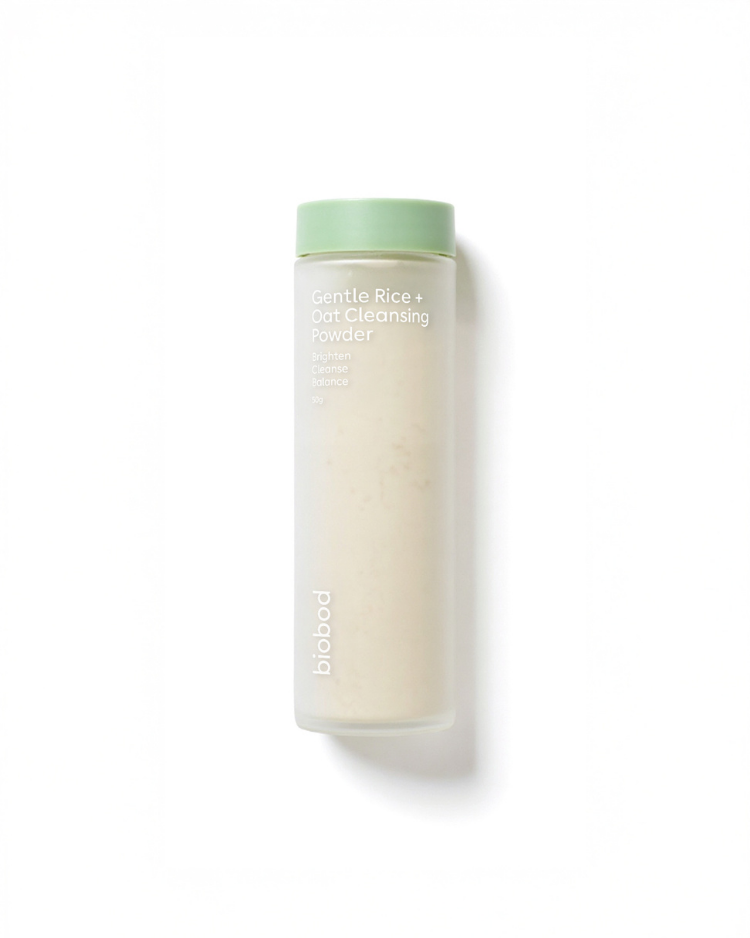
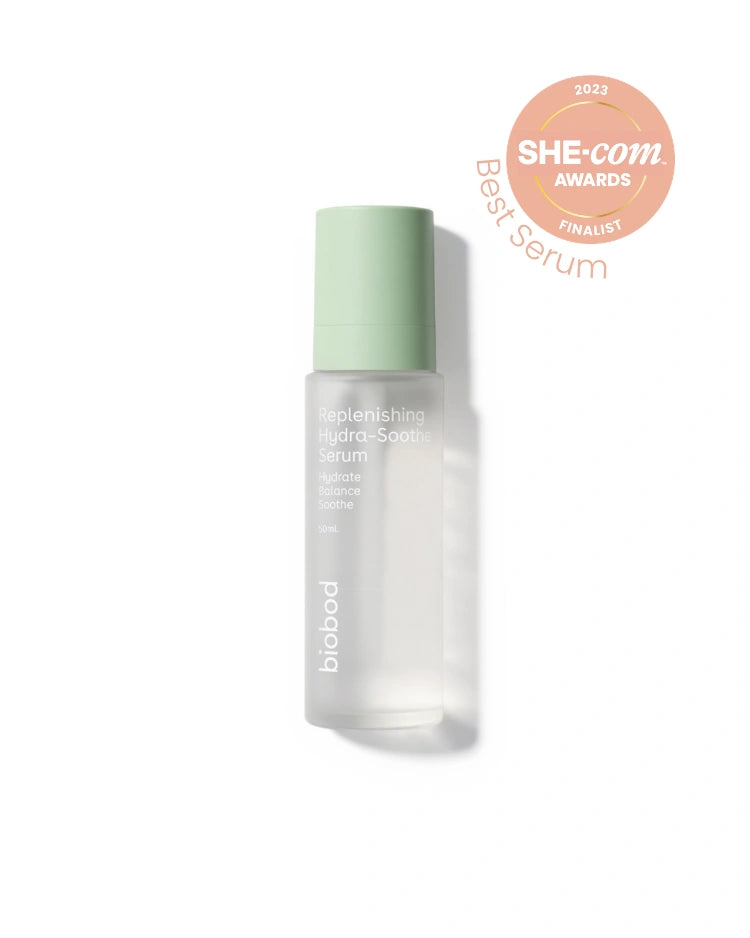
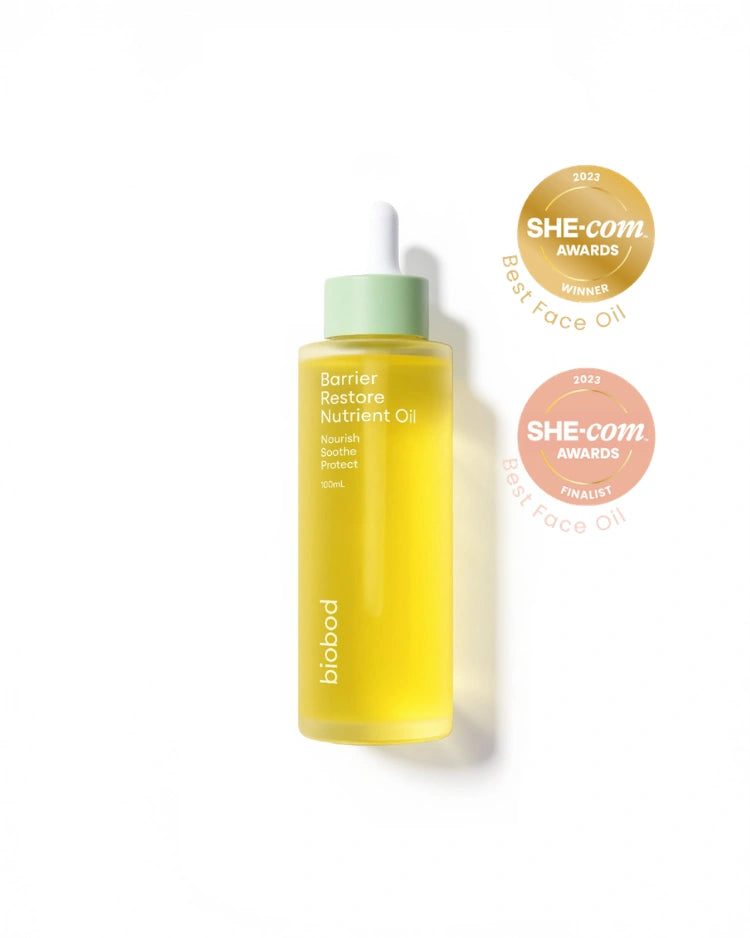
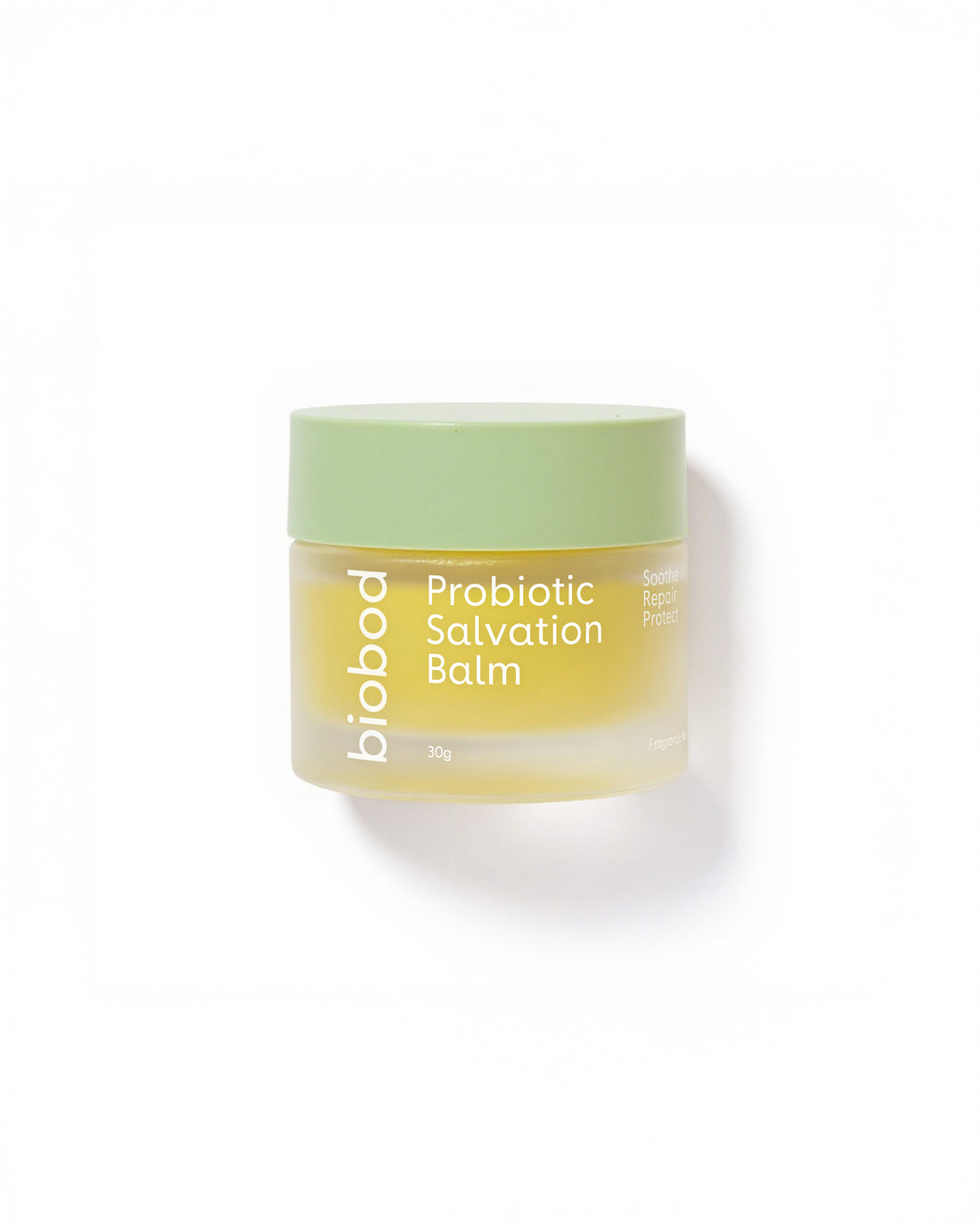
For those looking to simplify their routine while still supporting sensitive skin, the Skin Reset System: Brighten, Hydrate & Nourish offers a complete barrier-first approach.

This system is designed to gently cleanse, deeply hydrate and nourish the skin using microbiome-supporting ingredients that align with what rosacea-prone skin needs most.
Rather than overwhelming the skin with multiple products, it focuses on restoring balance, calming inflammation, and strengthening the skin barrier over time.

Ingredients to look for in a rosacea skin care regimen
Choosing the right ingredients makes all the difference. Rosacea-prone skin responds best to calming, supportive formulations.
- Centella asiatica to calm inflammation and support healing
- Prebiotics and postbiotics to balance the skin microbiome
- Omega-rich oils to strengthen the skin barrier
- Squalane for lightweight hydration without irritation
Ingredients to avoid
Some ingredients can trigger flare-ups or worsen sensitivity.
- Fragrance and essential oils
- Harsh exfoliating acids
- Alcohol-based products
- Strong actives like high-strength retinoids
For rosacea, less is often more. Keeping your routine simple helps reduce the risk of irritation.
If you’re looking for a deeper breakdown of what to choose, explore which skincare products are good for rosacea prone skin.
How long does it take to see results?
With the best rosacea skin care regimen, results are gradual but meaningful. Many people begin to notice reduced redness and improved comfort within a few weeks.
True barrier repair takes time, often around four to eight weeks, depending on the condition of the skin. Consistency is key.
Common mistakes that make rosacea worse
Even with good intentions, certain habits can worsen rosacea.
- Over-exfoliating or using too many actives
- Switching products too frequently
- Using harsh cleansers or scrubs
- Ignoring hydration
Focusing on simplicity and consistency often leads to better results than constantly trying new products.
Over-exfoliation is one of the most common triggers for flare-ups — here’s how to exfoliate sensitive, rosacea-prone skin safely.
Daily habits that support rosacea-prone skin
Skincare is only one part of managing rosacea. Lifestyle factors also play a role.
- Avoid extreme heat and sudden temperature changes
- Use lukewarm water when cleansing
- Manage stress where possible
- Protect your skin from environmental triggers
Small changes can make a noticeable difference over time.
Alongside your routine, daily habits play a role — here’s how to manage rosacea and reduce skin redness more effectively.
A gentle, barrier-first philosophy
The best rosacea skin care regimen is one that works with your skin, not against it. When you prioritise barrier health, hydration and calm, your skin begins to shift.
Rather than reacting constantly, it becomes more stable, more resilient, and more comfortable in its natural state.
This is where true skin confidence begins, not in covering redness, but in supporting your skin so it no longer needs to fight so hard.
Frequently asked questions
What is the best rosacea skin care regimen?
The best rosacea skin care regimen focuses on gentle cleansing, hydration, and barrier repair while avoiding harsh ingredients that trigger inflammation.
Can rosacea be improved with skincare?
Yes, consistent use of calming, barrier-supporting products can reduce redness and improve skin resilience over time.
What should you avoid if you have rosacea?
Avoid fragrance, harsh exfoliants, alcohol-based products, and strong active ingredients that can trigger irritation.
How often should you exfoliate rosacea-prone skin?
Exfoliation should be minimal and gentle, or avoided altogether during flare-ups.
Is a simple skincare routine better for rosacea?
Yes, a simple and consistent routine helps reduce irritation and supports long-term skin health.