
Last updated: August 2026 · Estimated reading time: 8 minutes
By Natalie, Founder of biobod
You changed your skincare because you wanted something cleaner, gentler and better for your skin.
You chose natural ingredients. You stopped using products that sounded harsh. You may have switched to botanical oils, plant extracts or products scented with essential oils. But instead of becoming calmer, your skin feels tight, itchy, congested or unpredictable.
This does not necessarily mean clean beauty is bad. It may simply mean that the definition of “clean” has not gone far enough for sensitive or reactive skin.
For sensitive skin, the question is not only whether an ingredient is natural or synthetic. A more useful question is: how is my skin likely to respond to it?
Key takeaways
- Natural does not automatically mean gentle or suitable for sensitive skin.
- Essential oils are aromatic fragrance ingredients and may irritate some reactive skin.
- “Clean” and “sensitive-skin suitable” are two different formulation standards.
- A compromised skin barrier can make previously comfortable products sting or burn.
- Skin-identical and biocompatible ingredients can offer familiar, supportive building blocks.
- A small, consistent routine is often more helpful than adding another strong active.
Table of contents
- Can clean or natural skincare make sensitive skin worse?
- Natural does not always mean gentle
- Essential oils are still fragrance
- Clean beauty often focuses on what is excluded
- Clean and sensitive-skin suitable are different standards
- Your skin may need familiarity, not intensity
- Signs your skin barrier may be struggling
- How do you calm a compromised skin barrier?
- Clean skincare should still feel beautiful
- Recommended biobod products
- Clean should mean considered
- FAQs
Can clean or natural skincare make sensitive skin worse?
It can, for some people. “Clean” and “natural” describe where an ingredient comes from and what a product leaves out, not how your individual skin will react to what remains inside the formula.
If a product still contains fragrance, essential oils or several active botanicals, reactive skin can respond with the redness, tightness or breakouts you were trying to escape. The rest of this article explains why and what to do instead.
Natural does not always mean gentle
Plants contain thousands of naturally occurring compounds. This complexity can make botanical ingredients powerful, but it can also make them difficult for reactive skin to tolerate.
Essential oils are a good example. Lavender, citrus, peppermint, eucalyptus and tea tree oils may smell fresh and natural, but their aromatic compounds can be irritating or sensitising for some people. This is particularly relevant when the skin barrier is already compromised.
A healthy skin barrier helps hold moisture in and keeps potential irritants out. When that barrier becomes disrupted, ingredients that once felt fine may suddenly sting, burn or cause redness. That is why clean skincare for sensitive skin needs to consider more than whether an ingredient came from nature.
Essential oils are still fragrance
Many people move away from artificial fragrance but continue using products scented with essential oils. From the skin’s perspective, however, both can contain aromatic compounds. A product can be naturally fragranced and still be unsuitable for someone who reacts to fragrance.
This does not mean every person must avoid essential oils. Plenty of people use them without experiencing a problem. But when your skin is persistently reactive, fragrance is one of the first variables worth removing. Learn more in Are Essential Oils Good for Skin? and our guide to fragrance-free skincare for sensitive skin.
Look for products labelled fragrance-free, rather than simply “naturally fragranced” or “free from artificial fragrance”.
Clean beauty often focuses on what is excluded
Traditional clean beauty messaging tends to revolve around long “free-from” lists. No parabens. No sulfates. No silicones. No synthetic fragrance. This can be helpful, but it does not tell you whether the ingredients left inside the formula are right for your skin.
A product can meet a brand’s definition of clean while still containing strong essential oils, exfoliating botanicals or a large number of active plant extracts.
Instead of only asking what has been removed, also look at what has been added:
- Does the formula contain ingredients designed to support the skin barrier?
- Is it fragrance-free?
- Is it trying to do too many things at once?
- Does it contain ingredients you already know your skin dislikes?
Our clean beauty ingredient checklist can help you assess the whole formula rather than relying on the front label alone.
Clean and sensitive-skin suitable are different standards
At biobod, clean formulation starts with ingredient selection. Every ingredient is screened against the EWG Skin Deep database and selected for a low hazard score. We then apply a separate sensitive-skin lens, screening formulas for common allergens and potential irritants.
These are two different standards. An ingredient can have a low hazard rating and still be unsuitable for someone with highly reactive skin. Truly considered sensitive skincare needs to account for both ingredient safety and the possibility of irritation or sensitisation.
The best non-toxic skincare ingredients are not automatically the most natural-sounding ones. They are ingredients selected carefully, used appropriately and formulated in a way that sensitive skin can tolerate.
Clean skincare compared with sensitive-skin suitable skincare
| Consideration | Clean beauty focus | Sensitive-skin focus |
|---|---|---|
| Ingredient selection | Often considers ingredient origin and excluded ingredients. | Also considers common irritants, allergens and individual tolerance. |
| Fragrance | May exclude synthetic fragrance but include essential oils. | Often prioritises fragrance-free and essential oil-free formulas. |
| Formula complexity | Can still include many active botanicals. | Usually benefits from fewer potential triggers and a focused purpose. |
| Barrier support | Not always a defining requirement. | Looks for hydration, supportive lipids and non-stripping cleansing. |
| Best question to ask | What has been left out? | How is my skin likely to respond to the complete formula? |
Your skin may need familiarity, not intensity
Skin-identical and biocompatible ingredients are designed to resemble components already found within the skin or its protective barrier. Examples can include squalane, fatty acids, amino acids and other supportive lipids.
The purpose is not to force the skin into a dramatic overnight transformation. It is to give it familiar building blocks while reducing exposure to unnecessary triggers.
This can be particularly helpful when your skin has been over-treated with strong acids, retinoids, scrubs, peels or an overly complicated routine. Sensitive skin often does not need another powerful active. It may need fewer disruptions and more consistent support. We explore this further in Beyond Natural: Skin-Identical Skincare.
Signs your skin barrier may be struggling
Your skin barrier may need attention if:
- products that previously felt comfortable suddenly sting
- your skin feels tight shortly after cleansing
- redness comes and goes without an obvious cause
- your skin feels both dry and congested
- you experience increased flaking or roughness
- you keep changing products but nothing seems to settle
These signs can have several causes, so persistent or severe symptoms should be discussed with a qualified health professional. For many people, however, simplifying their routine is a useful place to begin.
You may also find our guides to what the skin barrier is, restoring the skin barrier and tight, itchy skin helpful.
How do you calm a compromised skin barrier?
Start by removing the most obvious sources of irritation. Pause strong exfoliants, scrubs and heavily fragranced products. Avoid introducing several new products at the same time. Choose a gentle cleanser and a small number of barrier-supportive products.
Your routine does not have to feel active to be working. A simple routine might include:
- Cleanse with a non-stripping, fragrance-free cleanser.
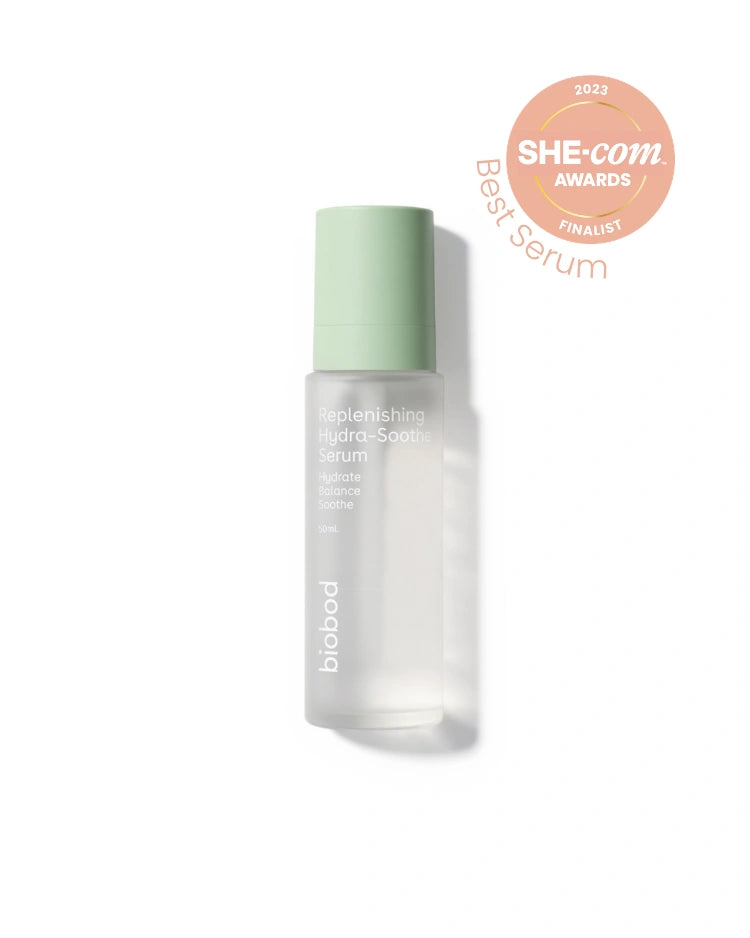
- Hydrate with a calming, hydration-focused serum.
- Support with a moisturiser, oil or balm suited to your skin.
- Protect with daily sun protection suited to your skin.
Introduce products gradually and patch test when appropriate. This makes it easier to identify what your skin responds to. See our simple skincare routine for a gentle place to begin.
Myth: If a skincare routine does not tingle, peel or feel highly active, it is not working.
Fact: Sensitive skin often benefits from calm, consistent barrier support. Comfort and gradual improvement can be more useful signals than immediate intensity.
Clean skincare should still feel beautiful
Removing fragrance, essential oils and common allergens is only part of the formulation challenge. Skincare still needs to feel elegant, absorb well and smell pleasant enough that you want to use it every day.
Raw materials have their own natural aromas. Without added fragrance to mask them, creating a product that smells clean and pleasant requires careful formulation.
The biobod range took three years to develop because we did not want sensitive skin to settle for products that were clean on paper but heavy, medicinal or unpleasant to use.
Recommended biobod products for a simplified routine
These formulas can help you begin with fewer products and introduce each step gradually. Always patch test when appropriate and seek professional advice for persistent or severe skin symptoms.
Start here
Discovery Set

Best for: Trying a complete introductory routine before committing to full-sized products.
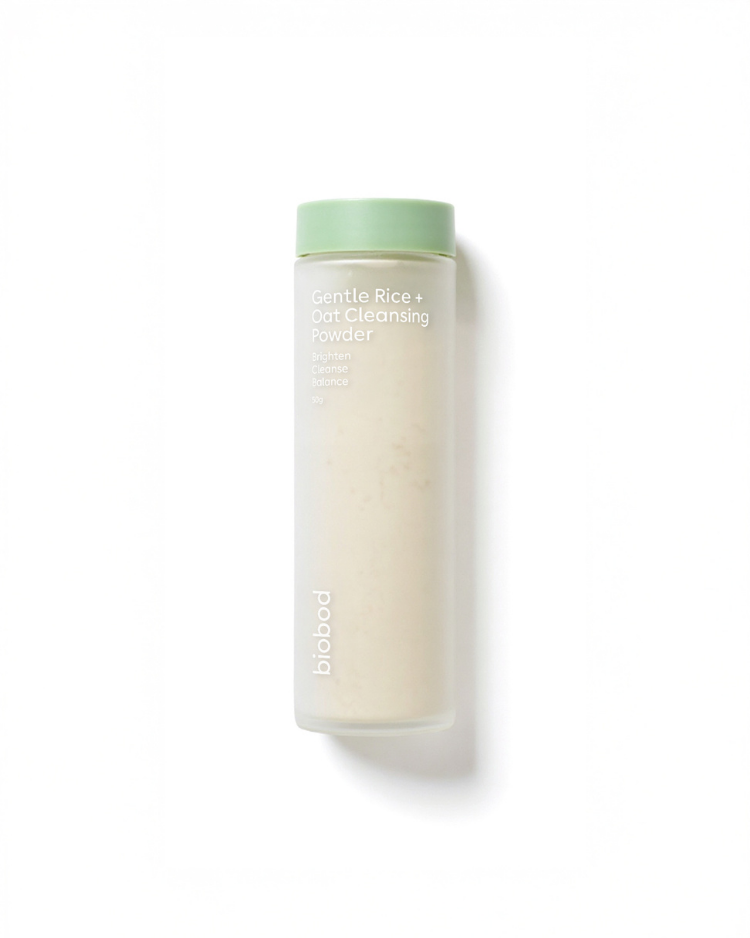
Includes the Gentle Rice + Oat Cleansing Powder, Replenishing Hydra-Soothe Serum, Barrier Restore Nutrient Oil and Probiotic Salvation Balm in trial sizes.
Explore the Discovery SetBarrier-supportive oil
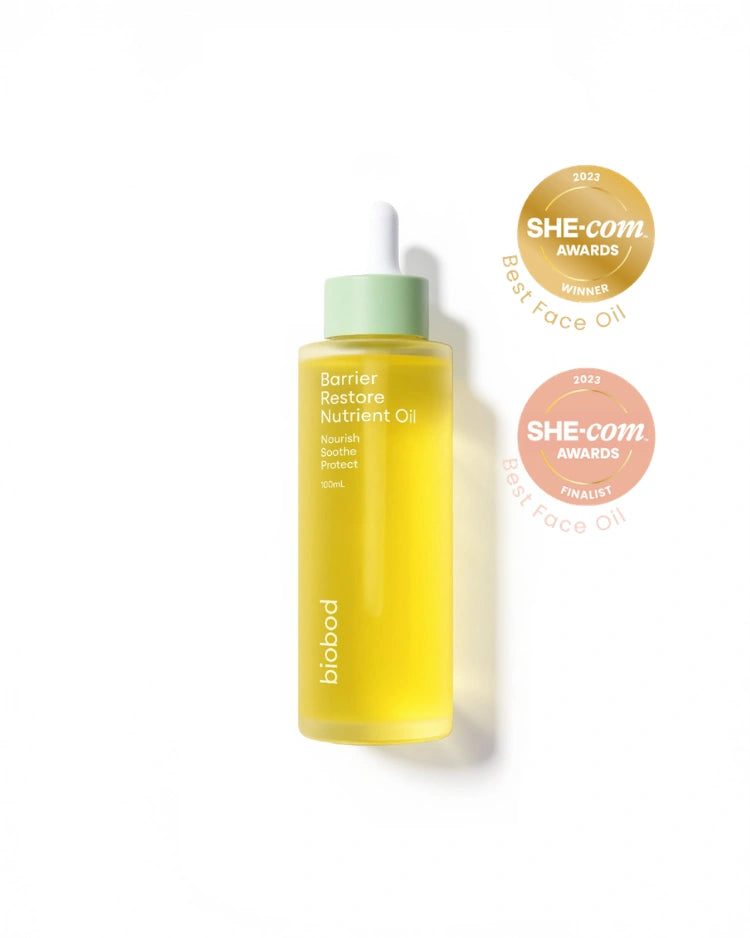
Barrier Restore Nutrient Oil

Best for: Dry, depleted or reactive-feeling skin needing a nourishing finishing step.
A biocompatible facial oil featuring squalane and supportive plant lipids to help soften and nourish the skin.
Explore the Nutrient OilTargeted balm
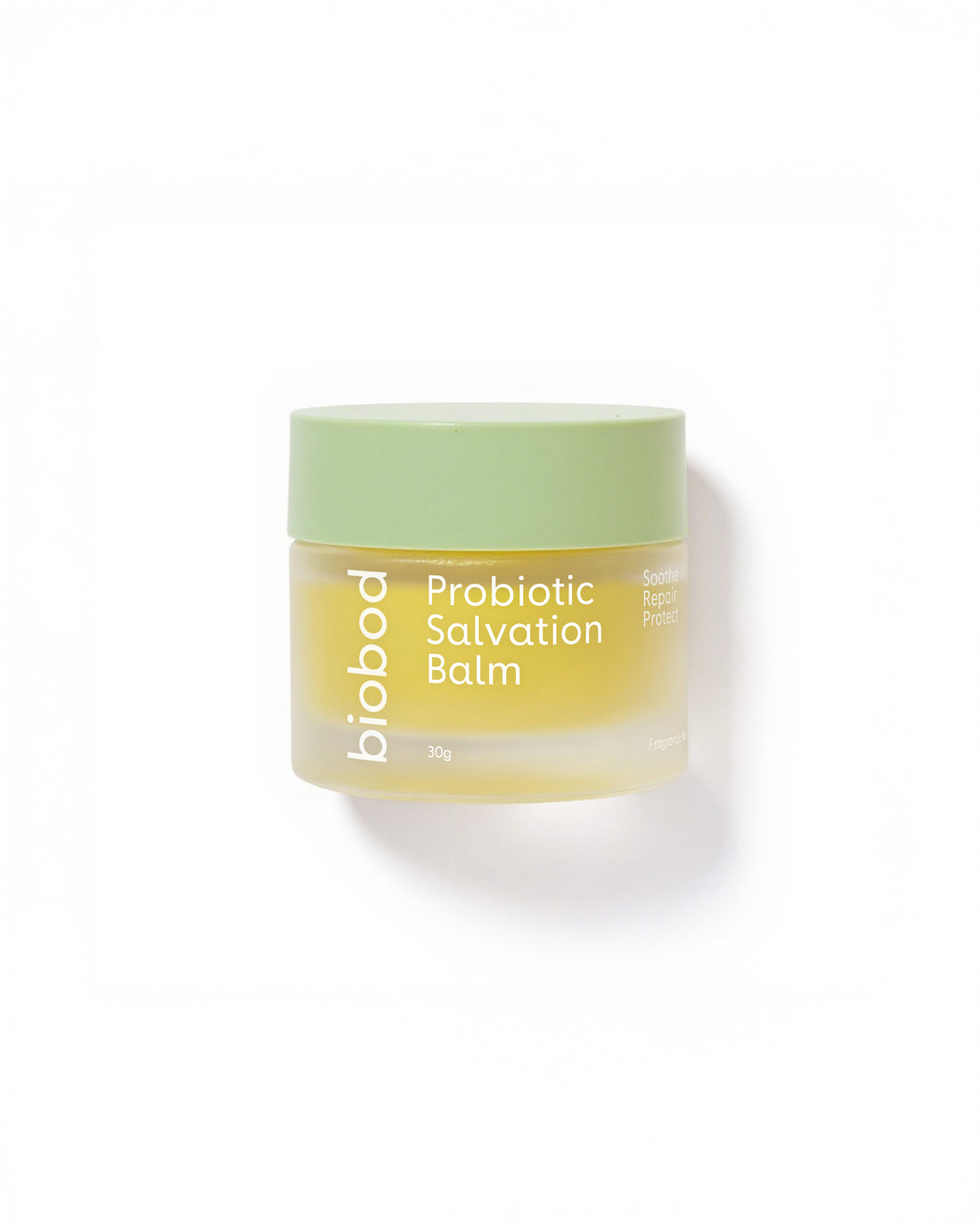
Probiotic Salvation Balm

Best for: Very dry, rough or irritated-feeling areas on the face and body.
A fragrance-free, essential oil-free balm designed to nourish and reinforce the skin’s protective barrier.
Explore the Salvation BalmClean should mean considered
At biobod, we believe sensitive skincare should meet three standards. Every ingredient is screened against the EWG Skin Deep database and selected for a low hazard score. Each formula is separately reviewed for common allergens and unnecessary irritants. It is then refined until it feels beautiful on the skin and smells pleasant without added fragrance or essential oils.
It is not about treating every natural ingredient as good or every synthetic ingredient as bad. It is about creating formulas that respect how sensitive skin behaves.
Ready to understand your skin? Download our Healthy Skin eBook to learn how to identify common triggers, simplify your routine and start supporting your skin barrier.
Or begin with the biobod Discovery Set, a complete introductory routine designed to help you experience the range before committing to full-sized products. Introduce one product at a time and pay attention to how your skin feels, not just how it looks on day one.
Related reading
- Sensitive Skin 101
- What Is the Skin Barrier and How Can You Protect It?
- How to Restore Your Skin Barrier
- Are Essential Oils Good for Skin?
- Fragrance-Free Skincare for Sensitive Skin
- Squalane Oil for the Face
- A Simple Skincare Routine
FAQs
Can clean or natural skincare make sensitive skin worse?
It can for some people. “Clean” and “natural” describe where ingredients come from and what is left out, not how your skin reacts to what remains. Fragrance, essential oils and multiple active botanicals in a clean formula can still trigger reactive skin.
Are all natural ingredients safe for sensitive skin?
No. Natural plant compounds can be highly active and, when concentrated, may irritate or sensitise reactive skin. Essential oils such as citrus, peppermint and lavender are common examples. Natural is not the same as gentle.
Are essential oils bad for sensitive skin?
Not for everyone, but from the skin’s perspective essential oils are a form of fragrance. If your skin is persistently reactive, they are one of the first variables worth removing. Choose fragrance-free and essential oil-free formulas.
Why does my skin sting after switching to clean skincare?
It may be because the skin barrier is compromised, causing ingredients that once felt fine to sting. It may also be because a clean product still contains fragrance, essential oils or strong botanicals. Simplifying the routine can help you identify potential triggers.
How do I calm a compromised skin barrier?
Pause exfoliants, scrubs and fragranced products, avoid introducing several products at once and use a small number of gentle, barrier-supportive products with daily sun protection. See a qualified health professional if symptoms are persistent or severe.
Clean skincare should not ask sensitive skin to tolerate more simply because the ingredients sound natural. It should be thoughtful, well-formulated and comfortable enough to use consistently.
Choose fewer products. Introduce them slowly. Pay attention to how your skin responds. That is where considered skincare begins.
Start gently: Explore the Discovery Set, Barrier Restore Nutrient Oil or Probiotic Salvation Balm and introduce one formula at a time.
EWG disclaimer: biobod screens ingredients against information in the EWG Skin Deep database as part of its own formulation process. This does not imply that EWG has certified or endorsed biobod or its finished products.