
Last updated 6 November 2026 · 9 min read
By Natalie, Founder of biobod
Holistic lifestyle skincare means looking after the habits that shape how your skin looks and feels, not just the products you put on it. Sleep, stress, diet, hydration, movement and sun exposure all show up on your skin. You don't need a life overhaul: consistent sleep, a varied plant-rich diet, daily sun protection and a short, gentle routine cover most of it.
Key takeaways
- Lifestyle and skincare work together. Products look after the skin surface; habits support the rest of you.
- Short or broken sleep often shows on your face first, as dullness and a tired look.
- Stress can leave skin feeling more reactive. A calm two-minute routine can double as a daily reset.
- A varied diet with plenty of plants, healthy fats and fermented foods supports overall wellbeing, which many people see reflected in their skin.
- Daily sun protection is the single most important lifestyle habit for your skin in Australia.
Table of contents
- Does lifestyle really affect your skin?
- How does sleep affect your skin?
- How does stress show up on your skin?
- What dietary changes support a holistic approach to skin?
- Does drinking water hydrate your skin?
- Exercise, sweat and your skin
- Sun protection: the habit that matters most
- Air-con, heating and travel
- A simple weekly holistic skin checklist
- Where your skincare routine fits
- FAQs
Does lifestyle really affect your skin?
Yes. Your skin is part of your body, not separate from it, so the way you sleep, eat, move and manage stress can all show up in how it looks and feels. That's the idea at the heart of holistic skincare: products support the skin from the outside, and everyday habits support it from the inside.
The good news is that this isn't another to-do list. Skincare shouldn't be a second job, and neither should your lifestyle. Small, consistent habits matter far more than perfect ones.
How does sleep affect your skin?
A run of short nights often shows on your face first. In one Swedish study, people photographed after a night of sleep deprivation were rated by observers as having more hanging eyelids, darker circles under the eyes, paler skin and a sadder, more tired look than after a normal night's sleep.
A few simple habits help:
- Keep a regular bedtime, even on weekends, where you can.
- Do your skincare earlier in the evening so it's done before you're too tired to bother.
- Change your pillowcase often. A smooth silk pillowcase is gentler on skin and hair, and many people find it more comfortable. You'll find ours in accessories.
- Seal in hydration overnight with a face oil, or a balm on drier nights, so your skin doesn't wake up feeling tight.
How does stress show up on your skin?
Many people notice their skin feels more reactive, drier or simply "off" during stressful periods. Research supports the connection: in a study of students during exam time, psychological stress was linked with slower recovery of the skin barrier after it was disrupted.
You can't remove stress from life, but you can stop your skincare adding to it:
- Keep your routine short. Three steps you can do on autopilot are easier to stick with on hard weeks than ten.
- Use it as a pause. Take three slow breaths while you cleanse, and warm your face oil between your palms before pressing it in. Two calm minutes can double as a small daily reset.
- Don't change products in a stressful week. If your skin feels reactive, it's the worst time to introduce something new.
- Move, get outside and sleep where you can. They help your stress levels and your skin.
Myth
A stressed-out skin needs more products.
Fact
When skin feels reactive, simplifying usually helps more than adding. Strip back to cleanse, hydrate and seal, and give your skin time to settle.
What dietary changes support a holistic approach to skin?
A varied diet with plenty of plants, healthy fats, protein and fermented foods supports your overall wellbeing, and many people find that reflected in their skin. Focus on adding rather than cutting out:
- Colourful fruit and vegetables for a wide range of nutrients and fibre
- Healthy fats from oily fish, avocado, olive oil, nuts and seeds
- Fermented foods such as yoghurt, kefir, sauerkraut and kimchi
- Wholegrains and legumes for fibre, which feeds your gut microbiome
- Enough protein across the day
Researchers are increasingly interested in the gut-skin axis, the two-way relationship between your gut microbiome and your skin. We cover the science in the gut-skin axis explained, and list 20 foods worth adding in what to eat for healthy skin.
Can changing your diet clear your skin?
Food supports your general health, but no single food or diet is guaranteed to change your skin. If you have a persistent skin concern, or you're thinking about cutting out whole food groups, talk to your GP, a dermatologist or an accredited practising dietitian first.
Does drinking water hydrate your skin?
Drinking enough water matters for your overall health, and being well hydrated helps you feel your best. But drinking extra water on its own won't make dry skin feel hydrated. The outermost layer of skin loses water to the air, so what you put on it matters too.
That's why a holistic routine pairs both: drink water through the day, and on your skin, apply a hydrating serum to damp skin, then seal it in with a face oil so the hydration stays put. Our skincare routine for sensitive skin walks through it step by step.
Exercise, sweat and your skin
Regular movement supports your sleep, mood and overall health, which all feed back into how your skin looks and feels. A post-workout glow is mostly increased blood flow, and it's a good sign.
- Rinse your face with lukewarm water after a sweaty session, or do a gentle cleanse if you were wearing sunscreen or makeup.
- Skip hot showers straight after exercise if your skin feels tight afterwards.
- Wear sunscreen for outdoor training, and reapply after heavy sweating.
Sun protection: the habit that matters most
Australia has some of the highest UV levels in the world, so daily sun protection is the most important lifestyle habit for your skin. Cancer Council Australia recommends protecting your skin whenever the UV Index is 3 or above, using a combination of:
- Protective clothing
- Broad-spectrum, water-resistant SPF30 or higher sunscreen, applied generously and reapplied every two hours
- A broad-brimmed hat
- Shade
- Close-fitting, wraparound sunglasses
Check the daily UV Index in the free SunSmart app or on the Bureau of Meteorology website. If your skin is sensitive, patch test a new mineral sunscreen like any other new product.
Air-con, heating and travel
Dry indoor air, hot showers, wind and long flights can all leave skin feeling tight and dry. A few small changes help:
- Keep showers lukewarm and short.
- Apply your serum and oil while your skin is still slightly damp.
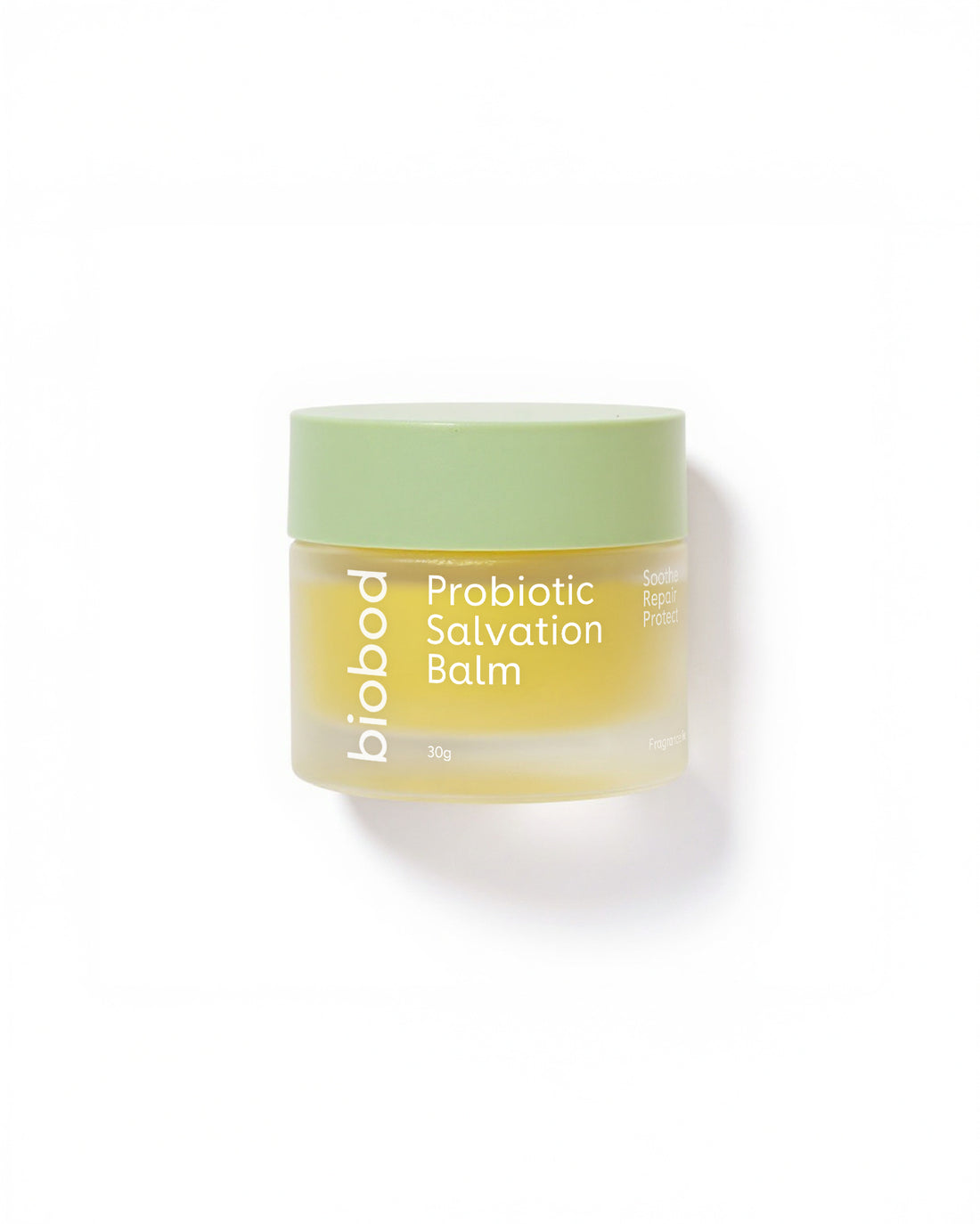
- Add a balm on drier days, or carry a small one when flying.
- Cleanse gently in the evening to remove sunscreen and the day's build-up, without over-cleansing.
A simple weekly holistic skin checklist
You don't need to do all of this perfectly. Aim for most of it, most weeks.
| Habit | Simple target |
|---|---|
| Sleep | A regular bedtime most nights; fresh pillowcase each week |
| Skincare | Cleanse, hydrate and seal, morning and night |
| Sun | SPF30+ and a hat whenever the UV Index is 3 or above |
| Food | Plants at most meals; fermented food a few times a week |
| Water | A water bottle within reach through the day |
| Movement | Something you enjoy, most days; rinse your face after |
| Stress | Two calm minutes a day, even if it's just your skincare |
Worth knowing
Lifestyle changes support how your skin looks and feels, but they aren't a substitute for medical care. If your skin is persistently red, itchy, painful or flaking, or you notice a new or changing spot, see your GP or a dermatologist.
Where your skincare routine fits
Lifestyle habits look after you from the inside. Your skincare routine looks after the skin surface from the outside. The two work best together, and neither needs to be complicated.
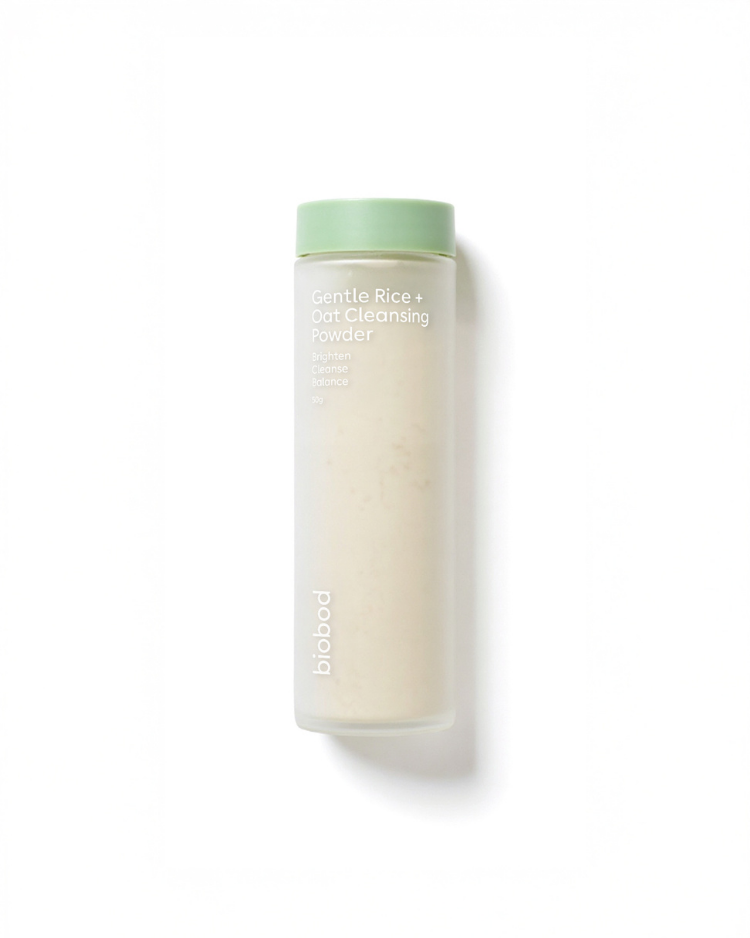
Our range is built around a three-step routine you can do in two minutes: a fragrance-free cleanser, a hydrating serum and a face oil, with a balm for drier days. It's designed for the most sensitive skin and built on The Biome Advantage™, our approach to supporting the skin barrier and microbiome. Not sure what to look for in a product? Read holistic skincare products: what to look for.
Recommended biobod products
The two-minute routine

Skin Reset System
Cleanse, hydrate and seal in one fragrance-free set.
Shop the systemOvernight comfort

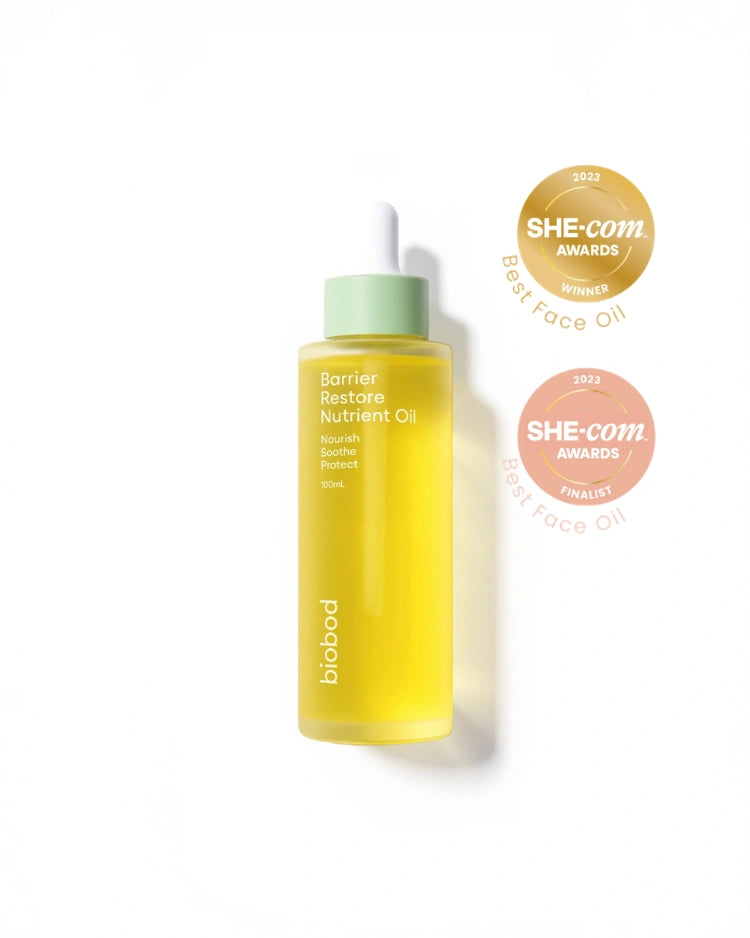
Barrier Restore Nutrient Oil
Press in a few drops at night to seal in hydration while you sleep.
Shop oilHydrate

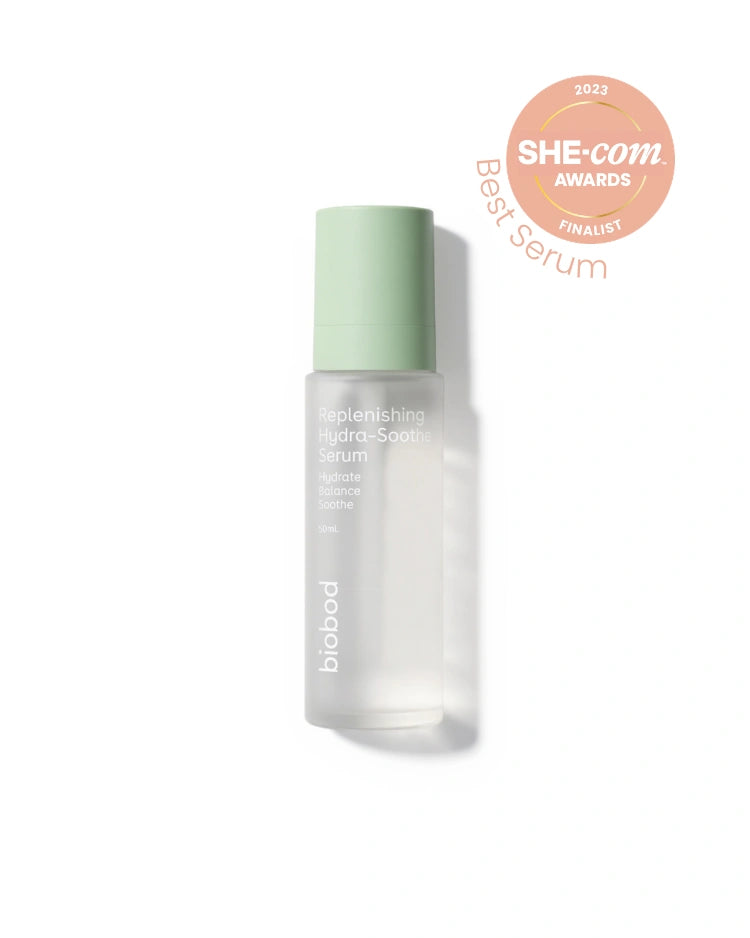
Replenishing Hydra-Soothe Serum
A lightweight, fragrance-free serum for skin that feels dry from air-con, travel or stress.
Shop serumRelated reading
- What Is Holistic Skincare? A Simple, Whole-Skin Approach
- What to Eat for Healthy Skin: 20 Foods Your Skin Loves
- The Gut-Skin Axis Explained
- How to Get Healthy Skin
- Best Skincare Routine for Sensitive Skin
FAQs
What is holistic lifestyle skincare?
Holistic lifestyle skincare means looking after the everyday habits that influence your skin, such as sleep, stress, diet, hydration, movement and sun protection, alongside a short, gentle skincare routine. It sees your skin as part of your whole wellbeing.
Does lack of sleep affect your skin?
Yes, often visibly. Research has found that after sleep deprivation, people's faces are rated as looking more tired, with darker under-eye circles and paler skin. A regular bedtime and an evening routine that seals in hydration help.
Can stress affect your skin?
Many people notice their skin feels more reactive or dry during stressful periods, and research has linked psychological stress with slower skin barrier recovery. Keeping your routine short and gentle, and not introducing new products during stressful weeks, helps.
What foods support healthy-looking skin?
A varied diet with colourful fruit and vegetables, healthy fats from fish, avocado, nuts and seeds, wholegrains, legumes and fermented foods supports your overall wellbeing, which many people find reflected in their skin.
Does drinking more water hydrate dry skin?
Drinking enough water is important for your overall health, but extra water on its own won't make dry skin feel hydrated. Pair it with a hydrating serum on damp skin and a face oil or balm to seal the hydration in.
What is the most important lifestyle habit for your skin?
In Australia, daily sun protection. Cancer Council Australia recommends using clothing, broad-spectrum SPF30+ sunscreen, a hat, shade and sunglasses whenever the UV Index is 3 or above.
Make the routine part easy
Try our cleansing powder, serum, face oil and balm in trial sizes. The $25 Discovery Set is the simplest way to build a two-minute routine that fits your life.
Shop the Discovery SetReferences
- Sundelin T, Lekander M, Kecklund G, Van Someren EJW, Olsson A, Axelsson J. Cues of fatigue: effects of sleep deprivation on facial appearance. Sleep. 2013;36(9):1355-1360. https://doi.org/10.5665/sleep.2964
- Garg A, Chren MM, Sands LP, et al. Psychological stress perturbs epidermal permeability barrier homeostasis. Archives of Dermatology. 2001;137(1):53-59. https://doi.org/10.1001/archderm.137.1.53
- Salem I, Ramser A, Isham N, Ghannoum MA. The gut microbiome as a major regulator of the gut-skin axis. Frontiers in Microbiology. 2018;9:1459. https://doi.org/10.3389/fmicb.2018.01459
- Cancer Council Australia. Sun safety. https://www.cancer.org.au/cancer-information/causes-and-prevention/sun-safety
This article is general information only and isn't medical advice. For persistent or unusual skin concerns, see your GP or a dermatologist.