
Last updated 3 November 2026 · 9 min read
By Natalie, Founder of biobod
Holistic skincare is an approach that cares for your skin as part of your whole wellbeing. Instead of chasing quick fixes with strong actives, it combines a few gentle, barrier-friendly products with everyday habits like good sleep, stress care and a varied diet. For sensitive skin especially, doing less, more consistently, is often what helps skin feel calm and comfortable.
Key takeaways
- Holistic skincare looks at the whole picture: your products, your skin barrier and microbiome, and your lifestyle.
- It is an approach, not an ingredient list. Holistic does not have to mean natural, organic or DIY.
- A holistic routine is usually short: cleanse gently, hydrate, then seal hydration in.
- Sleep, stress, diet and sun care all show up on your skin, so they belong in the conversation.
- Holistic skincare supports how your skin looks and feels. Persistent or unusual skin concerns are a job for your GP or dermatologist.
Table of contents
- What is holistic skincare?
- What does a holistic approach to skincare involve?
- Is holistic skincare the same as natural, clean or organic skincare?
- Why does a holistic approach suit sensitive skin?
- Holistic skincare myths
- What does a holistic skincare routine look like?
- How do lifestyle habits show up on your skin?
- What holistic skincare is not
- How to tell if a skincare brand is genuinely holistic
- How biobod approaches holistic skincare
- FAQs
What is holistic skincare?
Holistic skincare is a way of caring for your skin that looks at it as one connected system rather than a list of separate problems. It pairs gentle products that support your skin barrier with the everyday habits that influence how your skin looks and feels, such as sleep, stress, diet and sun protection.
The word "holistic" comes from the idea of looking at the whole rather than the parts. In skincare, that means asking a different question. Instead of "what can I put on this spot?", you ask "what does my skin need to feel balanced, and what might be getting in its way?"
Often the answer is fewer products, not more. Many people come to holistic skincare after years of layering strong actives, trying every new launch and following ten-step routines, only to find their skin feels more reactive than when they started.
What does a holistic approach to skincare involve?
A holistic approach usually rests on four pillars. None of them is complicated, and none of them needs a big budget.
| Pillar | What it means | In practice |
|---|---|---|
| 1. Support the skin barrier | Your outermost layer of skin helps hold in moisture and keep irritants out. | Cleanse without stripping, hydrate, then seal hydration in with an oil or balm. |
| 2. Respect the skin microbiome | Your skin is home to a community of microorganisms that live alongside your barrier. | Avoid over-cleansing, harsh scrubs and fragrance-heavy products that can unsettle the skin surface. |
| 3. Choose gentle, transparent products | Fewer, well-chosen products with clear ingredient lists. | Fragrance-free, low-irritant formulas and introducing one new product at a time. |
| 4. Look after the rest of you | Sleep, stress, food, movement and sun care all influence how skin looks and feels. | Small, sustainable habits rather than a complete life overhaul. |
If you want to go deeper on the foundations, our guide on how to get healthy skin walks through each one, and what healthy skin looks like helps you know what you're aiming for.
Is holistic skincare the same as natural, clean or organic skincare?
Not quite. These terms are often used interchangeably, but they describe different things. "Holistic" describes an approach. "Natural", "clean" and "organic" describe where ingredients come from or what a brand leaves out.
| Term | What it usually describes | Regulated in Australia? |
|---|---|---|
| Holistic | An approach: skin, lifestyle and products considered together | No |
| Natural | Ingredients derived from plants or minerals | No legal definition |
| Clean | Formulas made without a brand's list of avoided ingredients | No legal definition |
| Certified organic | Ingredients grown to an organic standard and checked by a certifier | Only when independently certified |
| Skin-identical | Ingredients that mirror substances already found in healthy skin | No |
A holistic routine can happily include lab-made ingredients, as long as they are gentle and well tolerated. Squalane and ceramide-like lipids are good examples. We explain why in skin-identical clean beauty.
Why does a holistic approach suit sensitive skin?
Sensitive skin tends to react to too much: too many products, too many actives, too much scrubbing. A holistic approach naturally pulls in the opposite direction. It keeps your routine short, focuses on supporting the barrier and gives your skin time to settle before you change anything.
It also helps you tell the difference between skin that has always been sensitive and skin that has become sensitised. Sensitised skin is often normal skin that has been pushed too hard by harsh cleansers, over-exfoliation or too many new products at once. Stepping back to a simple routine is usually the first move. Our article on healthy skin vs damaged skin covers the signs to look for.
Green flag
Your skin feels comfortable a few minutes after cleansing, not tight or squeaky. That's a good sign your routine is working with your skin barrier, not against it.
Holistic skincare myths
Myth
Holistic skincare means making your own products at home.
Fact
Kitchen ingredients like lemon juice, baking soda and undiluted essential oils can irritate skin, and homemade products have no preservation or stability testing. Holistic is about how you care for your skin, not where your products are made.
Myth
Holistic means "chemical-free".
Fact
Everything, including water and plant oils, is made of chemicals. What matters is whether each ingredient is gentle, purposeful and suited to your skin.
Myth
More products means better results.
Fact
Every extra product is another chance for irritation. For most people, three well-chosen steps are plenty.
What does a holistic skincare routine look like?
A holistic skincare routine is short and repeatable. Most days, it looks like this:
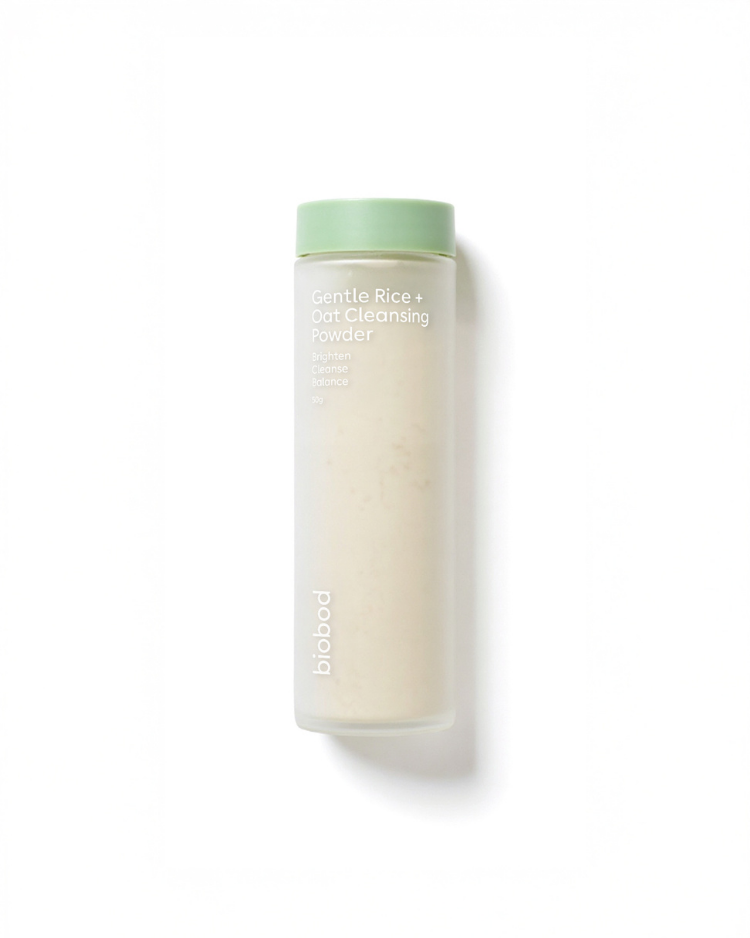
- Cleanse gently. Use a low-foam, fragrance-free cleanser that removes the day without leaving skin tight. A powder or cleansing bar works well because you control how much water you add.
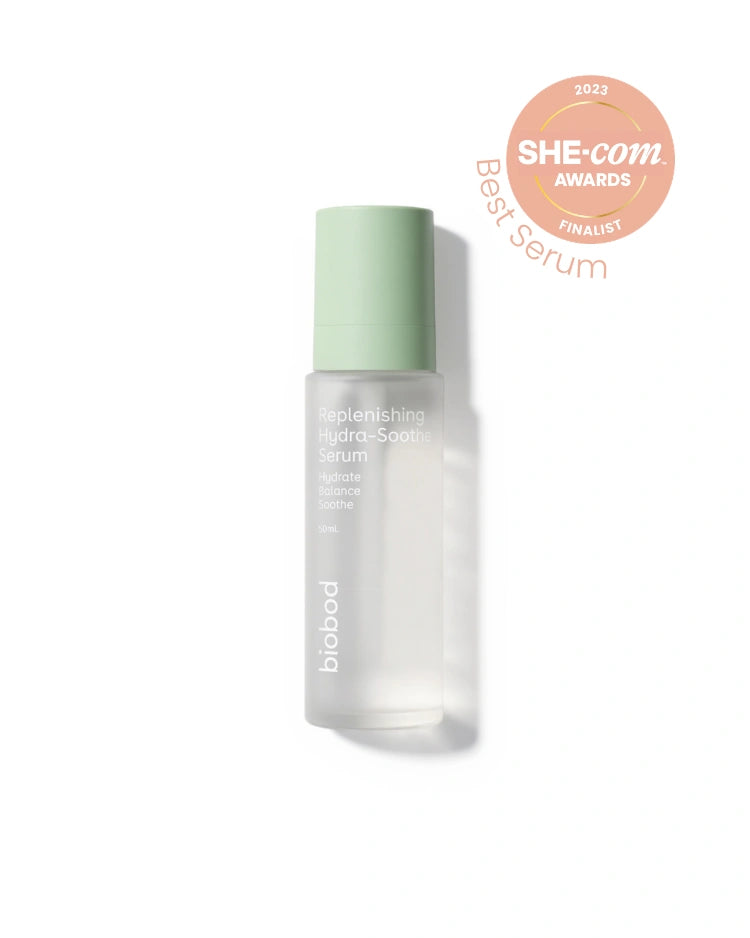
- Hydrate. Apply a hydrating serum to damp skin to draw in moisture.
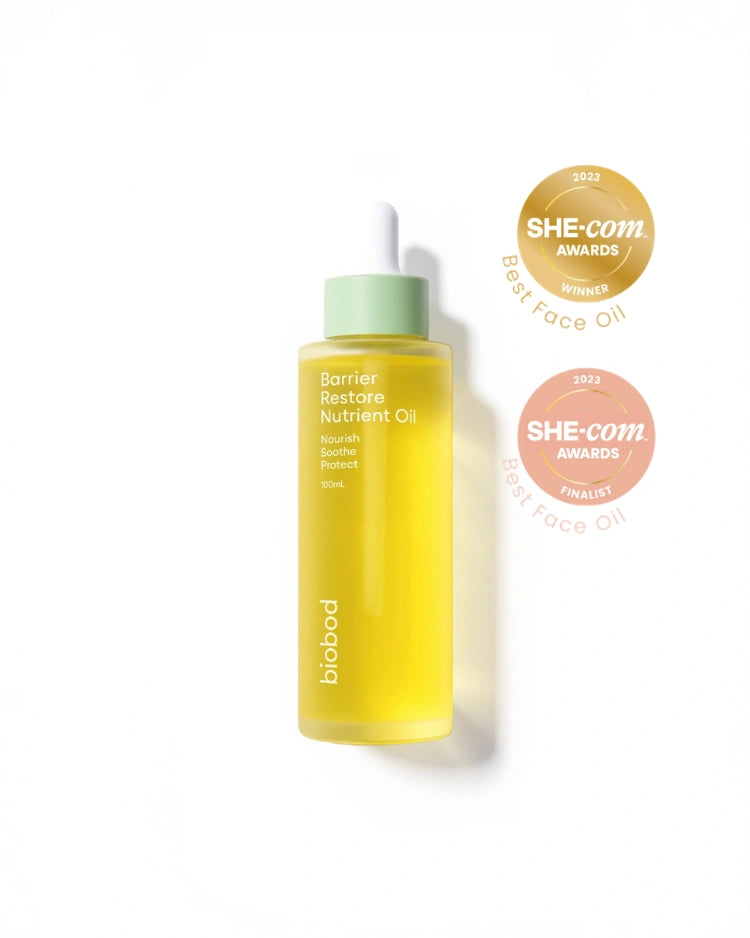
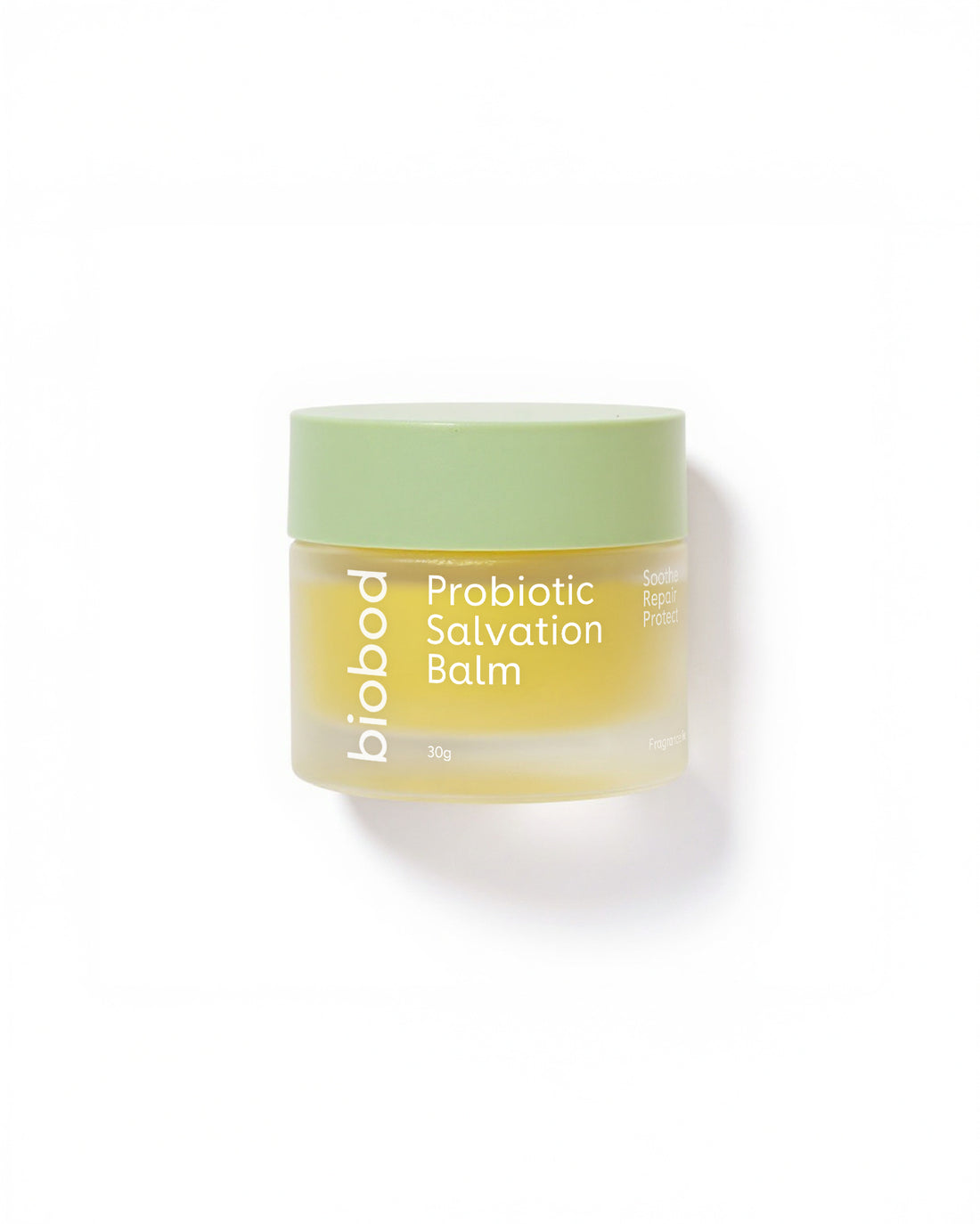
- Seal it in. Press in a few drops of face oil, or a balm on drier days, to help hold that hydration in place.
That's it. In the morning, finish with sun protection. Introduce any new product on its own and give it a few weeks before adding anything else, so you can see how your skin responds.
For the full morning and evening breakdown, read our skincare routine for sensitive skin. If you're curious about cleansing without liquid formulas, waterless skincare fits a holistic routine particularly well.
How do lifestyle habits show up on your skin?
Your skin doesn't exist separately from the rest of you. These everyday habits are part of holistic skincare too:
- Sleep. Skin often looks duller and feels drier after a run of short nights. A consistent bedtime and a clean pillowcase are simple places to start.
- Stress. Many people notice their skin feels more reactive during stressful periods. A skincare routine you can do in two calm minutes can double as a small daily reset.
- Diet. A varied diet with plenty of plants, healthy fats and fermented foods supports your overall wellbeing, which many people find reflected in their skin. See what to eat for healthy skin for a full food list, and the gut-skin axis explained for the science behind the connection.
- Sun. Australia has some of the highest UV levels in the world. Cancer Council Australia recommends sun protection whenever the UV Index is 3 or above: a broad-spectrum, water-resistant SPF30 or higher sunscreen, plus clothing, a hat, shade and sunglasses.
- Environment. Air-conditioning, heating and hot showers can all leave skin feeling dry. Lukewarm water and sealing in hydration help.
What holistic skincare is not
Holistic skincare is about supporting how your skin looks and feels day to day. It isn't a replacement for medical care, and it can't promise to change a skin condition.
Worth knowing
If your skin is persistently red, painful, itchy, flaking or changing, or if a new spot or mole appears, see your GP or a dermatologist. If you've been prescribed a skin treatment, keep using it as directed and check with your prescriber before adding new products.
Be wary of any brand that describes holistic skincare as "healing" skin or promises to clear a condition. Cosmetic products in Australia can support, soothe and hydrate the skin, but they can't make therapeutic claims.
How to tell if a skincare brand is genuinely holistic
"Holistic" isn't a regulated term, so it's worth asking a few questions before you buy:
- Does the brand publish full ingredient lists for every product?
- Are the formulas fragrance-free and free from drying alcohols and harsh scrubs?
- Is the range small and focused, rather than a product for every possible concern?
- Does the brand talk about your skin barrier and long-term skin comfort, not overnight results?
- Are the claims honest, without words like "cure", "heal" or "miracle"?
- Can you try the products in small sizes before committing to full sizes?
- Does the brand think about packaging and waste as part of the bigger picture?
How biobod approaches holistic skincare
I started biobod because I believe skincare shouldn't be a second job. Happy skin is skin you barely have to think about. Our range was created for the most sensitive skin, and every product is fragrance-free. The range is built around supporting the foundations every skin type shares: a comfortable skin barrier and a balanced skin microbiome.
biobod at a glance
- Australian skincare brand founded by Natalie, formulated for sensitive skin and suitable for all skin types
- Built on The Biome Advantage™, our approach to supporting the skin barrier and microbiome
- A small, focused range designed as a simple routine: cleanse, hydrate, seal
- Several waterless formats, including a cleansing powder, cleansing bar, face oil and balm
- Fragrance-free across the whole range, and paraben-free
- A $25 Discovery Set of trial sizes so you can introduce products one at a time
Rather than targeting one concern at a time, we focus on helping your skin feel calm, hydrated and comfortable, then let your everyday habits do the rest. You can read more about our approach to sustainability and our story.
Recommended biobod products
The full routine

Skin Reset System
Our fragrance-free, three-step holistic routine in one set: cleanse, hydrate and seal.
Shop the systemStep 1: Cleanse

Gentle Rice & Oat Cleansing Powder
A fragrance-free, waterless powder you activate with water, for a gentle, non-stripping cleanse.
Shop cleanserStep 2: Hydrate

Replenishing Hydra-Soothe Serum
A lightweight, fragrance-free hydrating serum designed to soothe and comfort sensitive skin.
Shop serumRelated reading
- How to Get Healthy Skin
- Skincare Routine for Sensitive Skin
- The Gut-Skin Axis Explained
- What to Eat for Healthy Skin: 20 Foods Your Skin Loves
- Waterless Skincare Australia
- Paraben-Free Skincare: What It Means and How to Choose
FAQs
What does holistic skincare mean?
Holistic skincare means looking after your skin from the outside with gentle, barrier-friendly products and from the inside with everyday habits like sleep, stress care and a varied diet. It looks at your skin as one connected system rather than a list of separate concerns.
Is holistic skincare good for sensitive skin?
A holistic approach suits sensitive skin well because it keeps routines short, avoids harsh actives and fragrance, and introduces products one at a time. Fewer products means fewer chances for irritation, and more time for your skin to settle.
Can holistic skincare include lab-made ingredients?
Yes. Holistic describes the approach, not the source of an ingredient. Gentle lab-made or skin-identical ingredients can be a great fit for a holistic routine, as long as they're well tolerated by your skin.
Is DIY skincare holistic?
Not necessarily. Homemade products have no preservation or stability testing, and common kitchen ingredients like lemon juice and baking soda can irritate skin. A holistic routine is better built on a few well-formulated, gentle products.
How many products do I need for a holistic skincare routine?
Most people need three: a gentle cleanser, a hydrating serum and an oil or balm to seal in hydration, plus sun protection in the morning. You can add a richer balm on drier days.
How long should I give a new holistic routine?
Give a new routine at least four to six weeks before judging it, and introduce one product at a time so you can see how your skin responds. If anything stings, itches or causes redness, stop using it.
Can I use holistic skincare alongside a prescribed treatment?
Talk to your prescriber first. Many people use a gentle, fragrance-free cleanser and moisturiser alongside prescribed treatments to keep their skin comfortable, but your doctor or dermatologist should guide what you add.
Where can I buy holistic skincare in Australia?
You can shop biobod online at biobod.com.au with delivery Australia-wide. If you're new to the range, the $25 Discovery Set includes trial sizes of four core products so you can start slowly.
Start slowly

Try four of our core products in trial sizes and introduce them one at a time. The Discovery Set is $25, and it's the easiest way to start a holistic routine without the overwhelm.
Shop the Discovery SetReferences
- Cancer Council Australia. Sun safety. https://www.cancer.org.au/cancer-information/causes-and-prevention/sun-safety
- Byrd AL, Belkaid Y, Segre JA. The human skin microbiome. Nature Reviews Microbiology. 2018;16:143-155. https://doi.org/10.1038/nrmicro.2017.157
- Salem I, Ramser A, Isham N, Ghannoum MA. The gut microbiome as a major regulator of the gut-skin axis. Frontiers in Microbiology. 2018;9:1459. https://doi.org/10.3389/fmicb.2018.01459
This article is general information only and isn't medical advice. For persistent or unusual skin concerns, see your GP or a dermatologist.